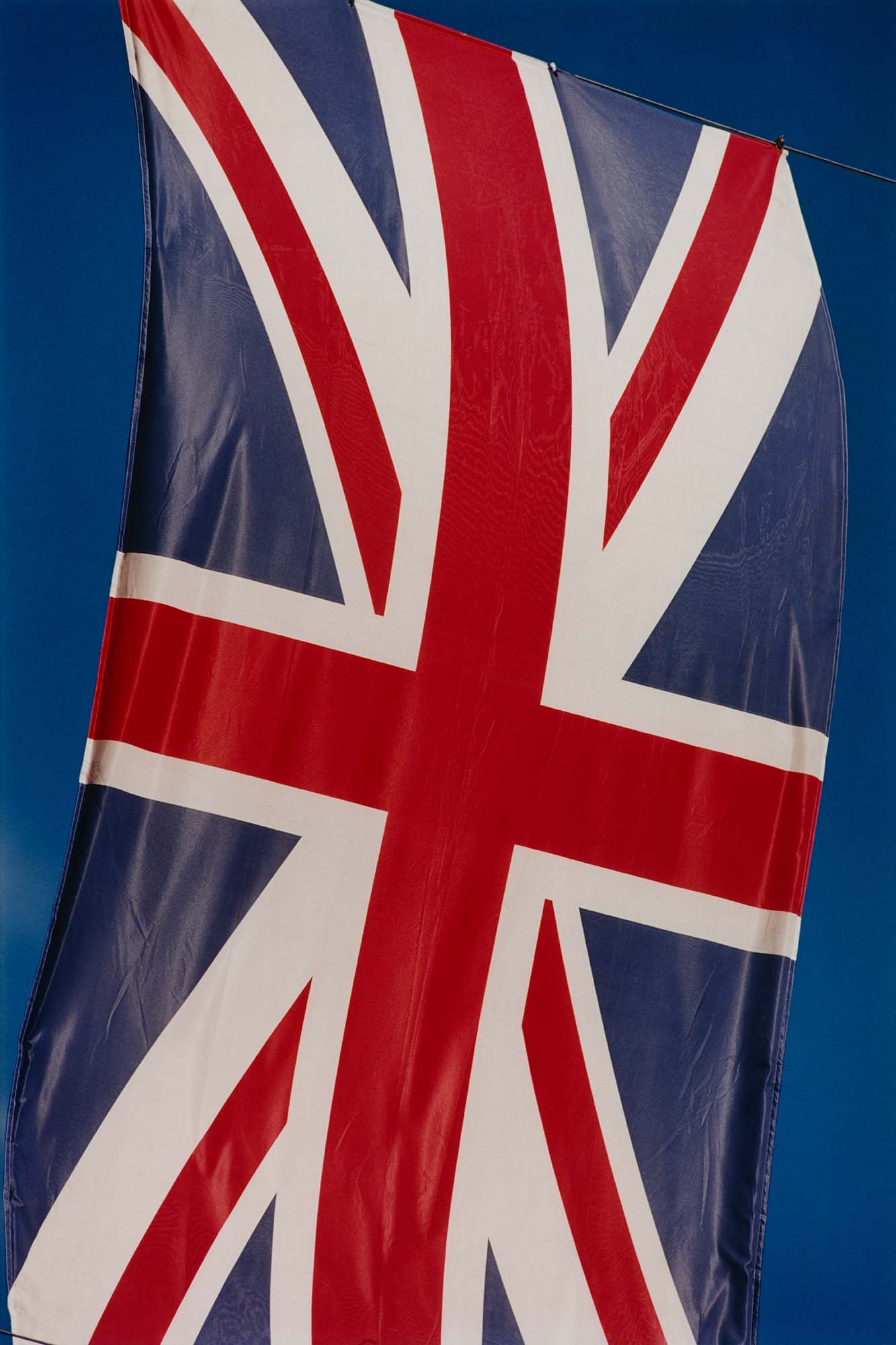
With this summer marking the beginning of Oasis’ sold-out world tour and the opening of House of McQueen, an off-Broadway play about the late designer Alexander McQueen, it would seem that the 1990s are back in vogue. For the past few years, nineties trends in music and fashion have been on the up, with slip dresses, loose jeans, parkas and football jerseys firmly on the runways and in the streets—a shift soundtracked by the reunion of Britpop’s warring brothers, Noel and Liam Gallagher, and the return of Oasis’ rival band, Blur.
While this resurgence has taken place on both sides of the Atlantic—see the 2024 documentary In Vogue: The 90s, which delved into the archives of the American magazine’s cultural heft at the cusp of the millennium—it is hard to dispute the central role that London played in the crafting of a decade of music and fashion defined as much by its glamour as its grit.
But what was it that made 1990s London so thrilling, an epicentre of music, fashion and culture? In a 1997 article, Vanity Fair likened London of the nineties to the city in the swinging sixties—a decade renowned for the emergence of pop rock and the modish fashions of the Beatles, Mary Quaint, and Jean Shrimpton. [1] As the musicians and artists mentioned by Vanity Fair imply, the nineties found its equivalents in Oasis, Stella McCartney, and Kate Moss.
Many of those who made their name in the 1990s remain influential to this day: in 1991, two students at the London College of Communication—Jefferson Hack and Rankin—started Dazed & Confused magazine. The following year, the Mercury Prize for music launched, followed by the MOBO Awards in 1996; though the latter is less culturally significant today, the former continues to shine a light on emerging talent each year. Likewise, Rinse FM, the pirate radio station first transmitted from Ingram House in Tower Halmets in 1994, remains a core platform for broadcasting underground electronic music.
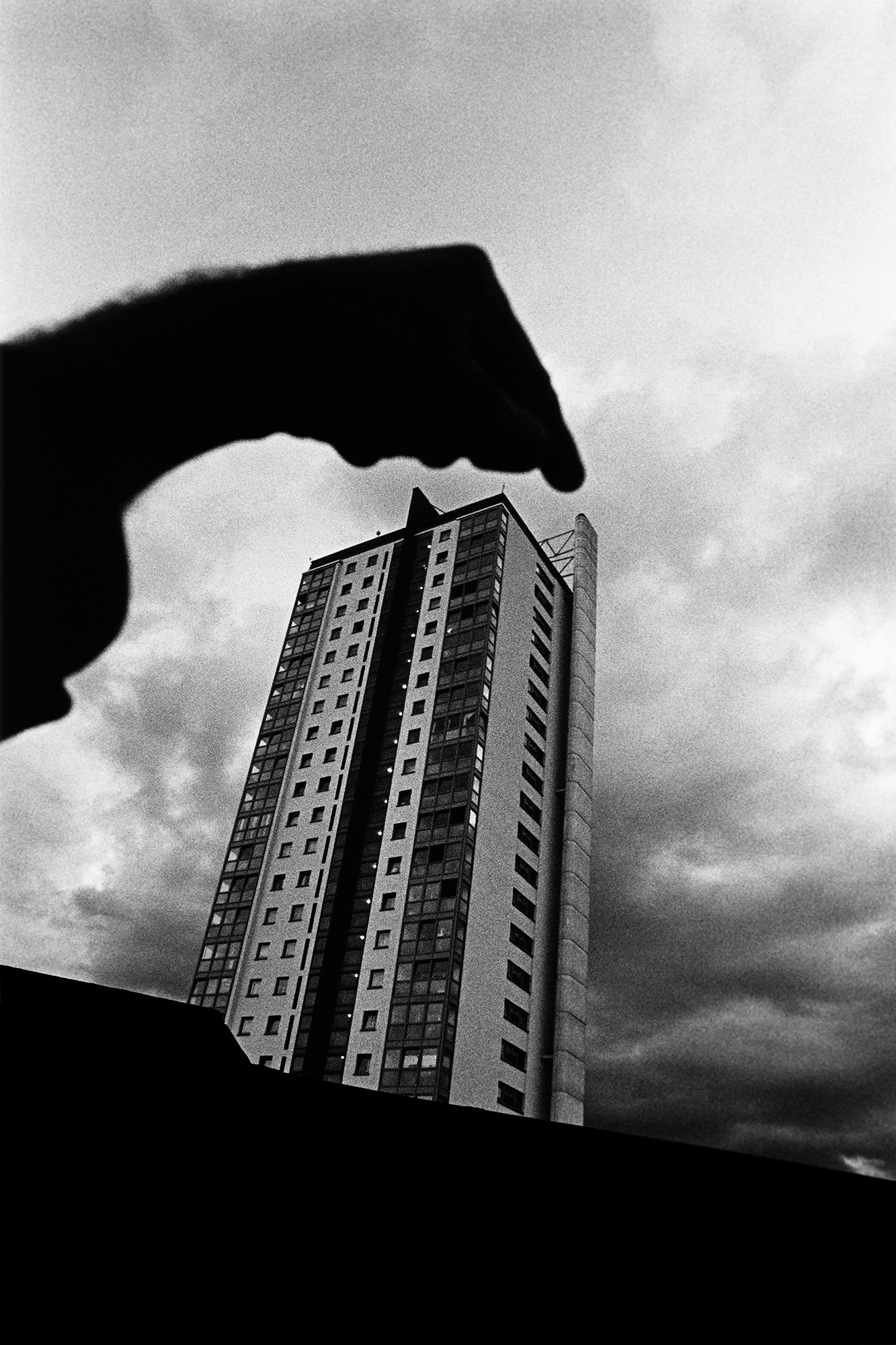
Though it’s possible to recover aspects of 1990s London through its music and clothes, retracing the areas of the city that were pivotal in shaping its sound and look is less straightforward. London, today, looks a lot less like it did 30 years ago; a steady flow of global investment over the last few decades has seen much of the old city swept away in favour of new developments.
In 1991, the Ministry of Sound opened its doors with an all-night licence and state-of-the-art sound system in a disused bus garage in Elephant & Castle—an area of Southwark that had undergone significant post-war construction, with new social housing and housing estates. In recent years, extensive and controversial redevelopment has seen swathes of Elephant & Castle’s existing housing stock demolished in place of new, upmarket apartment complexes. While the Ministry of Sound—a club that has now pivoted into a multimedia enterprise complete with a private members’ club—remains, much of the wider area would be unrecognisable to the nineties clubber today.
Elsewhere, redevelopment in London has resulted in the loss of clubs that were once core venues of the city’s nightlife scene. Opening in a disused warehouse in 1991, Bagley’s once provided an expansive haven for ravers in the aftermath of the 1994 Criminal Justice Act—changes to the law which, in effect, set out to criminalise the rave culture of the late 1980s and early 1990s. In 1994, The Cross also opened in the area, hosting Balearic House nights under the arches of former coal sheds that once serviced King’s Cross railway station. In 2007, however, both clubs were closed as part of the regeneration of the area. Though the industrial buildings once occupied by Bagley’s and The Cross are still in-situ, they have now been taken over by the upmarket Coal Drops Yard shopping complex; a far cry from the derelict and gritty King’s Cross of the 1990s and early 2000s.
Tales of the King’s Cross club scene have entered fashion lore, too. It was there that Alexander McQueen famously lost his AW93 collection, Taxi Driver. Visiting a nightclub in King’s Cross after presenting Taxi Driver at The Ritz, the designer famously left the collection (only his second)—stuffed into bin bags—outside the venue instead of paying for the cloakroom; by the time McQueen went to retrieve them, the bags were gone…
Retracing McQueen’s London offers insight into how much the city has changed over the past few decades. Born in Stratford, McQueen’s journey into the fashion industry started with an apprenticeship in the mid-1980s on Savile Row in Mayfair, a street historically associated with men’s tailoring. From there, McQueen studied for an MA in fashion design at Central Saint Martins, which was then located on Charing Cross Road on the edge of Soho (before the school later moved to Granary Square as part of the regeneration of King’s Cross). McQueen graduated in 1992 with Jack the Ripper Stalks His Victims, a show that established the designer’s tendency towards dark, and often divisive, collections over the course of the decade.
Many other cultural figures also graduated from Central Saint Martins in the 1990s. Stella McCartney made waves of her own with a graduate show walked by supermodels Yasmin Le Bon, Naomi Campbell, and Kate Moss, while Jarvis Cocker—frontman of the indie rock band Pulp—studied fine art and film there in the early nineties. In 1995, the same year that McCartney graduated, Pulp released Common People, a single inspired by Cocker’s student experience. The song describes a wealthy art student romanticising working-class life, “slumming it” in London while at university—until living in poorly-maintained housing got too much to bear.
More broadly, explorations of class identity were bound up in the aesthetic of Britpop (a term used to describe Pulp’s sound and look that they themselves rejected). At its most obvious, Britpop was defined by the “battle” between Blur and Oasis, which drew extensive press coverage in 1995. Blur were middle-class and from the south, while Oasis were working-class and from the north; though initially amicable, the relationship between the two bands soon soured (an animosity that was amplified by the British media), with divisions reportedly premised on disparities in class and cultural identity.
But for all the apparent differences between the two bands, both contributed to a distinctive sound and look that proliferated in the mid-1990s. Aspects of the Britpop wardrobe drew on the 1960s Mod look: a modish haircut with long sides and a fringe, Fred Perry polos, Harrington jackets and parkas. The football casuals of the 1980s also provided inspiration, and football jerseys and Adidas trainers became wardrobe essentials. For the more ardent Blur fan, the band’s frontman, Damon Albarn, could often be seen wearing a track jacket by Kappa, Umbro, or Sergio Tacchini. By contrast, a bucket hat—preferably Kangol—was favoured by Oasis’ Liam Gallagher.
London often served as a backdrop to Britpop, despite Oasis being an ostensibly “Manchester band.” Blur’s 1994 single, Parklife, was inspired by living in West London and included a spoken word feature by Phil Daniels, the lead actor in mod revival classic Quadrophenia (1979), as well as Albarn’s own mockney accent. Meanwhile, the cover for Oasis’ second album, (What’s the Story) Morning Glory? (1995), was shot on Berwick Street in Soholl—located around the corner from the member’s only Groucho Club that the Gallaghers regularly visited.
Journeying over towards East London, in the music video for The Verve’s 1997 single Bitter Sweet Symphony, frontman David Ashcroft bowls down Hoxton Street in a leather jacket and a pair of suede moccasins, like those popularised by brands such as Padmore & Barnes or Clark’s—both staples of the nineties wardrobe. The music video for Bitter Sweet Symphony is something of a time capsule, albeit an art directed one. Though many of the clothes on display in the video have reappeared in recent years as part of a nostalgia for nineties fashion, there is one stark difference between the Hoxton Street of the late 1990s and today. As Ashcroft saunters down the street, there is an almost total absence of skyscrapers behind him; today the skyline has completely changed, with high-rise luxury apartments and smart office blocks in and around Shoreditch and Liverpool Street clearly visible.
At the time of the making of The Verve’s music video, Hoxton was an area undergoing unprecedented transformation. In the 1980s, the area was rundown, with many buildings and warehouses in disuse and disrepair. These conditions made it a hotbed for creative practice; the Young British Artists (YBAs) occupied studio space in the area and it was in Hoxton Square that McQueen opened his studio.
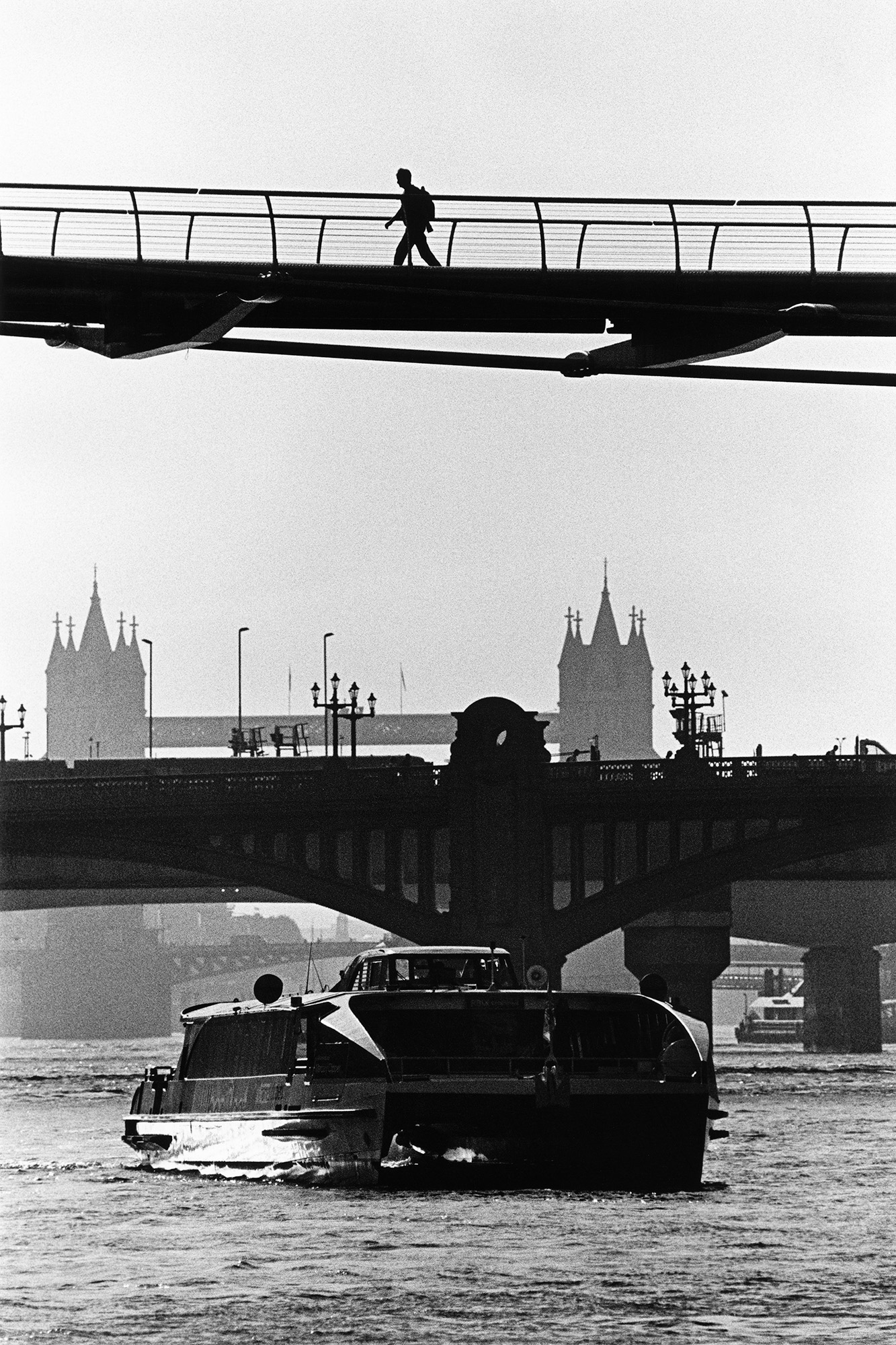
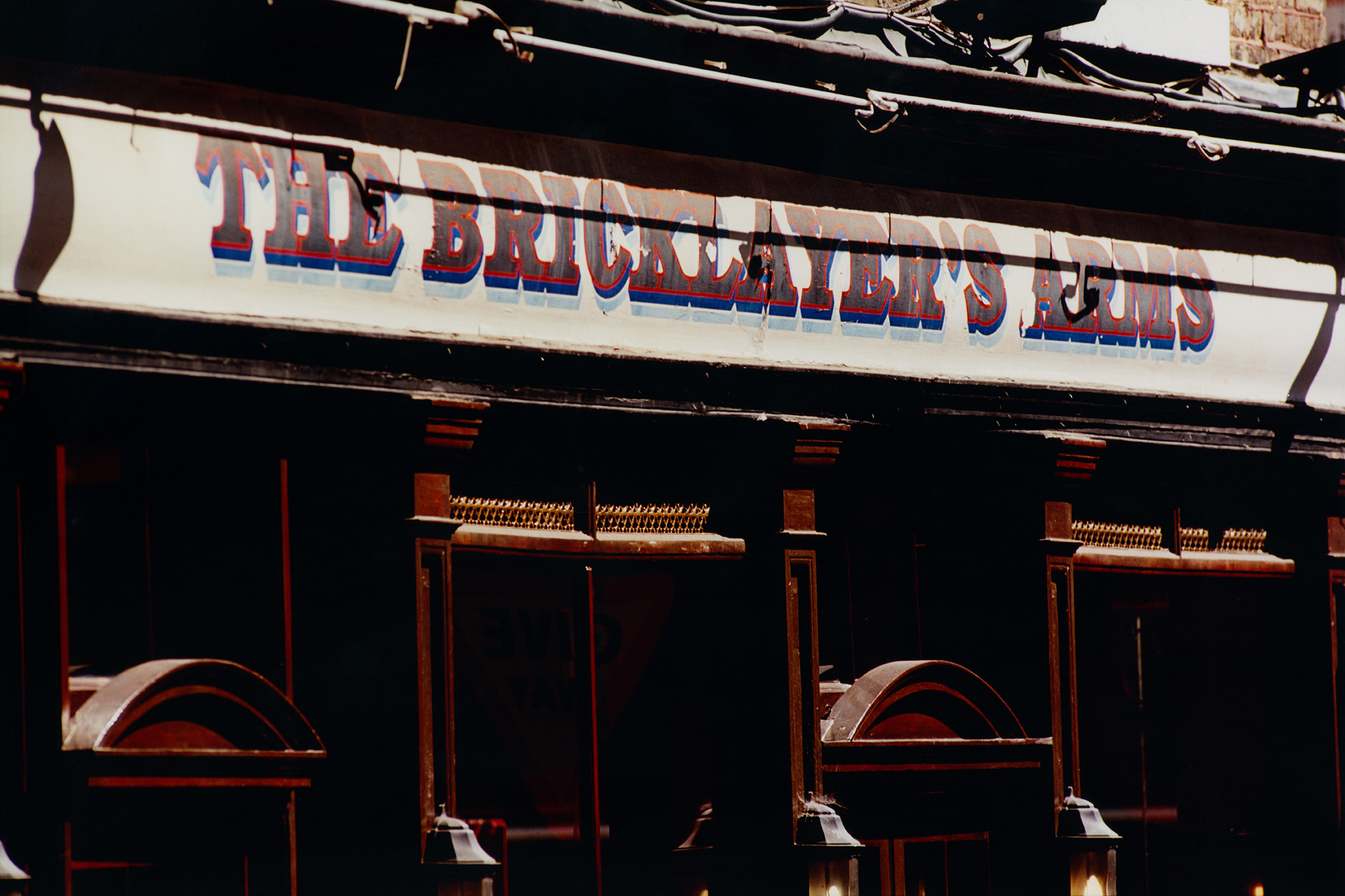
In 1993, DJ Eddie Piller bought a rundown venue (also in Hoxton Square) and transformed it into Blue Note, a club that played host to regular nights across genres, which included Metalheadz, Goldie’s famed drum and bass party on Sunday evenings. Just down from Hoxton Square, the Bricklayers Arms became a haunt for McQueen and stylists such as Katie Grand; meanwhile, Lulu Kennedy, who founded the talent incubator Fashion East in 2000, sometimes worked behind the bar. To this day, it’s not uncommon to hear a punter point out that “McQueen used to drink here”—firmly etching the pub’s name in the fashion history books.
Hoxton had something of a glamour and a grittiness about it that soon attracted an increasingly upmarket crowd. As the cycle of gentrification often goes, creatives move into a rundown area where rent is cheap and space is plentiful, which in turn attracts developers who are keen to cash in on the buzz. Piller shut Blue Note down in 1998 over changes made to local late-night licensing, while McQueen told The Guardian in 2003, “One day we looked out of the window and saw lots of people with mullets. The next day the landlord came round and doubled the rent and we had to move.” [2]
To this day, Hoxton and Shoreditch continue to attract crowds looking for an “authentic” experience of London to areas that have long-since been commodified and are largely relics of the past. But what made Hoxton so appealing to creatives in the early 1990s was not just its location, but broader political, economic and social conditions that made living, and creating, in the city possible at the time. By the early 1990s, whole areas of London were rundown as a result of the economic slump of the 1980s, making it easier to find cheap space for studios and venues.
Mass unemployment, triggered by policies of privatisation and deregulation under Margaret Thatcher’s Conservative government, also facilitated the perfect conditions for a generation of young artists, designers and musicians to undertake creative pursuits. In 1983, the government introduced the Enterprise Allowance Scheme—a weekly allowance for the unemployed to undertake an entrepreneurial pursuit. Artists like Tracey Emin and Rachel Whiteread (winner of the 1993 Turner Prize) and bands like Oasis and Pulp were all on the dole, a somewhat ironic consequence of Thatcherite policies.
At the same time, attempts to crack down on rave culture in the early 1990s had unintended consequences of their own. As the cultural historian David P. Christopher writes, “In spite of the opposition, and perhaps because of it, dance music continued to dominate the mid-1990s in a range of diverse styles.” [3]

The tone of the decade was set by jungle, a fusion of the breakbeat hardcore taken from the rave scene and the reggae sound system culture of the Windrush generation. In essence, jungle marked the arrival of an entirely new sound. As the late cultural theorist Mark Fisher put it, jungle demonstrated the gulf between the 1960s and the 1990s; if someone had heard a jungle track in 1989, “it would have sounded like something so new that it challenged them to rethink what music was, or could be.” [4] Jungle was also a testament to multiculturalism in London; developing out of the sounds of reggae, dancehall, and post-war migration from the Caribbean, it has been recognised as one of the first Black dance genres in the United Kingdom.
Though jungle broke out in 1994, its genesis can be partly attributed to pirate radio earlier in the decade. In November 1991, Kool FM went live for the first time, broadcasting hardcore jungle from antennas installed on the rooftops of high rises on the Nightingale Estate in Lower Clapton. The year before, the 1990 Broadcasting Act had been introduced to quell the expansion of non-commercial broadcasting, but pirate radio continued to proliferate throughout the decade, with stations set up in bedrooms across the city. Despite the illegality of pirate radio, and frequent police raids conducted to shut stations down, it was via their airwaves that new genres, like jungle, UK garage and grime, gained traction.
Jungle was ultimately short-lived, though its cultural impact cannot be underestimated. By 1995, the genre had morphed into drum and bass, which was less heavily influenced by the ragga style of jungle. In part, the demise of the subgenre stemmed from associations with violence and drug-taking that had clear racial undertones; as the journalist Caspar Melville noted, football casual culture—a predominately white subculture—was similarly surrounded by violence and alcohol consumption. [5]
By contrast, drum and bass attracted a wider crowd, with club nights such as Metalheadz frequented by London’s media and creative classes as well as the likes of David Bowie and Björk (Goldie’s then-girlfriend). In 1995, the release of Goldie’s debut album, Timeless, reached the UK Top 10; its first single, Inner City Life (1994), featuring vocals by Diane Charlemagne, remains one of the most influential drum and bass records of all time.
Across London, rave culture continued to develop and morph into new subgenres, with club nights in venues across the city catering to different niches within the scene. By the late 1990s, another subgenre, UK garage, was breaking out across London with a distinct look of its own. Wardrobes consisted of Italian designers like Iceberg, Dolce & Gabbana and Versace (ideally worn head-to-toe), or high-street equivalent brands such as Morgan De Toi. In contrast to the minimalist look envisioned by New York-based designers such as Calvin Klein, for ardent followers of UK garage, bolder was better: Gucci loafers and Moschino prints were staples for nights out at clubs such as Bagley’s in King’s Cross or The Coliseum in Vauxhall.
While garage was pioneered in the United States by DJs such as Todd Edwards, UK garage was firmly rooted in influences from London. In 1997, DJ Scott Garcia released A London Thing, which drew inspiration from Just 4 U London, a 1992 jungle track by Bodysnatch. [6] This track contributed to UK garage’s rise nationwide, and entered the UK Top 40.
While UK garage cultivated a smarter image than its antecedents, in terms of its look and slicker, more soulful sound, pirate radio stations continued to play a central role in its broadcasting across the city. Kiss FM, which started out as a pirate radio in 1985 before gaining a commercial license in 1990, pioneered the subgenre’s dissemination. As such, UK garage enjoyed a stratospheric rise and could be heard on music channels, inside shops, and was even featured in advertisements. By the end of the decade, the influence of UK garage was so pervasive that criticisms the subgenre had become too commercialised contributed to its demise.
In its place came grime, emerging from the city’s estates in East London. Though drawing on the sounds of jungle and UK garage, grime was also influenced by hip-hop, with a renewed emphasis on the importance of MCing. Unlike jungle and UK garage, the culture was less about rave culture and instead oriented around grime clashes between MCs. The early days of the genre were shaped by crews such as Pay As You Go, Roll Deep, and So Solid. As grime grew in popularity in the early 2000s, many of its MCs, such as Kano and Dizzee Rascal, would later go on to become household names.
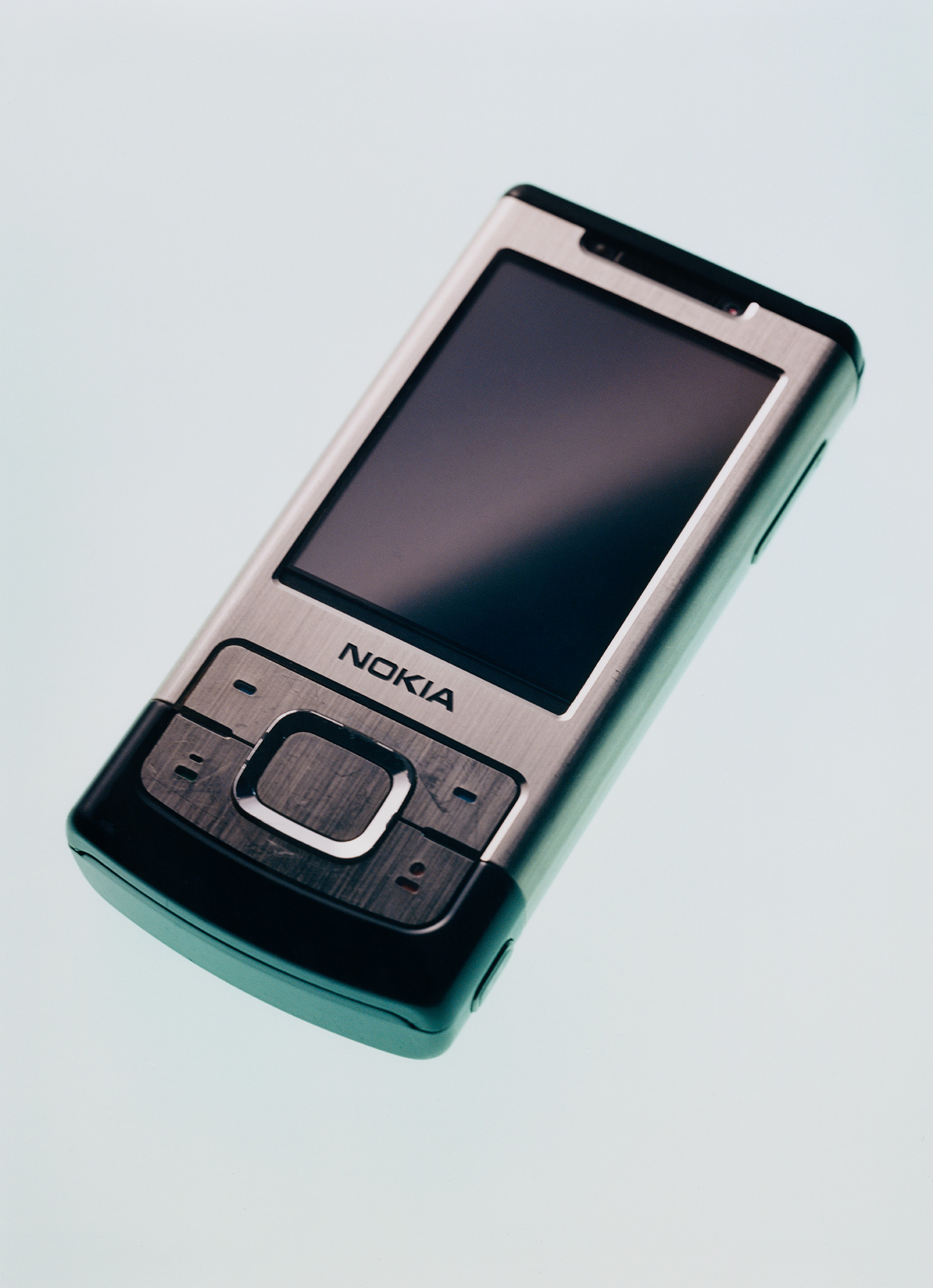
Though pirate radio stations such as Rinse FM continued to contribute to how the sound was broadcast across London, the increasing availability of digital technologies, such as Bluetooth, were adopted by grime artists in the early 2000s. Mobile phones put grime directly into the hands of its listeners, with tracks created as ringtones and played via Nokia phones and Sony Ericsson Walkmans.
In stark contrast to its predecessors, the look of grime consciously eschewed the ostentatious display of designer brands that had been at the core of UK garage. As grime MC Wiley put it, “Garage? I don’t care about garage. Listen to this, it don’t sound like garage.” Instead, the grime uniform consisted of Nike tracksuits, Avirex jackets, New Era fitted caps, and Nike Air Max trainers. As the aughts progressed, grime’s influence on mainstream music and fashion could be evidenced by the wide appeal of MCs such as Skepta and JME of Boy Better Know, as well as the emergence of London-based and internationally renowned streetwear brands such as Trapstar, founded in 2008, and Corteiz, founded in 2017.
At the same time, the nineties have had a clear influence on the vintage market in recent years. The popularity and rise of Classic Football Shirts, first launched in 2006, attests to the enduring appeal of the kinds of football shirts worn by nineties Britpop fans and ravers alike. Wavey Garms, meanwhile, started in 2013 as a Facebook group selling vintage designer streetwear and quickly growing into a brand in its own right, attests to the continued allure of nineties rave culture within fashion circles and on the nightlife circuit.
More broadly, the lasting impact of nineties music and fashion can be seen in the vision of London-born designers such as Martine Rose. Growing up in South London, Rose went to raves across the city throughout the 1990s and has discussed how the eclectic fashions of rave-goers have informed her designs; in AW14, Rose collaborated with the Wild Life Archive to screen-print rave flyers directly onto the collection.
Similarly, Japanese designer Junya Watanabe’s AW22 collection was inspired by the nineties wardrobe of Jay Kay, frontman of the funk and acid jazz band Jamiroquai. More recently, at her Wembley tour this summer, Dua Lipa brought out Kay for a joint rendition of Jamiroquai’s 1996 hit single Virtual Insanity. Inasmuch as a renewed interest in Britpop can explain a demand for nineties fashion, Kay’s wardrobe from the period—oversized hats, Berghaus jackets, loose jeans, and Adidas trainers—seems as close to today’s street style as the kinds of garments worn by the Gallaghers.
Neatly summarising the legacy of London’s music and fashion scenes of the 1990s and early 2000s, in which multiple genres, subgenres and styles emerged in venues, studio spaces, art schools, and housing estates across the city, appears to be an impossible task. As the last decade before the age of social media, there was also an ephemerality to the music and fashion scenes that dominated in London during this time, with sounds, fashions and venues disappearing and changing as quickly as they appeared. To some extent, this can be attributed to the fact that the 1990s bore witness to the beginning of the city’s physical transformation, as gentrification and global capital altered the city’s geography—in some cases, beyond recognition—and hollowed out much of a thriving underground creative scene shaped by those who came from different social, cultural, economic and racial backgrounds.
This diversity was what really made London an epicentre of music, fashion and culture. While many of the bands associated with Britpop came to the capital as young musicians in search of something, jungle, UK garage and grime were genres firmly rooted in London—a city with a rich multicultural identity.