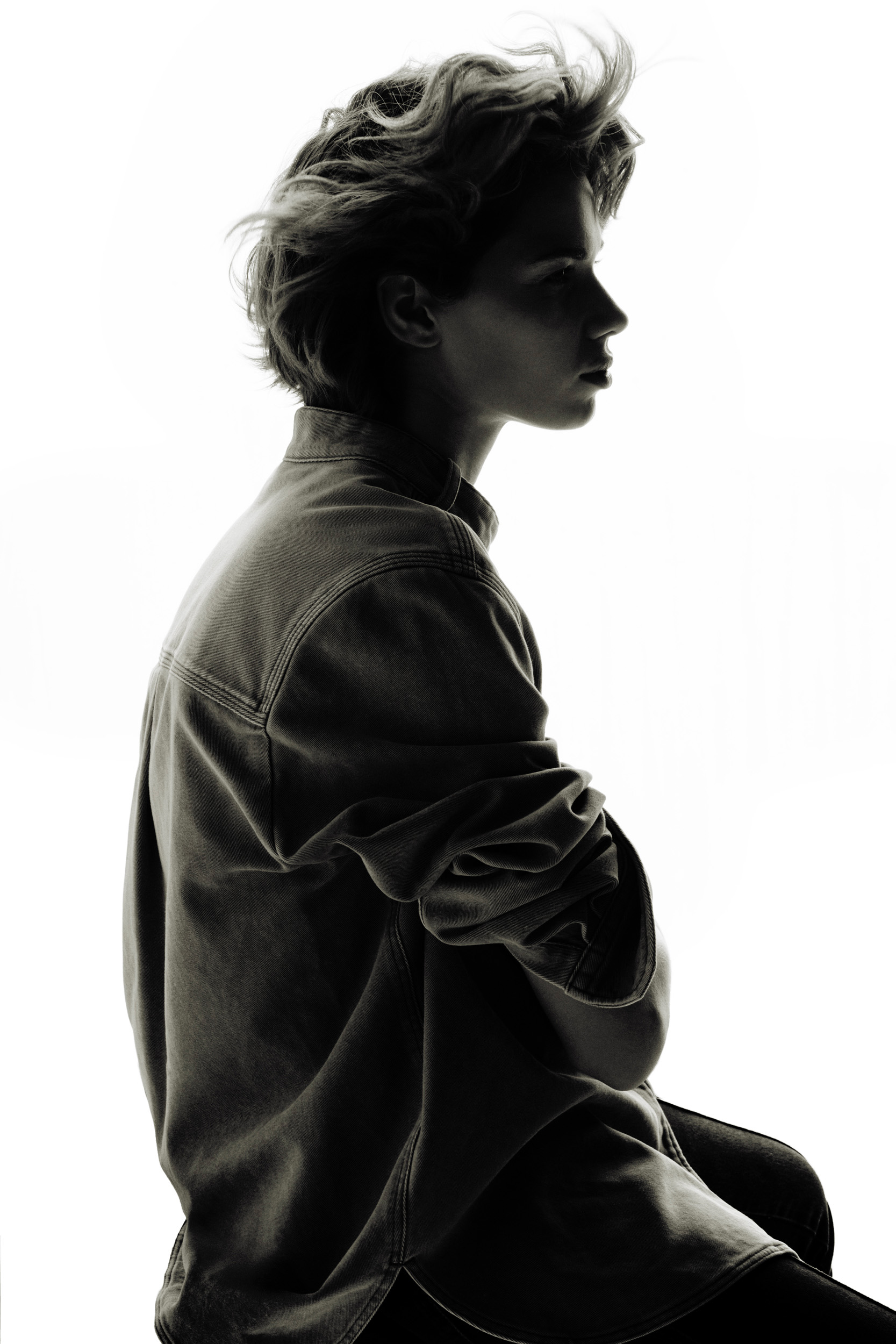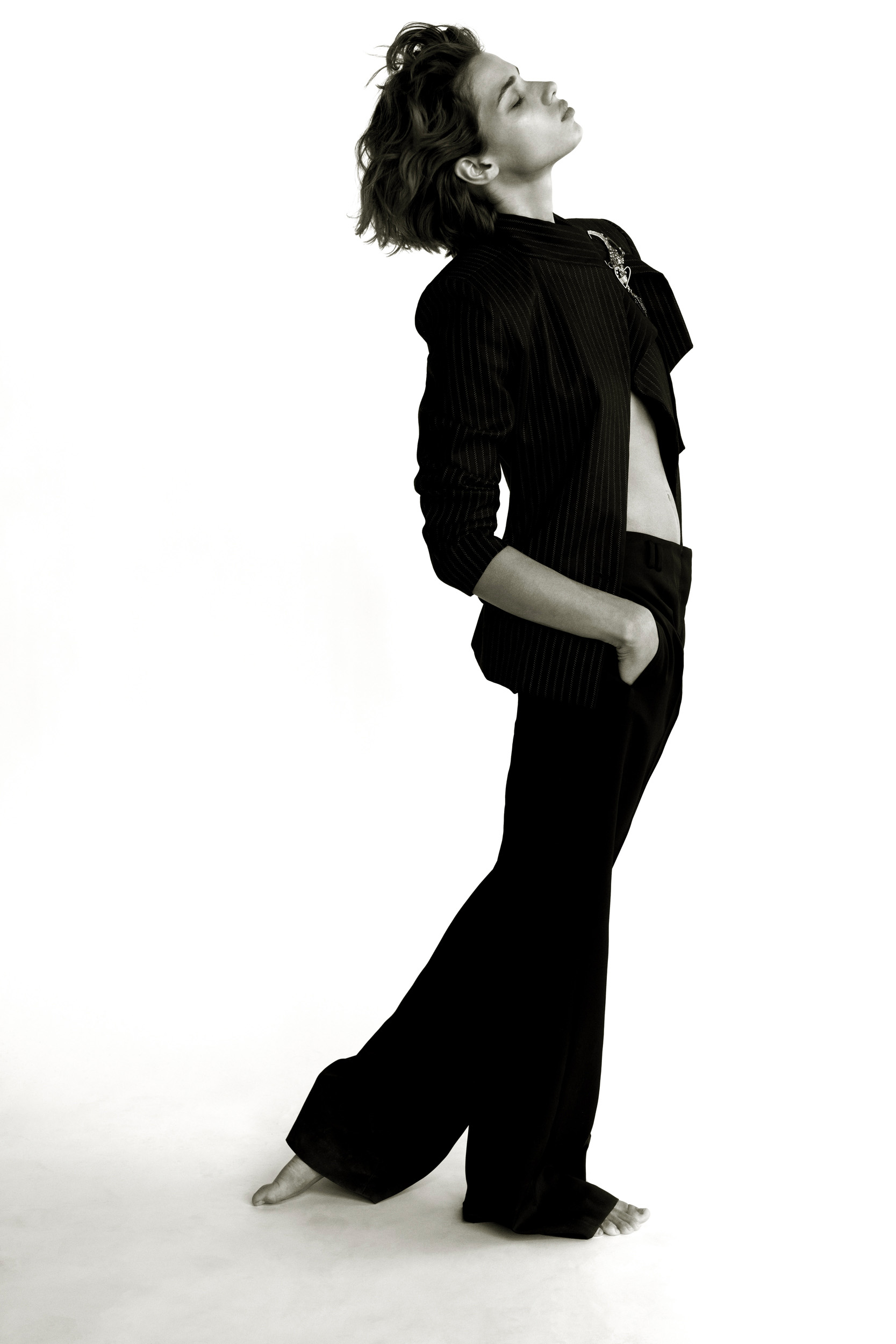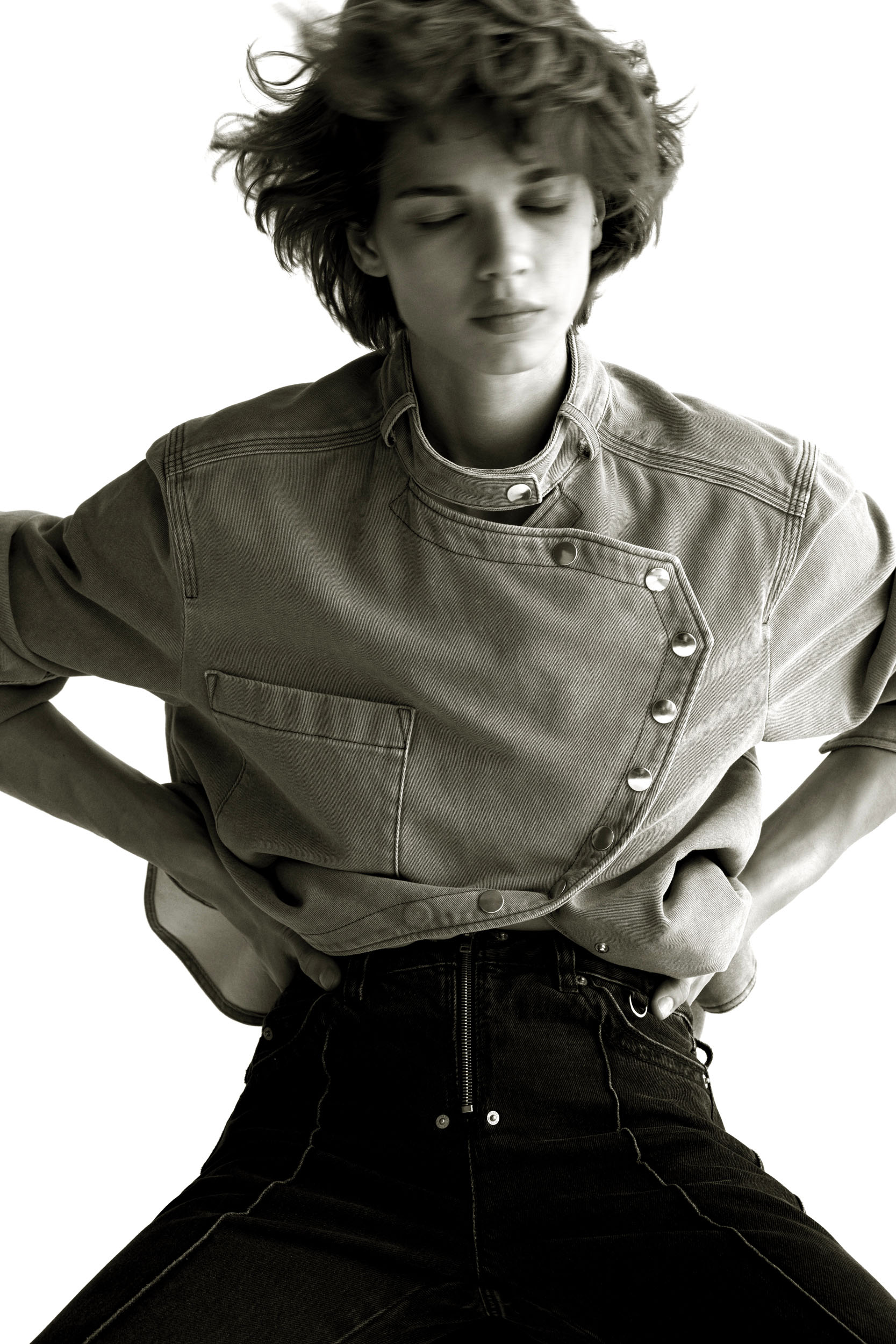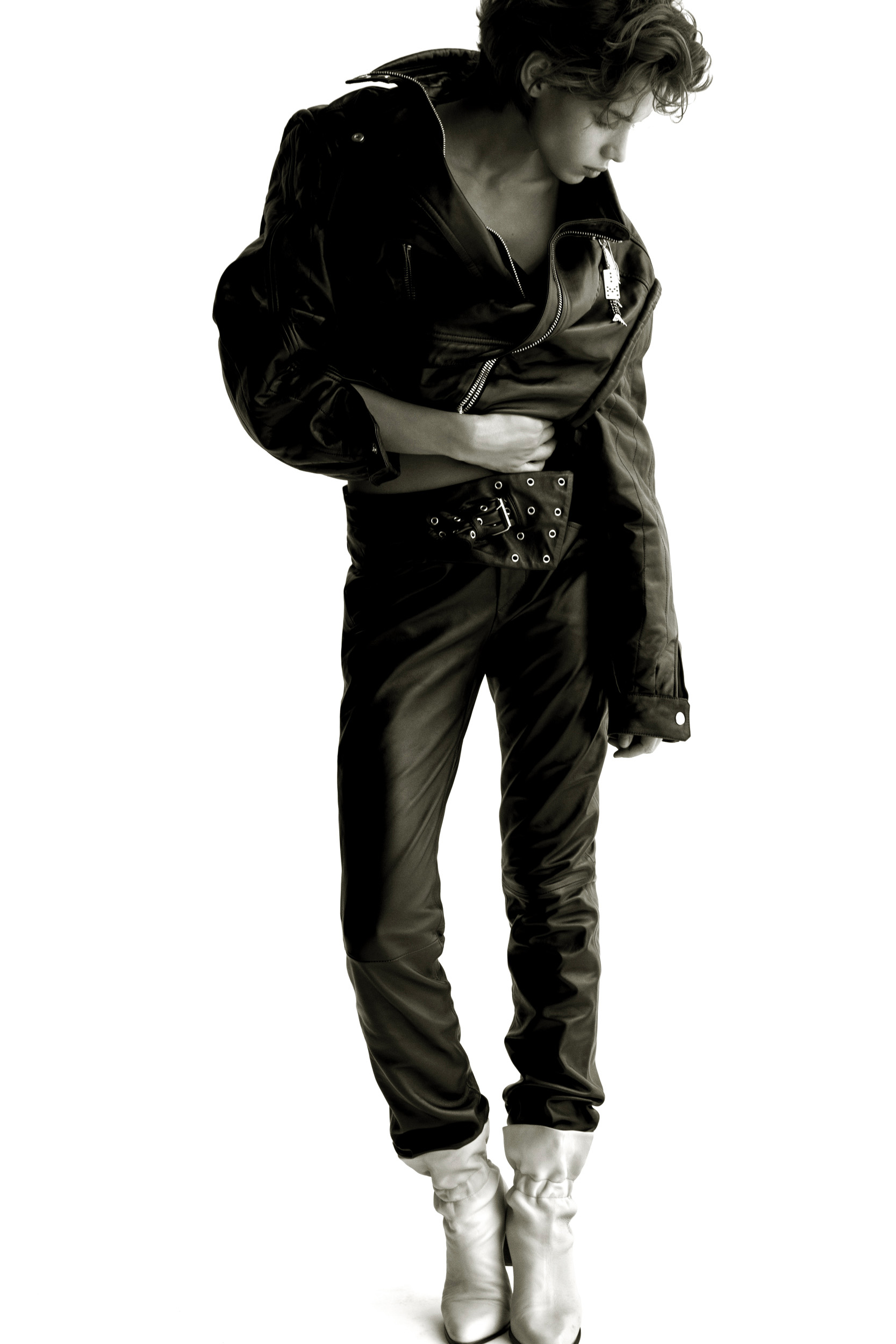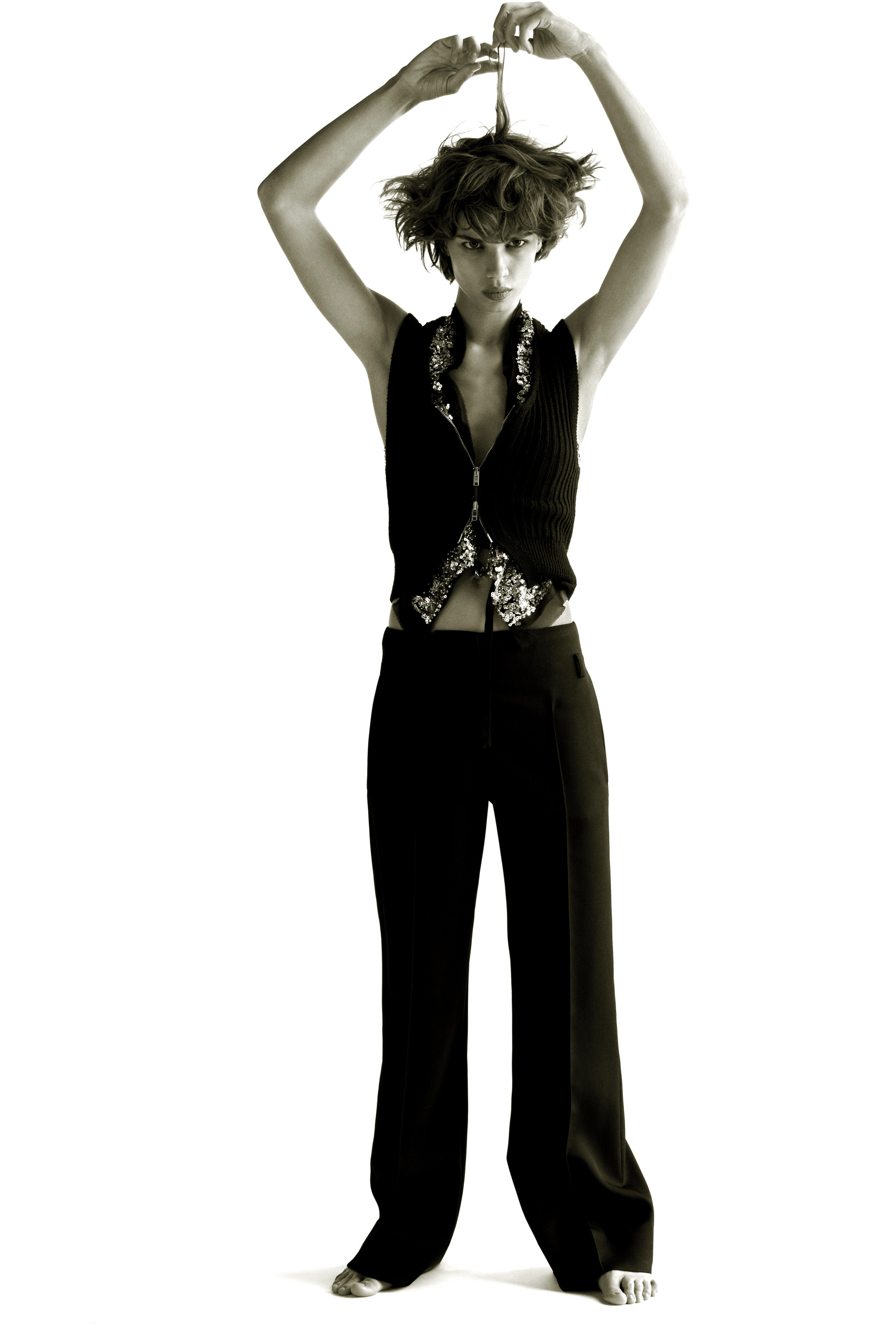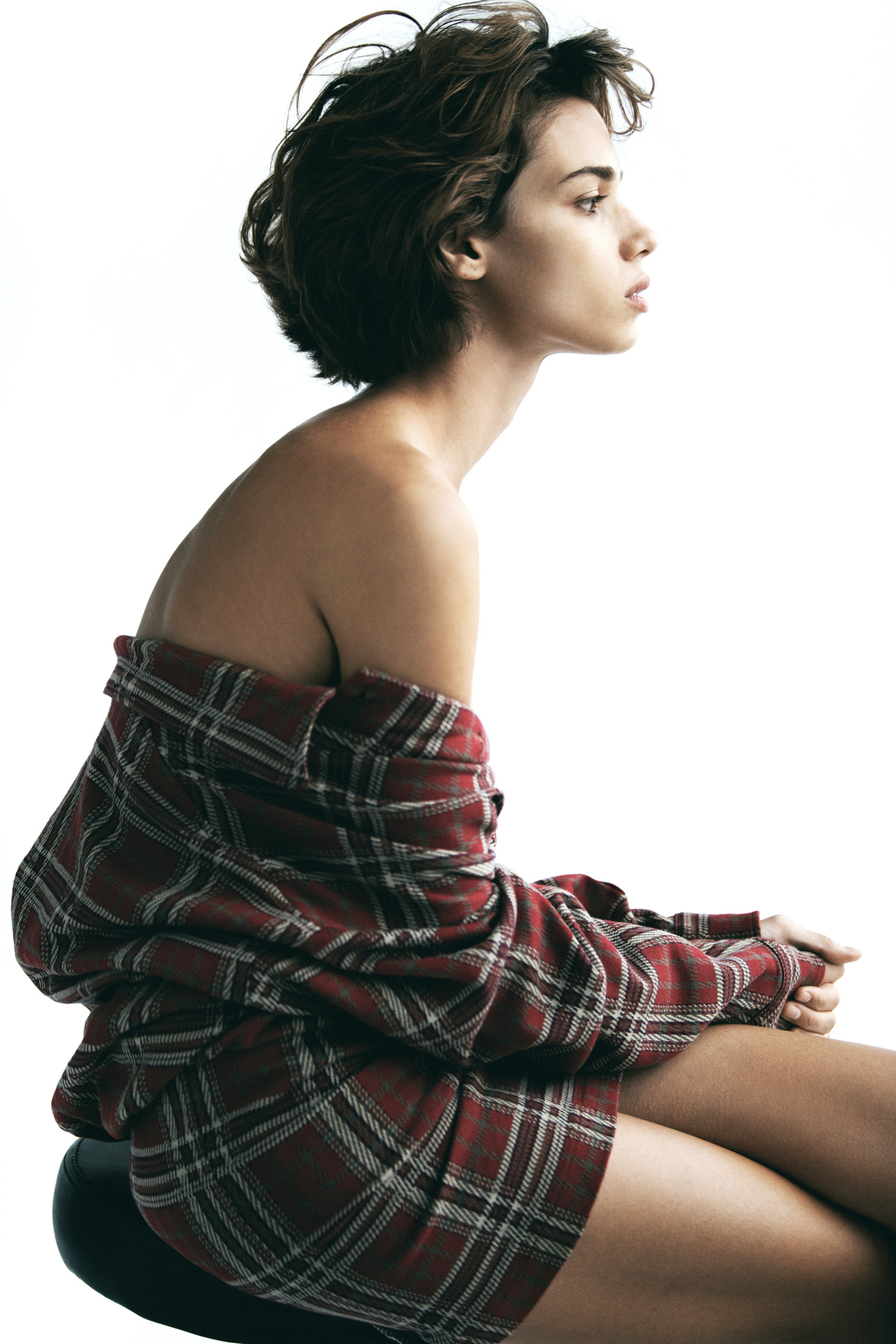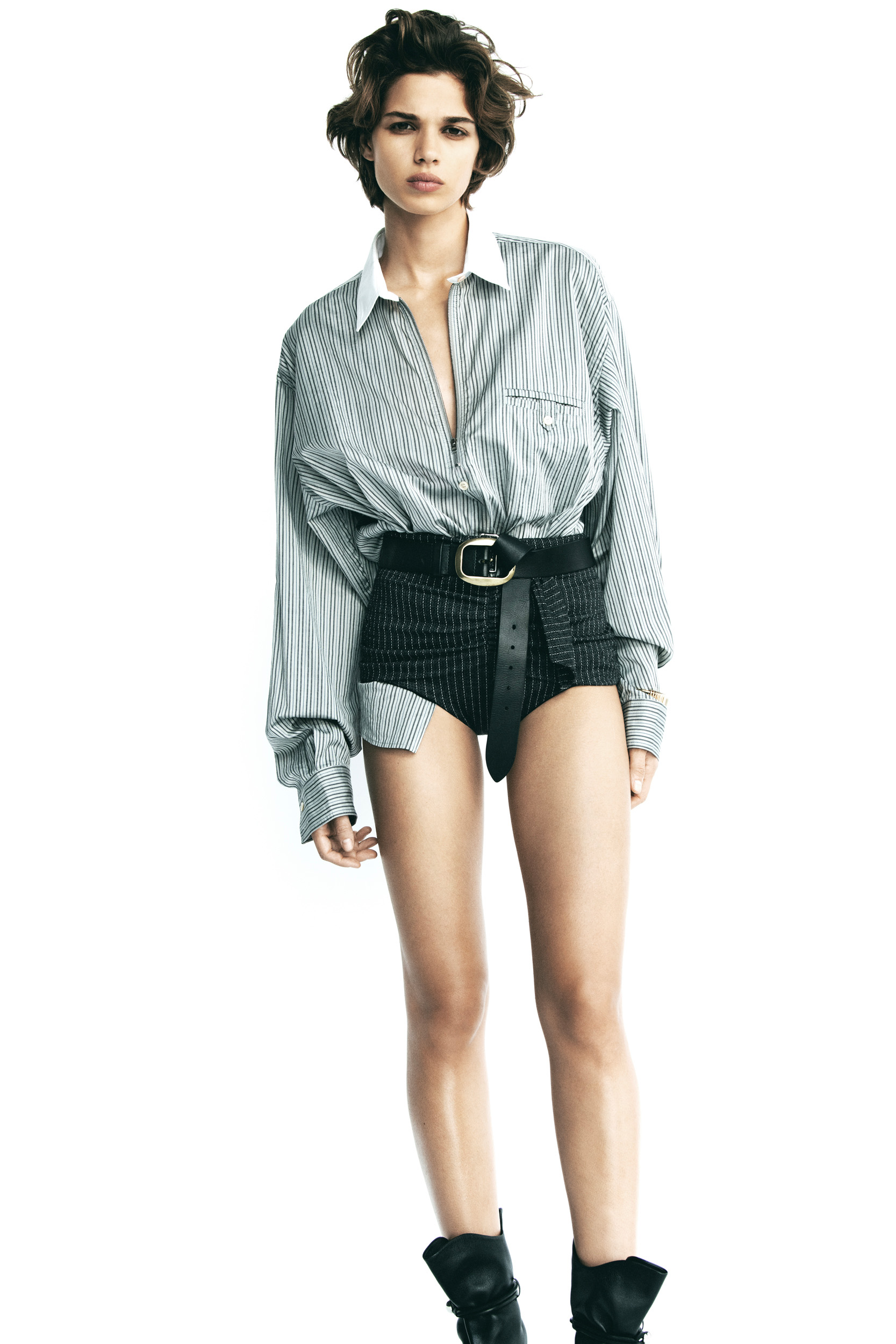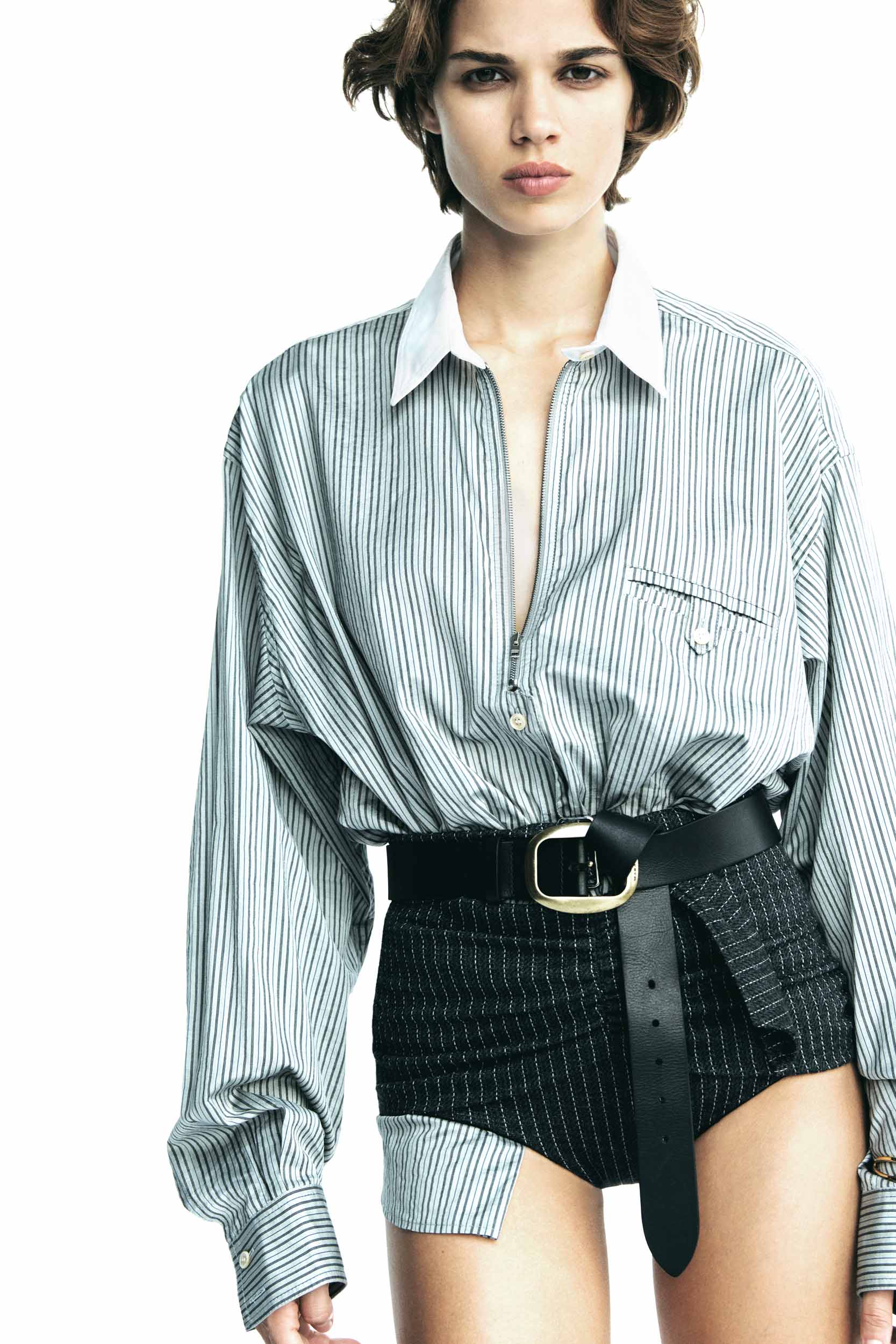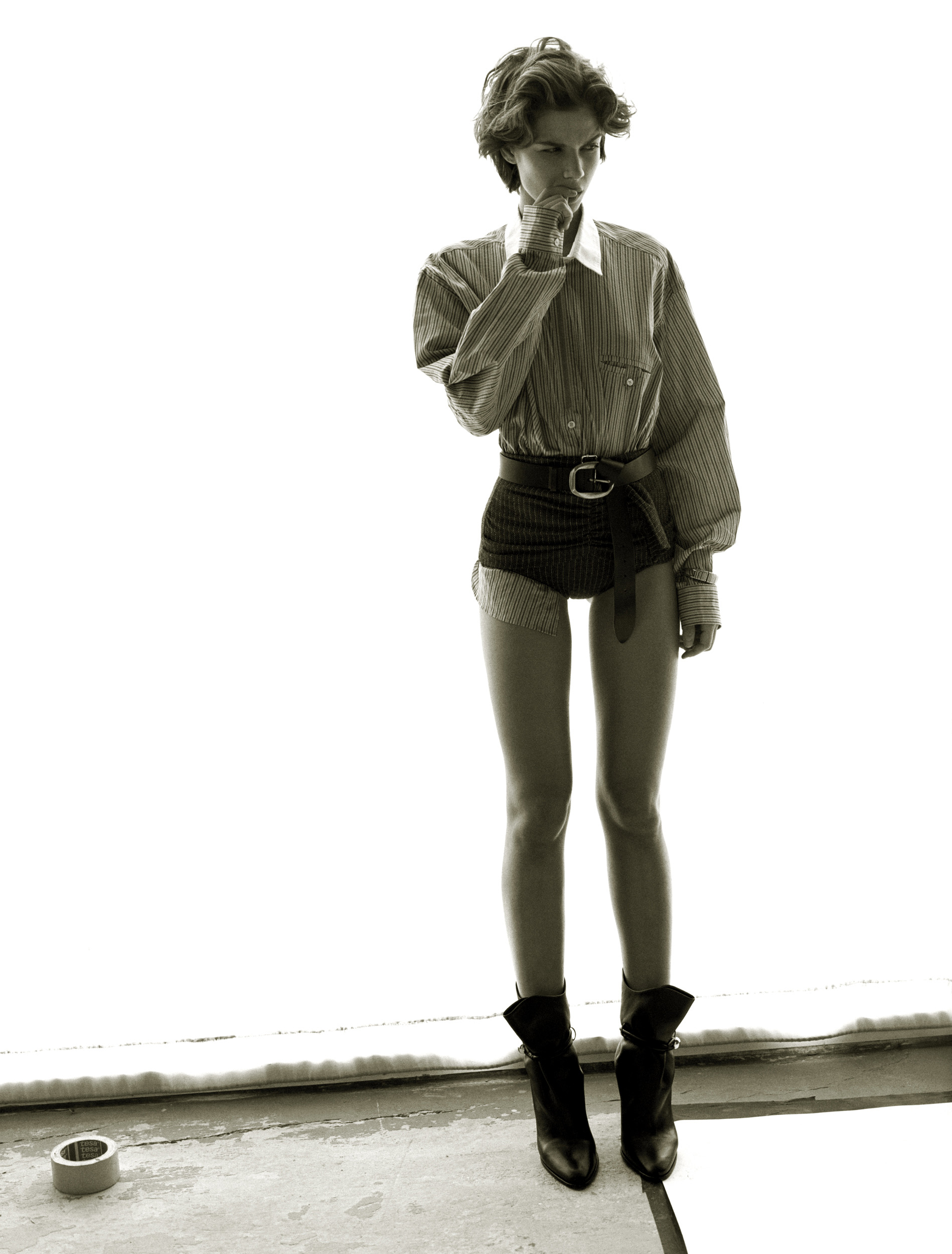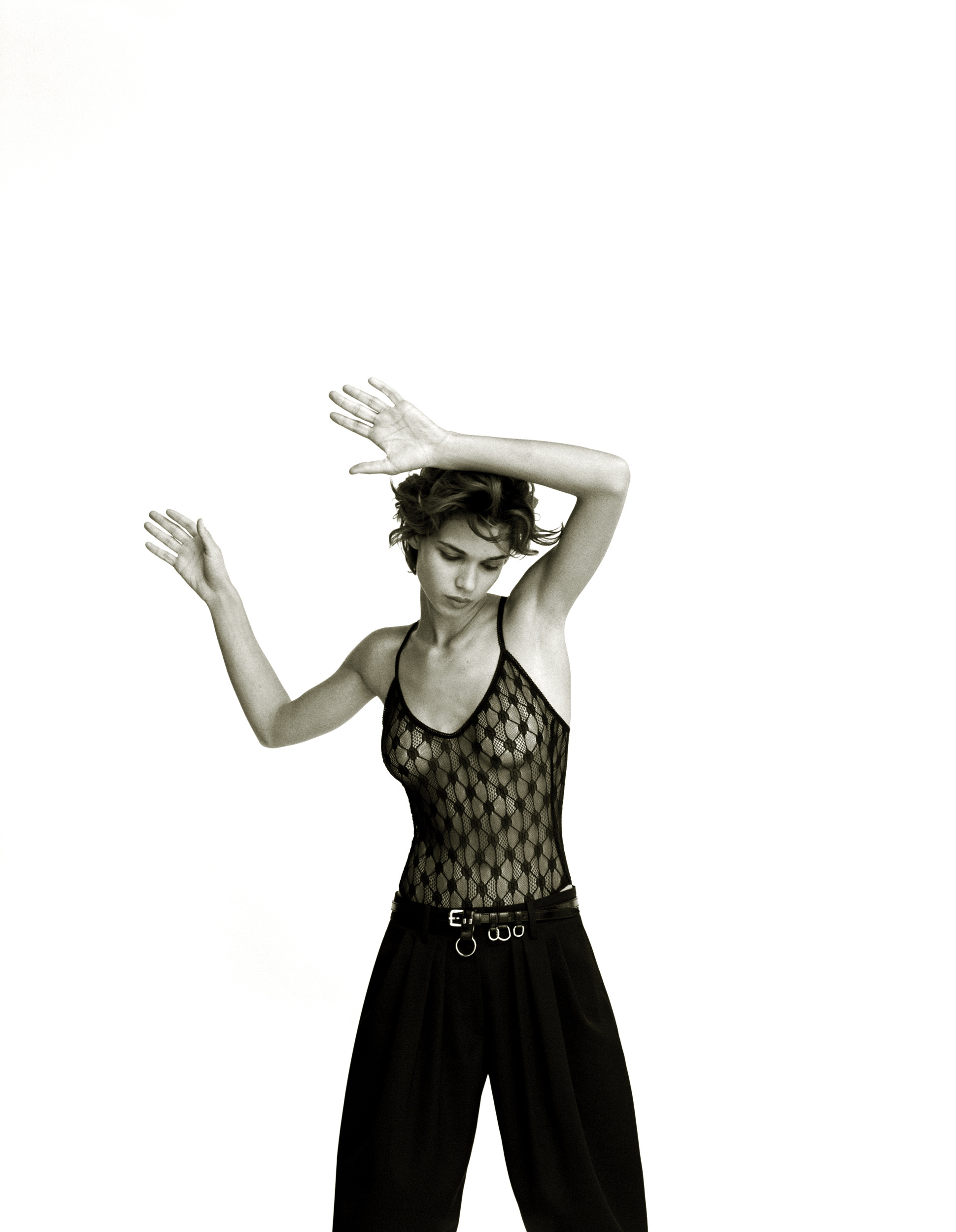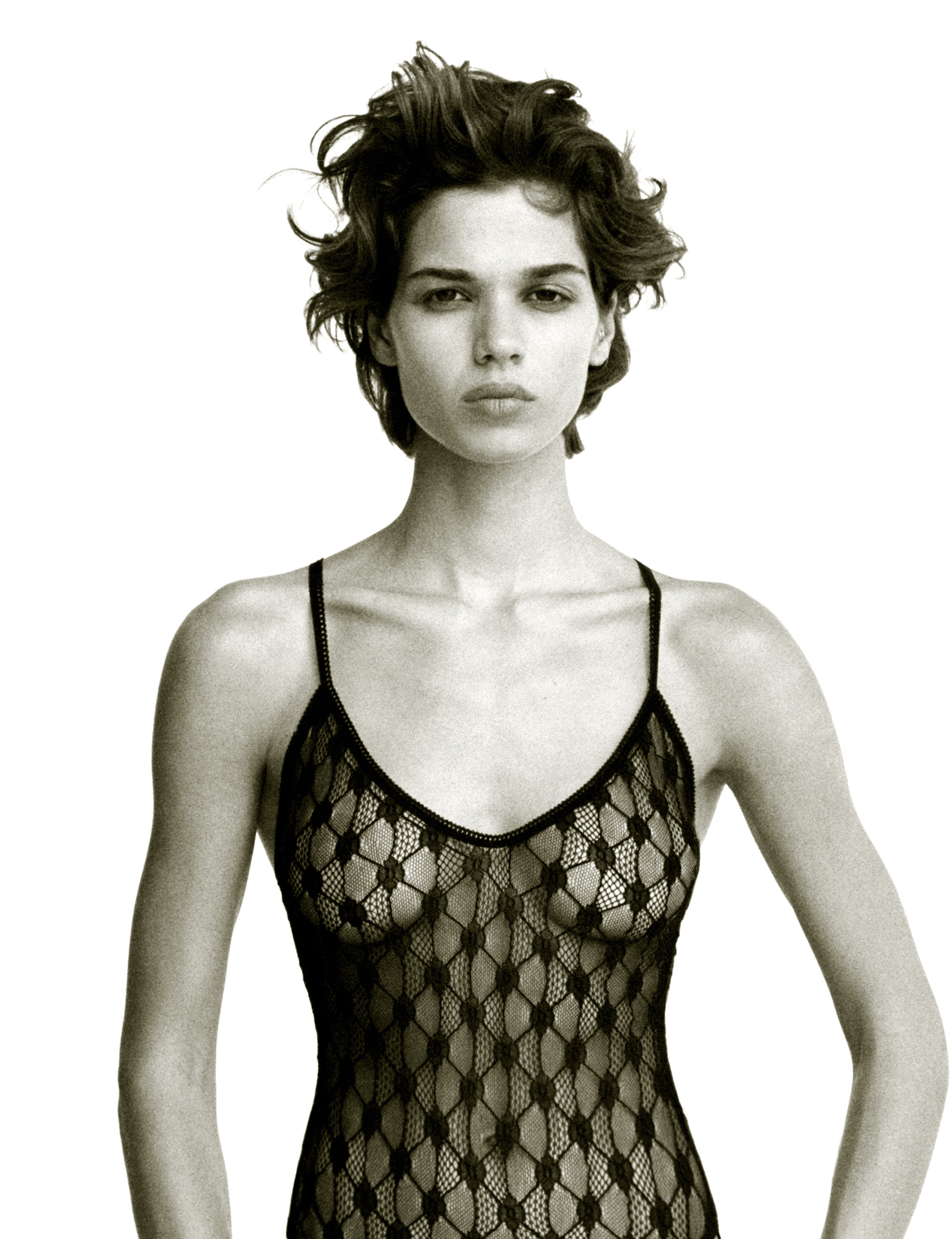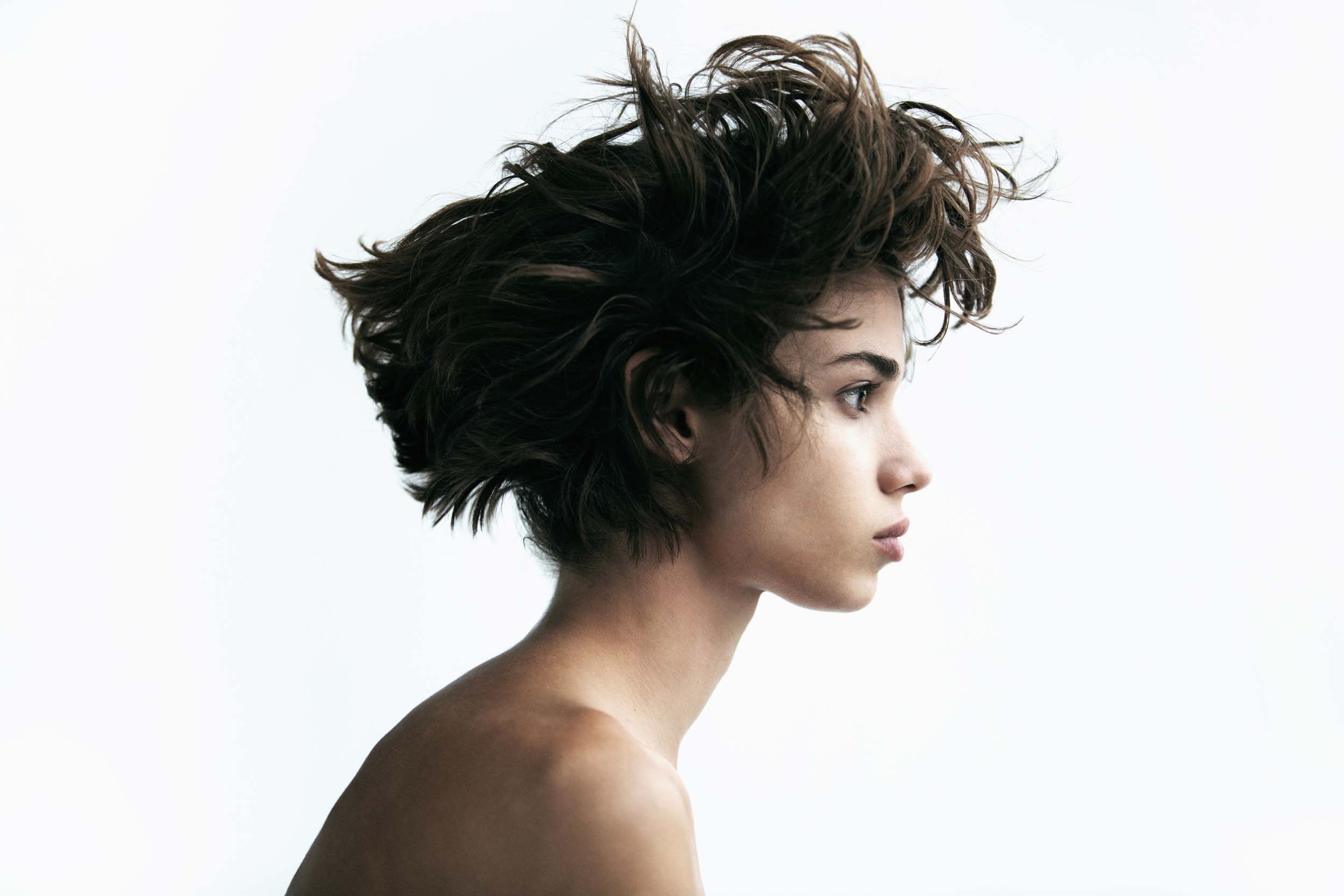
Kim Bekker and Isabel Marant are long-term confidants who, for many years, have led a collaborative team exemplifying the Parisian cool-girl aesthetic—slim silhouettes, flowing layers, and a punk-inflected edge. Aside from Bekker’s stint at Saint Laurent between 2018 and 2021, the pair have worked side by side since 2008. Going up against the ego-driven clichés of high-level creative work, they have maintained a trustful partnership—one that Bekker credits as the foundation for Marant’s decision to elevate her to the lead creative role.
Under the creative direction of Bekker—the Dutch designer who stepped into the lead creative role for the first time after almost two decades at the brand—Isabel Marant’s Fall/Winter 2025 collection was rocky, romantic, and characteristically easygoing. Gender roles were blurred, with intricate details and key silhouettes borrowed from, and switched between, men’s and womenswear. Fuelled by the potent, rebellious self-expression of iconic female artists such as Joan Jett, Siouxsie and the Banshees, and Stevie Nicks, the runway was soundtracked by the voices of powerful women, with Grace Jones’ deep tones opening the show.
Music and sound are crucial elements of Isabel Marant shows, evoking the untamed creativity and energy of women who push creative boundaries. Unveiling the Spring/Summer 2026 collection at Paris Fashion Week in early October, the brand’s latest runway show featured a track by British rapper Little Simz. While designing the collection, Bekker drew inspiration from British female artists and has since spoken about the importance of travel—both literal and internal—as she embarks on her own journey of shaping and evolving a beloved and highly distinctive brand. Here, she further reflects on the unique perspective of a female-run fashion house, finding ways to connect with a new generation, and the importance of playfulness—both at Isabel Marant and in her own life.
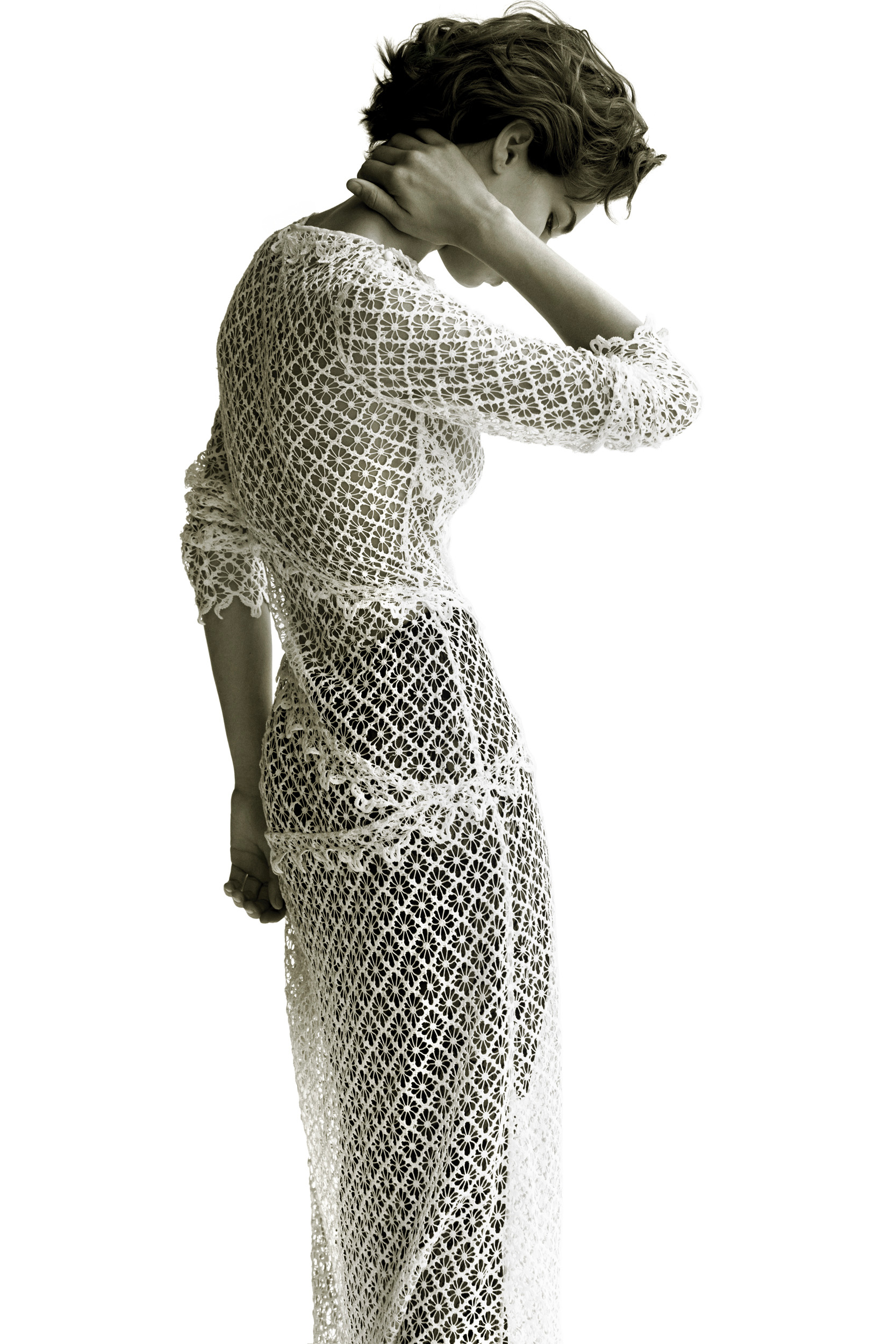

It’s the spirit of freedom and self-expression. What I really love about what Isabel created, [and] which is still there, is this strength and ease. The strength comes from the silhouette and the strong shoulders, but at the same time it has to be comfortable. For me, the core of the brand really is about the freedom of how you wear the garment, how you mix it up, and how it makes you feel comfortable—[both] emotionally and physically.
The company has been growing so much, and it has become more global. We’re addressing ourselves to a much wider audience of women, and now also men. Although we want to stay true to what the brand is, we are looking to other parts of the world—how people are dressing and what is important [to] them. I use my intuition a lot. It’s an emotional gesture: what I [am feeling] around me, how people around me [are dressing], music videos, different artists and the colours they [are using].
For me, the playfulness is in the fact that things are not refined. You cannot control everything; it can’t be perfect. I think the imperfections in clothes mirror how I see the world. You cannot control the world, and that’s where the beauty comes in. It’s how I live and how I create.

I am a very loyal person. I love what I do, and I love to work with people. I don’t really have an ego, and I don’t think Isabel does either. What works between us is very much [our] communication. When I started working with her, I didn’t speak much French, so I learned to communicate with her in a very particular way. I understand her through her body language, that’s how we open up our conversations.
She is so generous in stepping [back] from the [creative role], and I know that I’m not doing this alone. I am guiding the team and creating space for them to express themselves. They nourish me, and I nourish them. It’s a matter of understanding the talent you are working with and knowing how to get the best out of them, and to also show them that they are worthy of their talent…
To be a woman in this business, there are a lot of positives and negatives. What I love about men creating for women, is that they create a fantasy. It makes us dream, which is really nice. What I love about creating as a woman, is that I can [create] a dream but I can also [create] a reality. I know what it is to wear [something], and I know how it will make me feel. In the end, clothes are meant to bring joy—[whether] the silhouette or the attitude it brings.
I really admire Alaïa for his sharpness, I love Saint Laurent—I like polished things for other people, but I think what is important for me, for this brand, is that the clothes should feel a bit lived in. That might be the wash of the fabric, the cut. It’s like picking up a beloved, old piece, but it’s new.

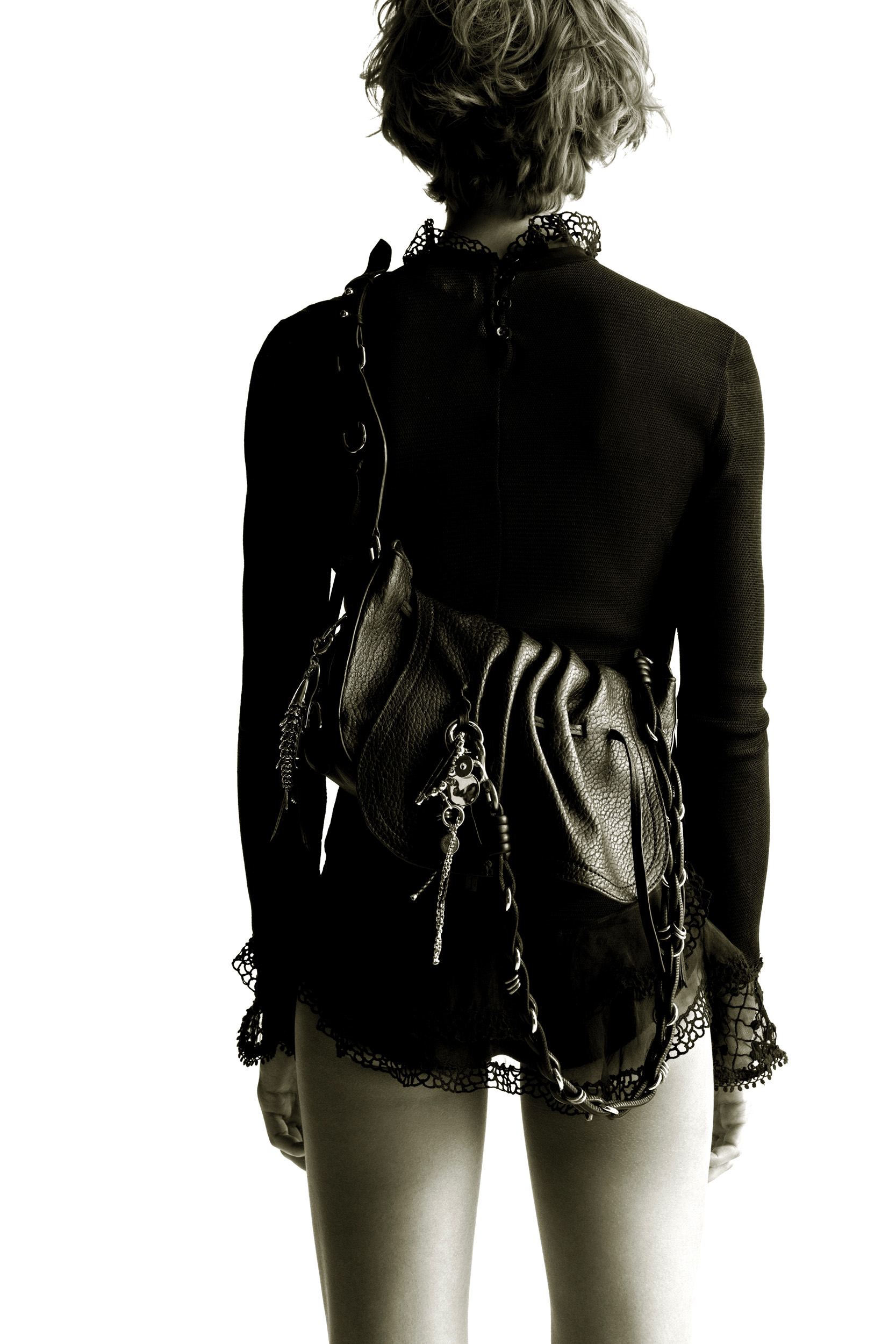
When I started to do this collection—which was my first solo one—I felt like it needed to have this female empowerment. It’s also part of a personal journey; I’m quite tomboyish, but I feel like it’s now okay to express my feminine side. That led me to this New Wave vibe: Joan Jett, Siouxsie and the Banshees, Stevie Nicks. All those women understood [that] we can do whatever we want. We opened the show with the voice of Grace Jones singing really low. In the collection, there were a lot of strong shoulders, snatched waists, and high heels. There were also masculine details from tailoring, from utility wear. I’ve recently been listening to a lot of British female artists. I really love Little Simz.
I don’t think we should follow these separate [categories], we should just do what feels right. For one of the looks in the menswear collection, I [used] a similar jacket to the women’s, with the same shoulders and snatched waist. If I can be boyish, a man can be feminine too. When we’re creating, there are a lot of unisex pieces, which is why Isabel launched the menswear collection. I get feedback from male friends and colleagues too. As a woman now creating for a man, it is also crucial to understand what is important [to] them.
It has been a journey. I have been in this company for a long time, and now I’m more out in the open by myself, I have to find myself. I am trying to create a new [framework] with the team [for] how the brand can grow in the future [in a way] that feels relevant. There are so many good aspects; the younger generation is thriving on 2010s aesthetics, and it’s nice to see. It’s not about reinventing the brand, but keeping it going, understanding how to present it on different social medias. The fashion scene demands a lot, but at the same time, the world doesn’t need all this stuff. I think we need to be a bit stricter in our choices and [focus on giving only] the best.