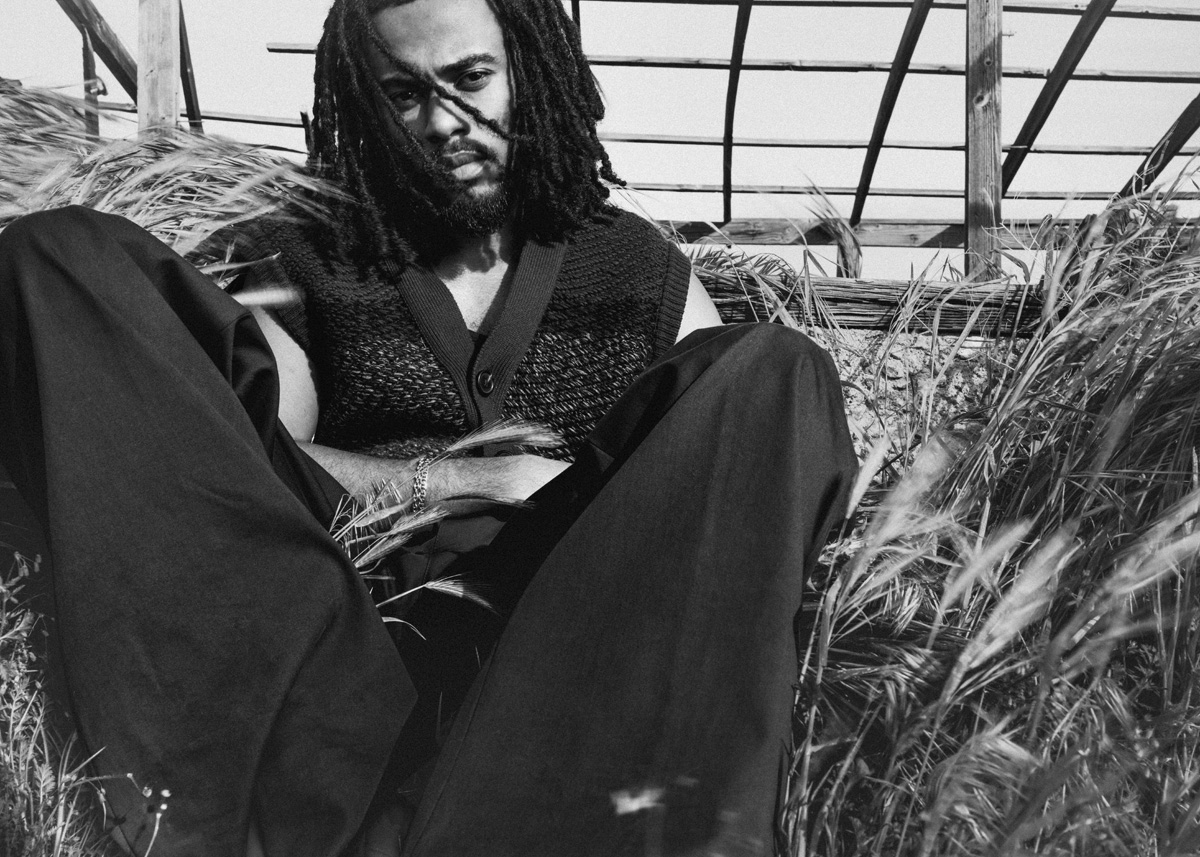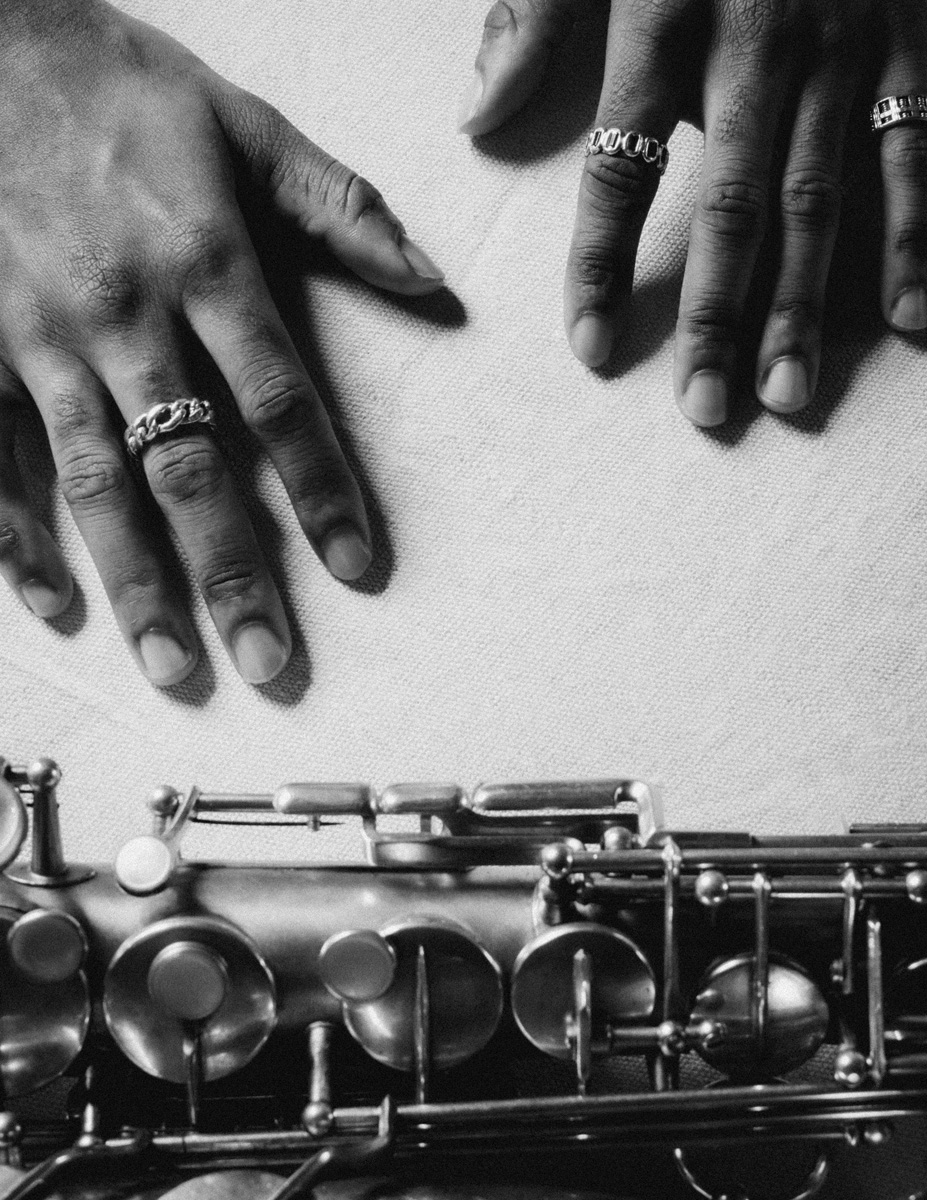
South London-born saxophonist and music producer Venna first erupted onto London’s music scene seven years ago, with an emotional soar on Knucks’ reflective track, Home (2019). The highlight of a song already full of highlights, the praise came rushing in: some listeners called for Venna’s performance to receive an award, while others simply acknowledged the name he was already making for himself.
Within two years, Venna—born Malik Venner—had achieved both: first, a Grammy award in 2020 for his contributions to Afrobeats star Burna Boy’s Twice As Tall album, then a name for himself with the warmly welcomed release of his debut EP, VENOLOGY, in 2021. As Venna tells it though—here and in other interviews—the latter was and continues to be the goal. “The fact that people spend their money and come from far and wide to come see a show? That’s more than any accolade.” When one considers his trajectory from sleeping on the floor of the studio after shifts at his long-retired day job to touring the world performing for crowds of thousands of people, it’s clear why that sentiment exists.
Over the course of the last five years since VENOLOGY was released, Venna has built a sturdy reputation for himself as one of London’s greatest exports, bringing jazz firmly into the twenty-first-century pop landscape. In 2023, he followed up with his second EP, EQUINOX, featuring contributions from Mick Jenkins, Masego, and his modern jazz contemporary Yussef Dayes, and last year, in 2025, he released his debut album, the self-titled MALIK, under Dayes’ label, Cashmere Thoughts.
Bearing all of his loves and influences, from travelling to the yellow, red, and green scarf which veils his head on the cover, MALIK is a record of passion as well as assertion, which Venna proclaims as a show of “another side of [his] musicianship that we all haven’t seen.” It’s rare to see someone so young declare themselves so boldly, yet this assurance continues to blaze through when we speak, burning across his speech so instinctively and unaffected that it paints a vivid picture of an artist with unwavering pride, plenty of self awareness, but little bravado. He is earnest and open—a trait he shares with many of the album’s features who come out the gate reflective and with hearts on sleeves, uttering about lessons learned, shame, and twisting fate. Though he makes sure to clarify: “I have a lot to say to you right now, but I’m kind of a shy individual. I definitely know what I want to say, it’s just whether I want to say it.” Here, he does just that: whether conversing about the beauty of jazz, giving thanks to his mother, or living in the spirit of our ancestors.
First and foremost, shout out to TJ Sawyerr and Elliot Hensford. We actually went to Egypt to take press shots, but those guys are serious and were trying to get the artwork anyway. We were in a race against time with that shot. Elliot had that spot in mind, but didn’t know where it was on the map so we drove around looking for it for hours. By the time we found it, the sun was going down, the clouds were coming in, and our driver needed to go home to his family to break his Ramadan fast. I’m a man who loves landscapes, beautiful imagery, the world, and nature in general, so I was definitely admiring it all; but I’ll be honest, there was too much going through my mind at that moment that I haven’t got a profound answer for you. Also, because it wasn’t meant to be the album artwork, it didn’t really feel monumental at the time. None of us realised that the water looked like the continent of Africa until we saw the picture.
That’s a bad boy shot! It changed the whole narrative of the album. Before that, the album wasn’t called MALIK. It had a whole other name, concept, and world that I had envisioned. But when I saw that artwork, I knew that name didn’t sit with it. It threw a spanner in the works. To me, it’s a testament to the fact that you can try to plan things, but they will always be how they’re meant to be. That artwork is the physical manifestation of that [idea], of the album itself, and of me: Malik. I never really premeditate things—I just flow with the river and let things come to me.
I’ve been flying for forever. My father is from New York and wasn’t in London when I was born, so at six weeks old my mum took me to New York to meet him. My earliest memories were on planes, travelling, and in airports, so it’s a natural evolution for me to now be travelling on my own life path. I’m annoyed to have to travel so much, but I’m also grateful because this is something that I really wanted, craved, and dreamt about once upon a time. When I’m travelling and on tour, I just focus on that. It allows me to take heed and it gives me perspective. It’s cool to look out and see different terrains, demographics, and ways of living. It makes me realise how privileged I am to get to do this as a job. It’s definitely humbling.
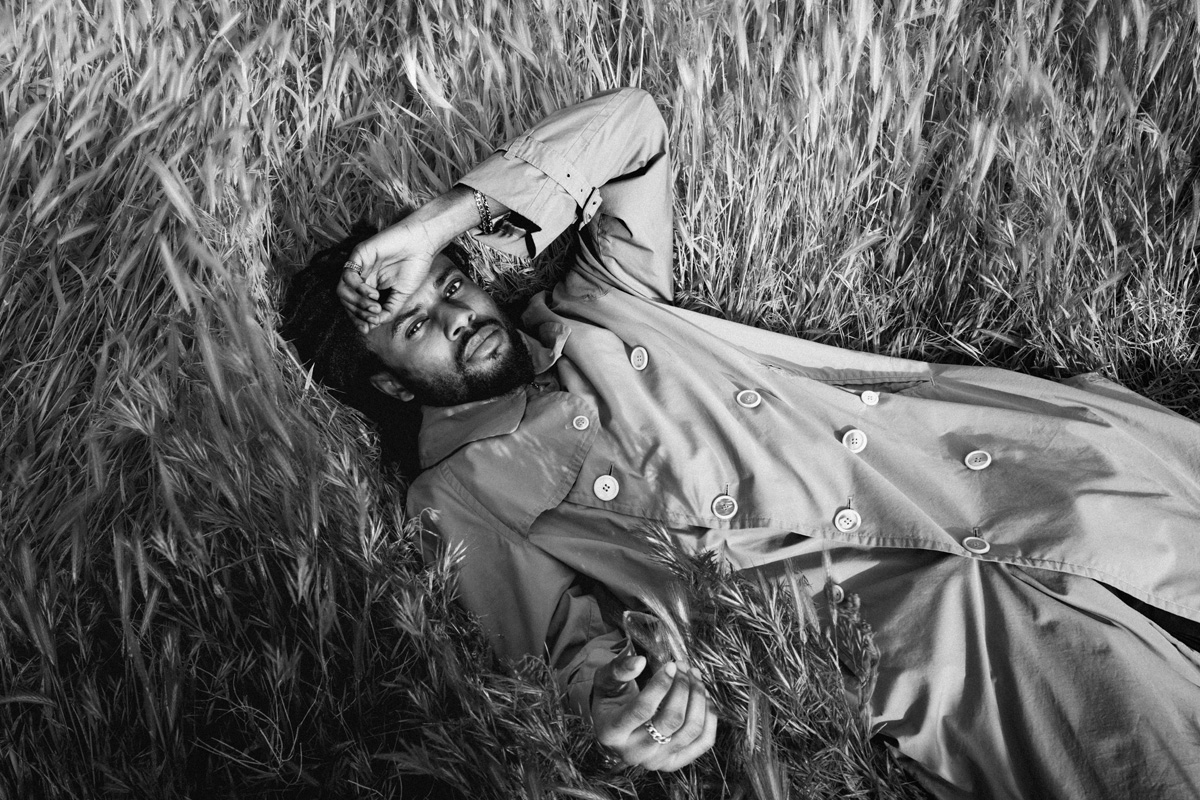
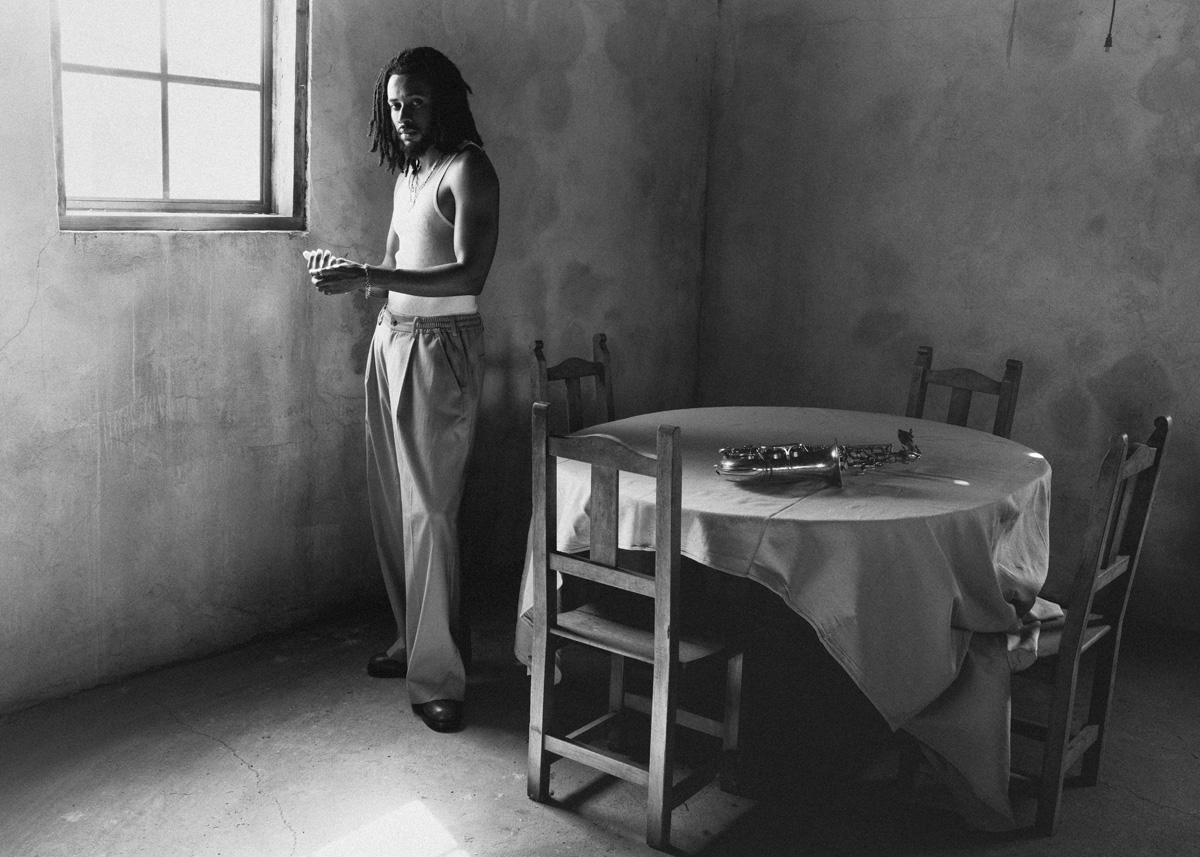
Can I give my top three? I’ll say Ethiopia, Brazil, Japan, and South Africa. In no particular order.
I give thanks, for sure. I definitely thought I’d be a bit further by now, but… [Shrugs].
One… But it’s not even about Grammys and accolades. When I got them, I realised those things don’t really phase me. They’re all facades to caress our egos, and I’m not trying to caress my ego. I get more gratification and satisfaction from someone coming up to me at a show and saying, “This song changed me. It helped me grieve for my father.” I had a realisation on my last tour that, whether there are 300 or 2000 people in the crowd, each and every one of those people have their own memory of that day, and they will live with that for the rest of their lives. And for me, the fact that people spend their money and come from far and wide to come see a show? That’s more than any accolade in the whole wide world. That’s what I want: real life interactions with people feeling this music. I want to trigger emotion.
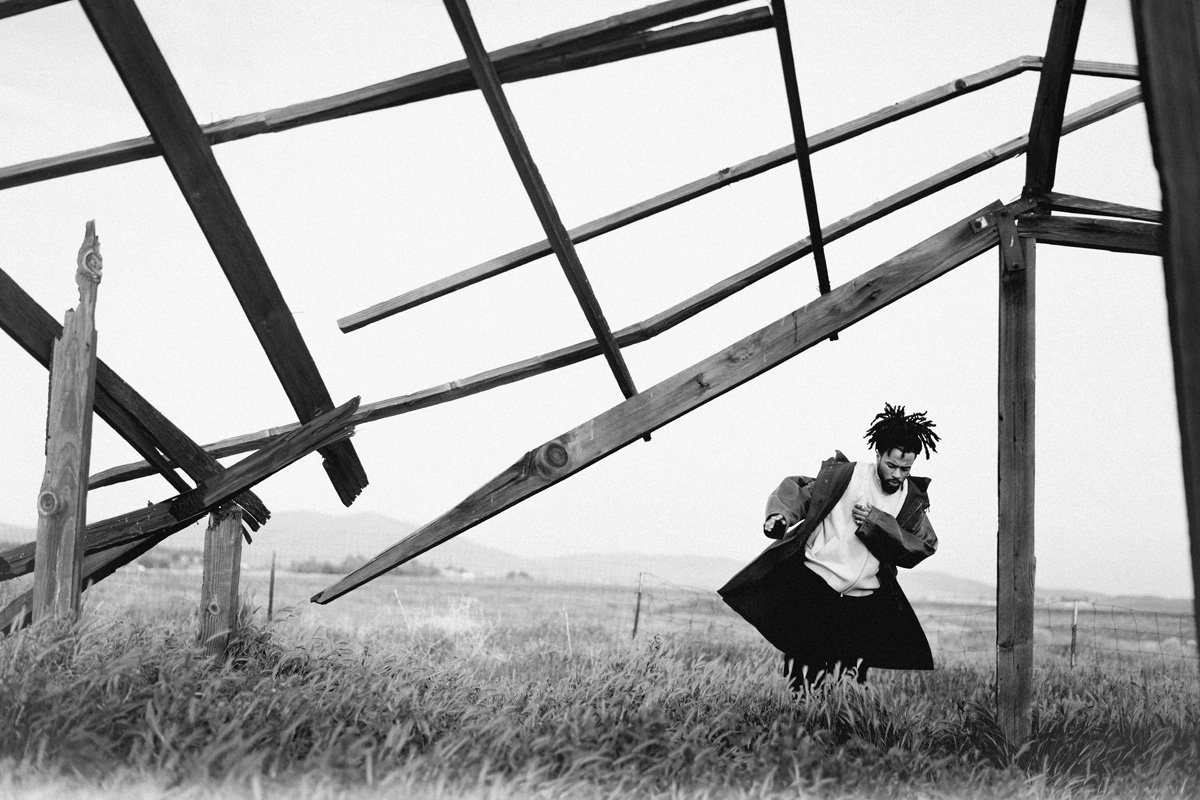
My mum’s a lovely woman, a Jamaican mother. I give thanks for my mother. I’m watching her garden right now. She always had the faith and determination to give me a chance in life. She didn’t want me doing what other boys were doing, and wanted to set me apart. That’s why she put me in piano lessons at four-years-old. I ask her, sometimes, if she thought I’d end up [making music], and she always says no. She just didn’t want me to go through the things that she had to go through. She had to work hard. My mum comes from nothing close to what we’ve seen or been raised around. It was walking home from school and fetching water from the well business. She came [to London] as an immigrant and had to set up shop and start a whole new life. I give thanks for my mum. She gets the credit for all of this, because this wasn’t just me. This is her work. So anything she wants, she gets. [Laughs].
As a pupil, teachers are annoying and they get on to you. But now that I’m a teacher in my own right, I have a better understanding of it. My little cousin runs around with me. I’m not his music teacher, but I’m definitely one of his teachers of life because growing up is hard! Especially in the environments that we grew up around, having someone that we can trust and rely on is crucial. You meet these different people on your way that show you things. And you might not see the significance of it in the moment, but later on in life, you’ll be glad you did that. I wish I took advice and listened a lot more as a kid, but I was a kid and didn’t know better. I’m glad I did the practice and took on enough to be able to get this far, though—and there’s always time to learn. The learning never stops. Life is a big teacher and we learn until the day we die.
Where did I say that?
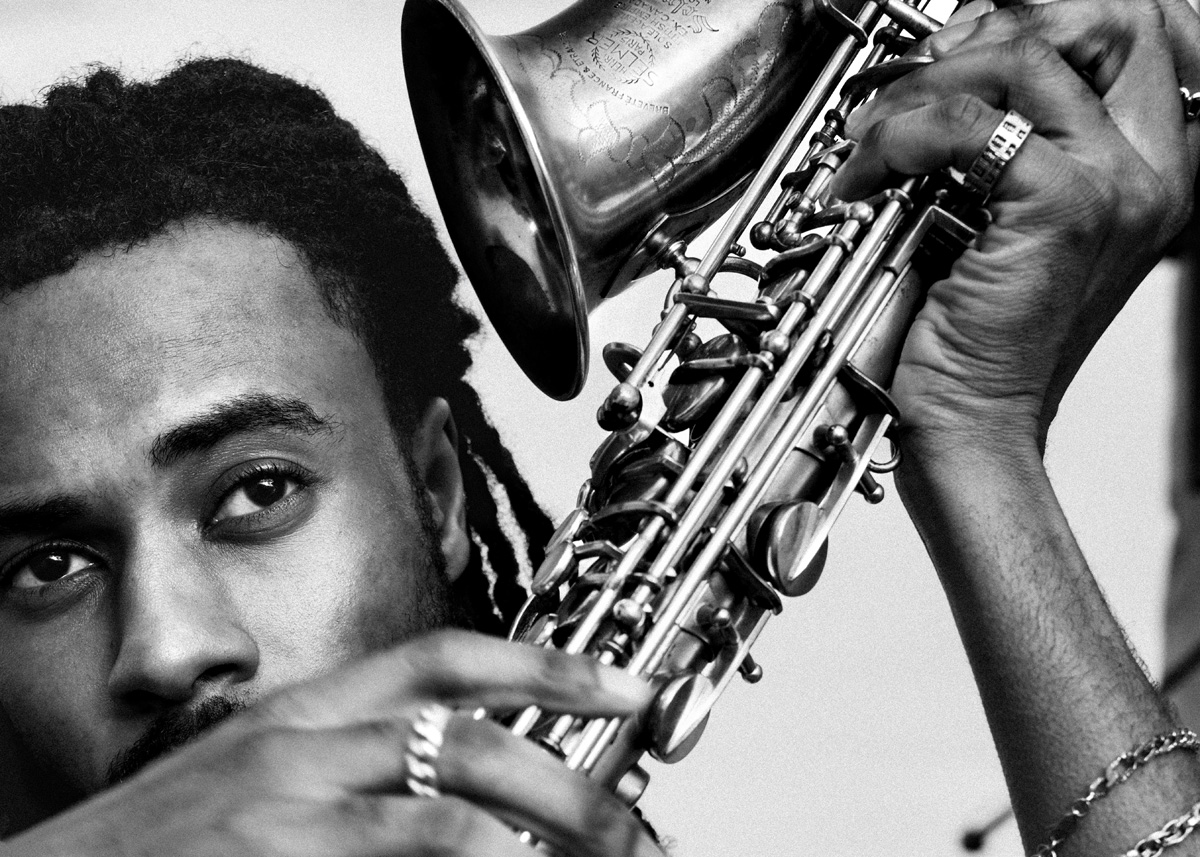
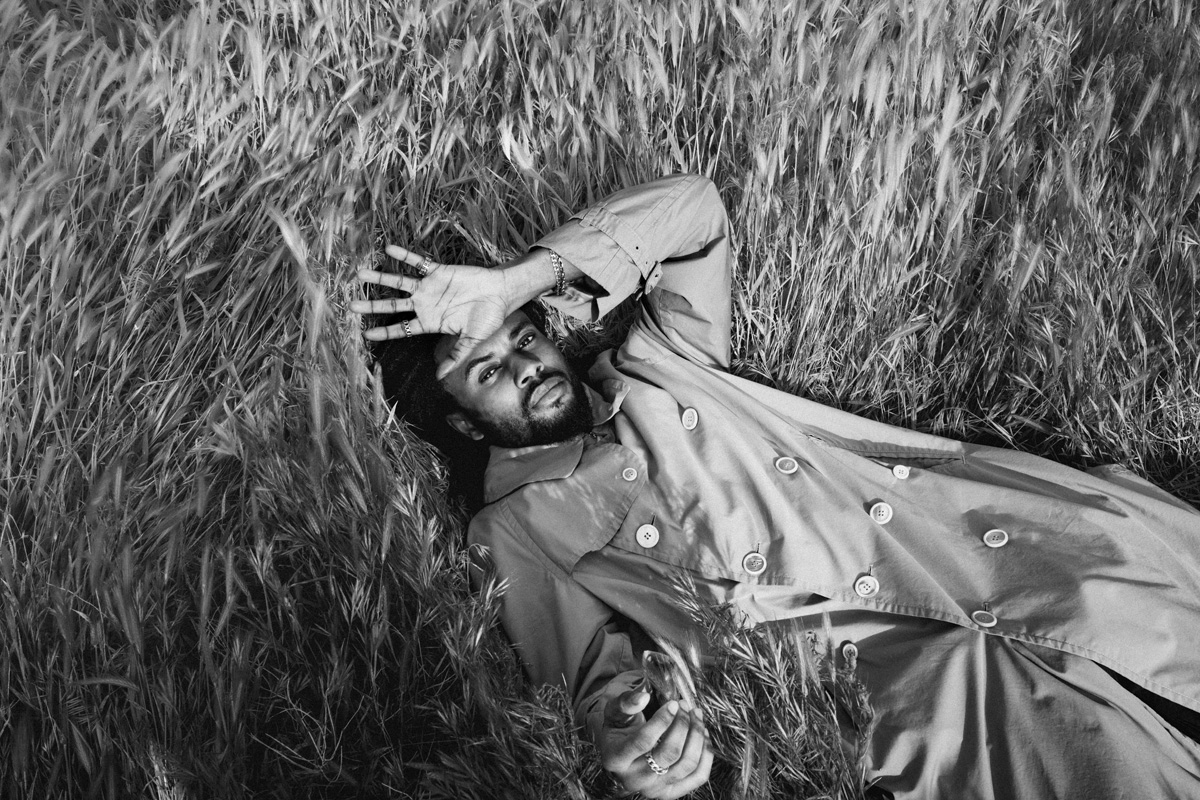
I was feeling myself that day, boy! But I still stand by that. I also feel like that on stage. There, I feel like I’m indestructible. It’s the most endorphin-filled experience ever, especially if you’re not nervous or shy—which I never am. I just say whatever comes to my mind and do whatever I want. I also feel like that in open space and in natural habitats. I’m sure we had some regal ancestors, but I’m [also] sure we had some ancestors that just didn’t give a dash and did whatever they wanted, wherever. When I’m in the bush or in the desert, I don’t give a dash! We were on a hike in [Danakil Desert] in Ethiopia the other day, and it was 40 degrees [Celsius]. Everyone was covered up, but the [locals] weren’t, and if they weren’t covering up, I wasn’t covering up. I was there, bare-chested in the sun! Everyone was looking at me funny. I started racing the Ethiopians. I don’t care. Who can say that they did a race in 40 degree heat with some Ethiopians?
They were fast! And I didn’t have the right shoes on. I had on some big old, hefty Yeezy boots.
That’s not my story.
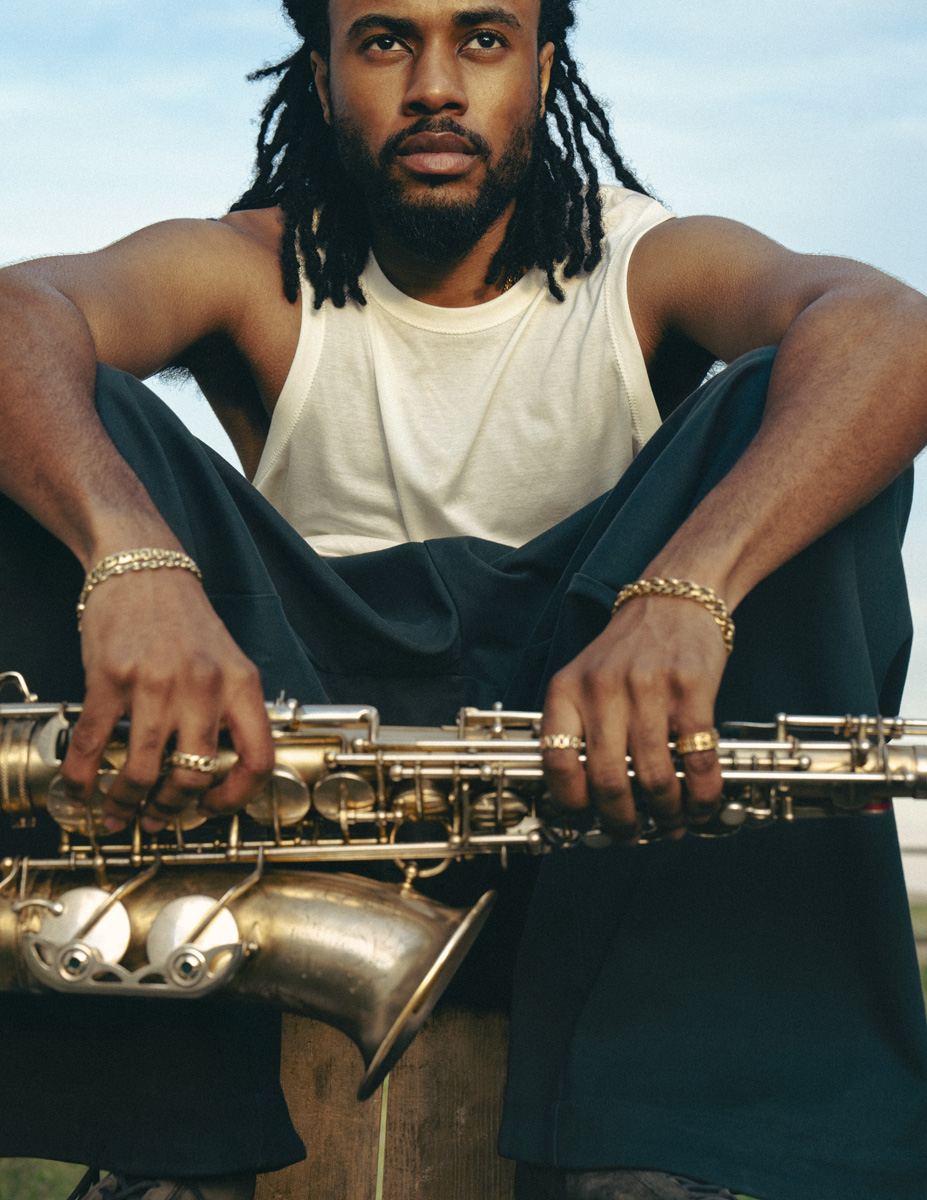
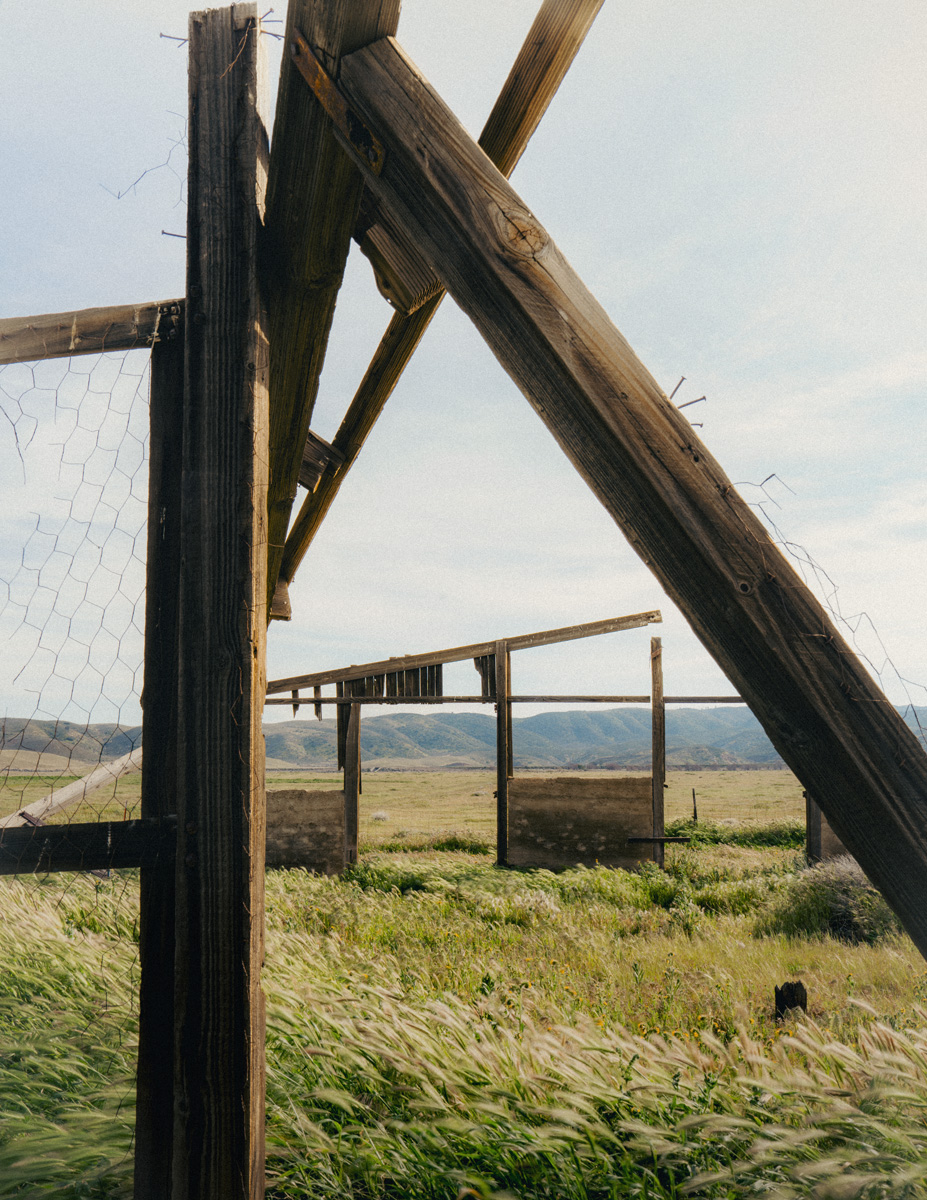
Just before lockdown, one of my bredrins would shoot us on film on an Olympus Mju II, and we felt different. We felt cool. So I bought a film camera too, just to start taking pictures and collecting these memories. I’m so glad I did that, because I now have a whole catalogue of pictures that no one might ever see—like the picture my mum took of me in bed in my boxers when I signed my first publishing deal—but they’re beautiful memories for my world. I think it’s important to capture the moment because it never comes back. One day, I might make a photo book and show all the archives, because people only really see the pictures that were taken of me. No one’s really seen the pictures I’ve taken of others.
And in regards to the image direction, no, I don’t have a creative director. I’m very particular about things, and like being in control of how things look. I don’t like leaving things in other people’s hands, just in case they don’t see things how I see things. So until the day I find someone who sees things how I see things, I’ll continue doing it. And even when I do, I’ll continue doing it.
It’s a blend of all worlds, because I wasn’t surrounded by jazz until I started playing the saxophone. I was raised on R&B and rap—Mariah Carey, Brandy, N-Dubz, Tinie Tempah, Tinchy Stryder, 50 Cent—and I idolised these big figures, like Michael Jackson and Marvin Gaye. We all have moments when we feel uncertain, but I’ve always believed that I could do something bigger than me, so how I position myself is how I see myself. It’s not based on Miles, Coltrane, or anyone. It’s just about being fierce and bold. But someone that gave me a lot of confidence to be able to do it is Terrace Martin. Seeing a man like that holding a saxophone, while smoking weed and producing for Kendrick [Lamar], made me realise that I didn’t have to be in a white shirt and bow tie, or playing background for others—although there’s nothing wrong with that: jazz is full of rock stars whose names people will never know, but who will live forever. I’ve played for a fair amount of artists in my lifetime, and enjoyed it. But if I was still doing that, I would feel so unsatisfied. And I want to feel great about myself, because I know that I have a bigger purpose than making someone else’s dreams come true. So even with my band, I want them to call me one day and say, “V, I want to make my own album and part ways from this.” That’s what the evolution and beauty of jazz is: Miles found Coltrane. I’m here to uplift the next generation of legends like my guitarist, this cat called Jacob McGibbon, who dropped out of university to come tour with me.
I’m also grateful for my manager, [Thelonious Oliver], because he understood the vision when I was 18, saying this could be bigger than me with nothing to show for it. I was just a young kid who was hungry to push and do better, and start something. Before I got here, I thought I could just make beats and instrumentals, and get on the playlists. But as time evolved, my realisation of my worth and what I could bring to the table grew, and that allowed me to learn that I can help others too.