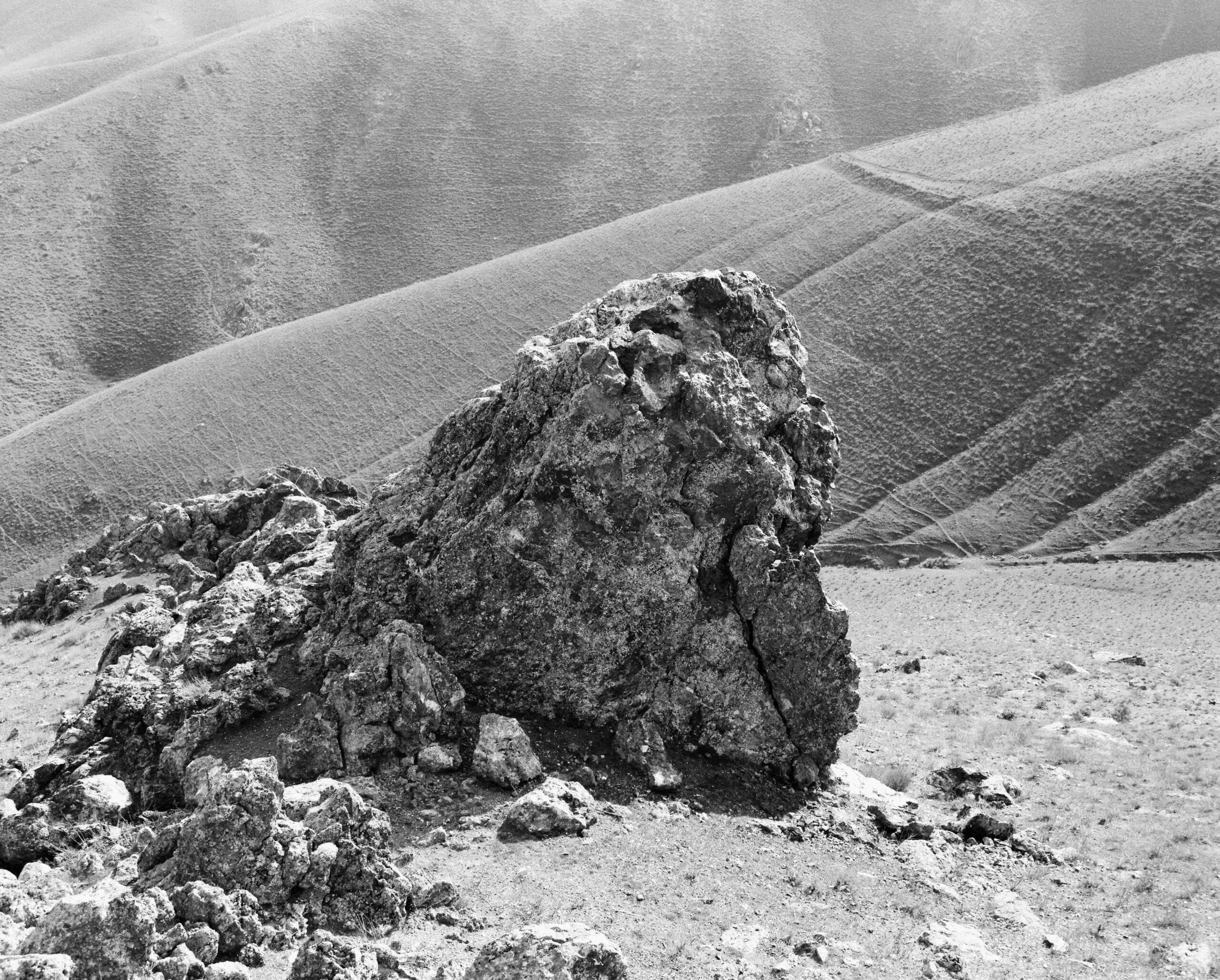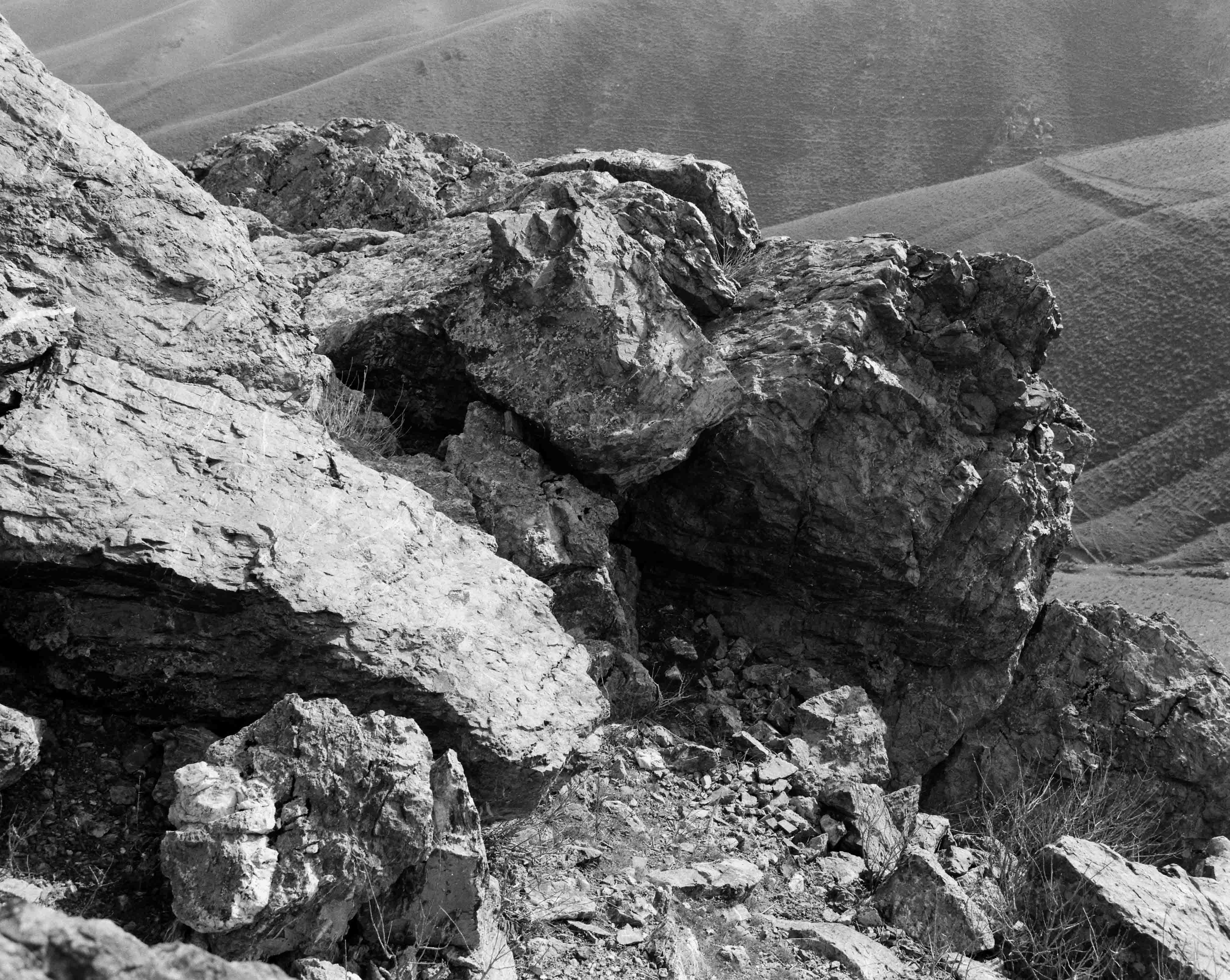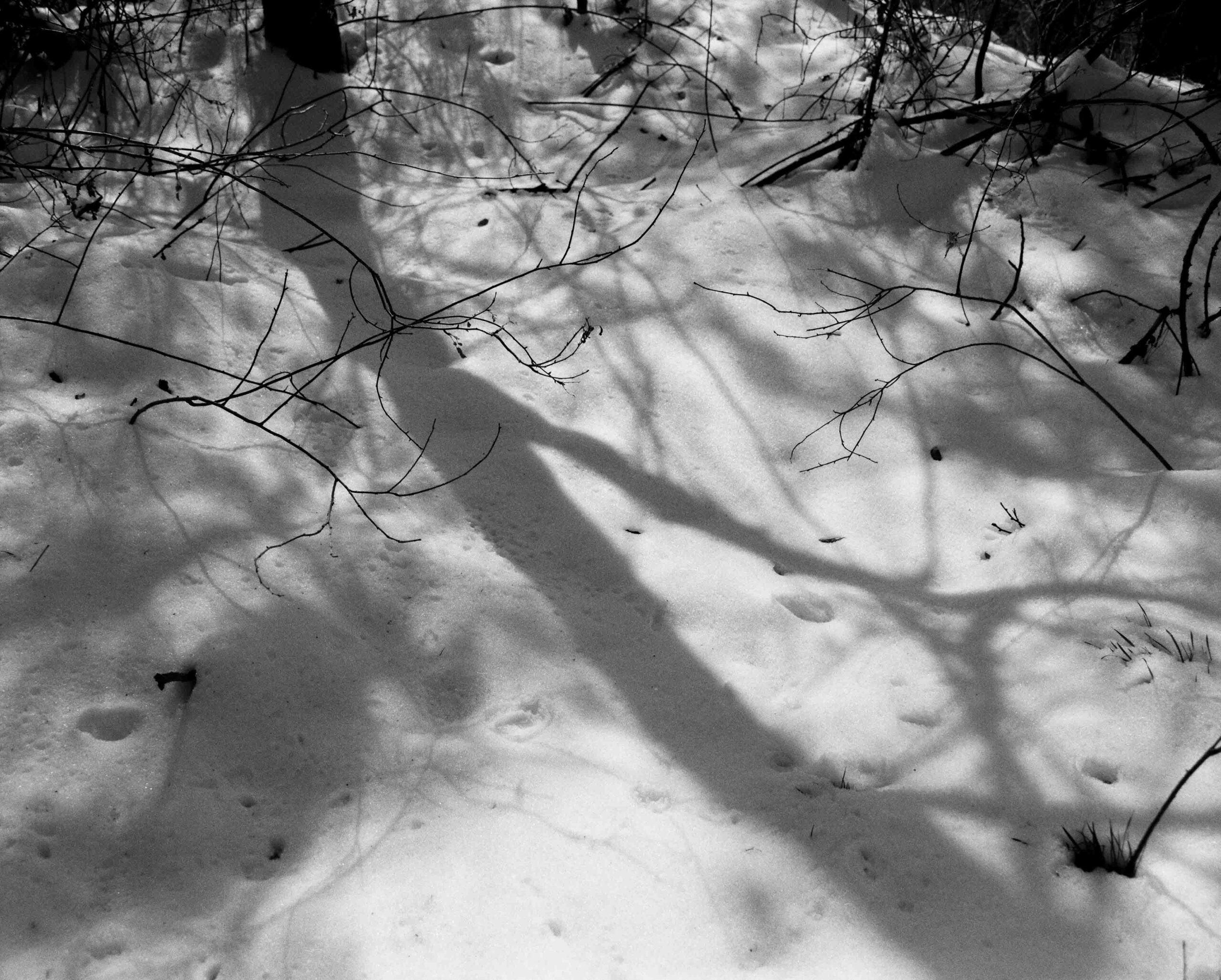
For most of history, the region now called Uzbekistan was known as Transoxiana. The land beyond the Oxus river, it once traversed the eastern edge of the Persian world, the western edge of the Turkic steppe, the northern limit of the Indian cultural sphere, and the southern boundary of the Siberian forest zone. A country defined, before it was ever a country, by that which surrounded it.
Humans have been leaving their mark on this land for 70,000 years. In the Karatau mountain range, on the southern spur of the Tian Shan mountains, lies Sarmishsay[1]—a gorge that, on slopes bright with tulips and wild poppies, holds some 10,000 rock carvings spread across more than 200 historical periods. The scholars call them “petroglyphs.”
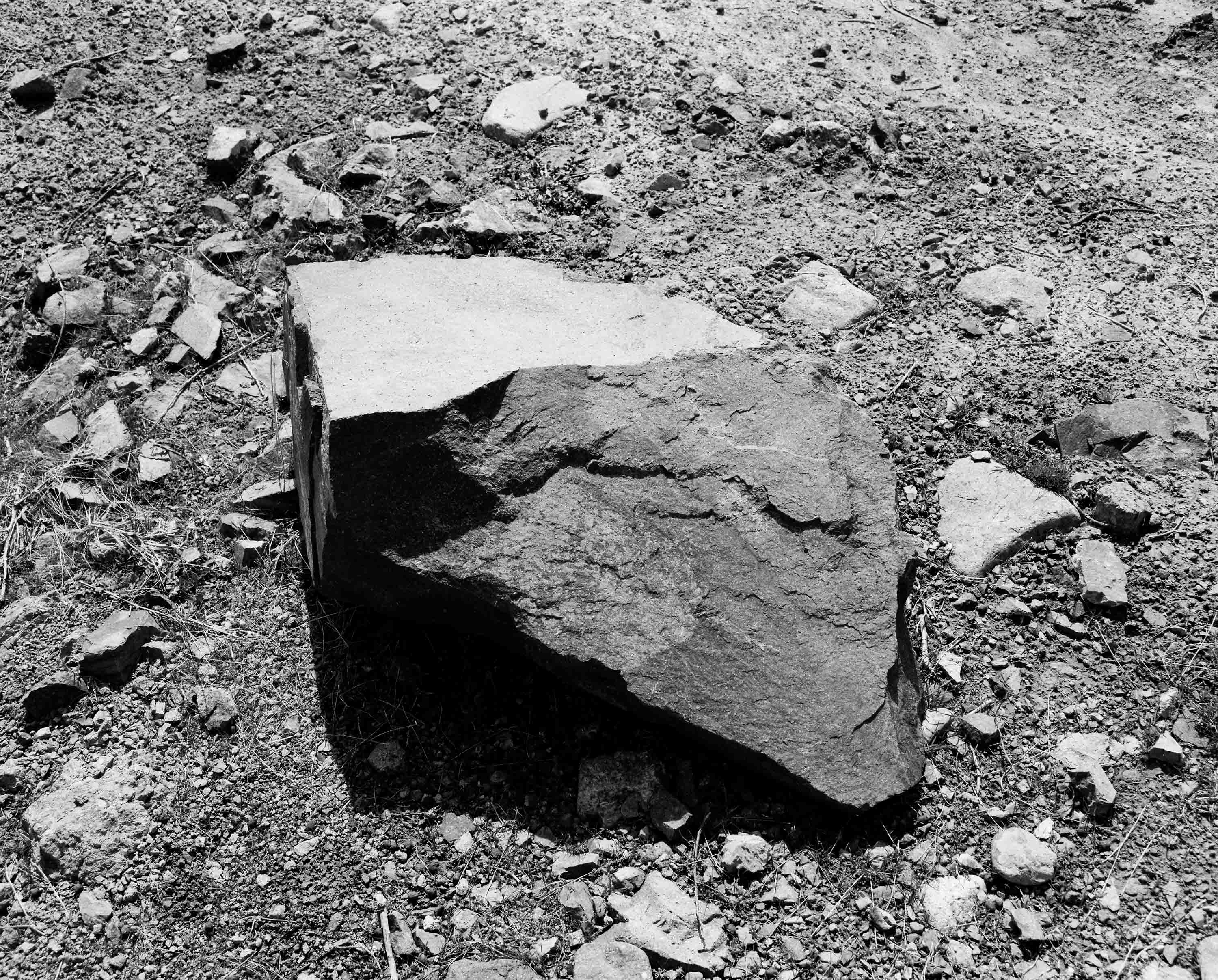
This open-air gallery of marked volcanic black stones stretches over 20 square kilometres—its drawings varying in size, style and story. There are Medieval Arabic inscriptions that resemble Sufi tamga marks and seals of Turkic peoples composed of lines and circles. There are simple accounts of daily life, of people riding horses and holding bows with hounds chasing stock, left by the Scythians in the eighth century BCE. Then, there are dancers, three-humped camels, and two-headed men, drawings of an unknown past.
All are a record of the people who have passed through.
Transoxiana served for millennia as the great corridor of human civilisation. Small wonder, then, that this land between the Amu Darya[2] and the Syr Darya[3]—the two great rivers the Greeks called the Oxus and the Jaxartes—holds more history per square metre than almost anywhere on Earth: a crossroads where civilisations have come to trade, build, pray, and leave something of themselves behind.
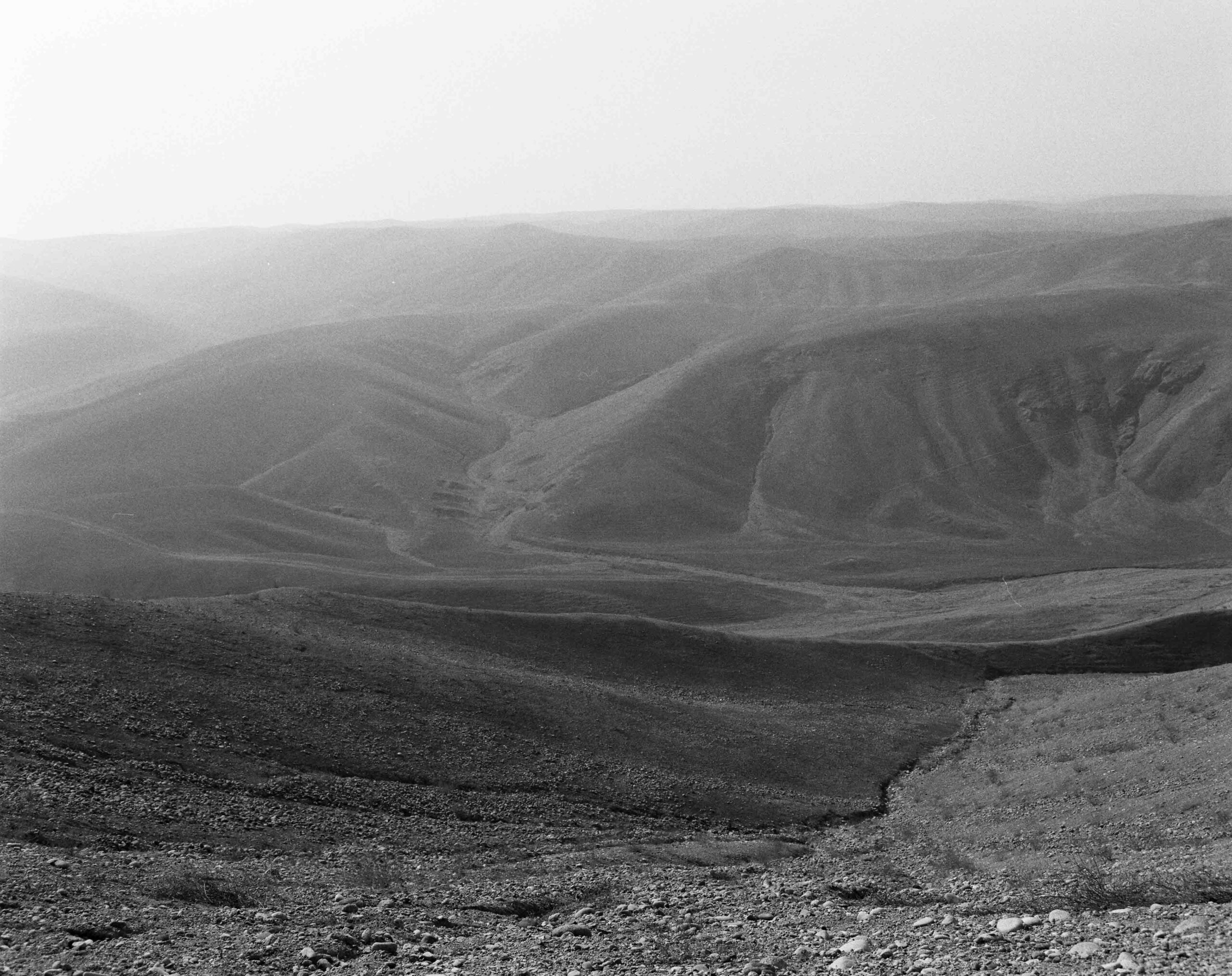
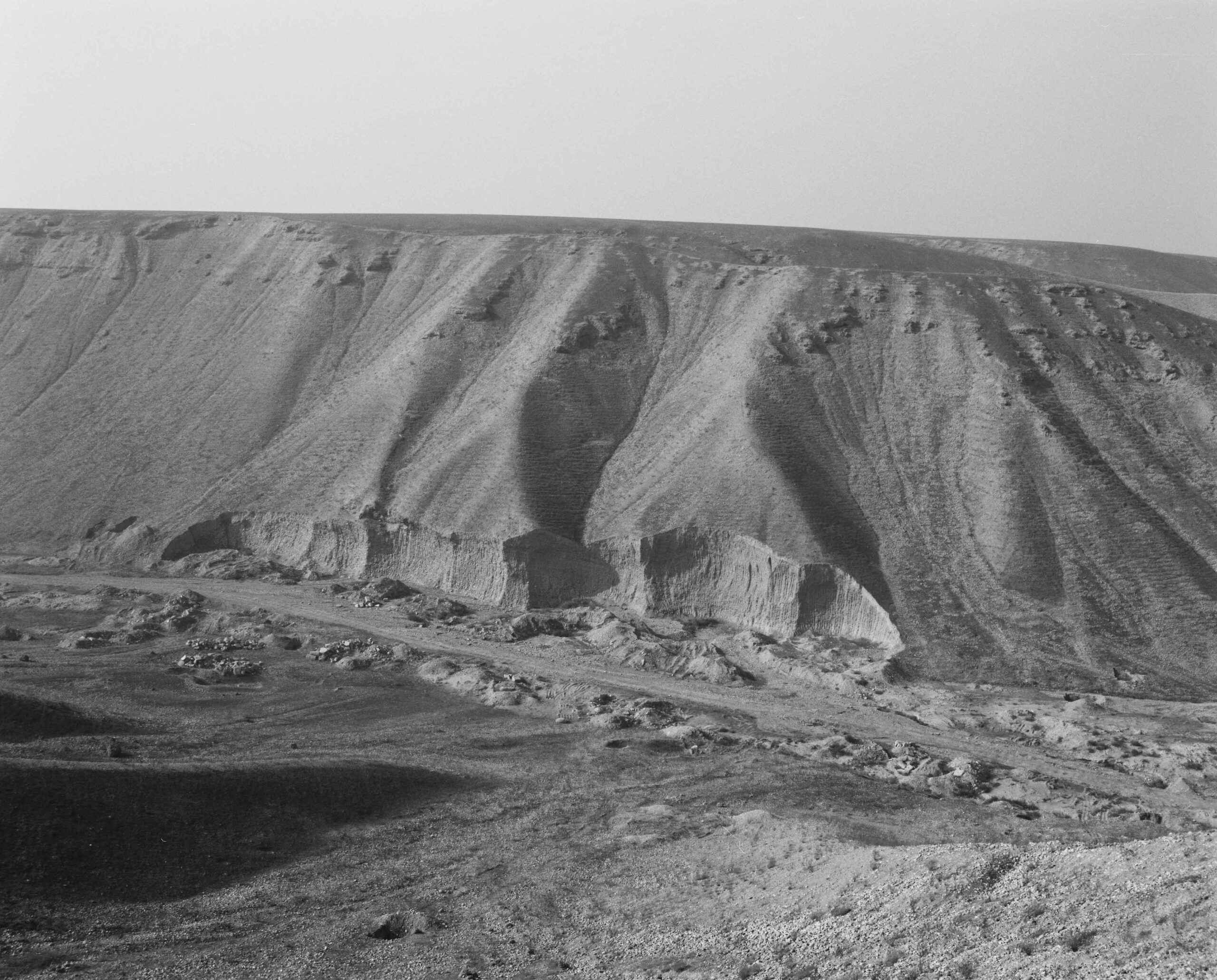
To understand Uzbekistan, its people and its culture, one must first understand the land that shaped it.
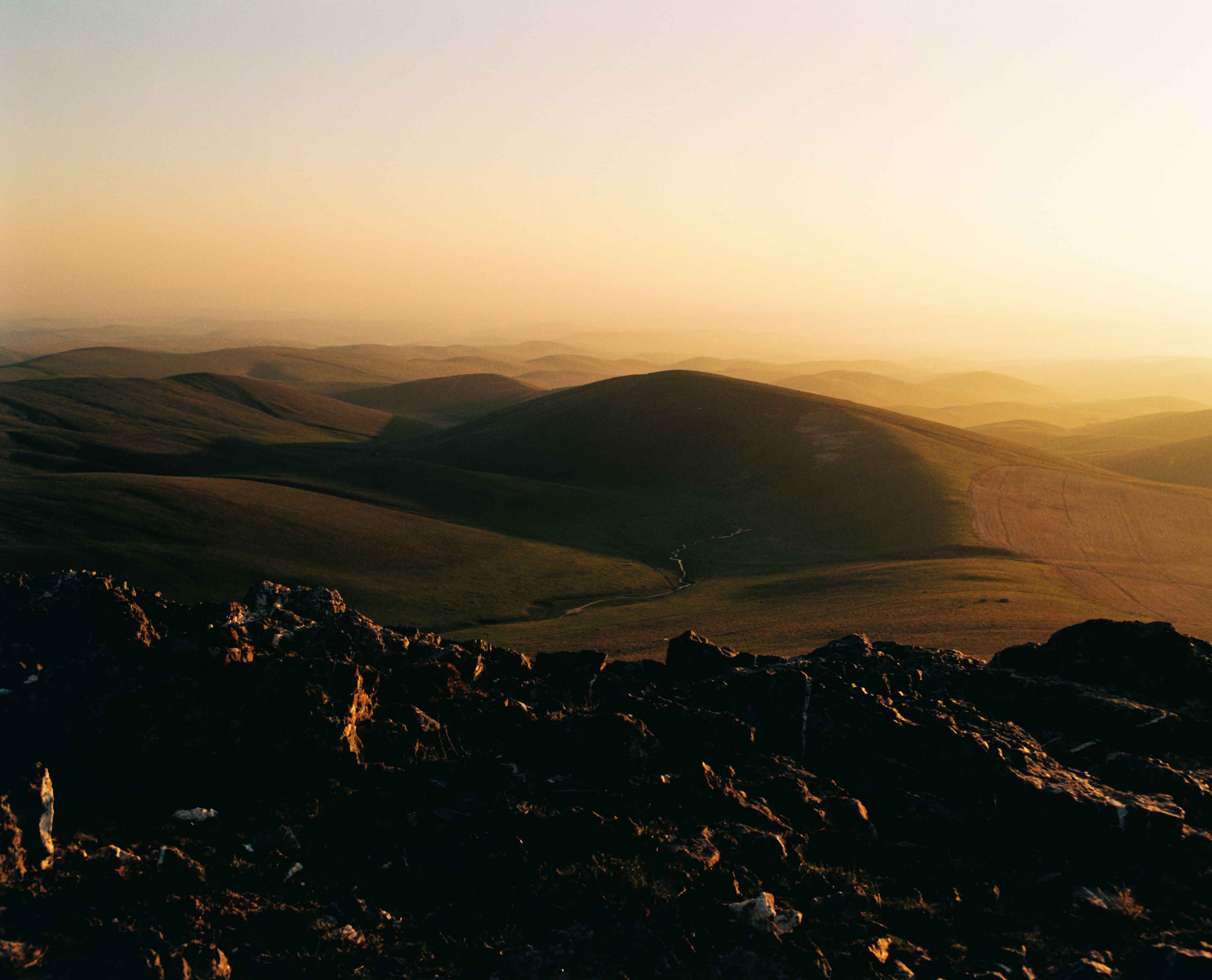
Nearly four-fifths of the country’s terrain consists of plains baked white under the sun[4]. The Kyzylkum—Turkic for “Red Sand”—sprawls across approximately 300,000 square kilometres from the central region westward[5]. A landscape of golden dunes, saxaul scrub, and geological silence, it is one of the largest deserts in Central Asia. It is not, however, uninhabited. The two-humped Bactrian camel, adapted to temperature swings that can exceed 80 degrees Celsius between seasons[6], and the Steppe tortoise, one of the hardiest reptiles in the Palearctic[7], move through it unhurried. Human presence has been more provisional.
Descending from the Pamir and Tian Shan ranges, the Amu Darya to the southwest and the Syr Darya to the east carve fertile basins from the surrounding desert. These two waterways constitute the country’s only reliable mercy, carrying snowmelt from some of the highest peaks in Asia down across the plains towards what was once the Aral Sea and coaxing the desert into cultivation as far as the ancient region of Khorezm. Without them, the civilisations that rose here—the Sogdian merchant cities, the Timurid capitals, and the Silk Road entrepôts that connected China to the Mediterranean—would have had no material basis.
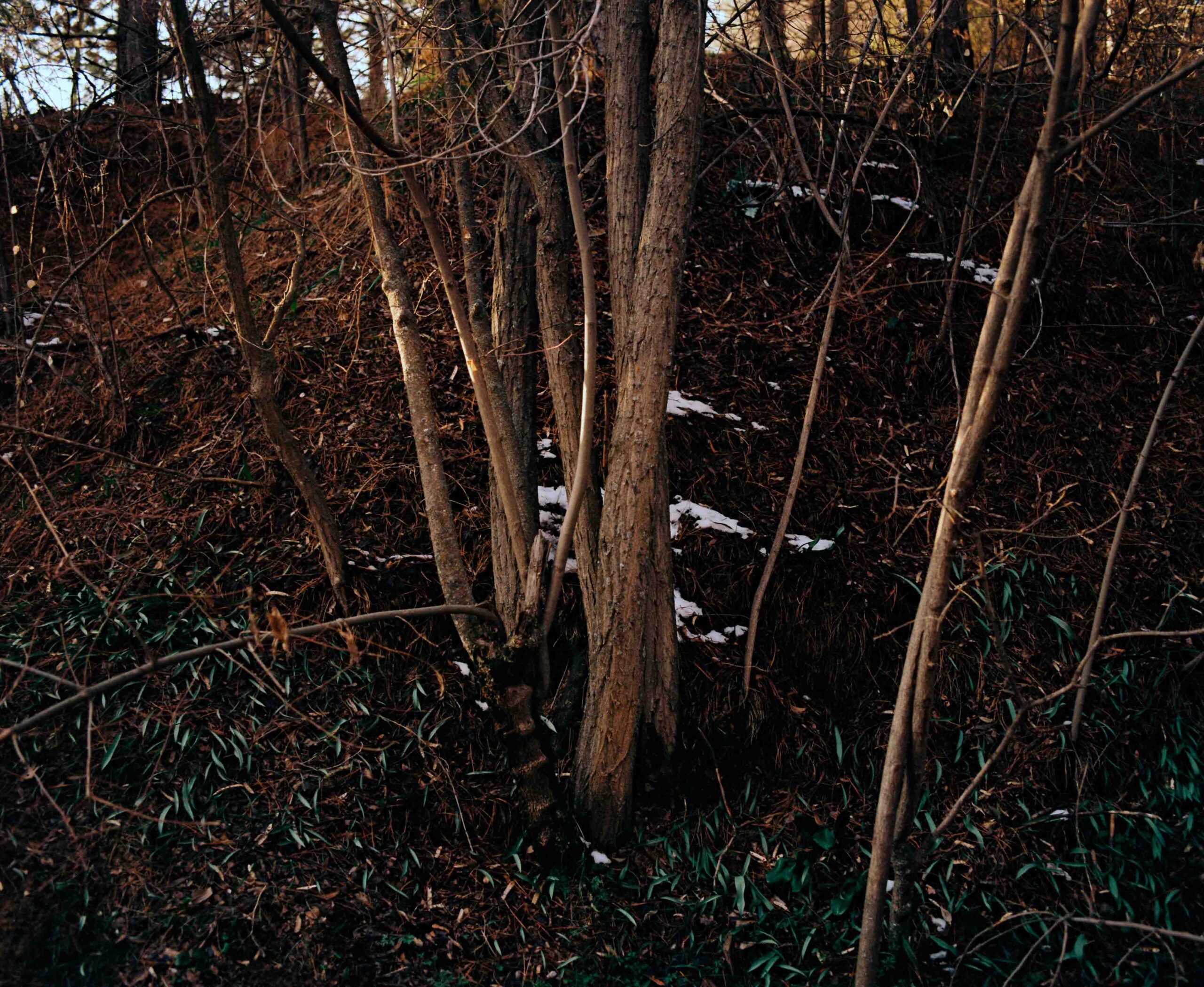
In a country where only 8% of the land is forested[8], the Ugam-Chatkal National Park—572,000 hectares of forest inscribed on the UNESCO World Heritage list—arrives like an afterthought[9]. An hour and a half from Tashkent, the desert gives way to walnut forests and alpine meadows, snow leopards and wild boar that, moving through its slopes, have watched every empire come and go, remaining, throughout it all, indifferent. The Zarafshan archa, also known as Juniper, rises 20 metres on greyish-brown columns, some of them older than the cities they have outlasted. The reserve has been uninhabited since 1947, when the Soviet state claimed it. Before that, people had been moving through these slopes for millennia, leaving nothing behind but trails.
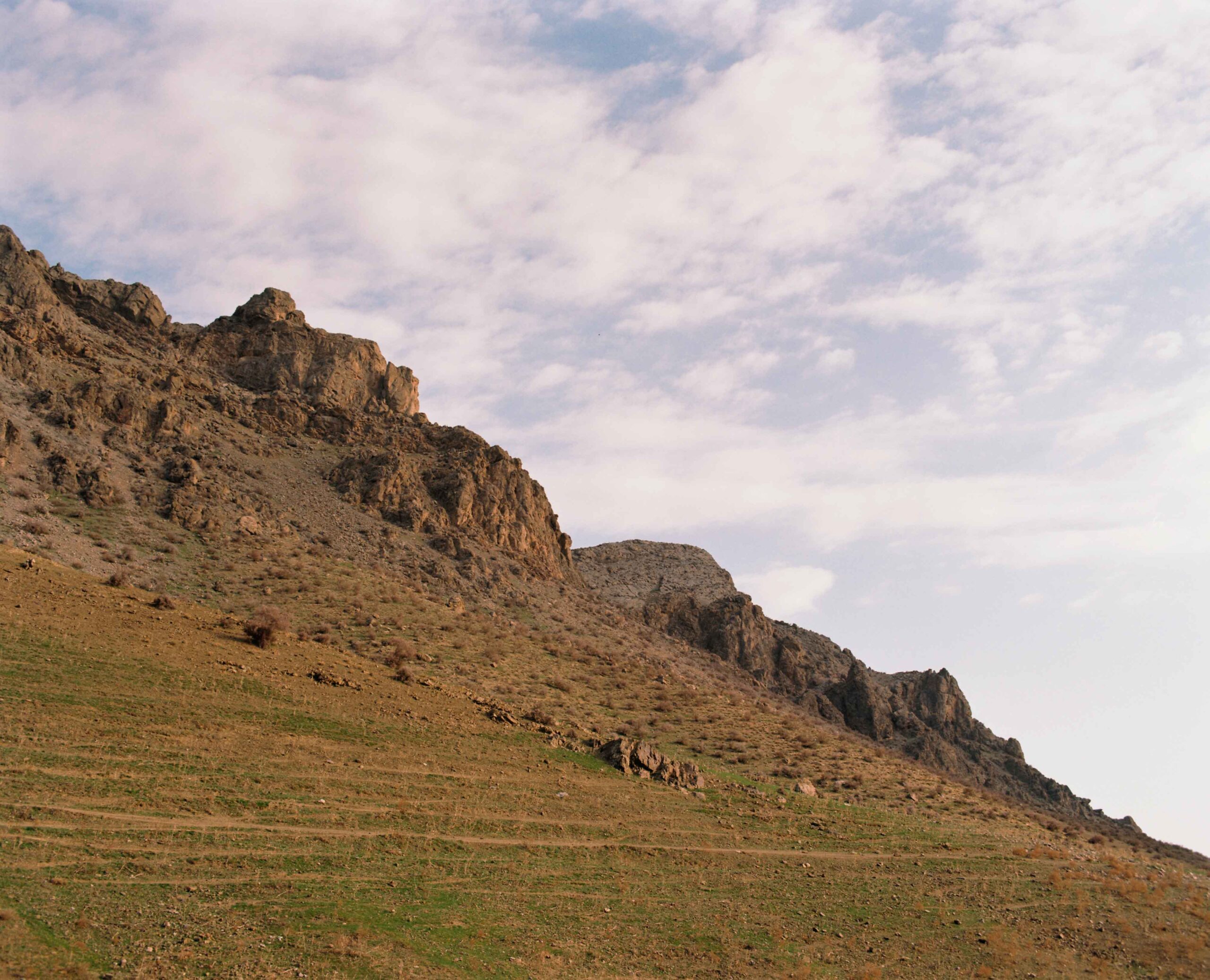
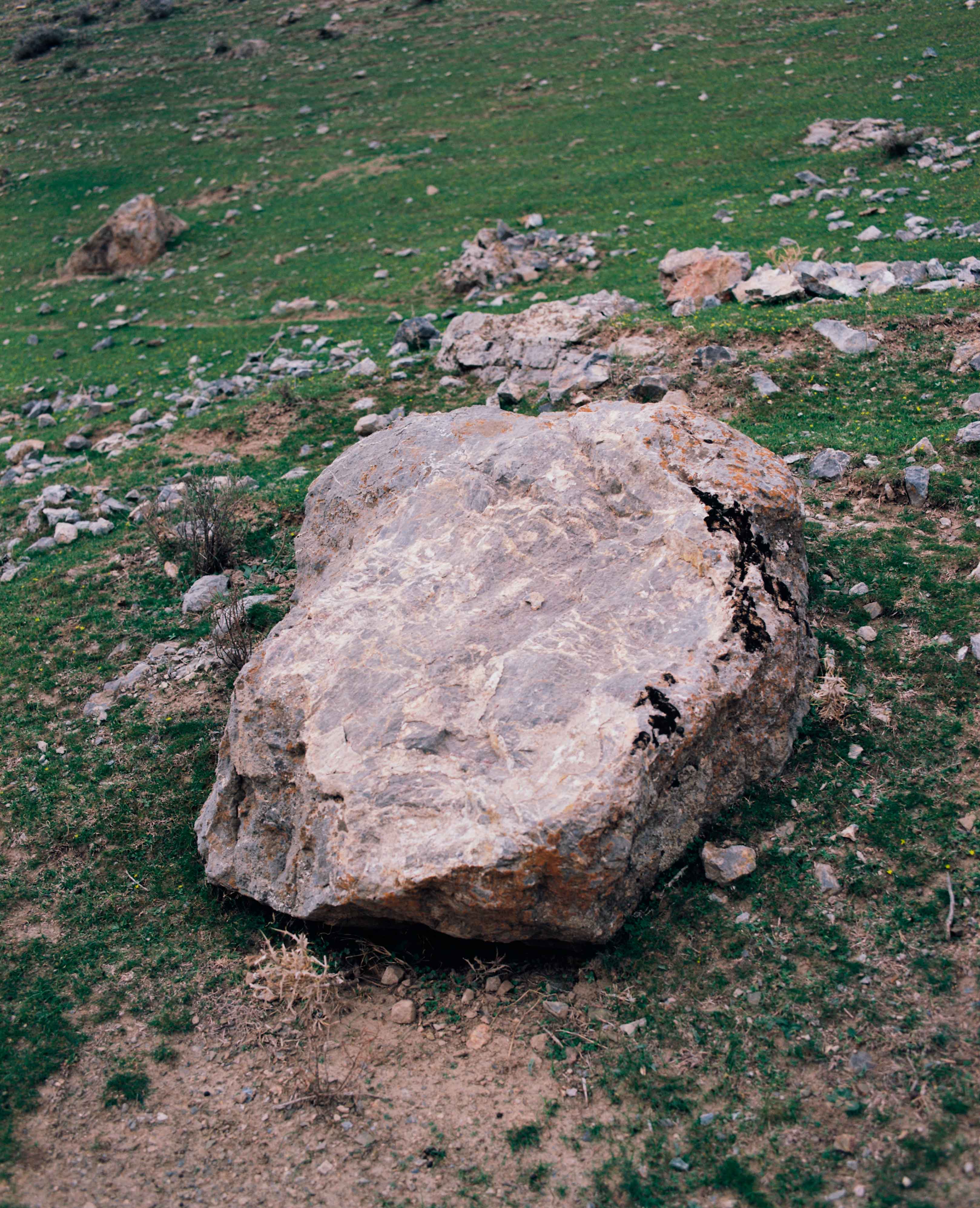
The Chatkal Biosphere Reserve, wilder and higher, climbs to an altitude of 3800 metres[10]. Up here, the noise of civilisation falls away. There are no Arabic inscriptions on these rocks, no tamga marks, no trace of the Silk Road. Just the mountain doing what mountains do: enduring. It is important to be reminded that, somewhere in the middle of a country so layered with human history, the land itself keeps no record and takes no sides.
Chimgan is different[11]. Locals call it “Uzbek Switzerland,” as if it needed a European name to become fully real or legitimised. Tucked into the same mountain range are pine forests, serene lakes, and a valley floor at 1600 metres—made legible, managed, safe: a resort landscape curated for comfort. Ski slopes and smoothed trails hold the mountains at a careful distance. Even here, in the hills, the human impulse to tame, rename and claim asserts itself.
Water has always been the plotline here. It determines not just where people settle but how they build, how they feed, how they move. Communities, cities and civilisations were—and still are—formed around it.
Today, 37 million people[12] of over 130 ethnicities live on this land[13], and they do so where the water is. Half remain outside the cities, drawn into the oasis towns and foothill basins the rivers made possible.
One such place is the Fergana Valley, the most fertile farming belt in Central Asia. Located to the east of Uzbekistan, its terrain consists of an almost unbroken chain of lush oases, fed by tributaries of the Syr Darya that cut down through the mountains. Cotton fields run along the horizon. Mulberry trees line the roads. Devzira rice, hot peppers, husaini grapes, and more than 70% of Uzbekistan’s fruits and vegetables grow here[14]. It is also the most densely populated region in Central Asia[15]—almost one in four Uzbeks resides here[16]—spilling across three countries: Uzbekistan, Tajikistan, and Kyrgyzstan.
A valley this fertile has never been left in peace. It has been lived in and fought over for more than 2000 years.
Agricultural settlements took root in the valley as early as the second millennium BCE. Alexander the Great set foot here in 329 BCE[17], establishing Alexandria Eschate, or “Alexandria the Furthermost.”[18] In 1219, Genghis Khan’s Mongol forces swept through the valley, razing cities, breaking ancient irrigation systems, and reducing the population to a fraction of what it had been. Babur, who would go on to found the Mughal Empire and conquer territories from Kabul to Bengal, was born here in 1483. He referred to Fergana as the “fortress of fertility.” In 1502, he lost his beloved valley to the Uzbeks and Muhammad Shaybani Khan. He kept returning to Fergana in language and memory. “A prosperous land of garden and granary,” he wrote in his memoir Baburnama[19]. The loss of Fergana shaped him, and the longing for it never left. By the nineteenth century, it was the stronghold of Islam, home to hundreds of mosques and dozens of madrasas—all of them swept away when the Russian Empire annexed the valley in 1876.
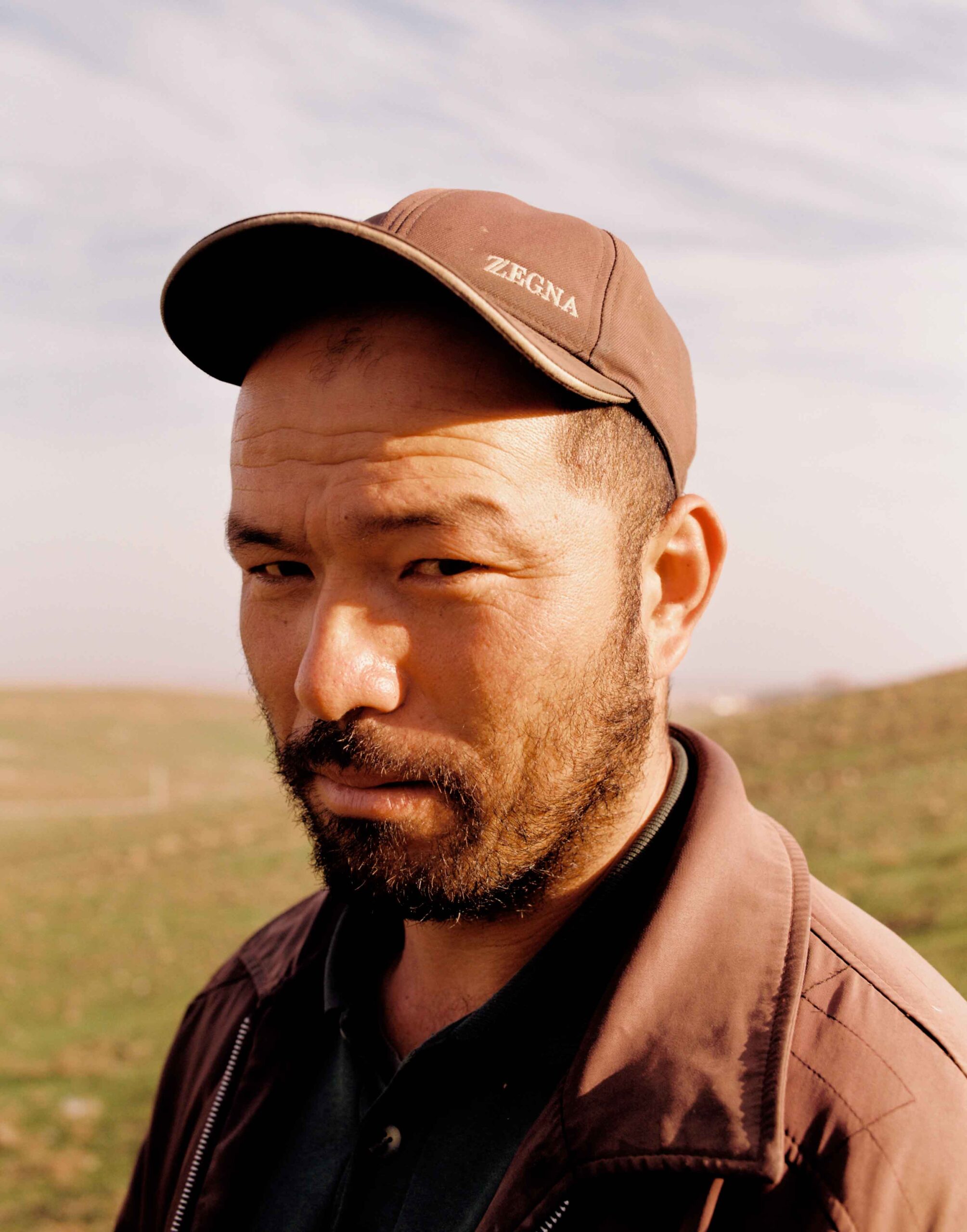
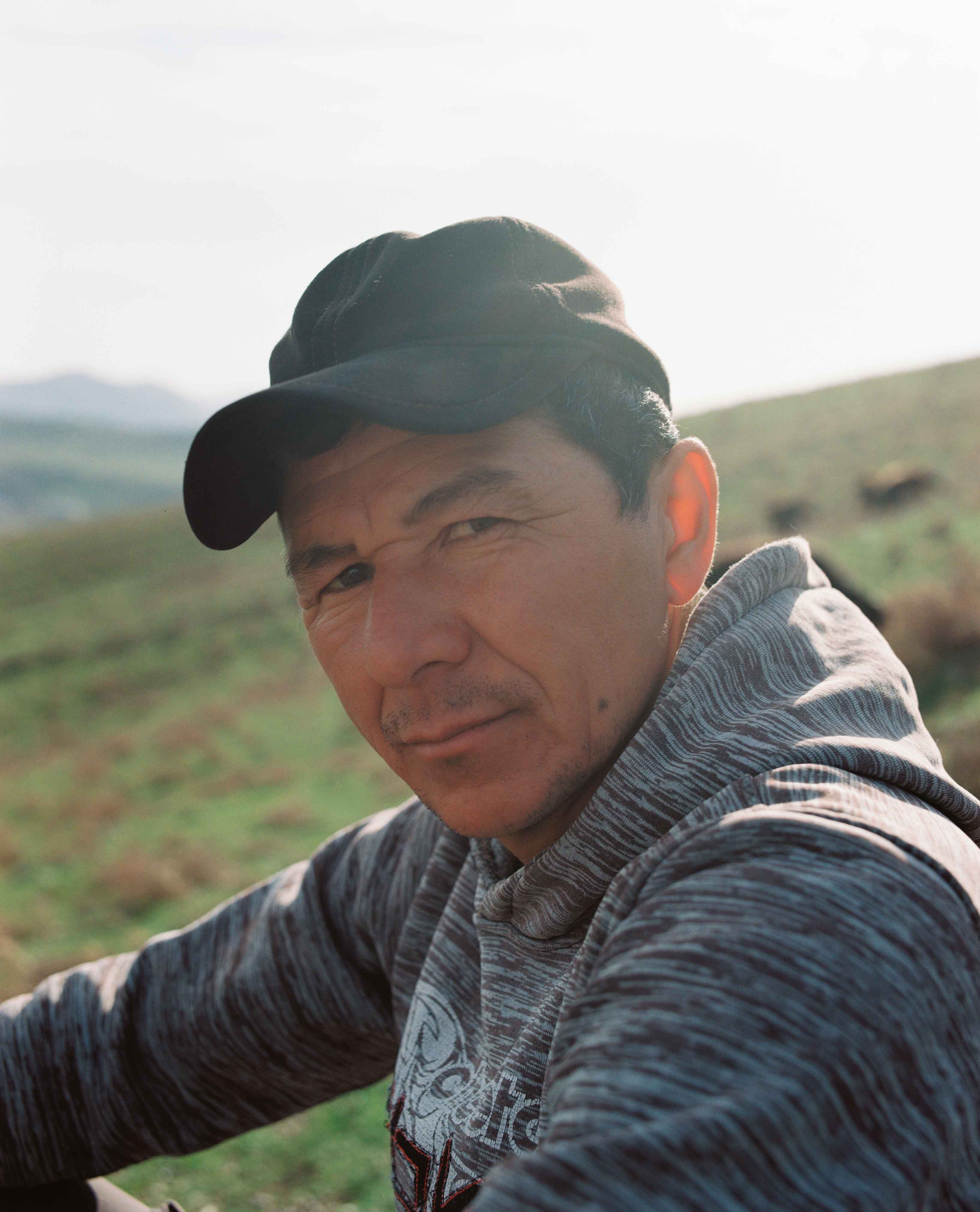
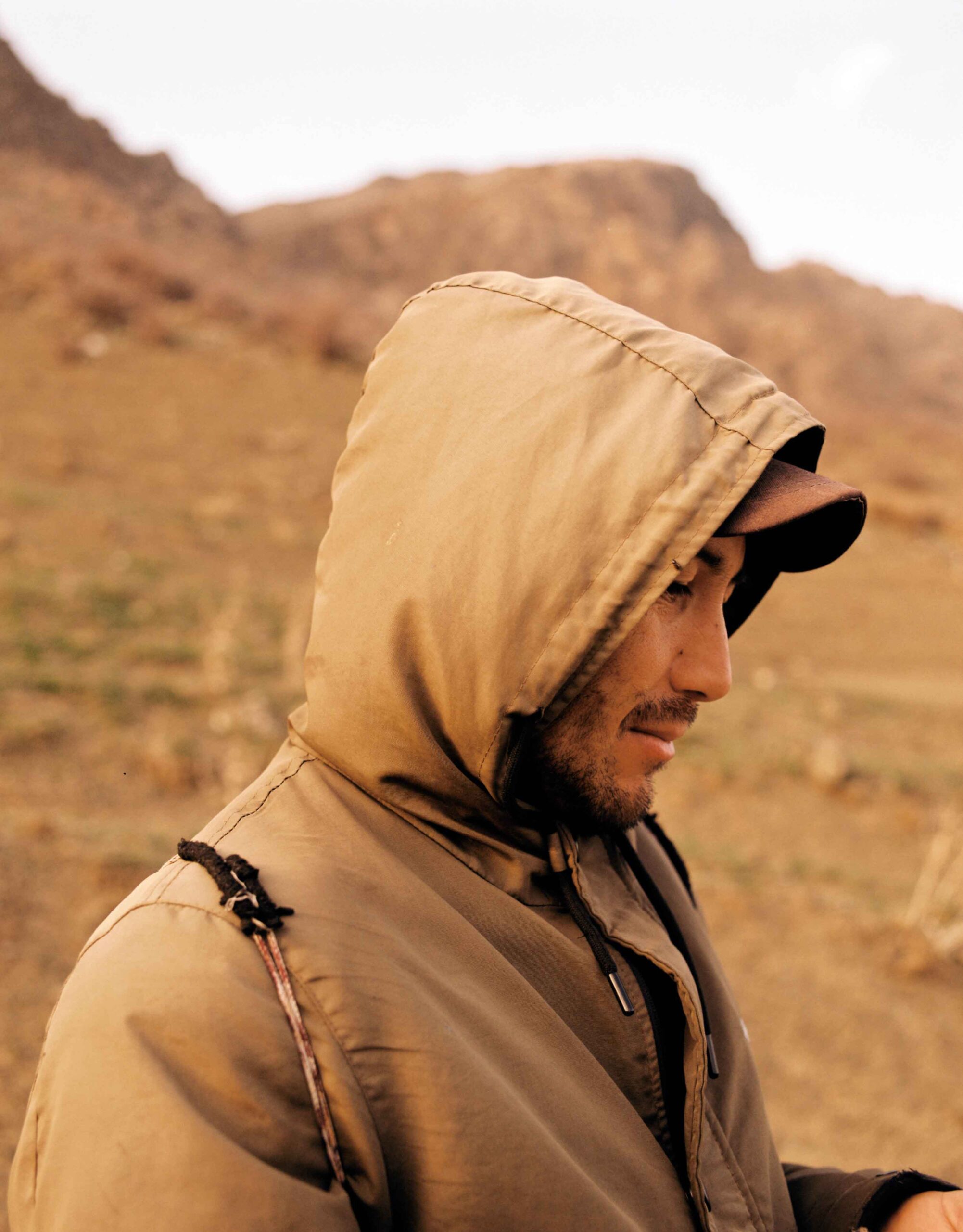
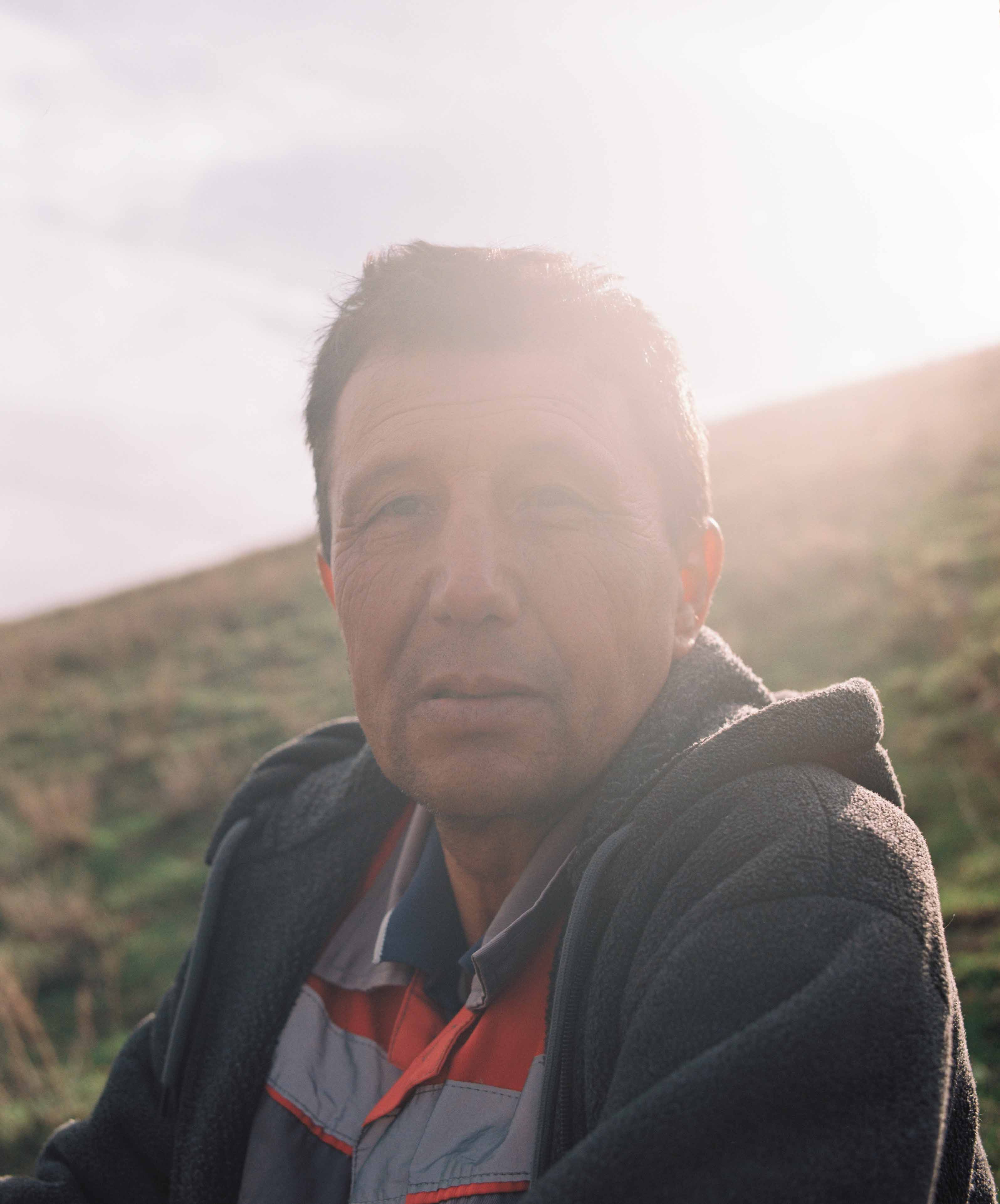
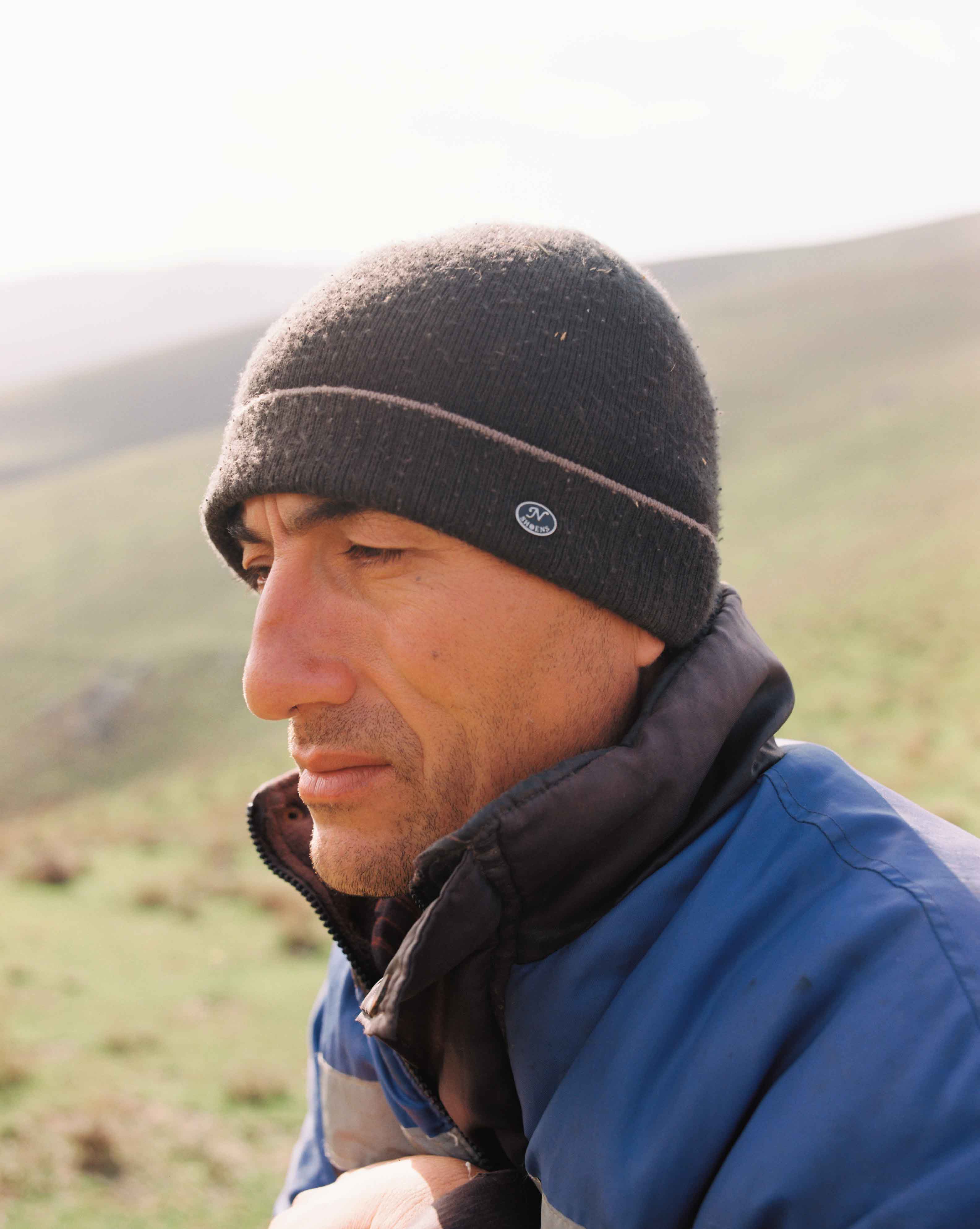
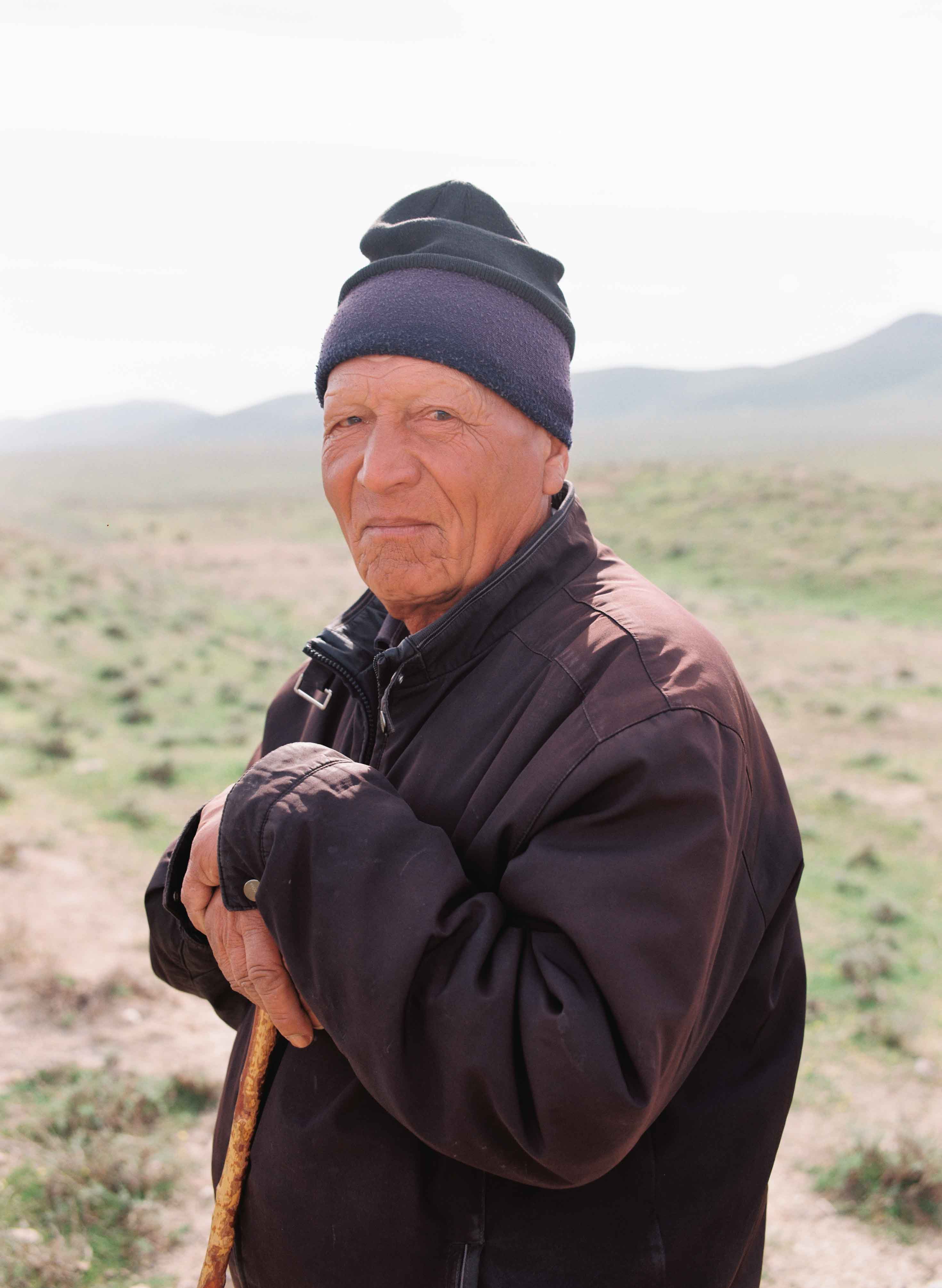
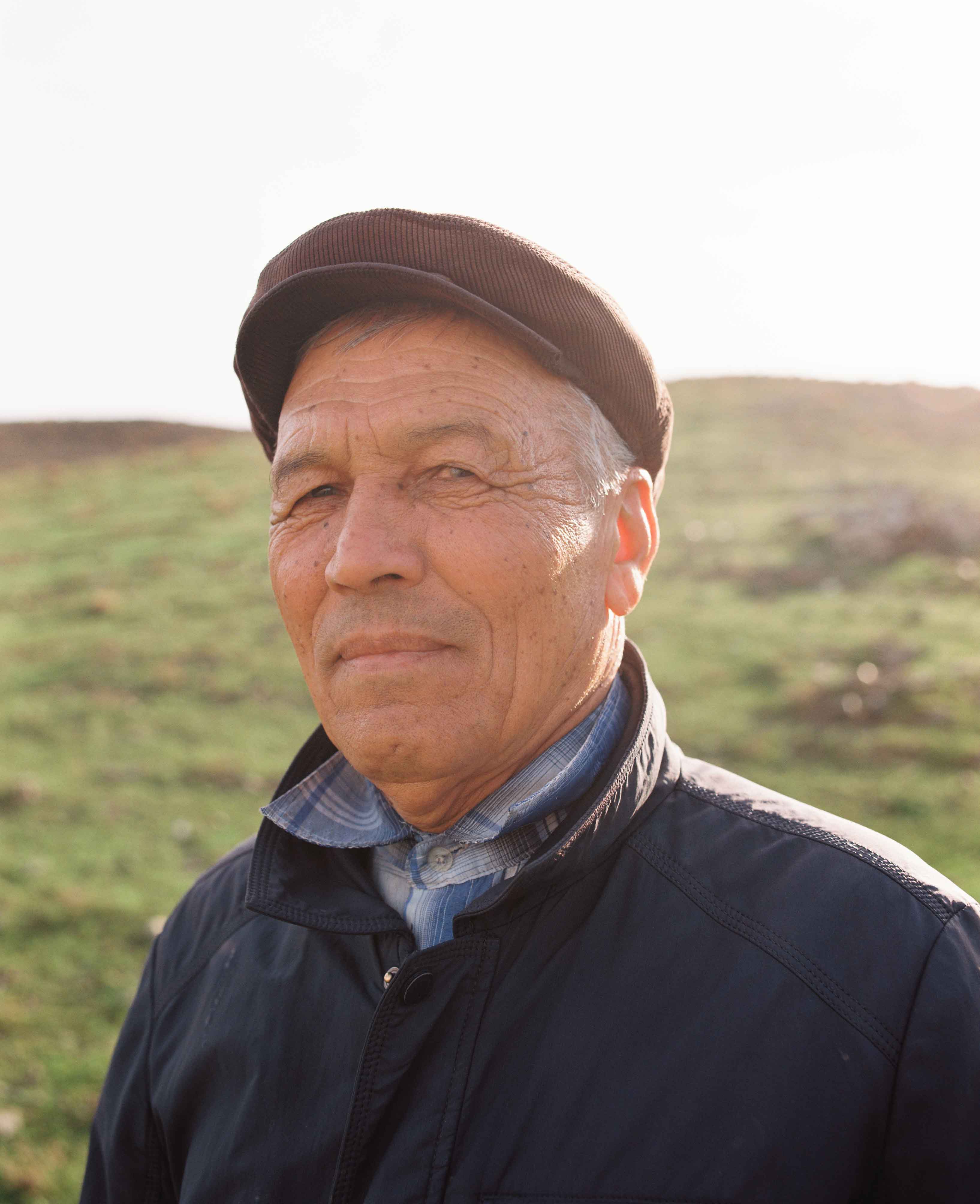
Such history, yet most of it is destroyed. This, perhaps, is the first thing travellers learn here: that absence is its own kind of presence, that what has been taken away leaves a shape in the atmosphere, an outline of something that was once magnificent.
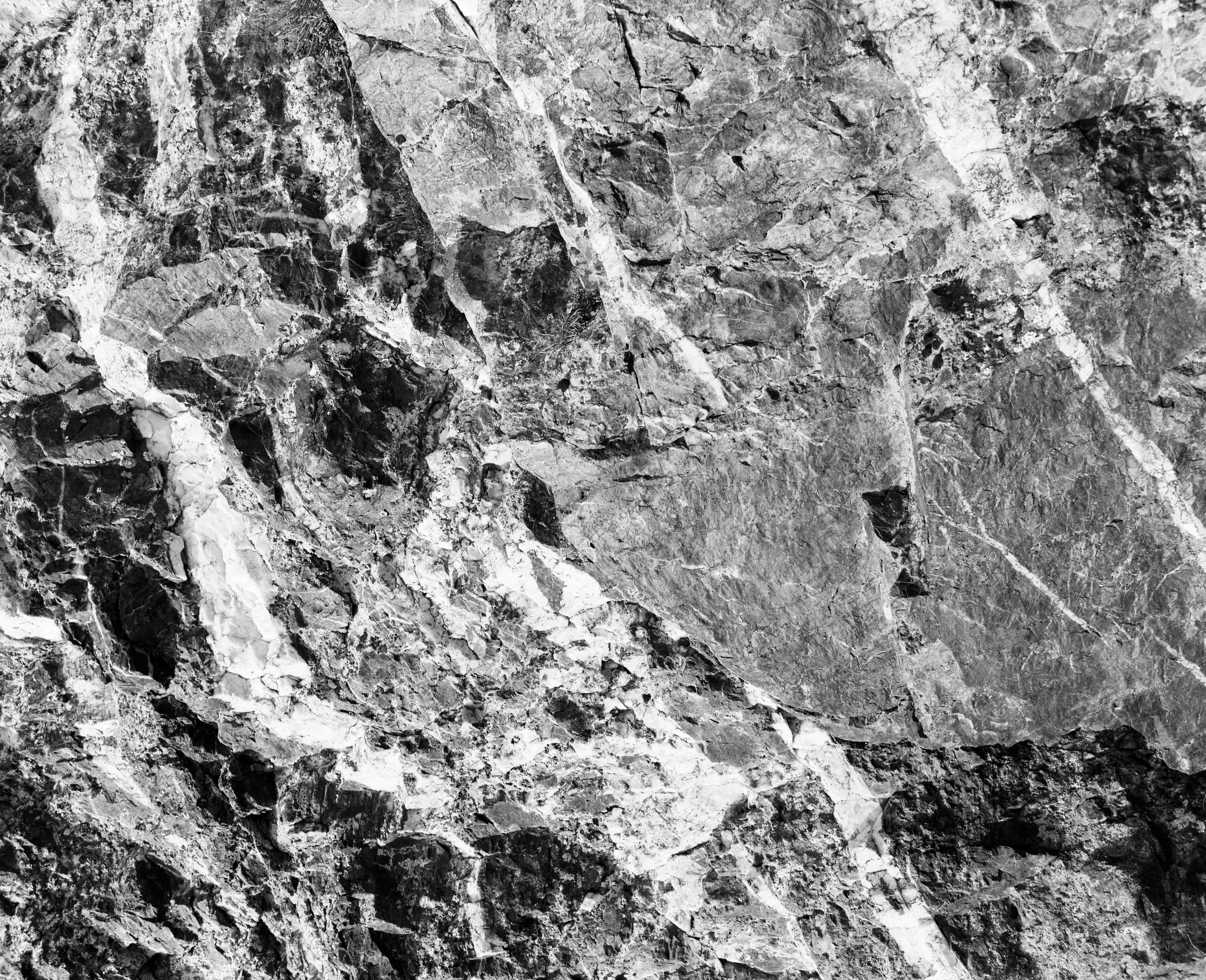
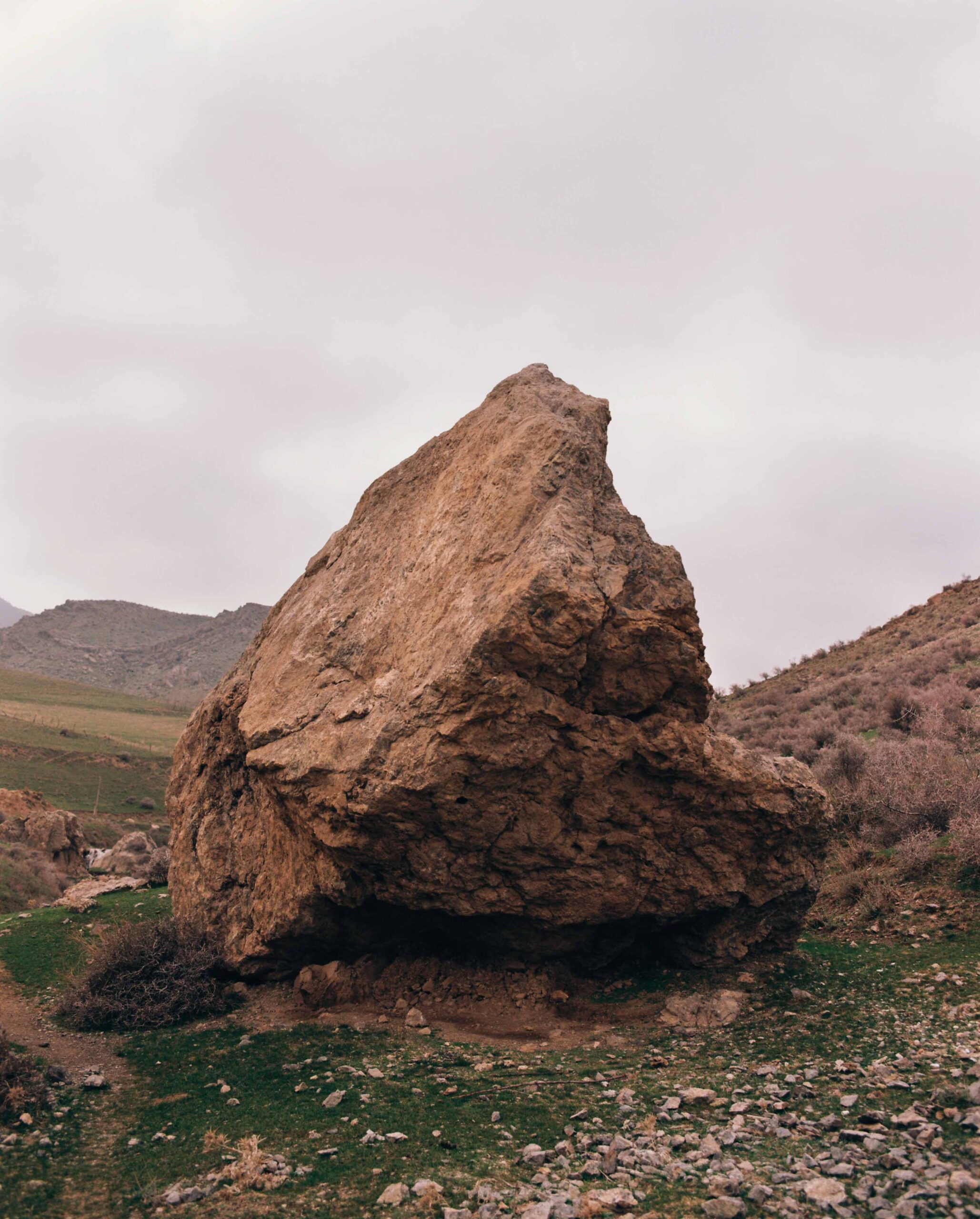
What remains is harder to name than what is gone. The culture is not Persian, not Turkic, not Soviet, not Islamic, rather it is all of these—imperfectly, simultaneously, in proportions that shift depending on which city you are in, which family you are sitting with, which century the conversation happens to drift towards. A language written first in Arabic script, then Cyrillic, now Latin, as if even the alphabet cannot decide. It is, more precisely, an accumulation: a patient layering, like a rock shaped by centuries of pressure, each civilisation—nomadic or imperial—leaving its sediment in the next. Modern Uzbekistan, born in the long shadow of 1991, is still learning its inheritance.
The desire to read it “geologically” risks aestheticising what is, in fact, historical rupture.
Consider the national dish of plov, so often invoked as an emblem. It is not a symbol of harmony but of amalgam: ingredients drawn from divergent worlds. The nomadic and the sedentary, the Turkic and the Persian, meet here not in reconciliation, but in coexistence. The dish does not tell a story; it demonstrates how little stories can contain.
Watch it being made at scale—outdoors, over an open wood fire, in a vast cast-iron pot called a kazan—and you will begin to understand something about this culture that history books can’t quite capture. Lamb, fat and fire: portable and urgent, a cuisine built for movement across the Turkic steppe. Rice, carrots and cumin: the slow craft of people who trusted the same ground to feed them year after year in the Persian settled world. It does not reconcile these two worlds. It holds them, side by side, in a single pot.
Plov has been eaten in this territory for centuries, though its origins are disputed—some say it was Alexander the Great who ordered it to feed his armies; others say it was invented by the tenth-century physician Ibn Sina, who prescribed it to a prince to mend his broken heart after he was forbidden to marry the daughter of a craftsman[20]. Both are probably true. This is how origin stories work in a place that has been remade so many times: the legend outlasts the fact, and eventually becomes one.
Furthermore, there are over 60 regional variations. In the Fergana Valley, it is spiced hard and hot. In Bukhara, the ingredients are cooked separately, then layered into the pot. Every region believes its version is correct, and every region is right—in the way that people are right about the places that made them. In the end, what has survived every invasion, every annexation, every rewriting of the alphabet is simpler than any of this. A fire is lit. A kazan is set over it. The lamb goes in first, then the fat, then the rice, then the waiting. People gather, drawn by the smell, by habit, by something older than either. When the plov is ready, it is eaten together, outside, in the way it has always been eaten: communally, unhurried, without ceremony, and with all of it. Eaten at funerals, weddings, births, and national holidays, as the proverb goes: “If you’re rich, eat plov, if you’re poor, eat plov.”[21] No one at the table can tell you exactly where the dish came from, but no one needs to. It has outlasted the empires that have claimed it, the rulers who may or may not have ordered it, the physicians who may or may not have prescribed it. It is simply here, as it has always been—and so are the people, gathered around it on this land that has been so many things and is, at least for this moment, a place where they have come together to eat.