Think back to 2017: chances are you heard, sang along to, and danced to “Despacito” (2017) That year, the global reggaetón sensation by Puerto Rican stars Luis Fonsi and Daddy Yankee (boosted by a remix featuring Justin Bieber) became the first Spanish-language song to top the Billboard Hot 100 in 21 years. On YouTube, its music video became the first to cross 6 billion views. And almost a decade later, with more than 9 billion views, it remains one of the most-watched music videos in the platform’s history.
“Despacito” marked a turning point for reggaetón, ushering in an era in which the genre’s songs routinely top the charts and stars, such as Bad Bunny and Karol G, break records and sell out stadiums for multiple nights in a row, in major cities around the world where barely anyone speaks Spanish. So how and why did this Caribbean-born genre evolve into the global phenomenon it is today? And, already well into its ascent, where is it headed next?
The story began well before “Despacito,” with nascent versions of reggaetón’s foundational rhythms flourishing in Jamaica as early as the 1980s. In the 1990s, reggae in Spanish took root in Panama through pioneer musicians like El General and El Chombo, and from the mid-1990s into the early aughts, with songs such as Ivy Queen’s “Yo Quiero Bailar” (2003), Daddy Yankee’s “Gasolina” (2004), and Nicky Jam’s “Yo No Soy Tu Marido” (2005), reggaetón took hold in Puerto Rico, giving rise to a popular subculture that local authorities often persecuted, driven in large part by classism and conservative moral panic. [1] Back then, very few imagined reggaetón would one day produce a hit like “Despacito,” let alone become a worldwide sensation. “I remember the year 2004 perfectly, when Daddy Yankee’s ‘Gasolina’ was taking the entire planet by storm, and many of my professional peers thought that reggaetón would last only two summers… not only did it survive those two summers, but it has remained in top form for 20 years, and there is still no sign of it losing its momentum,” wrote journalist Víctor Lenore in the introduction to Pablito Wilson’s Reggaetón: Una revolución latina (2022). [2]

Although reggaetón’s foundations were laid in the Caribbean, much of its global chapter has been written in Medellín, Colombia. Today, many consider the city the epicentre of reggaetón: it is home to stars such as J Balvin, Maluma, Karol G, and Feid, and to a generation of producers such as Sky Rompiendo and Ovy On The Drums, who helped shape the genre’s sound for broader audiences. Ovy, best known for working on hits like Karol G’s “Tusa” (2019), sees the city as the root of everything he does. “Medellín is home. It’s where my way of hearing music comes from, but also my way of working and dreaming,” he says. “There’s a hunger in the city to build something and find a way forward, even when you don’t have everything figured out. I carry that with me… Wherever my career takes me, Medellín is part of what I bring into the room.” [3]
Reflecting on the reasons Medellín has become a central hub for reggaetón’s growth into a global genre, the Medellín-born singer and songwriter Sebastián Yatra believes it has a lot to do with the city’s energy:
“There’s so much talent there, but even more than talent, there are so many hardworking people. When you combine a place so culturally rich with that work ethic and a real spirit of collaboration, it sparks something. And that spark grew big enough to draw people from all over the world, who came to feed off that energy, bring their own influences, and help us make it even bigger.” [4]
Still, the places that shaped reggaetón’s history and ascent tell only part of the story. The advent of streaming, which transformed how audiences around the world discover and listen to music, also played a major role in the genre’s success. In Decoding “Despacito”: An Oral History of Latin Music (2021), journalist Leila Cobo was among the first to highlight how streaming propelled the genre, allowing Spanish-speaking artists to build massive international fanbases directly, without going through the traditional industry gatekeepers that had long decided which music deserved to cross borders .[5] Then again, growth would have been impossible if the right foundations hadn’t been in place.
“[When streaming entered the picture] reggaetón already had a strong identity, a culture, and an audience that was passionate about it. Pioneers from Puerto Rico and Panamá gave the next generation something to build on, and streaming helped that connection travel faster… People connected with the emotion, the melody, and the rhythm. That gave us confidence to keep creating from who we are and where we come from,” says Ovy On The Drums. [6]

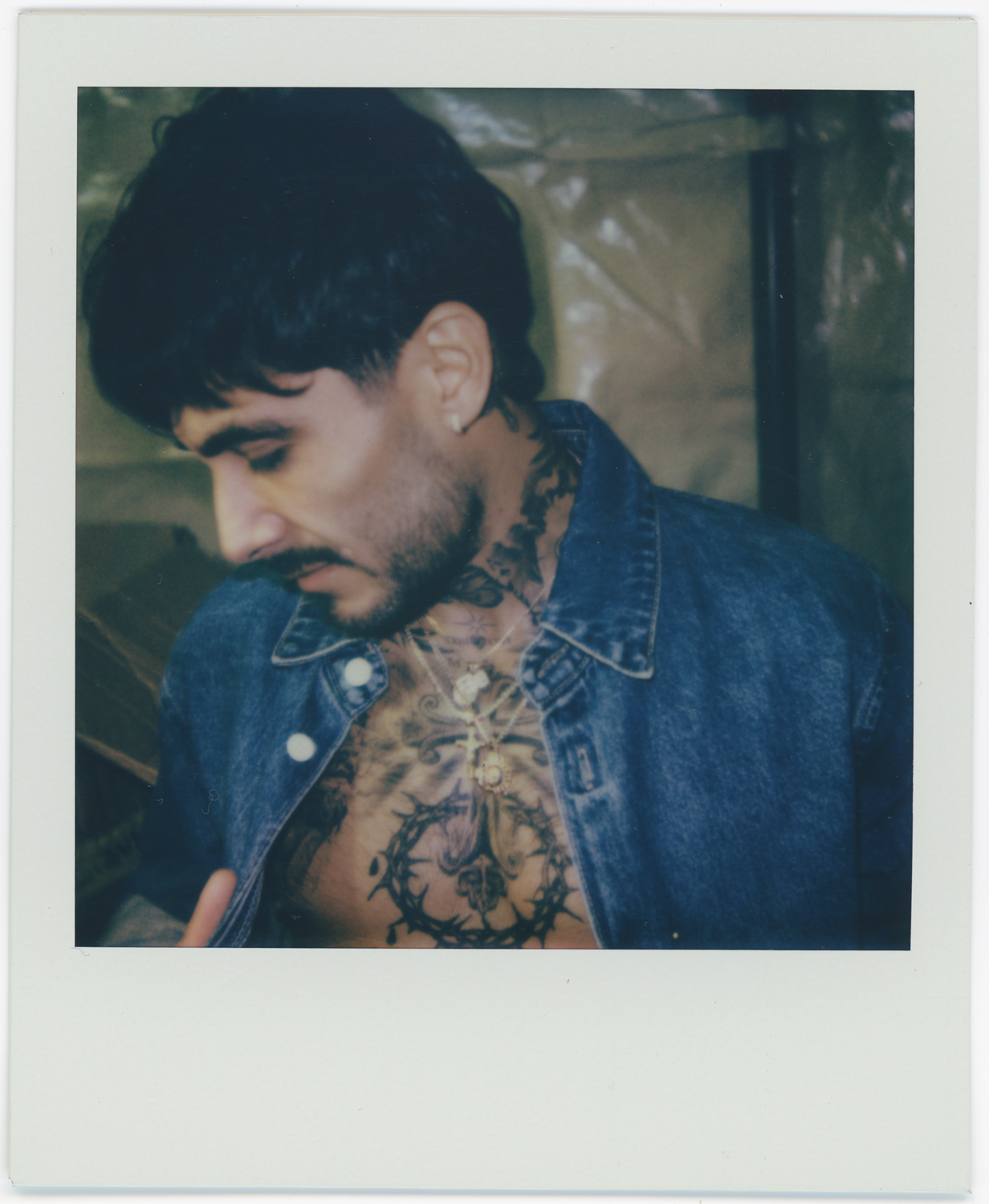

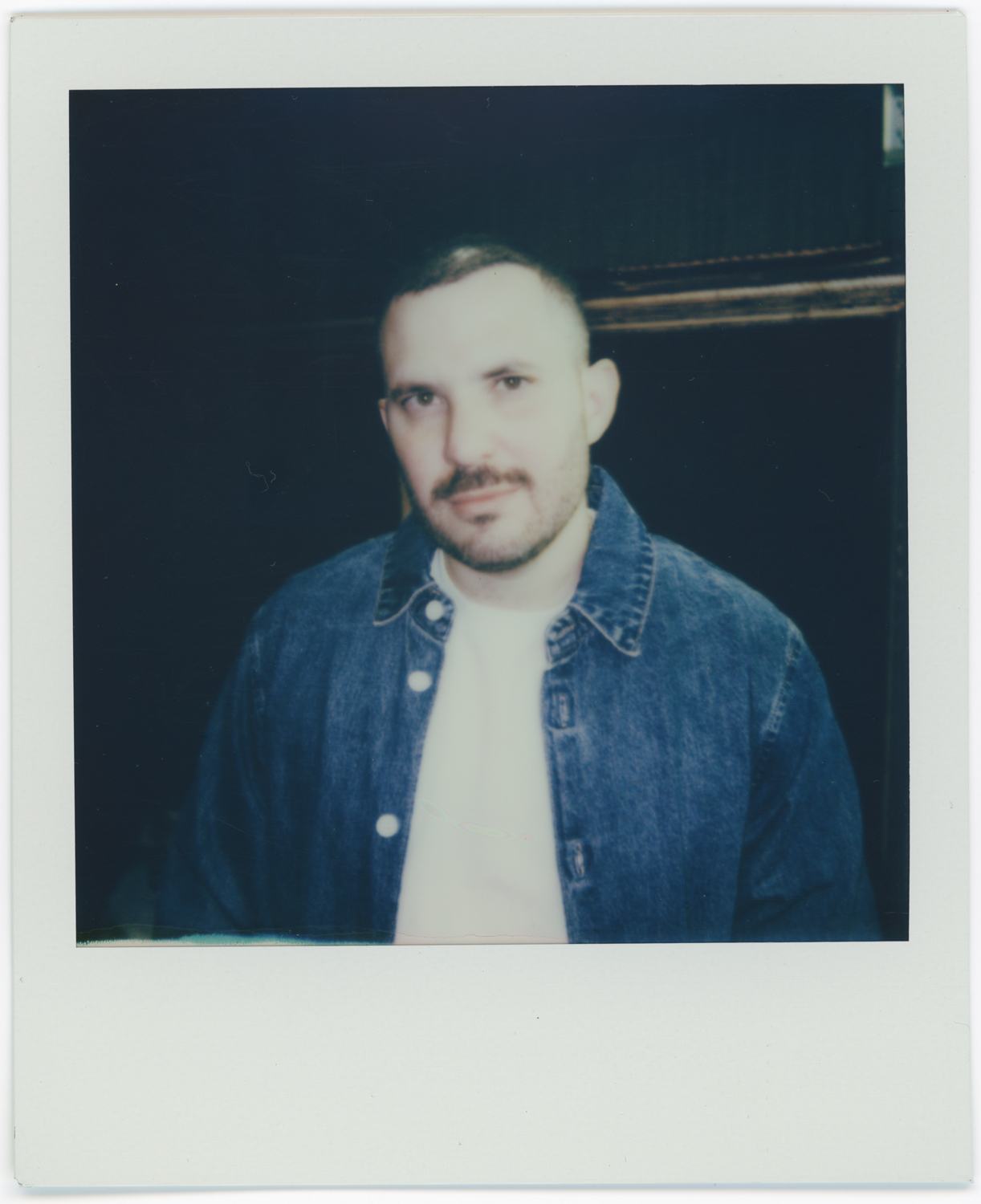
Similarly, Puerto Rican singer and songwriter Lunay believes streaming platforms amplified what earlier generations had already built: “Streaming made it easier for people everywhere to discover our music, but none of that happens without the artists who put in the work for years and opened doors for my generation.”. Having grown up with reggaeton as part of everyday life on the island, he finds it moving to see listeners around the world embrace it, language barrier and all.
“You don’t have to speak Spanish to feel the energy of a song. I think that connection, and the fact that we’ve stayed true to who we are, is what has taken the genre so far.” [7]
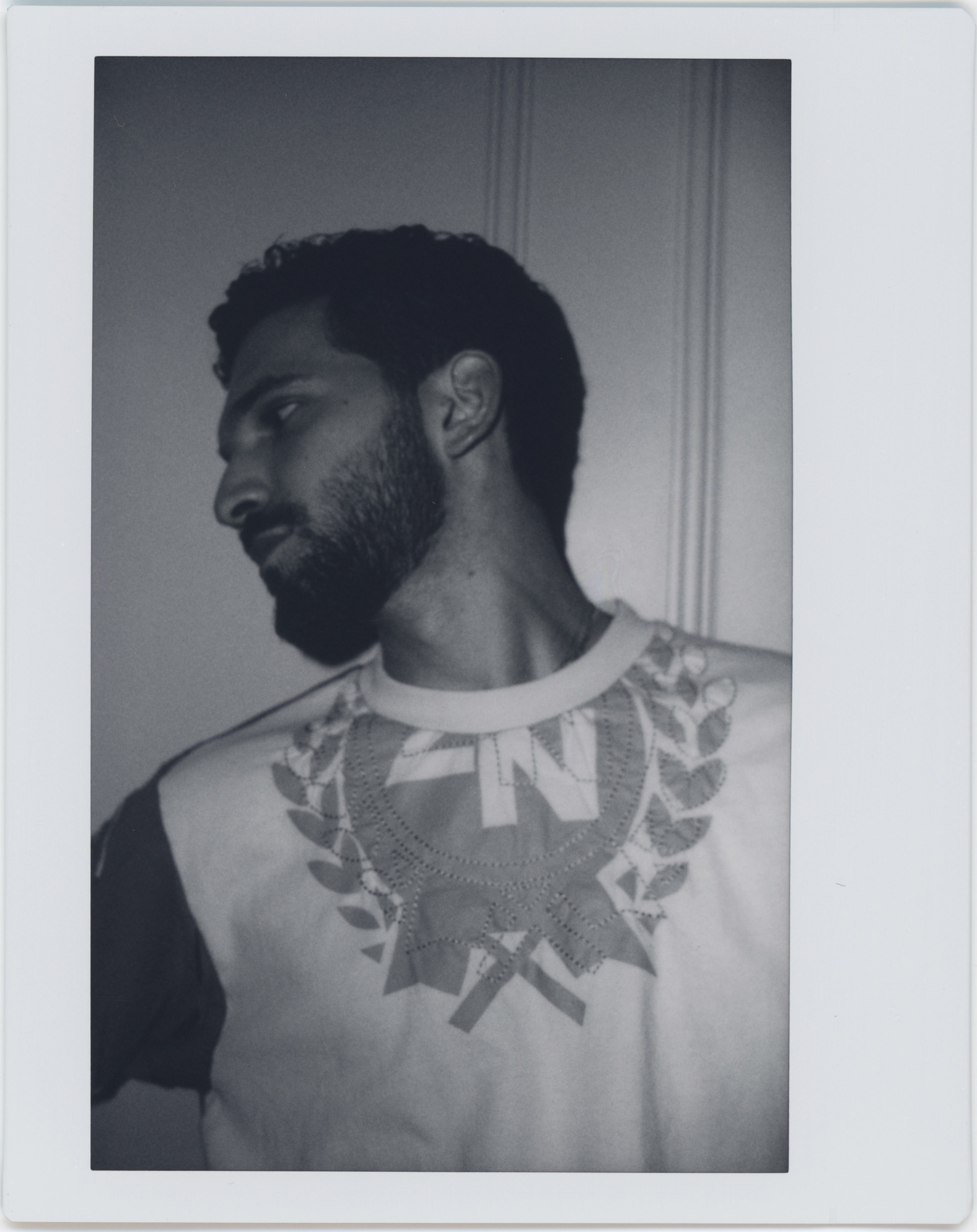
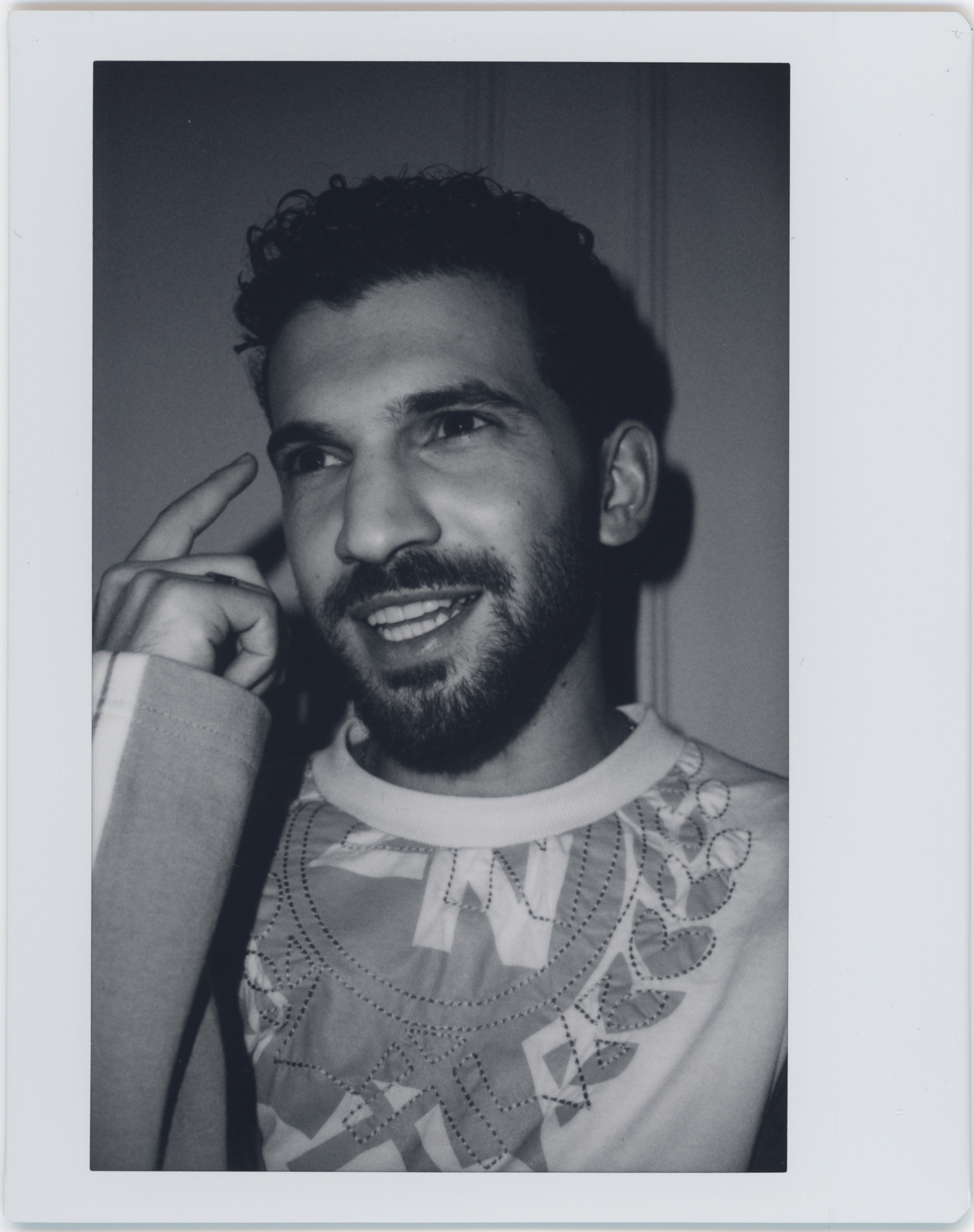
Catalan singer Bad Gyal, who came of age in Europe thousands of miles from the Caribbean, is living proof of reggaetón’s magnetic pull and the power of the region’s rhythms to draw in audiences from all over the world. “Reggaetón is a very welcoming sound. I think that a lot of people enjoy themselves with it, even if they don’t feel part of the culture or they don’t understand the language,” she says. “Caribbean music is very energetic and inviting. I fell in love with it very quickly. And luckily, I’m part of the generation that had access to YouTube and Spotify, so that made it easy to go deeper.”[8] The artist first spoke about this journey at length to journalist E. R. Pulgar in her Present Space feature with Dominican producer Cromo X in 2025, recalling how a Sean Paul video playing on a shopping mall screen and teenage Spotify deep dives into Jamaican artists like Busy Signal and Collie Buddz drew her deeper into Caribbean rhythms. [9]
Bad Gyal’s own hits, such as “Chulo pt.2” (2023) and “Comernos” (2026), which meld reggaetón with dancehall, a genre born in Jamaica in the late 1970s, point to yet another force behind reggaetón’s rise: its appetite for reinvention and refusal to stay in one lane. Venezuelan singer Yorghaki, who has climbed the charts in recent years with “Capaz” (2024), a merenguetón sensation recorded with fellow Venezuelan singer Alleh, sees that openness as the source of Latin music’s growing power. “I think Latin music is becoming more powerful because everyone is invested in making authentic work out of their own experiences.” says Yorghaki. He describes “Capaz” as an ode to his roots, fusing reggaetón with merengue, two sounds that shaped his childhood:
“That constant exchange of ideas, passions and cultures is what keeps reggaeton an evolving genre.” [10]
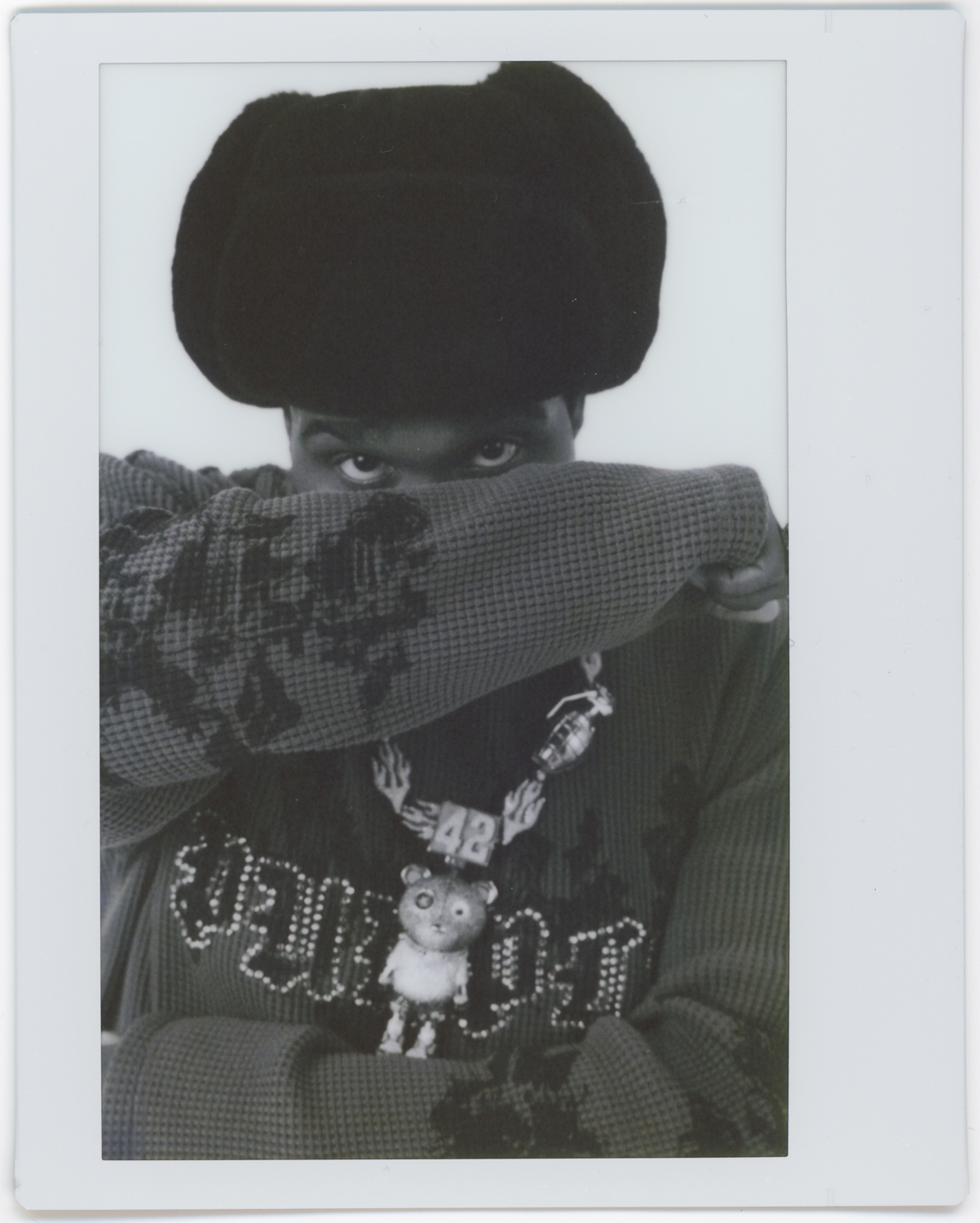
Yatra, too, sees reggaetón as a genre primed for blending, and his biggest hits show just how fluid its boundaries have become. Deeply influenced by reggaetón yet never confined to it, he has built an extensive catalogue, with songs such as “Traicionera” (2018) and “Tacones Rojos” (2022), that blurs the limits between pop and reggaetón. “I’ve never really written a song thinking I’m making this specific genre,” he says. “For me, rhythms are tools that help transmit certain emotions. Sometimes, a reggaetón beat helps me express what’s going on in a better way… That freedom to move between sounds and influences is also what keeps music evolving.”[11]
Alongside its genre-blending spirit, reggaetón has thrived on collaboration. Over the years, partnerships between artists have become one of the genre’s most powerful engines, uniting musicians from different countries, styles, and generations and carrying their music to audiences they might not have reached otherwise.
When regional Mexican Grupo Frontera teamed up with Bad Bunny on “un x100to” (2023), the song brought Bad Bunny to regional Mexican music fans and introduced Grupo Frontera’s sound to a global reggaetón audience. “Collaborations can bring together audiences that might not normally listen to the same kind of music,” says Grupo Frontera. “Our collaboration with Bad Bunny felt natural because the emotion behind the song connected us. It showed that these genres don’t have to exist separately. That openness to exchanging sounds has played an important role in reggaetón’s global growth.”[12]
Then there’s the remix, a reggaetón staple in which versions stacked with guest artists often outperform the original. Panamanian singer and songwriter Sech knows this well, having worked on blockbuster remixes such as “Otro Trago” (2019), with Darell, Ozuna, Anuel AA, and Nicky Jam, and “Relación” (2020), with Daddy Yankee, J Balvin, Rosalía, and Farruko. For Sech, though, chemistry is more important than reach. “A collaboration can take a song to places I might not have reached on my own, but for me, the most valuable part is what happens creatively,” he says.
“When two artists genuinely connect, ideas, sounds and emotions emerge that neither of them would have found in quite the same way on their own.” [13]
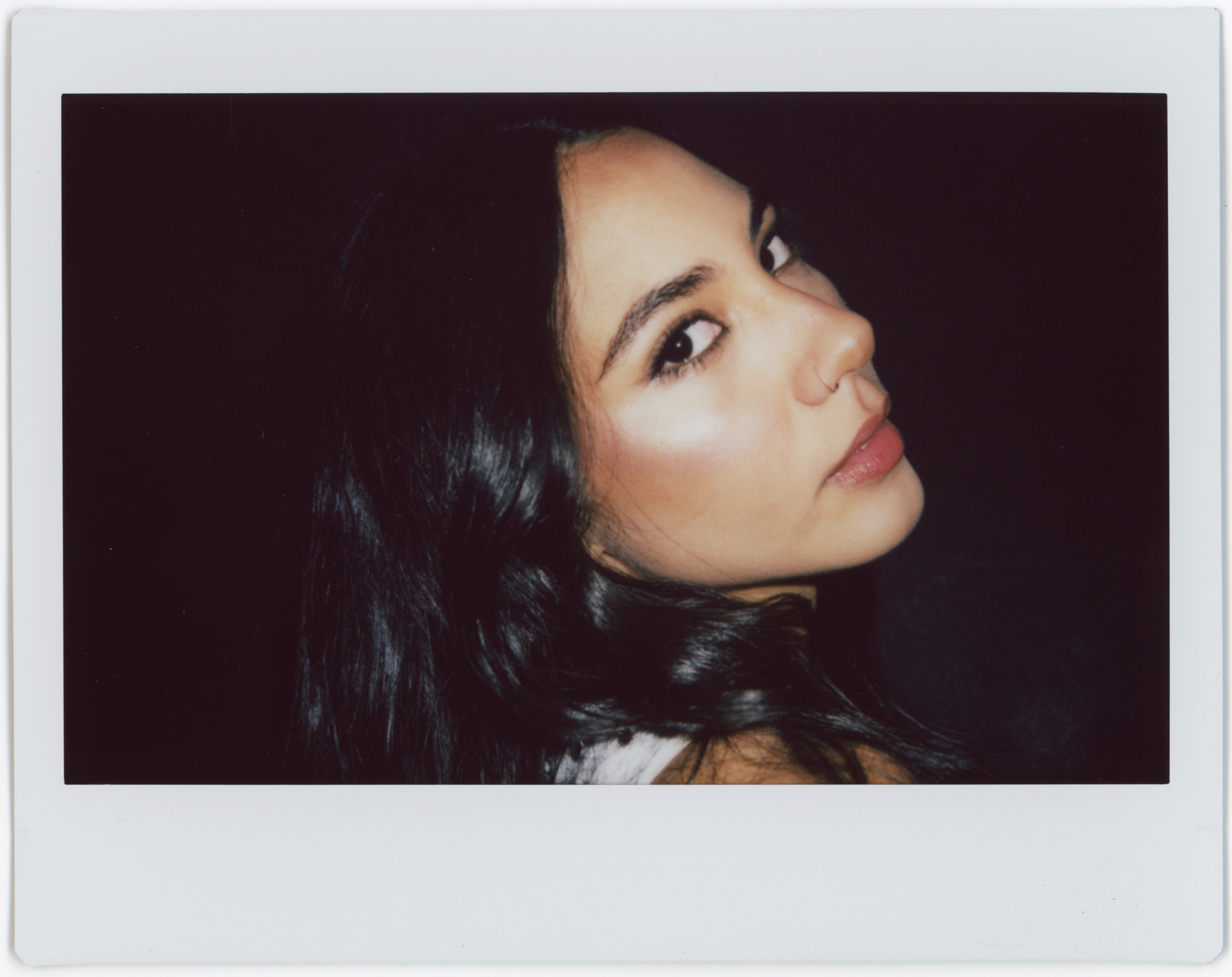
That sense of connection resonates with Puerto Rican singer RaiNao, who experienced it firsthand on “PERFuMITO NUEVO” (2025), her hit with Bad Bunny. She went on to join his Puerto Rico residency and world tour, offering a clear show of his support for the island’s next generation of artists. “A collaboration is nothing more than different minds sharing a common goal. Any pairing, however unimaginable it may seem, can happen if the intention behind it is sincere and genuine,” she says
“Collaborations have always been catalysts for musical culture around the world. In Puerto Rico, art is one of our superpowers, and artists understand very well the value and importance of coming together to become greater.”[14]
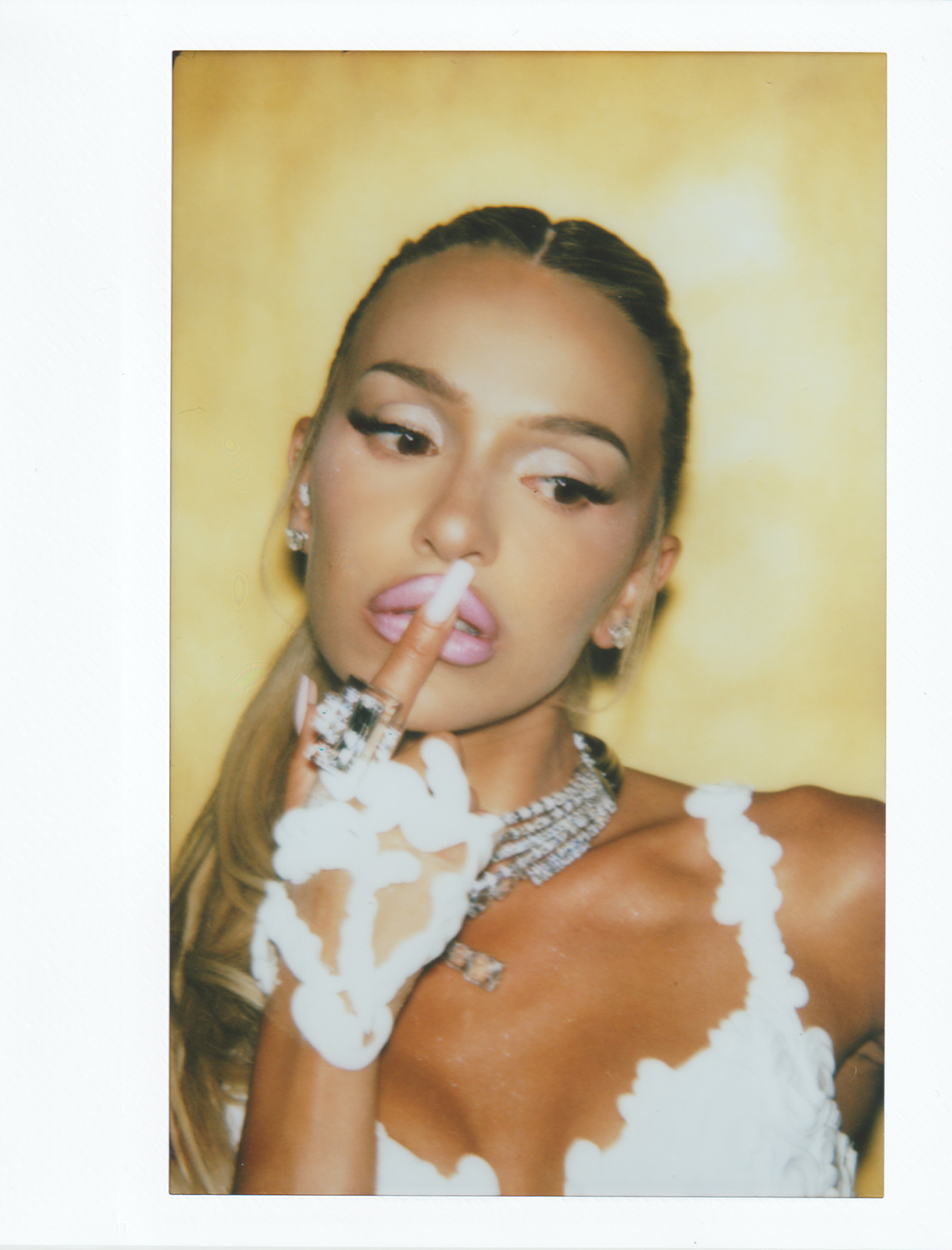
With Bad Bunny headlining the 2026 Super Bowl halftime show and being named Spotify’s Global Top Artist for the fourth time in 2025, reggaetón’s ascent shows no sign of slowing down. So where does reggaetón go from here? If recent history is any indication, much of its future lies in hybrid beats. Fusions like Yorghaki’s merenguetón and Bad Gyal’s dancehall-infused hits suggest a genre that is becoming less and less purist. Cultural journalist Pablito Wilson, for one, has predicted that, as its rhythms spread across other genres, reggaetón as audiences first knew it will become more of a niche. [15]
“In the DR, they’re sampling a lot of classic reggaetón songs and turning them into dembow. In Jamaica, the sound is becoming more influenced by American trap, but they still keep so much of their own flavour. The next chapter of reggaetón feels very free, and the new generation isn’t afraid to experiment and blend genres,” says Bad Gyal. [16]
In any case, one of the forces most likely to shape what comes next is artificial intelligence, which is putting the authenticity and human connection that fuelled the genre’s success to a test the entire music industry is grappling with. In late 2023, for instance, Chilean producer Mauricio Bustos, known as FlowGPT, sparked an uproar when he released “NostalgIA” (2023), a TikTok track that used generative AI to clone the voices of Bad Bunny, Daddy Yankee, and Justin Bieber. It quickly went viral, and Bad Bunny himself strongly called on fans to reject AI-generated tracks.
Looking ahead, artists like Sech see a future in which reggaetón doesn’t reject technology outright but draws clear lines around it. The Panamanian singer views AI as a door to new forms of experimentation, as long as it is used responsibly. “It also requires us to protect creators’ identities and be transparent about how their work is being used,” he says. “For me, the tools can change, but the human connection behind a song remains the most important thing.”[17]
Lunay agrees. Excited by the new generation’s ideas and eager to keep trying new sounds himself, he believes AI’s value depends entirely on how it’s used. “It can be a tool, but I wouldn’t want it to replace the personal side of making music,” he says. “A lot of what makes a song special comes from something that happens in the studio with your team, what you’ve lived, or what you’re feeling.”[18]
From the streets of Panama and Puerto Rico to the studios of Medellín, reggaetón has grown the same way it began: by borrowing, remixing and rebuilding what came before. Its restless appetite for reinvention has kept it evolving and reaching new audiences. Whatever tools the next generation picks up, the artists who brought reggaetón this far agree that the people behind it will remain its driving force. [19]
“At the heart of urban music are lived experiences. It comes from our neighbourhoods, from life in the streets and in our cities,” says Ovy. “Technology can help us create, but the message is shaped by the people who have lived these stories. That part will always come from the soul.”