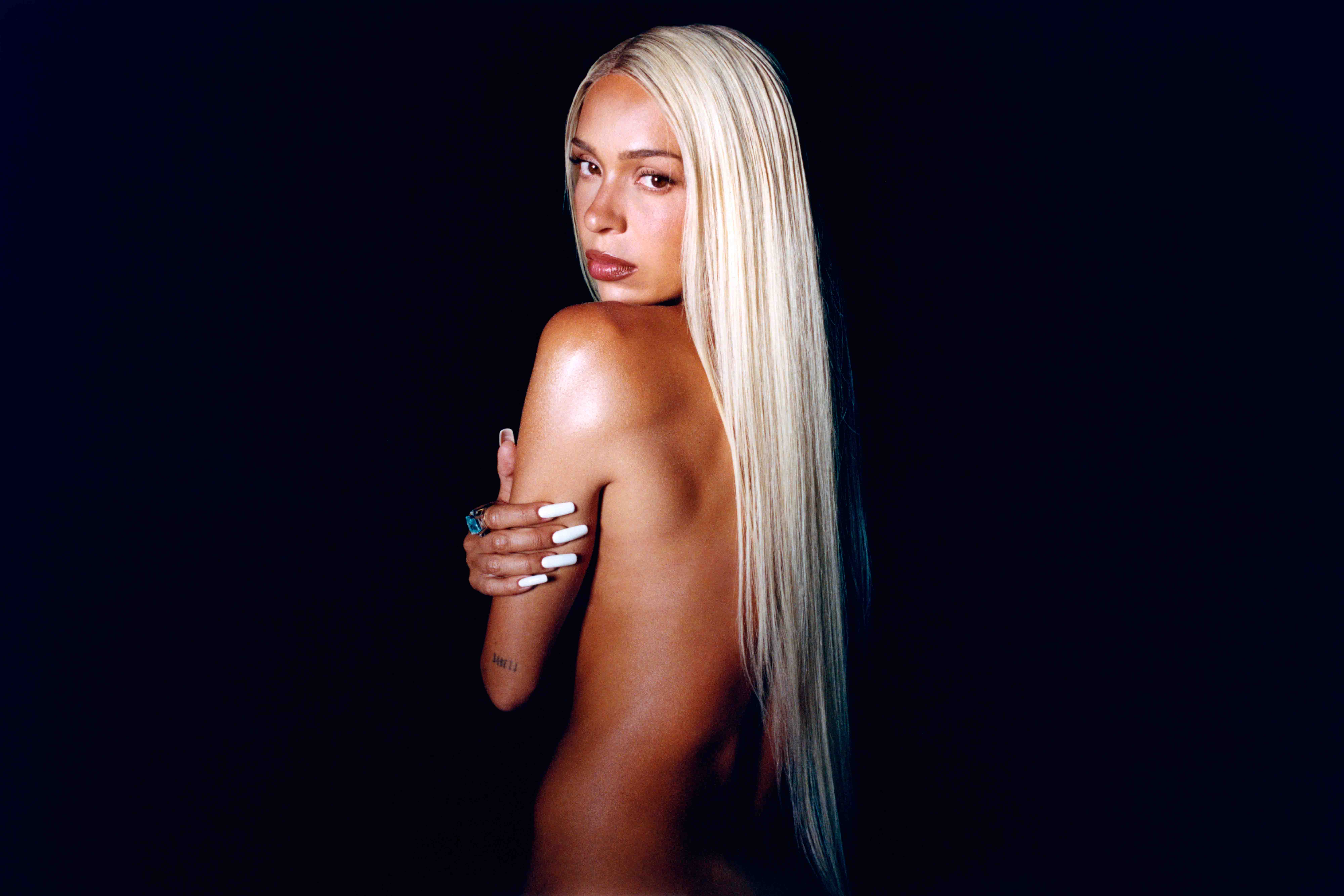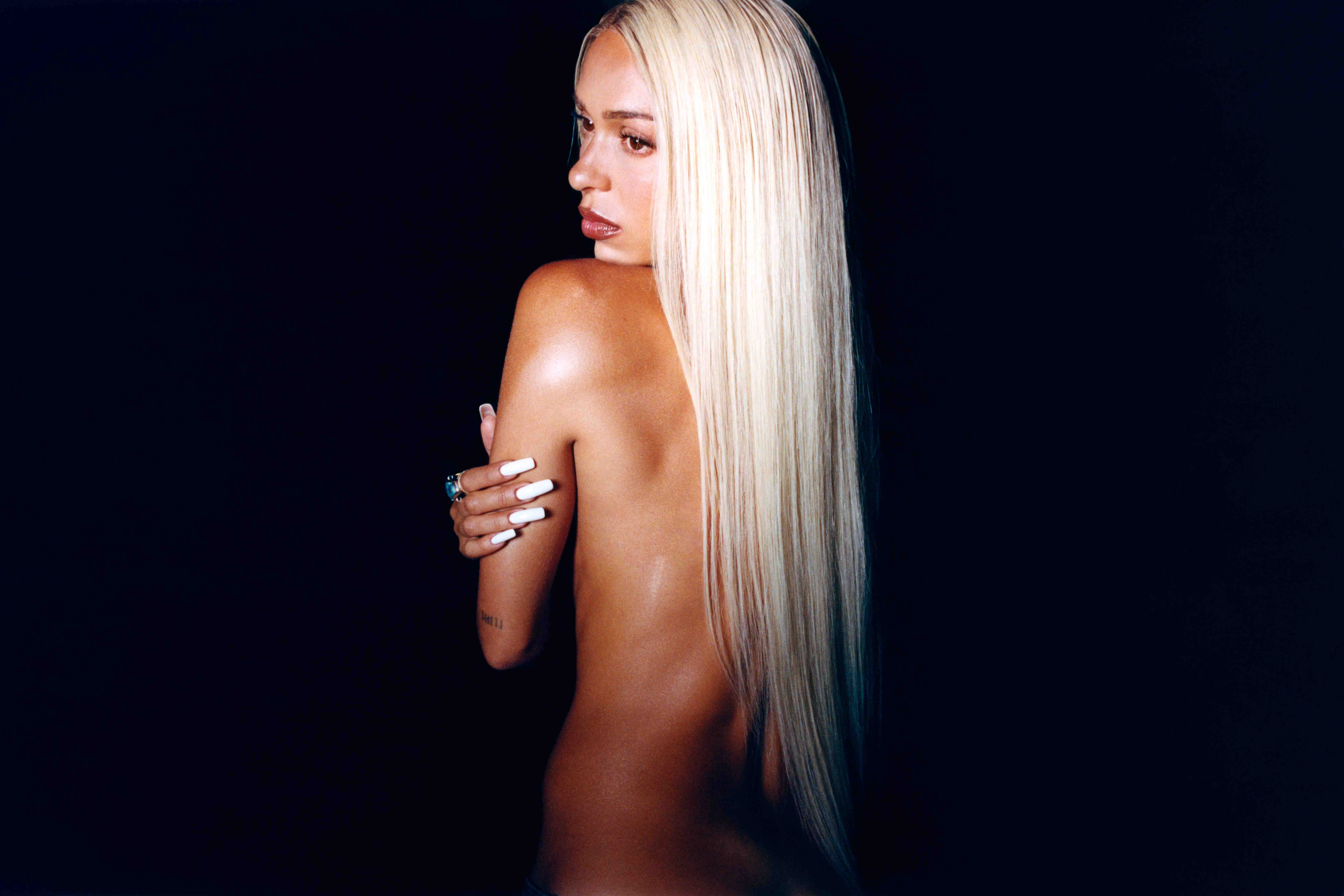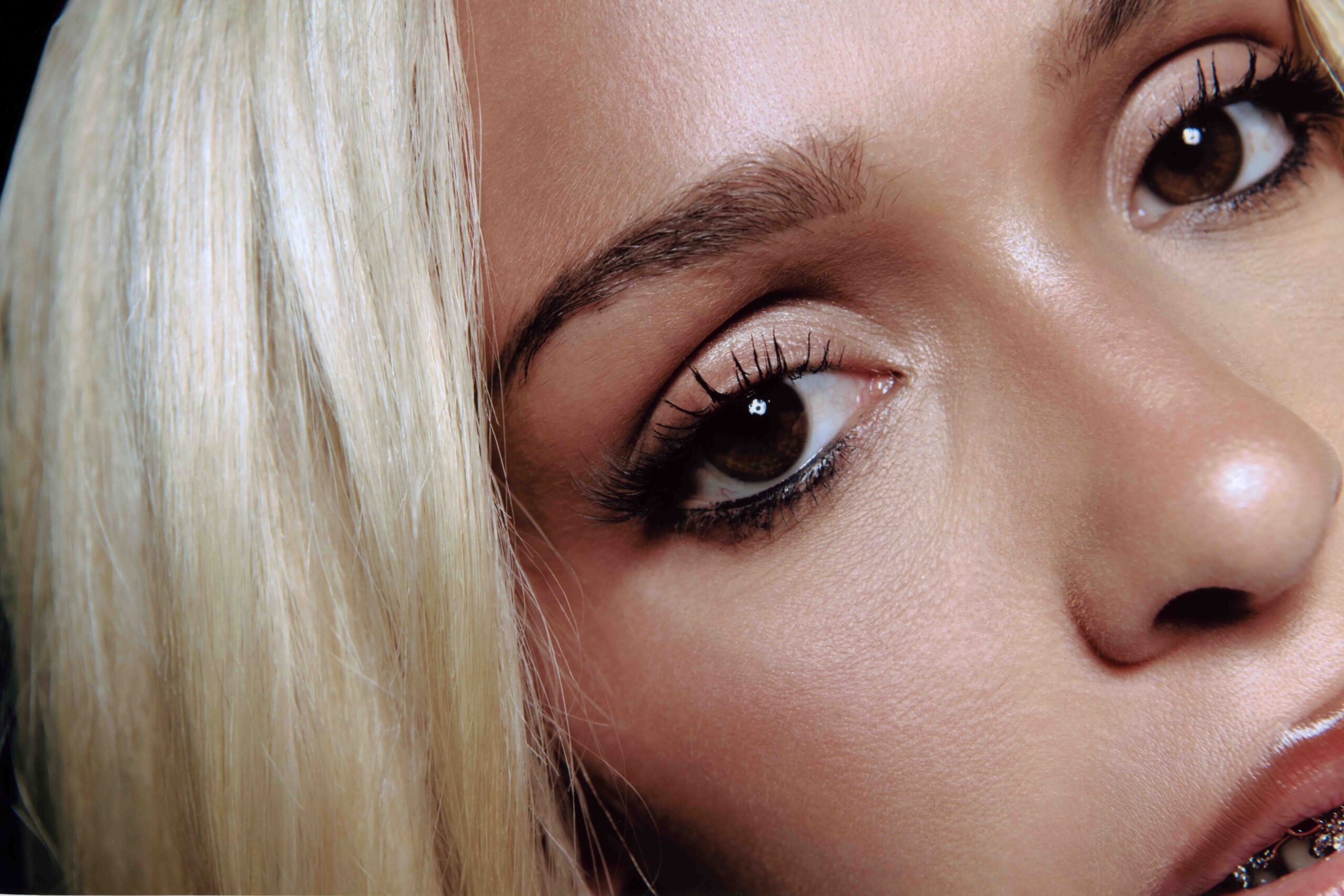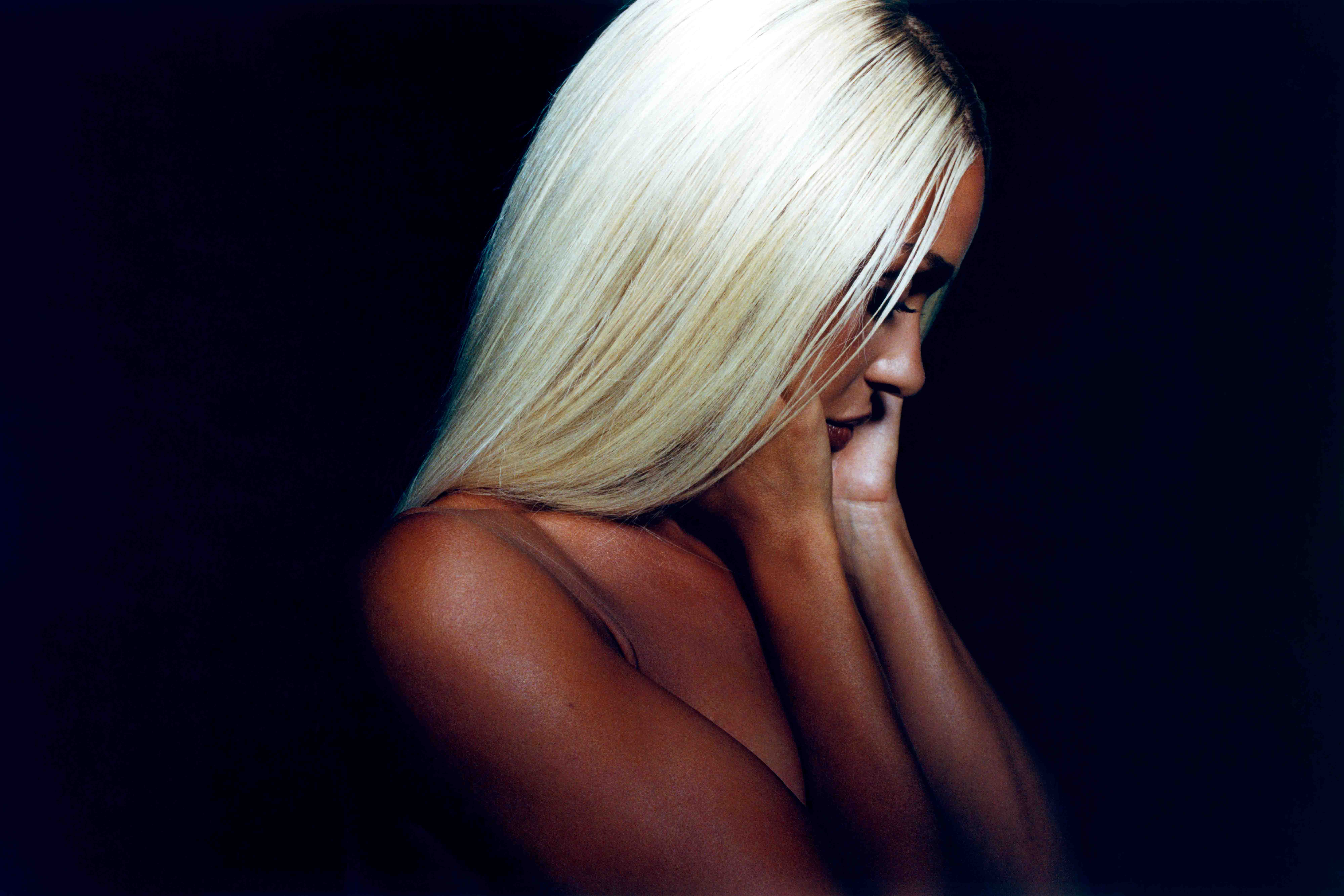
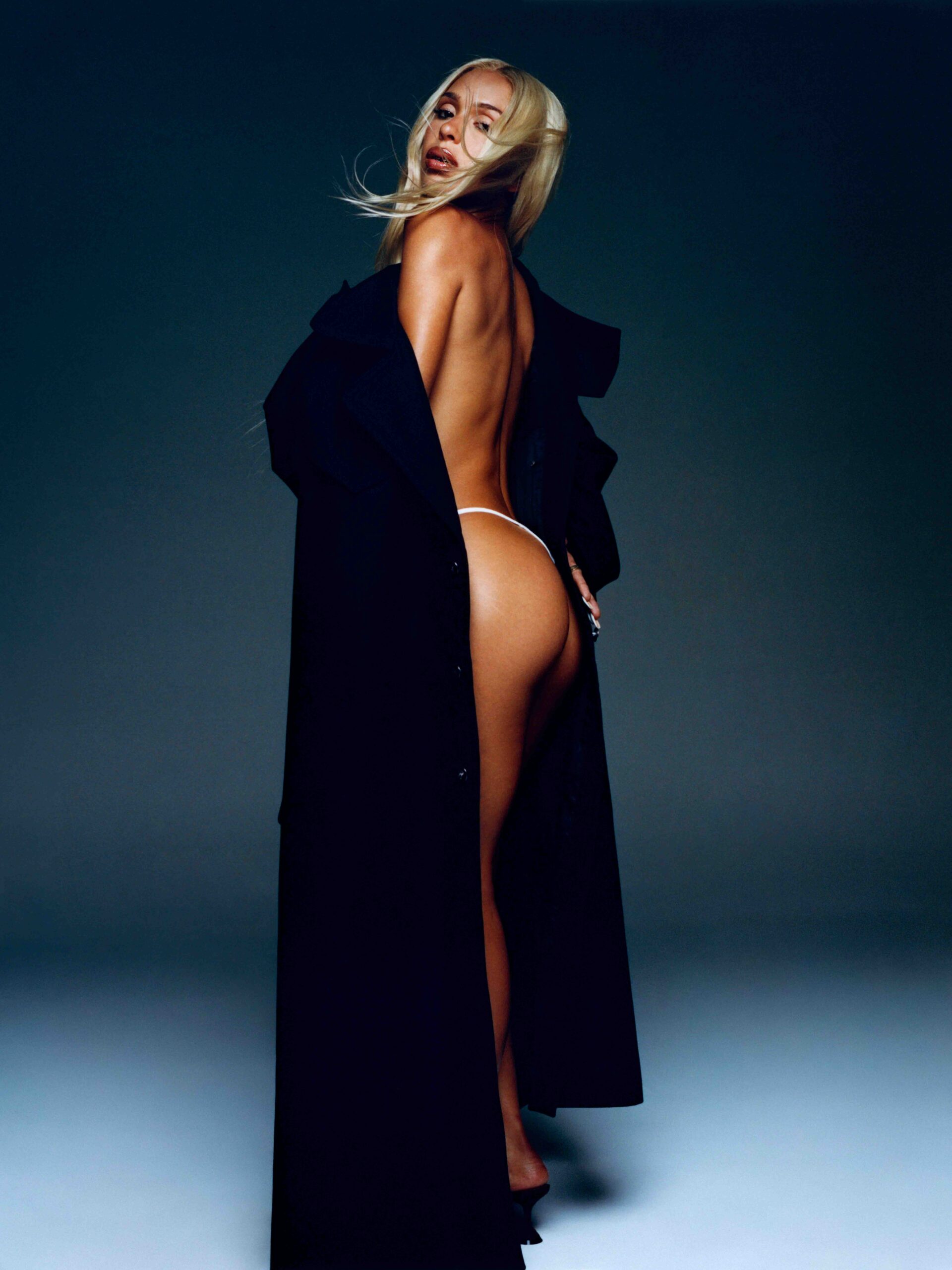
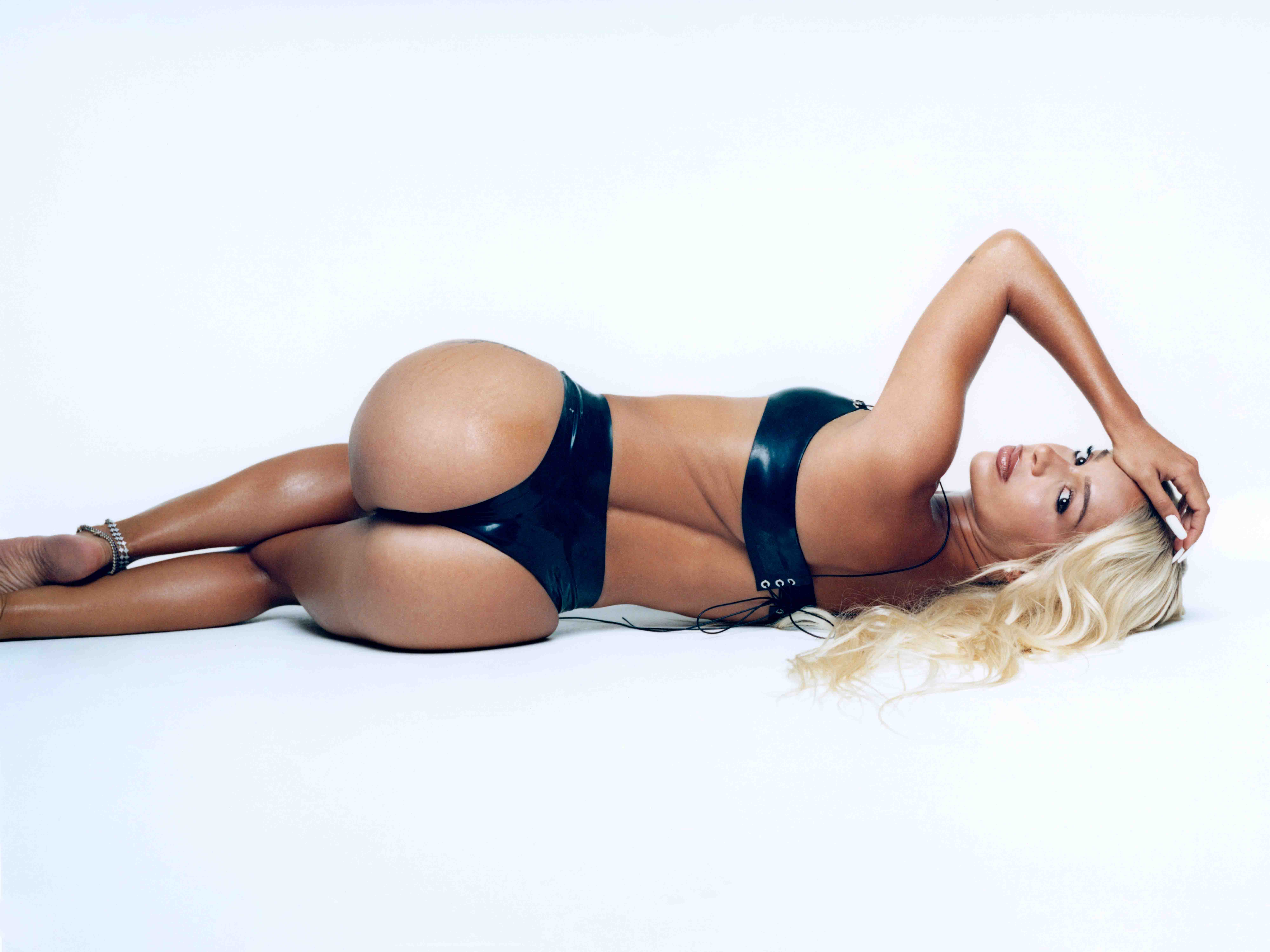

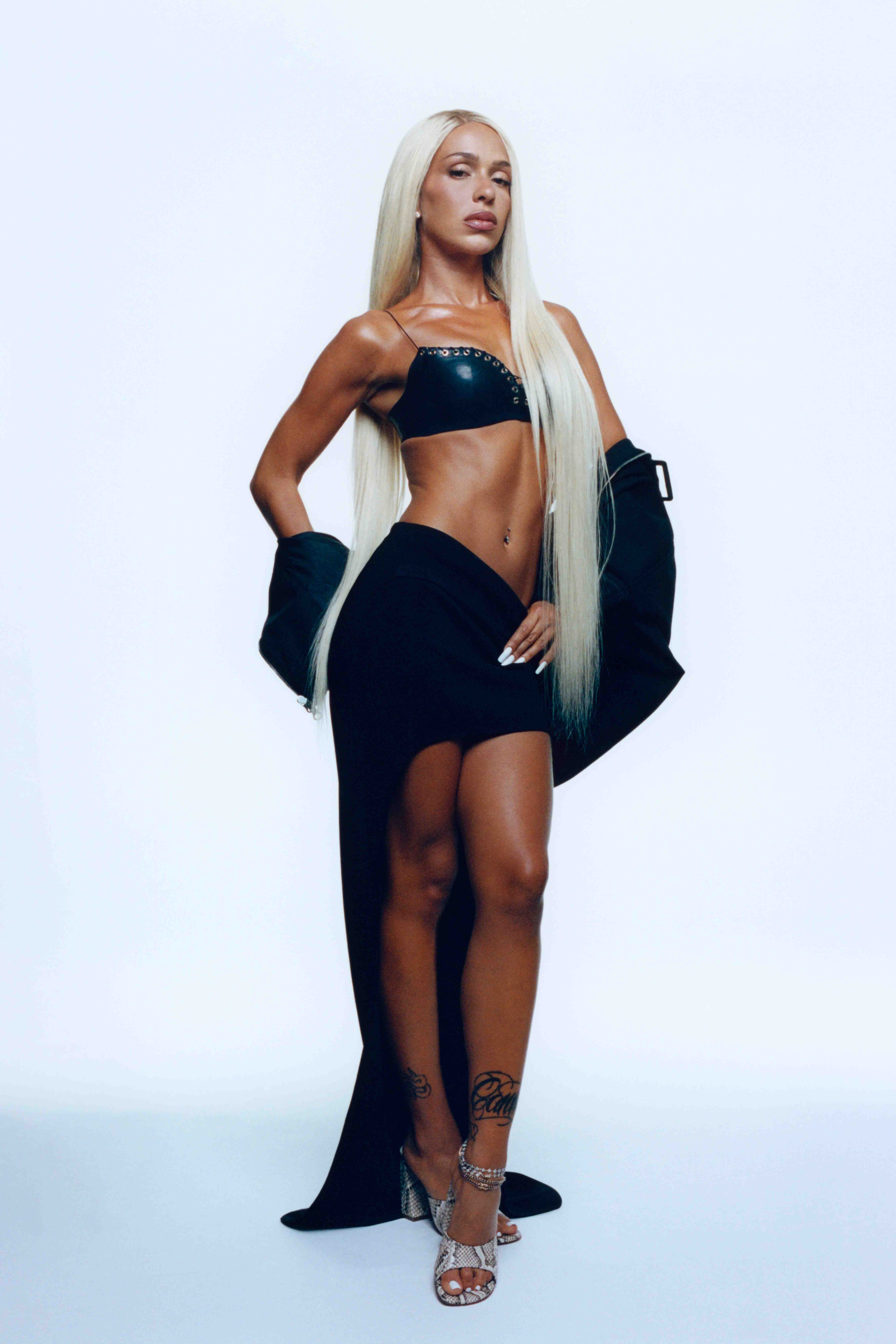
“For me, making noise in this industry… Well, I think I’ve made it, whether it’s positive or negative,” says Bad Gyal of her often polarising presence within the music industry.
Born in a small Catalonian municipality to the north of Barcelona, Spain, Alba Farelo i Solé came of age near the Mediterranean Sea listening to Jamaican dancehall and reggaetón as the Caribbean genres made their way to Europe from the other side of the world. It was against this backdrop of salty sea air and suburban malaise that the eldest daughter of a Spanish actor immersed herself in a music that would wind its way into her hips.
The resulting experimentation—starting with Pai (2016), a Catalan cover of Rihanna’s hit song Work (2016)—made her a Spanish indie darling. Slow Wine Mixtape (2016) followed, putting her on the map at a global level for its chilly, synth-driven, sensual take on dancehall riddims and a doleful alt-reggaetón that many credit as a pioneering album of the neoperreo subgenre. She then continued with well-received EP Worldwide Angel (2018), developing a reputation for working with the cream of the crop. After signing with Interscope, it wasn’t long before production from collaborators in the European alternative club scene such as El Guincho and DJ Florentino were fused with sounds by juggernauts of the mainstream pop and reggaetón worlds such as Nely El Arma Secreta and Scott Storch.
Bad Gyal leaned in, sonically and aesthetically. Her next EP Warm Up (2021) saw her go heavy on the chart reggaetón—see the Zorra remix (2021) with then budding Boricua bad boy Rauw Alejandro. Her major-label debut album La Joia (2024)—“the jewel,” in her native Catalan—further refined this sound, giving her a global hit with Chulo pt.2 (2024), alongside Young Miko and Tokischa, and a chance to work with genre OG Ivy Queen. From here, she started playing with bachata, working with Los Sufridos, a production collective from the Dominican Republic that put Bad Gyal on a remix of their hit Duro De Verdad (2024) that went to number one in Spain.
There’s a refreshing self-awareness to Bad Gyal, who recognises the eyebrows she has raised by making music that is unapologetically influenced by the Caribbean, but that comes from her own positionality. It’s an influence that’s notable, though its sheen has changed significantly. Compare the music video for Pai (2016), in which the then teenager wears a Paris Saint-Germain jersey and braids before understanding their cultural significance within the Black community, to latest release Da Me (2025), in which, nine years later, she is transformed into a world-class pop star: one who acknowledges the roots of the genres she’s been moved by, collaborating with its top producers and performing demanding bachata and reggaetón choreography in heels.
These two versions of her overlap in the water: 2016’s Bad Gyal appears fully-clothed in a bathtub, looking doe-eyed at a camera, while this summer’s incarnation strikes a pose in a luxury shower, clad only in clear heels. Perhaps it’s worth mentioning that she’s a Pisces (siren antics come with the territory). It’s not hard to be lured in by her aura, which has drawn both scrutiny and allies that include dembow pioneer, frequent collaborator, and Los Sufridos member Cromo X.
“As I was becoming a teenager and then an adult, I started understanding where all this music came from,” Bad Gyal tells Cromo X in their conversation. “I feel like it’s really influenced and shaped me in an organic way, out of passion and a place that is deeply felt, those things you absorb out of love and admiration.”
Enjoying a cigarette poolside in Puerto Rico before jetting to Panamá for Premios Juventud 2025, Bad Gyal speaks to Cromo X about her trajectory from Spain’s underground scene to global pop stardom, working with (and getting co-signs from) legends of El Movimiento and deep listening to everything from Dominican dembow to Martinican shatta.
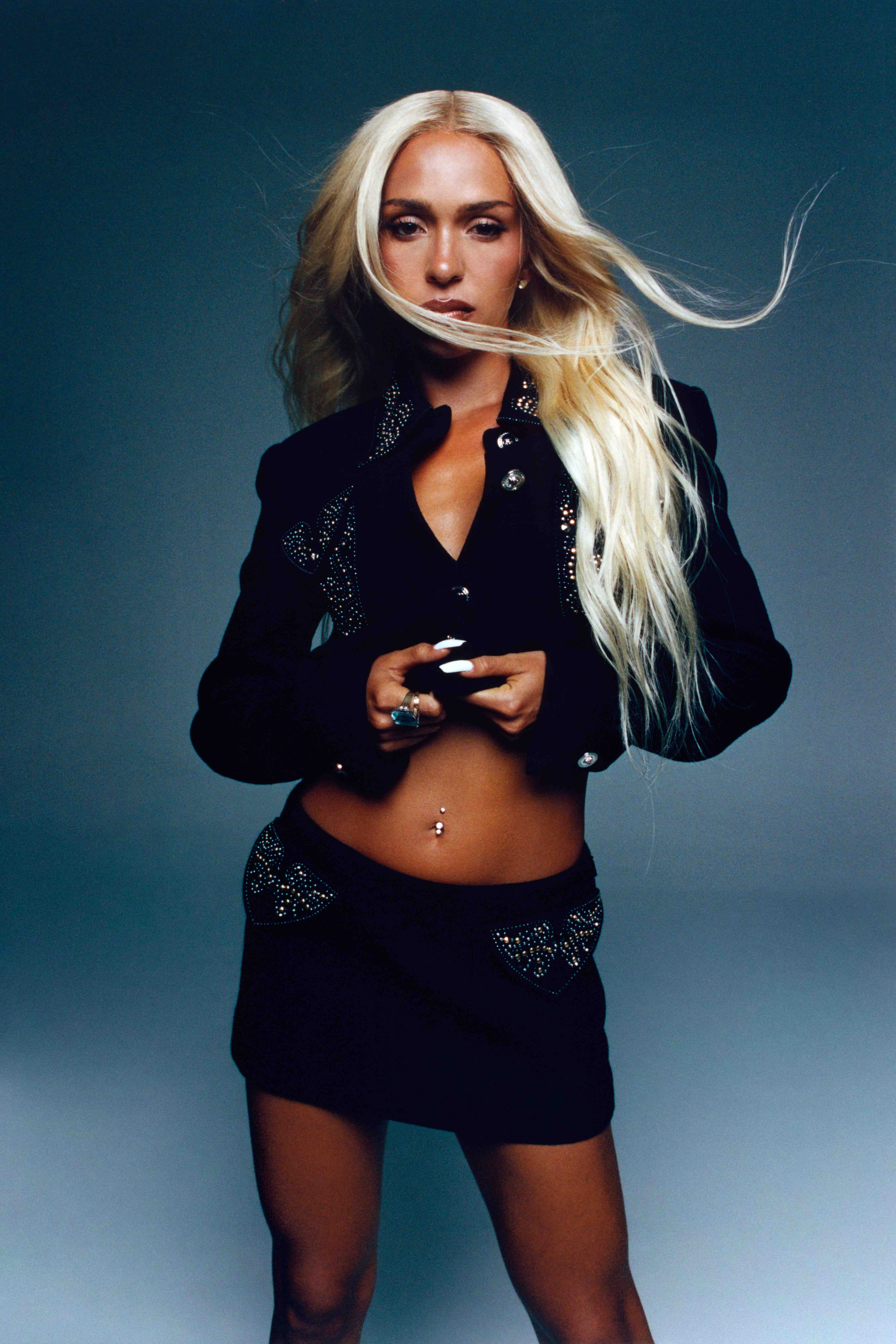

I have a memory in my head of going to the mall and they were playing a Sean Paul video on the screens… After that, when Spotify came out, I was like 13 and a bit friki, and I’d go down these music rabbit holes in my bedroom. I got into Busy Signal, Collie Buddz, and started being influenced by reggae and dancehall. From there, I became more conscious that these rhythms come from Jamaica and, parallel to that, started getting into reggaetón. It was very corporeal. I love to dance, and that music made its way into my body in a way that was like “que guay”… It made me want to move.
Because of where my career has taken me, I have met musicians such as Anitta and Kaio Viana, who worked with me on the Formosa remix (2022). These opportunities came about very naturally, and I threw myself into these collaborations. There are different genres that have interested me, but that I felt were a bit outside of my circles, like our collab. The same with kompa and guaracha. I’ve still had the luck of being able to propose ideas in that vein in the studio and motivate the people around me.
I started out working largely just me and a producer, working with less intention and more freedom. As the years went by, it felt like a fashion designer sewing alone in their room and then suddenly, as they got more eyes on them, they thought, “What do I want to say with this collection?” I had the chance to get more specific. I have traumas from moments when the creative process is forced and it doesn’t work well. Then I met you, hermano. You have been such an important piece and I’ve been lucky enough to be friends with you for years. I feel like, because we know each other and have talked so much shit and laughed so much with each other, the things we’ve shared and cried about and the way we’ve known each other at such a level has allowed us to really generate a good dynamic in the studio. You welcomed me into an era of writing in a group, and it’s something that has added so much to my project and allowed me to get more intentional with it.
Man, I don’t remember, if I’m honest… For me, it was like we just went for it. I was listening to [the original] a lot. I really did love the song, and it made me really connect to your project as a fan outside of just being your friend. I loved everything about [Los Sufridos], down to the videos, but I didn’t think [Duro de Verdad pt. 2] would be the song that I would collaborate on with you. And then there we were in the Dominican Republic, and I really felt like we connected over the track, the way we lived it… When we finally recorded it, it was magic.
Recording hungover as hell on January 1st…
And to think it came from a song that happened so randomly—we were obliterated laughing. It was such a real moment, man, and with so much trauma in the industry sometimes, and people pairing you with this or that artist and spending so much on marketing… and then something like this just gets to the top. It was magic, from start to finish.
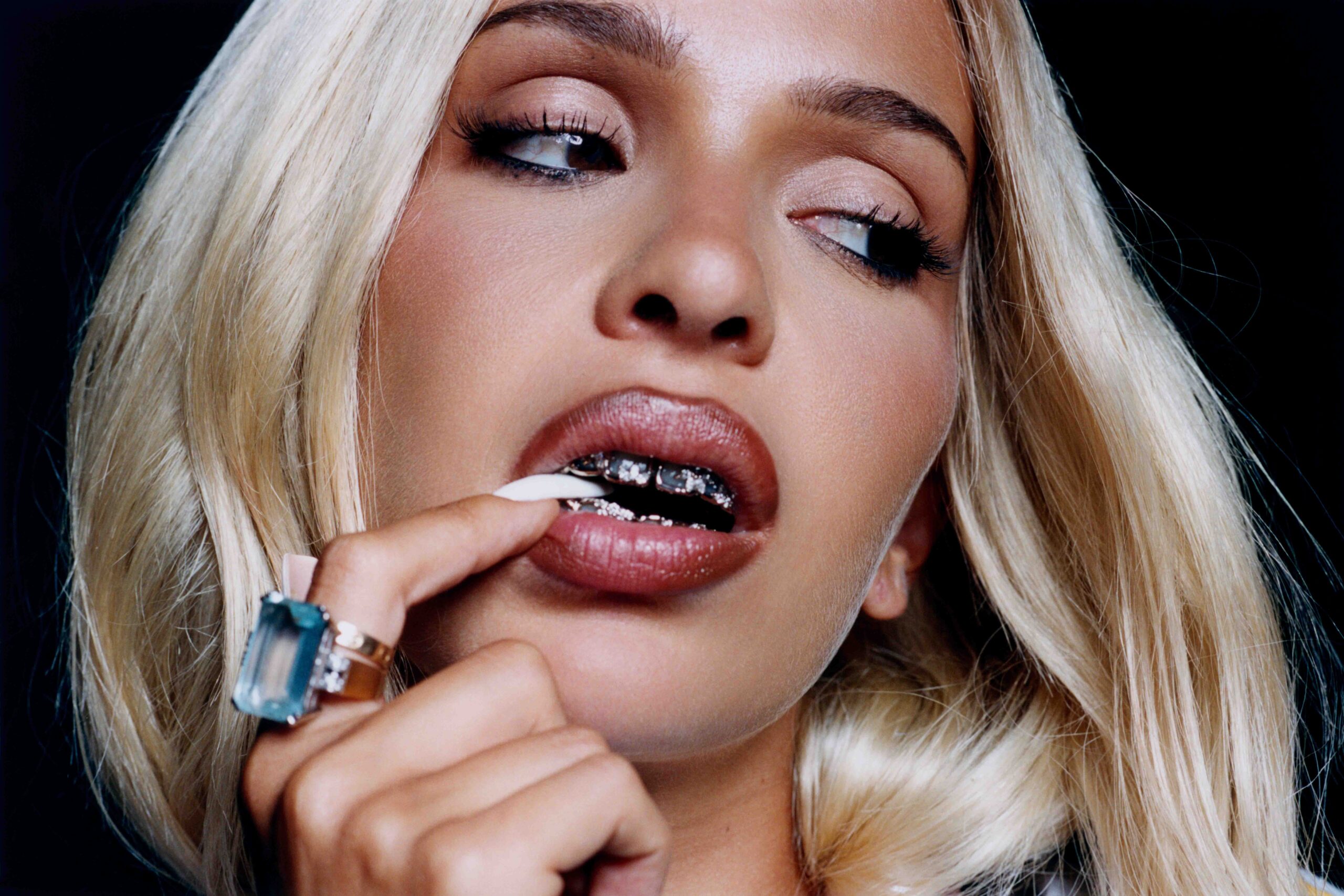
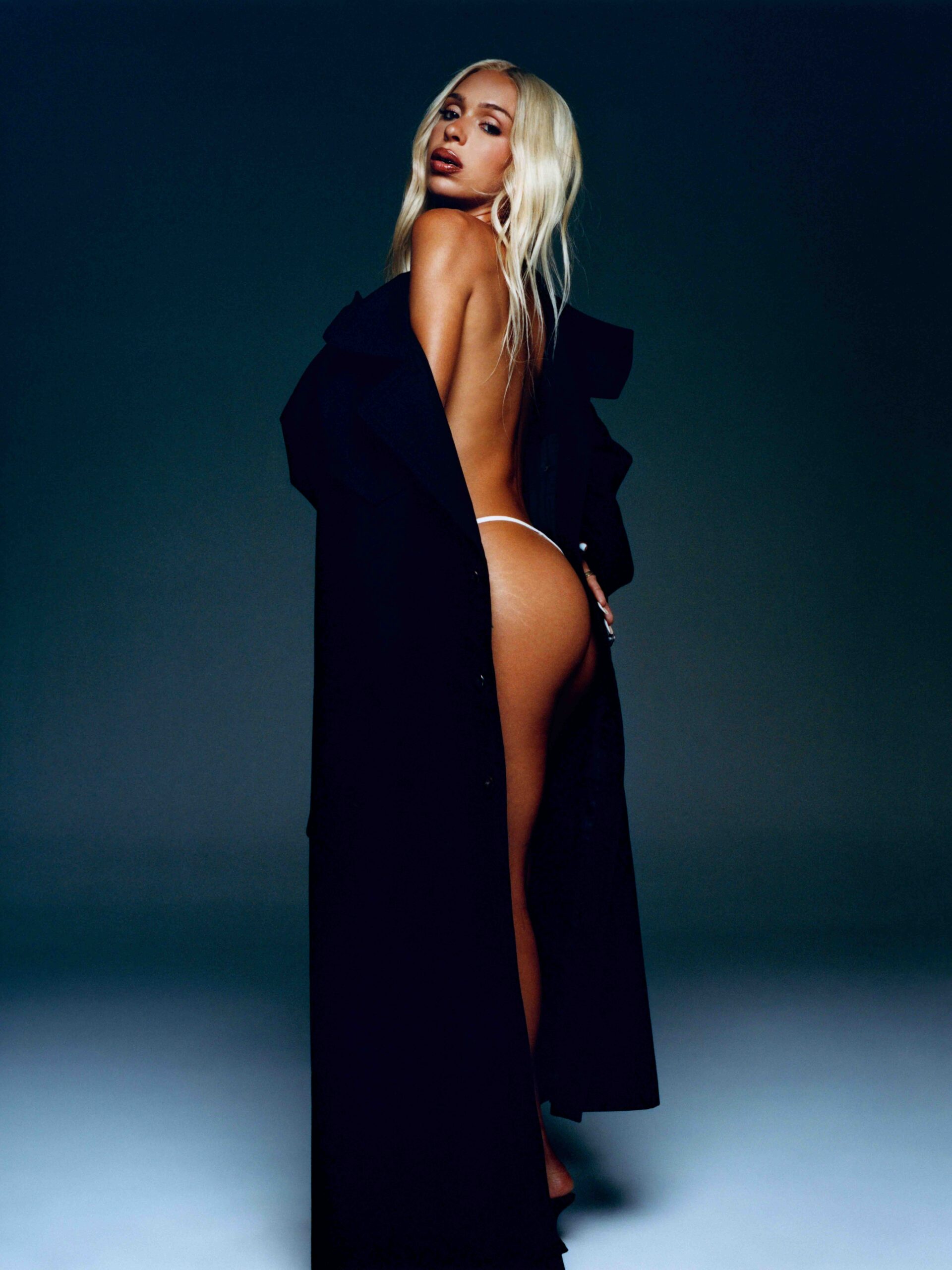
That’s a good story… We were connected by a fucking reggaetón legend: Nely el Arma Secreta. Aside from being someone who made some of the genre’s most important songs globally, he’s very tapped into what artists are coming up in Puerto Rico, and in general. He had his eye on me; I remember he was one of the first to record with me in Miami when I was 20 or 21. From there, I went to Puerto Rico and Cromo was there. He told us both separately that we had to meet—and then we did, at a party.
The fact that we have such a good friendship, and are so chill in general, helps me relax and makes everything easier. With anyone else, I’d feel so much more pressure.
Sometimes I listen to a song [from Slow Wine Mixtape] and it’s like, “Damn, I hated this but it’s actually great,” and I’ll also feel the opposite. With Fiebre”, I’ll always understand the importance that it had, and it will always surprise me that I was just 19 when I wrote it. It’s still one of the best songs I’ve ever written, and it keeps surprising me how a girl who had no idea what she was doing wrote a song that keeps playing nine years later. People will still tell me it’s their favourite.
That one’s kind of embarrassing for me, if I’m real… That one and Dinero (2016) represent specific moments I was living in that moment. When I started singing, I had a job at a bakery in the morning; I was saving up to study fashion design. When I finished that job, I would study in the mornings and take a tupper with my food to university. I would eat in front of this bank on the street, and then I’d go to another job at a call centre. On weekends, I started doing my first small shows, so I didn’t really have a life. My life was uni in the mornings, work in the afternoon and through the night, and then my other job trying to be a singer on weekends. I was doing what I could, but I felt like I had to do all these things to defend trying to be an artist on weekends. I didn’t see myself as an artist, just a normal girl working for six euros an hour. Those songs represent that moment’s Alba.
A dream, hermano. I remember getting her vocals back, and she still has that essence of a Boricua reggaetonera from the nineties. You can note the Jamaican influence as being the blueprint in everything, from her voice itself to the way she delivers a verse. She’s actually also a Pisces. It honestly felt like I was meeting myself 25 years later. She’s so detail oriented. She came with a gift to my birthday dinner, and the entire time only had kind things to say. I honestly couldn’t believe it, hermano. It made me so happy; it’s a specific experience, concrete and unique, that honestly doesn’t feel like anything else—it’s not like two hours at the gym, or playing a show to 20,000 people, or even like hitting #1 in my country. It’s a gratification that feels atemporal, a very professional but also personal fulfillment. It was truly incredible.
When I was more immature, I’d come to a session and expect everyone to have the same methods. When you work with an OG producer, you have to have more patience and read the room so you can really connect with them. It’s not the same working with a Nely, or a Rvssian, or a Scott Storch… They each have a personality and a way of doing things. One of them will light a big ass joint and spend three hours playing the piano with no rush. I learned that, even if a session goes like that, it’s not a waste of time. Then there are others who come in super prepared, with toplines, beats, everything. Each master has their method, and you have to know how to best make use of those moments.
I feel like I’ve been given a lot of tools and have been able to squeeze the juice out of all those experiences, which is what I’ve been wanting to do to take things to the next level, you know? The essence hasn’t changed. It’s not going to be a conceptual album, where I’m looking to define a feeling, defend a concept, or evolve Bad Gyal into something else. I’d say, if anything, it’s even more my essence than ever, taken to a truly excellent level because of the tools I now have and how I’ve consolidated them as an artist. I can work with the best writers—like you—and the best topliners, with legendary producers and new ones that are making noise. I feel like I’m finally able to combine all these tools and go hard.
And I’m proud of you! Thank you for putting up with me. I think the last few days I’ve been kind of insufferable, but I also think making music is such a personal thing and depends so much on your mood and where you are in your life. Like with anything, sometimes the process has high and low points, but 90% of the time we’re busting our asses working and pissing ourselves laughing.
I love that, when we go out, we’re the most insane ones, but when it comes time to work, we go fucking hard. I mean, we’ve really put hours in at the studio. I’ve learned so much from you. We have both consumed a lot of music that’s complicated, as far as composition goes: me with Jamaican dancehall, which is in patois and has all these other codes, like “gypsy” which is a sublanguage that plays with the syllables in words. I’ve consumed a lot of nineties reggaetón with complicated slang, and dembow too. I’ve learned a lot from you about simplicity and communication through your lyrics. You’ve never lost that underground essence and those codes, while still communicating them in the clearest way possible. I’ve also learned a lot from you about longevity, career, constancy, and not getting desperate. Every artist has a different road to tread, a different story.
Sometimes, I still feel like, “Should I be fucking with these rhythms?” But it’s… something so physical for me. It would be torture if I didn’t show you a genre, or if I didn’t let myself listen to something, enjoy it, share it on my networks, or play it at my shows and make choreography out of it… It would be so limiting.
I feel incredibly privileged in that regard, as an investigator and a fan. I’ve had so many dreams come true, meeting my favourite producers and even working with some of them.
I love nature sounds. It might not seem that way because I look like a Barbie, all superficial, but I love the sounds of the forest, of the sea. When I was little, I didn’t realise how valuable those sounds were, even though they were so simple. As far as the industry….there’s always something to talk about, one way or another. It makes me doubt myself sometimes. Am I too explicit? Is my body language, or my language in general, closing certain doors for me? But fuck it, it’s hard for me to stop being myself.