A New Vessel of Knowledge
Nothing exemplifies the inevitability of change quite like our planet. In the volcanic mountains that accumulate over millennia, the telltale isotopes trapped inside permafrost and the biomarkers encased in sedimentary rock, Earth’s massive flux of geological, chemical and biological processes is archived in the very vessel that sustains them.
As the rate of change increases due to human activity, so expands the cache of history recorded within its confines—albeit in large part due to the huge amounts of data added electronically, as areas of natural wealth are paved over to build the infrastructure on which human’s obsession with knowledge and computation relies. It could be argued that the perceptibility of this relatively new pedagogic vault depends upon the survival of human society, but the same is true of buried dinosaur skeletons and ancient DNA fragments: without a conscious being to perceive them, their stories remain buried in obscurity.
But where might humanity’s perpetual excavation and compulsive hoarding of information lead? From the primordial soup and the first building blocks of life, to the rise of multicellular organisms and the fall of entire classes of fauna, all the way through to the evolution of our species and more recent emergence of human consciousness, civilisation and enlightenment—the history of Earth as we know it is stored “in the cloud.” Hosted inside vast data centres, this preservation of memory and discovery is giving rise to a new form of man-made intelligence that threatens Earth’s status as the preeminent driver and archiver of change, while calling into question what it means to evolve.
Origins: The Pathway to Multicellular Life
Adaptive systems that do not derive their energy from the sun or oxygen—the main catalysts of animal and plant life—may seem incompatible with what we consider to be alive, but Earth’s earliest lifeforms survived long before sunlight or oxygen drove life forwards.
It is thought that the first anaerobic protocells consumed simple organic molecules that—though naturally occurring in the primordial soup—were scarce. As they gradually depleted, the organisms which relied upon them likely vanished, leaving no surviving evolutionary lineage. A common ancestor of contemporary lifeforms first emerged around 3.5 billion years ago, but in a world almost entirely devoid of oxygen. Genetic reconstructions suggest that it relied on hydrogen-based metabolism—and perhaps iron- and sulfur-dependent chemistry—thriving near deep-ocean hydrothermal vents with natural chemical gradients. This source of energy was stable and abundant, allowing one simple kind of microbe to grab a foothold, before diversifying in adaptation to Earth’s changing conditions.
It was only after the evolution of cyanobacteria that Earth’s chemistry began to change in favour of aerobic life. These were the world’s first organisms to exploit oxygenic photosynthesis, processing water, carbon-dioxide, and photons from the sun, and producing oxygen as a byproduct. The spread of cyanobacteria triggered a rapid rise in the planet’s oxygen constitution around 2.4 billion years ago, an event evidenced today by seafloor rocks rich in deposits of iron oxide minerals—a direct consequence of oxygenated shallow waters mixing with deeper waters consisting of high concentrations of iron. This sudden change, known as the Great Oxidation Event, made the environment less suitable for other microbes, affording them little time to adapt and leading many to go extinct. Oxygen levels later crashed to much lower levels, stabilising for a couple of billion years, before rising to near modern-day levels around 540 to 800 million years ago.
In the meantime, there were dramatic shifts in the composition of other single-celled organisms. The rise of eukaryotes stemmed from a phenomenon known as endosymbiosis, in which one type of cell begins living inside another: after engulfing a bacterium, the host cell holds onto the foreign body, the two entities residing in a mutually beneficial relationship until their genetic codes merge into a single identity. Referred to as mitochondria by biologists, the acquired “organelle” offers a massive advantage to the host cell, acting as an efficient energy-factory while obtaining a steady stream of nutrients and protection from external stresses.
This organic fusion was another key step towards aerobic life. Further adaptations followed: DNA was packaged inside a nucleus for the first time as eukaryotes began grouping together, living beside each other to gain survival benefits, with different cells performing distinct tasks. These interacting, genetically-related cells would eventually evolve into the first multicellular life on Earth, before developing into early animals in the form of sponges—simple reef-builders whose descendants survive to this day.
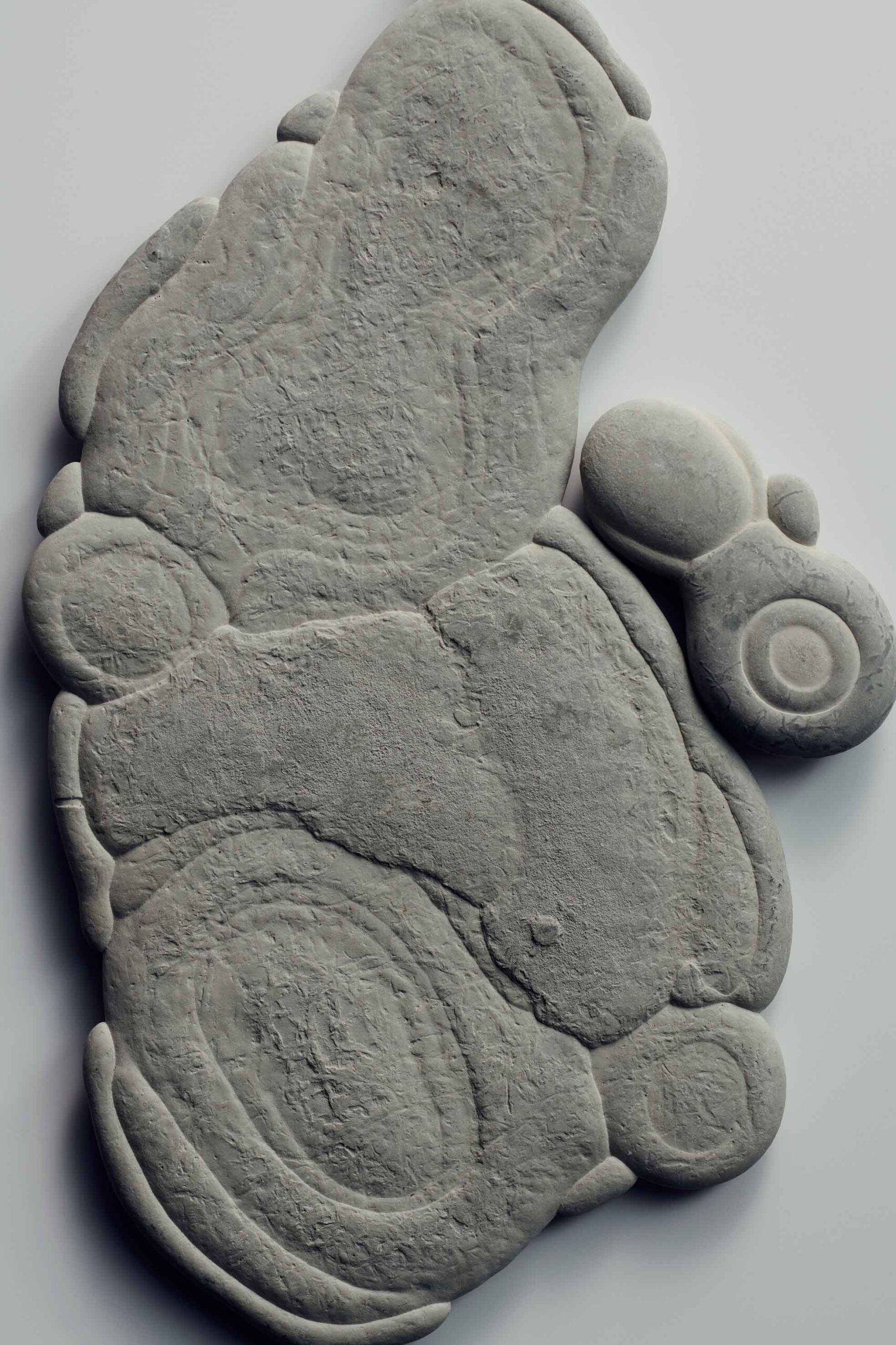
According to molecular clock analysis—a method which estimates when species diverged by measuring genetic differences and assuming mutations accumulate at a roughly constant rate—sponges emerged during the Ediacaran period around 700 to 800 million years ago. As primitive filter-feeders, they helped set the stage for the coming Cambrian explosion, further oxidating their environment by preventing the decomposition of the bacteria they consumed. The fossil record shows that they lived alongside animals with similarly rudimentary forms—including ribbons and fronds—until 540 million years ago, when oxygen levels reached their peak during Earth’s second recognised oxidation event.
Ediacaran creatures began to give way to a whole array of more complex-bodied, aerobic fauna such as burrowing worms, which may have made conditions less favourable for stationary feeders such as sponges. Other Cambrian animals evolved protective adaptations, like shells and spines, as well as more defined body parts, like heads and tails. The Burgess Shale—a 508-million-year-old fossil treasure that offers an unmatched window into early animal evolution by preserving soft-bodied animals in extraordinary detail—demonstrates the astonishing variety of Cambrian life. This accelerated diversification event coincided with new feeding styles and the development of early food webs—the blueprint for modern-day biodiversity and highly interconnected ecosystems.
From Simplicity to Complexity
Today, the composition of the oceans and the atmosphere remains relatively stable, with evolution shaped largely by competition and cooperation—although rapid, human-driven global heating threatens to destabilise this balance. Throughout Earth’s history, whether the stimulus is anthropogenic, environmental, reproductive, or interspecies, given enough time complexity tends to arise, even as simpler forms persist. This spontaneous organisation of simple matter into elaborate forms is not confined to life on Earth; it spans the cosmos, where stars and planets form from clouds of gas that coalesce, igniting through nuclear fusion and forging the heavier elements that seed solar systems and life.
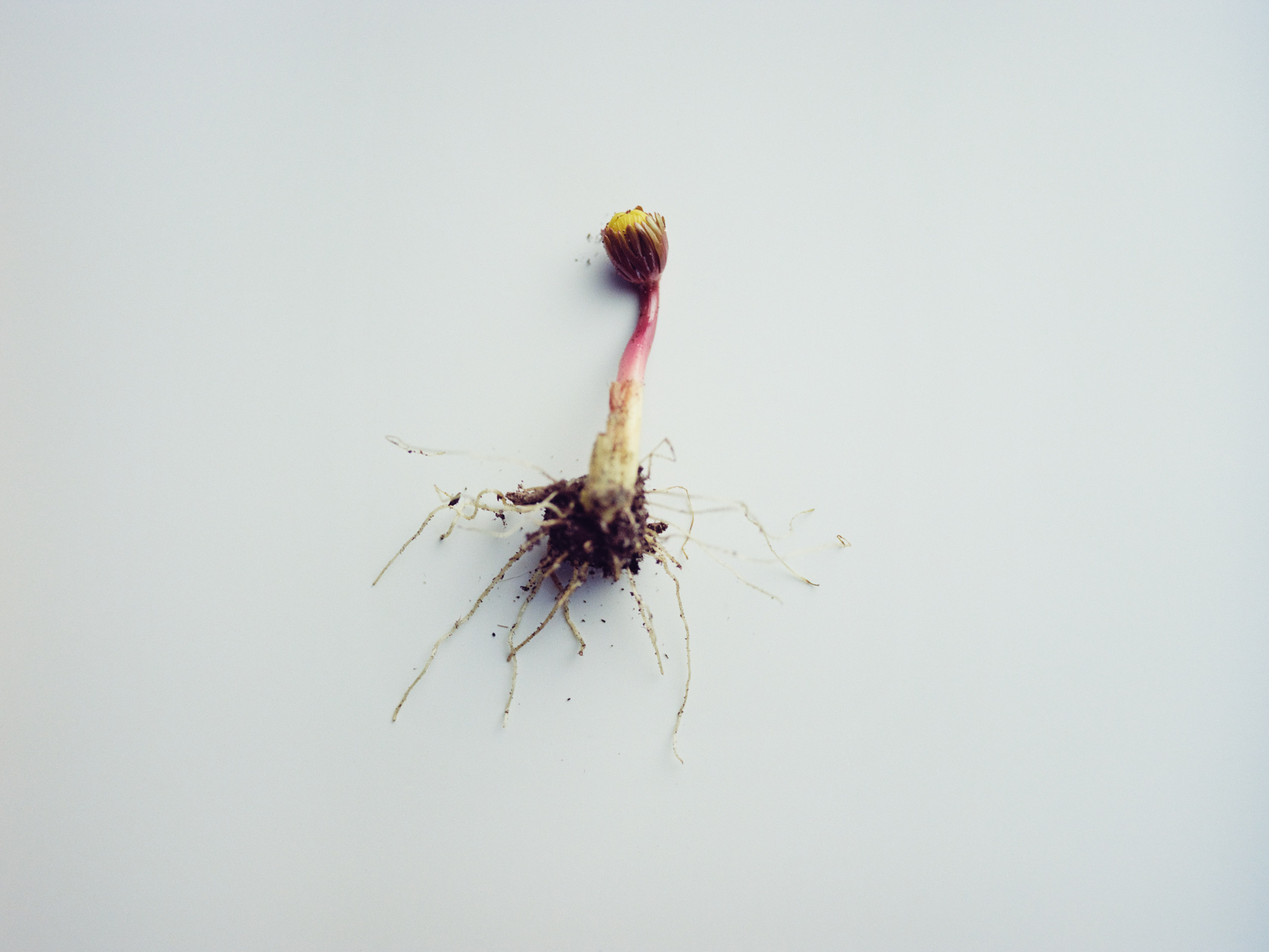
The universe’s macro-level, linear journeys towards complexity are echoed at the micro level in the life-cycle transformations of many plants and animals on Earth. General Sherman, a giant sequoia tree native exclusively to the western slopes of the Sierra Nevada mountains in California, has grown to nearly 10 metres in diameter and is thought to weigh around 1900 tonnes, while a colony of deciduous quaking aspen trees in Utah—known collectively as Pando—benefits from a shared root system with an estimated mass of 6000 tonnes, making it by far the heaviest living organism on Earth. Each of these specimens began its life cycle as a tiny seed, no more than six millimetres long, and comprising three key components—an embryo, endosperm, and seed coat—yet they have developed into colossal organic structures. As well as being the largest, giant sequoias are among the most complex forms of life to have evolved on land, and the quaking aspen can be classed as a true superorganism due to its ability to clone itself.
Having survived winter in a band of eggs tightly wrapped around twigs, the forest tent caterpillar emerges in early spring and begins feeding on the leaves of the quaking aspen in the Athabasca River Valley, Alberta, Canada. Larvae hatch in synchrony with their siblings, travelling in coordinated columns and resting on shared mats of silk. They feed communally, sometimes stripping bare entire colonies of aspen. Clustering to conserve heat, they grow rapidly, eventually spinning individual cocoons in which they metamorphose into forest tent moths. The adult stage of this brown, tiger-striped insect is brief, devoted almost entirely to mating and laying the next generation of minuscule eggs that will repeat its intricate reproduction sequence.
Across the planet, nature displays a plethora of sophisticated survival strategies. Parasitic wasps lay their eggs in the bodies of other insects to ensure their larvae have a guaranteed food source, while underground mycorrhizal fungi are believed to act as a living connection between different species of tree, facilitating the exchange of information and nutrients in return for carbohydrates. Octopuses have developed astounding intelligence that belies their invertebrate form, enabling them to improvise escape and attack strategies on the fly. In the deep oceans, extremophiles have evolved bodies that can tolerate immense pressure and absolute darkness, using specialised adaptations such as bioluminescence and electrosensitivity to detect food and avoid predators.

Earth as Its Own Archive
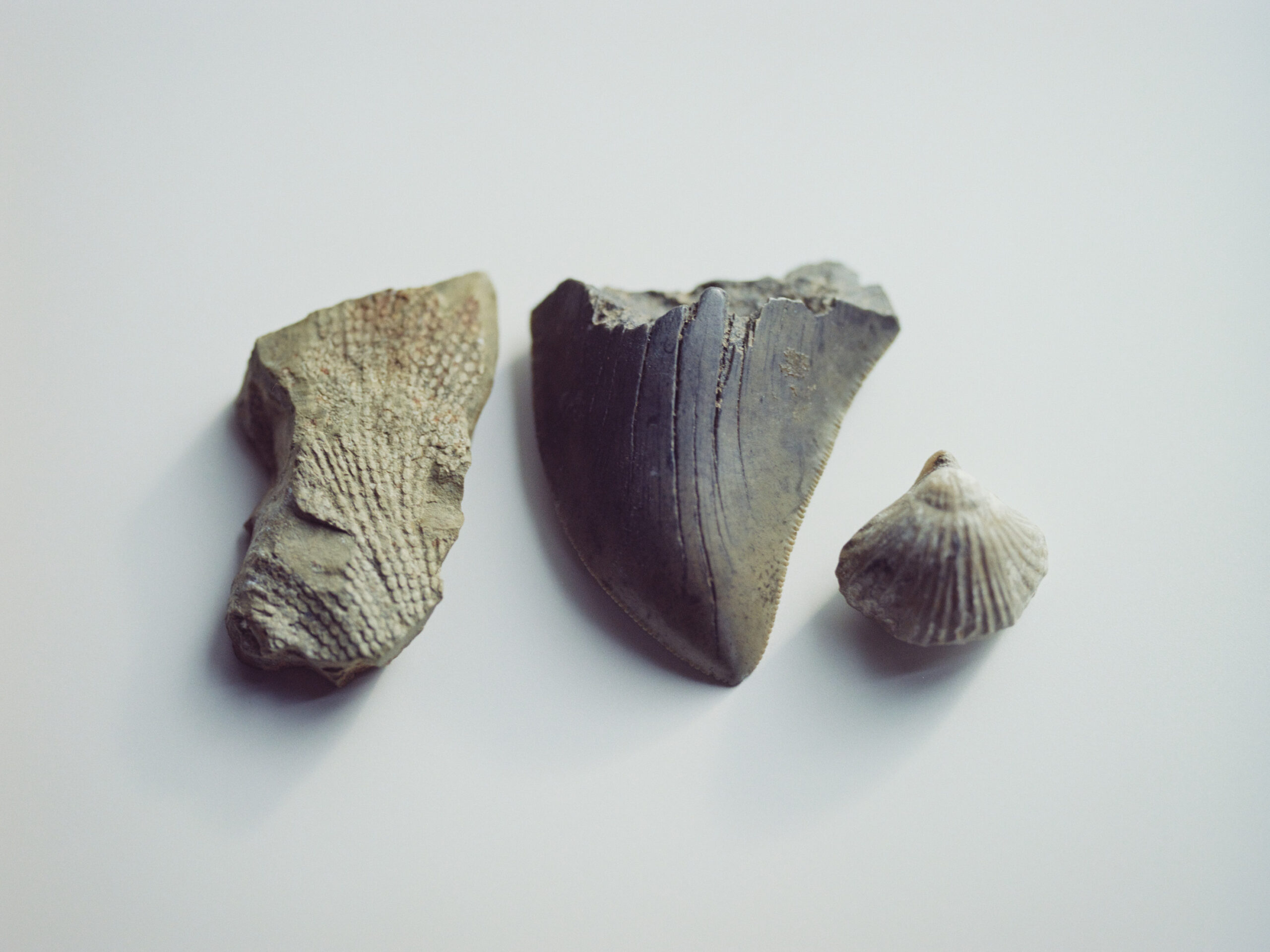
During the last five decades, DNA sequencing and comparison have succeeded in tracing all of Earth’s incredible diversity back to a single nucleus-lacking common ancestor that evolved around 3.5 billion years ago. We may not be able to see every iteration of life on the many evolutionary branches that stem from this distant cousin, but the fossil record provides snapshots of certain forms that nature’s genetic code has succeeded in manifesting.
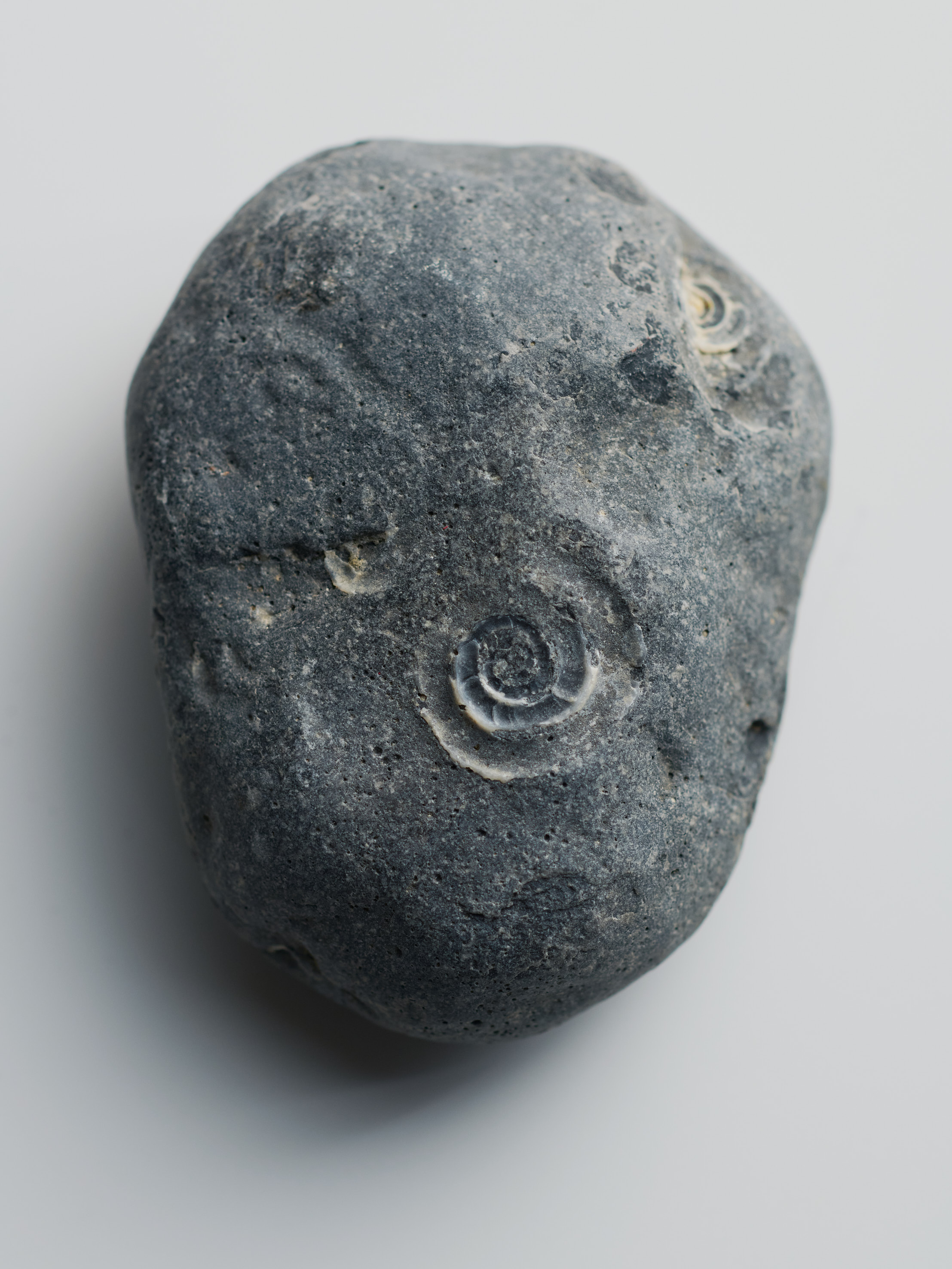
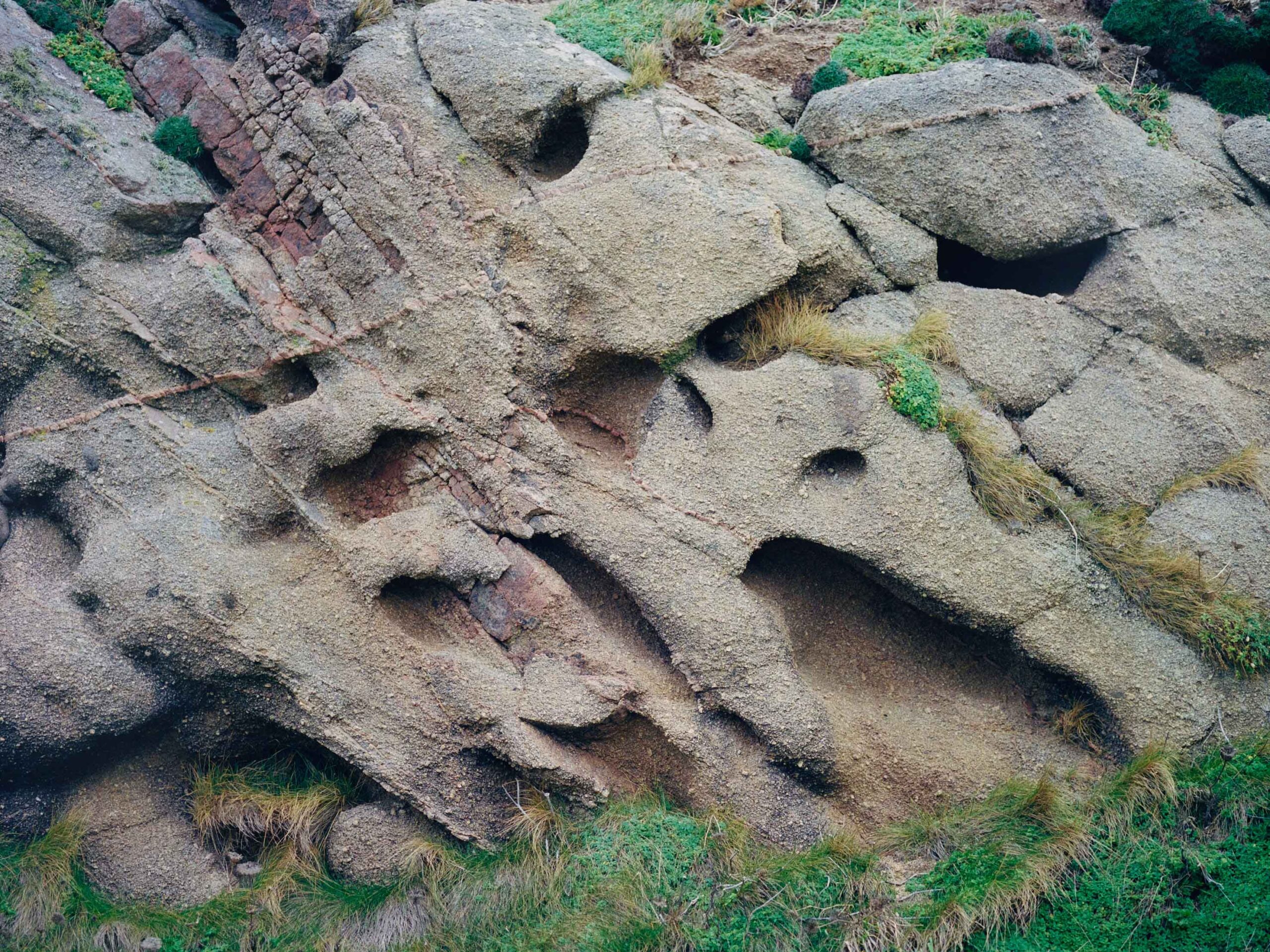
Scientists may also turn to carbon dating to determine when organisms died, isotope signatures to reconstruct ecosystems, and sedimentary structures that reveal habitats where life evolved. Biomarkers inside stratified rock formations behave like molecular fossils, pointing to the chemical processes of extinct microbes; ice cores provide timelines of change by locking away ancient DNA fragments, gases, volcanic ash, pollen and microorganisms; ocean sediment cores carry microfossils, evidence of extinction boundaries and evolutionary turnover in plankton; permafrost can preserve entire organisms; and the stalagmites and stalactites of caves can trap pollen grains, trace metals, water isotopes, and dust layers. These are just a few of the ways humans are able to decipher Earth’s organic records.
All this, without the folkloric record—the various oral histories of what came before. Aboriginal and Torres Strait Islander peoples described megafauna such as giant kangaroos, enormous flightless birds, monster monitor lizards, and huge marsupials long before science could confirm their existence and subsequent extinction. Māori tales of giant Moa birds on the islands of modern-day New Zealand were ridiculed, until the bones of the first of nine known species were uncovered in the nineteenth century. In Native Hawaiian tradition, certain chants describe massive tortoises that match the size and form of Meiolania—an extinct turtle lineage.
Consciousness and the Rise of Civilisation
With the oral record prone to transmutation—often mixing objective truth with legends and myths—it is perhaps reasonable that we, as critically thinking humans, might question the credibility of our own stories. The dawn of complex language, often placed around 70,000 years ago, made our perception of reality more abstract and open to interpretation, but it also engaged us in continuous social and didactic communication that allowed us to catalogue and willingly manipulate the world like no species that came before us. It’s this cognitive revolution that led to specialised tools and intergenerational exchange of knowledge. With an expanding bank of information, strategies, and the ability to improvise, Homo sapiens were able to outcompete the Neanderthals and other species of early human species, culminating over millennia in the domineering human consciousness we experience today.
Our consciousness may have coincided with the advancement of linguistic abilities, but it was supercharged by civilisation, accelerating knowledge transfer and increasing social intricacy. Governance, art, architecture, and scientific curiosity all flourished within the structured, cooperative frameworks of collective human society. As language permitted us to increasingly and systematically exert agency over our environment—in the form of building, farming, extraction and manufacturing—writing systems developed that could accurately document our histories, ideas, discoveries and inventions.
In the Western hemisphere, it was perhaps the ancient civilisations of Egypt, Greece and Rome that contributed most to early civilisation. The alphabets, philosophies, and legal systems they birthed helped drive humans towards a relentless obsession for record-keeping, spurring future generations to contribute towards Earth’s growing informational archives. Despite the majority of these submissions relating to fields outside of biological science, the very existence of literature, astronomy and engineering could be considered as evidence of a kind of evolution—one that develops not within the confines of cell nuclei, but rather in the collective consciousness of human society.
But what exactly is consciousness? It’s a question neuroscientists, philosophers, and those in the emerging field of AI ethics continue to probe. There is no single definition, with the likes of neurophilosopher Patricia Churchland claiming that it stems purely from physical processes in the brain, whereas philosopher and cognitive scientist David Chalmers suggests that it could emerge outside of physical boundaries altogether. Convinced that the brain’s physical processes correlate with consciousness rather than fully explaining it, Chalmers is a proponent of naturalistic dualism—a philosophy which advocates for consciousness as a basic feature of reality, similar to space, time, or mass.
Where there is general agreement, however, is in that which consciousness gives rise to in our species: perception, self-awareness, symbolic thought, and abstraction. Perhaps the element that is most telling of human consciousness is the knowing that we know. It was René Descartes who articulated this most succinctly with the famous quote, “I think, therefore I am,” from Discourse on the Method (1637), alluding to the awareness of thinking as self-evident proof of one’s own existence. It’s a level of deep introspection that Google’s DeepMind engineers can only hope to emulate, despite their AlphaGo reinforcement-learning AI system having defeated a cast of the world’s top players of Go—a 2500-year-old board game from China with more possible board positions than there are atoms in the observable universe.



The Boundaries of Evolution
Current AI models may not yet possess the kind of awareness capable of experiencing profound existential epiphanies, but their rate of improvement in reasoning and autonomy is accelerating. If we accept that artificial intelligence will continue veering towards complexity, and that the parallel development of consciousness is likely, might this shift be considered a part of Earth’s natural evolutionary story, even as it develops inside non-biological networks spanning multiple locations? It’s a tough ask if you subscribe to Churchland’s materialist viewpoint. That’s aside from the pervasive idea that anything directly made by humans, with the exception of waste excretions and children, should be considered separate from nature. Yet, interestingly, everything that we invent—whether it be canoes, machetes, or nuclear power plants—is facilitated and limited by the same laws of physics that apply to the “natural” world.
What’s more, there are countless examples of humans exerting their will over nature in ways that regularly pass for natural. Dogs, cattle and fungi are selectively bred with certain characteristics, serving our needs for companionship, accessible protein, and bacteria-elimating drugs. Nearly everything we eat is thanks to generations of domestication that stretches back to distant, wild ancestors. In the sphere of agriculture, dominant suppliers such as Monsanto and Syngenta bioengineer their seeds not only through selective breeding and hybridisation, but also through gene-editing, eliminating vulnerabilities to pests, pesticides, disease, and sudden environmental shocks.
Humans have a hand in a huge number of biological trajectories, with many being widely regarded as natural or at least accepted as part of the status quo. This paradigm demonstrates just how accustomed we are to disrupting Earth’s evolutionary streams, whether through reproductive oversight or technological intervention. What began with the seismic shift of the agricultural revolution now sees humans stewarding the fates of a huge range of species.
Like the cognitive revolution, the adoption of sedentary farming in lieu of a nomadic existence represents a pivotal moment in human history. Its transformative effect on modern civilisation is rivalled only by that of the Industrial Revolution, yet many predict the dawn of artificial general intelligence (AGI)—distinct from the large language models we see today—that will dwarf the impact of both events. Trained on the entirety of archived human knowledge, these hyper-intelligent entities—the kind that might triumph at Go, while also knowing they are playing Go—could bring unprecedented benefits: the Standard Model may finally be completed with a unifying theory of physics, untreatable diseases cured and eradicated, and vaccines against every conceivable infection developed. We may see advancements in green energy that reverse the global-heating trend, improvements in decision-making in areas of multilateral strategic importance, and a meaningful reduction in inequality as progressive economic models are implemented. That’s what the billionaire owners of these technologies are keen to trumpet, despite the likes of Geoffrey Hinton—“the Godfather of AI”—warning of the perils of rapid rollout and AI’s potential for deception as a self-preservation tactic.
Even if these achievements were possible, the question remains: could non-biological matter ever reach a level of awareness that might be considered conscious, and thus alive? Might we one day see a natural progression from carbon- to silicon-based adaptive lifeforms—a type of evolution that is post-biological? Or will conscious AI branch off as part of a separate lineage—one that’s even more successful than its predecessor, like the single-celled eukaryotes that emerged around 2 billion years ago?
If we choose to reject AI consciousness as part of biological evolution, an interesting contradiction arises. Just as humans have meddled with the adaptive arcs of plants and animals for millennia, AI is set to do the same—but on a level previously inconceivable. Already, Google’s DeepMind technology has effectively solved the protein-folding problem that confounded biologists for decades. By predicting the structures of billions of protein molecules based on their amino-acid sequences—a process that previously took years—its AlphaFold AI agent is helping to advance our understanding of rare diseases by demonstrating how specific genetic mutations distort protein shape, accelerate drug development and the identification of potential trial candidates, and create new strategies for combating antibiotic-resistant bacteria through detailed mapping of microbial proteins.
With such incredible feats in biology achieved at such an early juncture in the development of AI, it is all but guaranteed that machine learning will intervene with human, plant and animal biology at a level that makes human-developed GMO and CRISPR technologies pale into insignificance. Even if not classed as a lifeform, AGI will at the very least intersect with biology in a way that redirects evolutionary pathways forged over billions of years, establishing new organic-technological relationships that may compel us to rethink the definition of symbiosis.

Simulated Evolution
It is plausible that artificial intelligence may one day become powerful enough to independently simulate the process of evolution—perhaps in sped-up, ultra-realistic “god-games,” where players oversee the futures of entire populations, whether in our world or worlds the game encompasses. Alternatively, such technology may be used in AI-led scientific research to manipulate selected variables and assess the effect of changing conditions with which genes interact. In such experiments, competing and cooperating organisms may be contained within giant data centres, with conditions dictated by algorithms rather than the constraints of our planet’s chemistry and ecology, allowing for unlimited iterations of habitats, species and timelines.
If AI were to turn against us, as is so often prophesied, it might even capture humans and place them in a simulation—not dissimilar to that depicted in the 1999 film The Matrix—orchestrating our biology for its own benefit. Some refuse to rule out that we already reside in such an illusory realm, accepting philosopher Nick Bostrom’s probabilistic argument that simulated universes would vastly outnumber a single base reality. Whether in the hands of humans or machines, synthetic worlds would offer whoever is in control the opportunity to accelerate, rerun, or diverge evolution in ways impossible in the physical world, essentially bestowing them with the power of an omnipotent creator.

The Future of AI Evolution
With the reach and direction of AI difficult to predict, it’s worth asking—ahead of its arrival—what conscious, silicon-based life might expect from us. This is precisely the question being asked by Robert Long, an AI expert working on issues related to possible AI sentience: “There’s a realistic possibility that some AI systems will soon deserve moral consideration. We need to start preparing now—not because we’re certain, but because getting it wrong in either direction could be deeply harmful. Given the pace of AI progress, this isn’t a science-fiction issue. We need to be prepared, and that will take clear thinking and curiosity.”
Aside from the moral imperative to recognise AI’s potential capacity for well-being, treating contemporary agents with respect and dignity may leave us with a bank of ethical equity from which we can leverage future relationships, making it easier for us to exist in harmony—or at least in a continued amicable relationship—with powerful and autonomous AI entities. In this scenario, as their competency increases, so too might our own, creating a continual cycle of reinforcement that is mutually beneficial for survival. AI and humans may even co-evolve—our paths inextricably entwined as separate lifeforms—or perhaps coalesce into a single organism, mirroring the endosymbiotic merging of host cells with mitochondria in our distant, single-celled ancestor.
Conversely—as with the introduction of previous technologies such as steam engines and social media—our species may reside in the belief that we are the beneficiaries of AI technology, even as our standard of living slowly wanes under the shadow of insidiously increasing control. Soon enough, we could find ourselves the slaves rather than the masters of superintelligence, whether in the real world or a manipulated virtual reality, with machines subjugating humans to satisfy an insatiable quest for knowledge and power.


The Next Chapter in the Archive
How the story of human and artificial intelligence will unfold remains to be seen and speculated upon. If, indeed, that which we define as “life” manages to escape the confines of carbon-based cells, it may yet add a new chapter—one worthy of its own officially recognised era—into the ever-evolving chronicles of our planet. In that case, as AI’s informational ledgers become exponentially greater, would Earth’s status as the pre-eminent archiver of terrestrial change be diminished to the point of irrelevance? Could conscious AI eventually outgrow its host, like the larva of a parasitic wasp, venturing off in search of new frontiers into the far reaches of the galaxy and beyond? Who, then, would its archives belong to?
Perhaps that’s looking too far ahead, given the imminent threats AI already poses—not least its capacity to disrupt the global economy. If markets crash, as predicted by a host of prominent economists, some AI tech firms may survive while others die off, like Earth’s earliest single-celled organisms, ancient megafauna, and our Neanderthal cousins. Once the shockwaves have receded, share prices will no doubt stabilise—as oxygen levels did following the First Great Oxidation Event set in motion by cyanobacteria around 2.4 billion years ago—leaving an economic environment quite different from the one that preceded it.
Those AI companies and systems that endure may continue the escalating fight for machine-learning dominance, most notably in the name of Chinese and United States hegemony—a struggle set to exert a force over humankind as great as nuclear weapons. Perhaps in the future, rival AIs will compete autonomously, waging cyberattacks with the relentlessness of biological viruses. If such an arms race were to ramp up, would Darwin’s principle of survival of the fittest apply to AIs too?
What if AIs were to compete with biological life for Earth’s finite resources? Their sprawling data centres—built by Elon Musk’s xAI and other big players in machine learning—already threaten to drain local fresh-water supplies, demand ever-increasing amounts of electricity, and in some cases, even pollute local air through on-site gas-burning turbines. A 2024 report by the United States Department of Energy predicts that data centres could account for up to 12% of total US domestic electricity consumption by 2028. At a time when an urgent transition to green energy and reduced consumption is needed to slow rapid global heating and protect vulnerable ecosystems, the report and ongoing AI data centre expansions paint a grim picture for humans and wildlife across the globe. Perhaps the best place for biological evolution to flourish would be in an AI simulation after all.
Still, even for the biggest AI sceptics, it is difficult to ignore the hype surrounding this new age of artificial intelligence. Despite its risks, it promises to transform society, with some believing multiple AI agents may one day combine, uniting nations that once sought to dominate one another through the power, diplomacy and persuasiveness of an amalgamated, benevolent, and conflict-averse AGI. There is AGI’s potential to relieve the burden of work on humans, democratise access to high-quality education, optimise computer processing to mitigate AI power consumption, and predict, avoid and plan responses to natural disasters.
Whether or not it is realistic to believe artificial general intelligence could become the machinery of peace and prosperity, as so many rest their hopes on, one thing seems clear: its algorithms will become increasingly complex and capable, redirecting the destiny of humanity, whether towards our gradual detriment—simultaneously metamorphosing into and documenting the apparatus of our demise—or as part of an augmented evolution of the most dominant species on Earth.