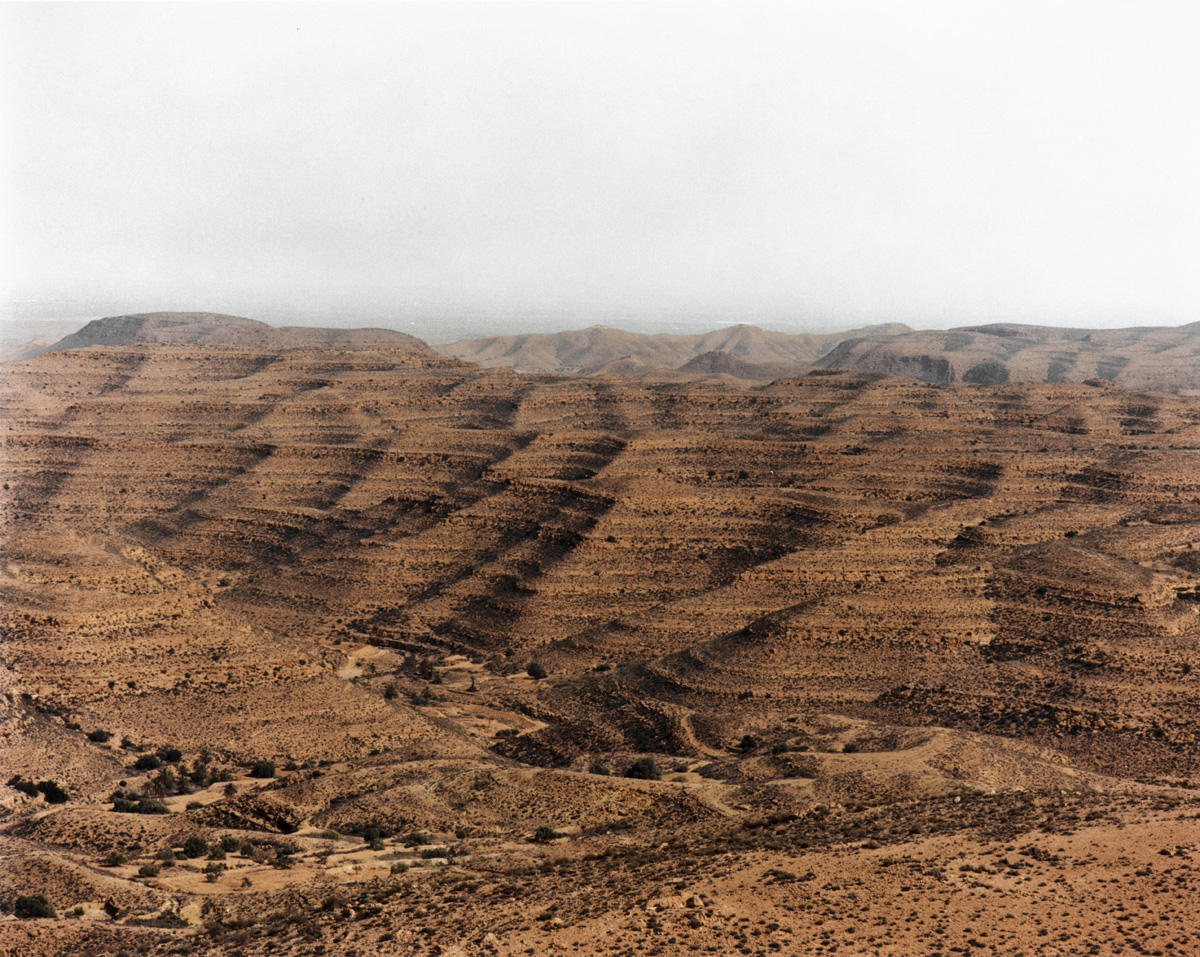
It had been six hours since we left Tunis, the highway drawing us through the dry August landscapes, through Mahdia, by the trading port Sfax and the olive groves of Gabès, as the verdant northern valleys gave way to the ochre emptiness before the Sahara. Our destination was an island that, for thousands of years, has welcomed travellers with implication. Only a bridge stood between us and Djerba: twice Malta’s size—the largest in all of North Africa—and 100 times stranger.
In Djerba, the centuries sit lightly on each other—first the Amazigh, then the Romans, the Arabs, and its ancient Jewish population. At El Kantara, the first stop by car, Roman fortresses are scoured by the midday sand-wind beside mosques with strange hand-sculpted minarets. Djerbians wander aimlessly in woven straw hats, similar to those from Peru. Their friendly, sun-weathered faces utter salams as we continue to the largest town, Hoummet Souk.
The Djerbians are not entirely Tunisian in the same way a Sardinian is not an Italian. Myriame, my partner, explained the difference. “They are warmer, slow and soft. They are more religious than us Tunisois, but they are tolerant.” Their sense of ease is quite compatible with the words of Homer, who described a scene in which Odysseus and his men were swept by the winds to Djerba. In the epic poem, the island is referred to as “The land of the lotus eaters,” a strange, mystical purgatory before Odysseus’ destination, Ikaria, where the locals exist in forgetfulness because of their taste for lotus flowers—causing the wily Greek men to become addicted, losing their memories of home. So, they stay.
Tennyson coloured the scene further in his 1832 poem The Lotos-Eaters. “In the afternoon,” he writes, “they come unto a land, in which it seemed always afternoon. All round the coast the languid air did swoon, breathing like one that hath a weary dream.”
It is likely that the lotus is the Jujube fruit. Called anneb in Tunisia, they are tart, plum-like, and have relaxing properties, diced in salads or used for baking. In Hoummet Souk’s medina, I gorged on a paper-bag’s worth of “anneb” candies, and indeed felt “the languid air did swoon.” Or at least, I supposed so. Djerba’s gentle, unworldly undercurrent pervades all the senses.
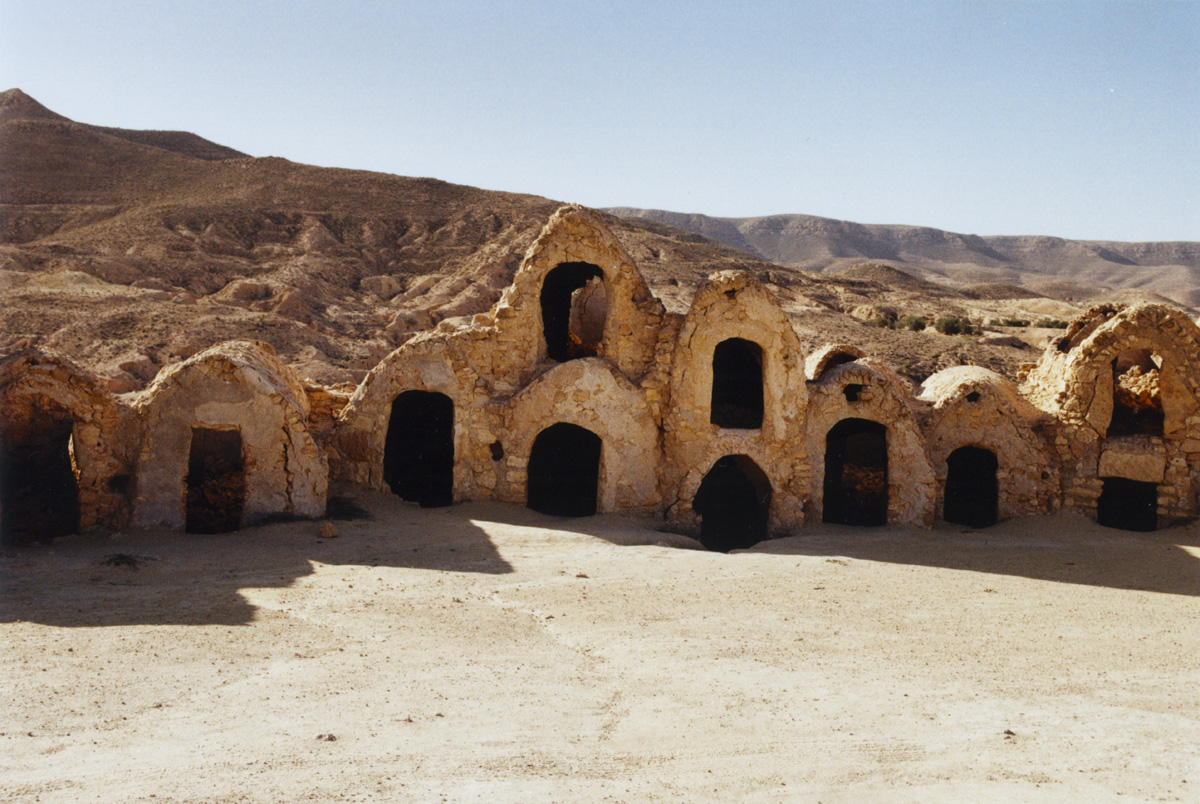
Tunisians refer to the island as Djerba le douce—“the gentle.” The translucent shores and beaches are sublime, a tourist attraction, mostly German, since the 1960s. But it is the inland where the island earns its douce reputation, populated by smiling men and women, careless camels crouching on the road-side, and the low, maze-like homes—the Djerbian houch complexes—with barrel-vaulted roofs that look like upturned boats. Gardens are enclosed in the complexes’ courtyards, built behind earth-banks, with the scents of overgrown jasmine and orange blossom lingering over the high walls, drawn out by the gentle desert wind and, at the opportune moment, finding our noses. As we crept through different villages, we believed that each hid at least one earthly paradise.
Our houch was in Midun, on the eastern coast. It was converted into a guest house by Moez, a Djerbian architect who spent half of his year in Paris. He was softly-spoken and watchful. There is something voyeuristic about the houch’s design—the way the walls trap the silence, and the low rooftops, small windows, and long corridors that allow for someone to see without being seen. It is not unsettling, but you never feel alone. The houch’s seclusion also makes it feel like a world apart, and turns any banal event into a chance to wonder.
One night, we were visited by a black cat, begging us to follow him from our room into the dirt road outside the front door. It was a crescent moon. The cat lifted his front legs up, made a cooing noise that I had never heard before, and stared at us with uncanny human eyes, turning aggressive. When we returned to our room, he attacked the door violently for two hours. “I think he is a lost soul,” Myriame said. “A djinn [demon]. We should be careful how we treat him.” At breakfast, no longer under the bewitching moonlight, we assumed more ordinary reasons.
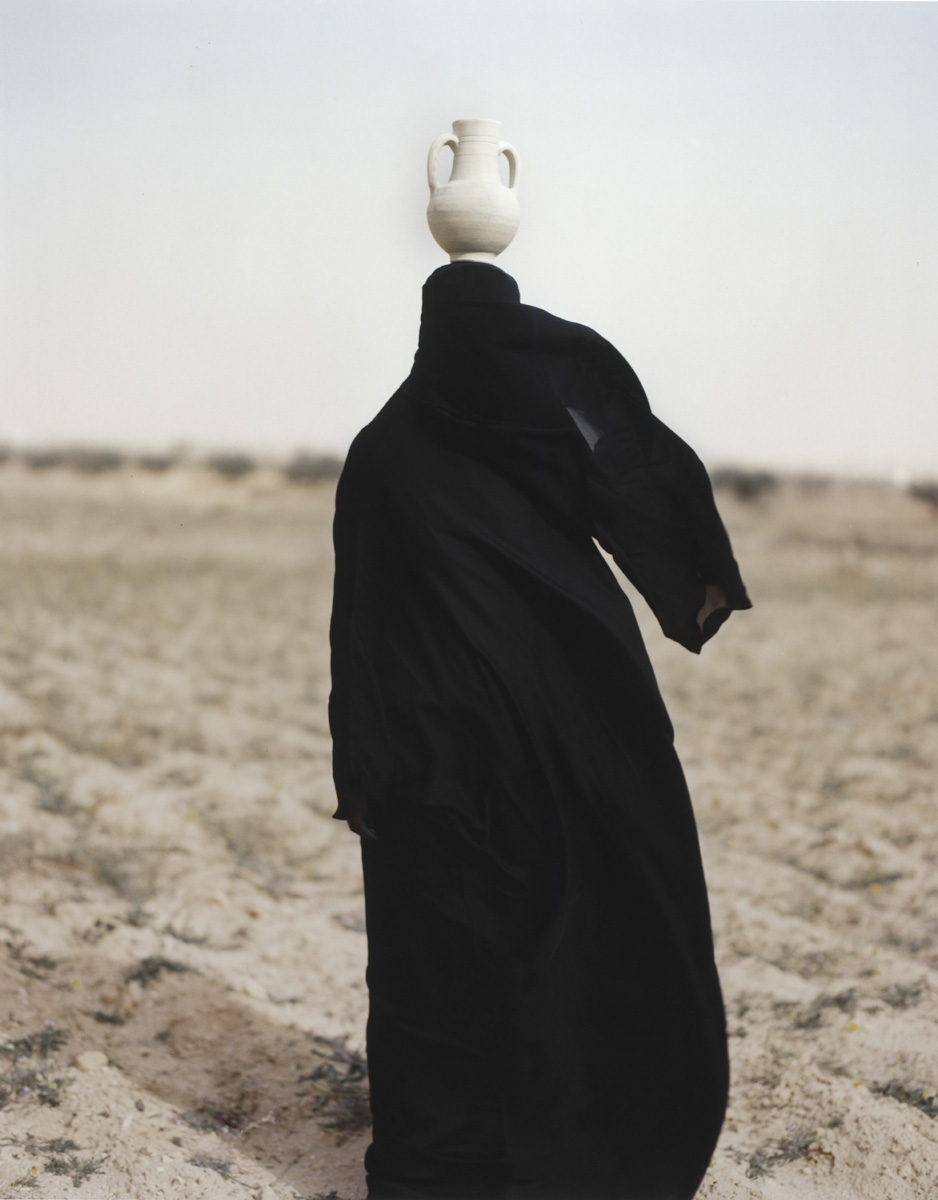
Spirituality is another aspect of Djerba that pervades its landscape. The oldest mosques, unlike any I have seen elsewhere, are characterised by charming hand-sculpted minarets—more pious in their simplicity than others across the Muslim world. From afar, they give the impression of being large structures, thanks to the flat lands and little else surrounding them. Up close, they are the opposite. The Fahloun and Sidi Jemour mosques are two examples, accessed by taking a long detour from the highway into villages few German tourists venture. The best of them is in Guellala, a seaside settlement west of El Kantara: Sidi Yati—what locals call the “lonely mosque”—is abandoned, an example of Ibadi Islamic architecture, a particularly strict sect practiced in Oman with a rare foothold in Djerba. It is metres from the shore. The sound of waves invites a solemn feeling into the emptiness of this dazzling white building, as though it were a tombstone at the end of the earth. We arrived, almost by accident, while exploring the pottery shops that make Guellala famous.
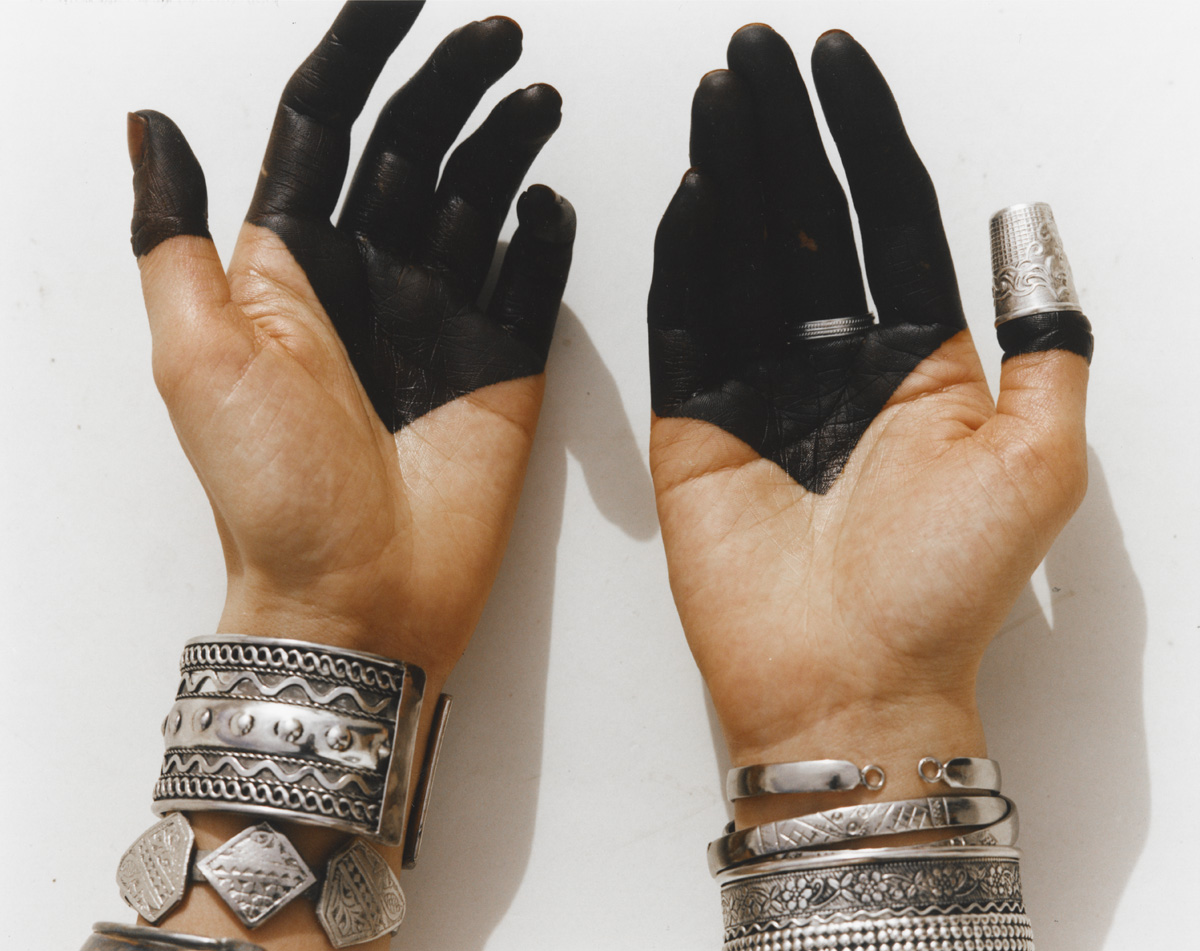
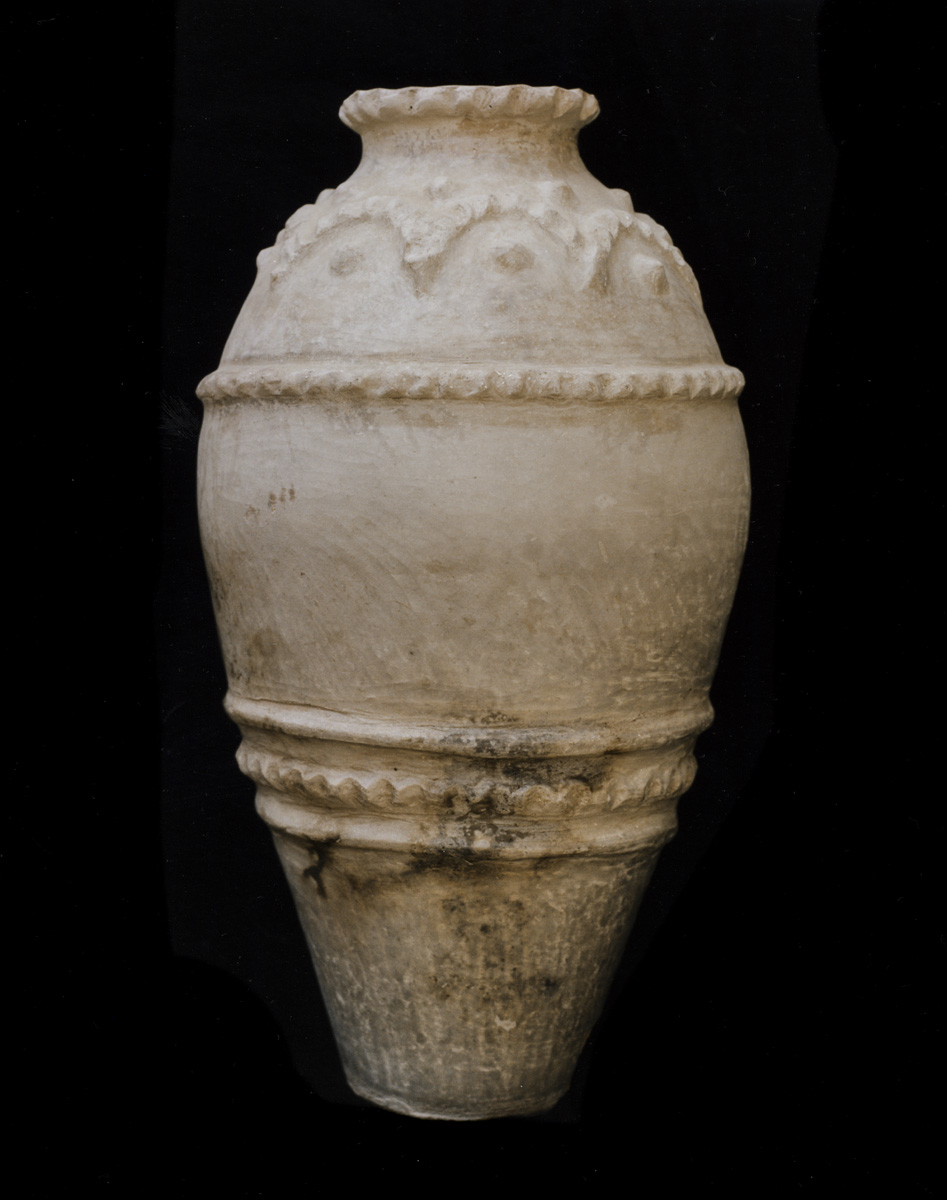
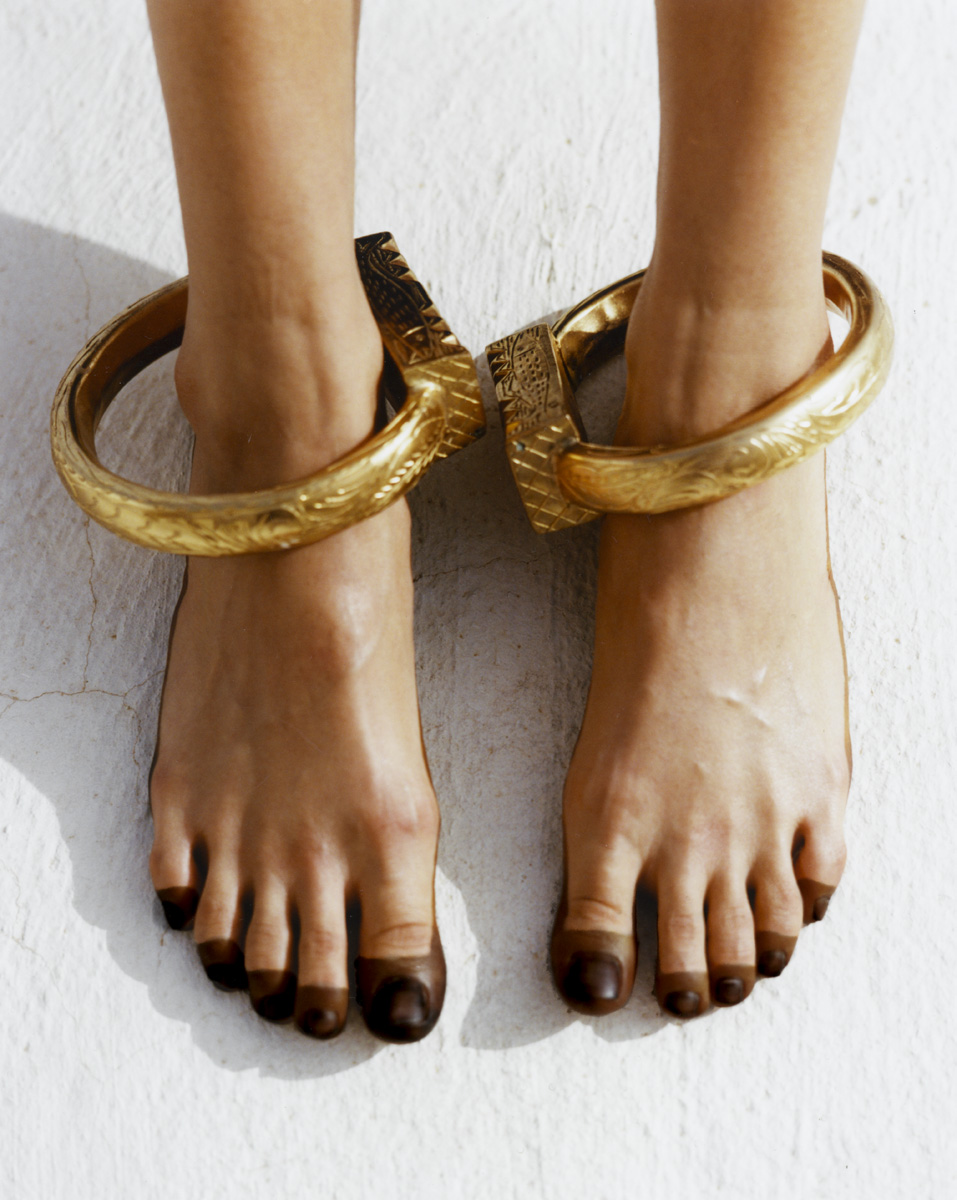
These stores, pit-stops on the outback highway connecting Guellala to its neighbouring towns, are brazen in the eccentric presentation of piled-up pots that range from small to six feet in height, and that flood the shopfronts up to the edge of the road. It is impossible not to stop and, out of curiosity, take a look inside. The artisan, a stocky man, seemed to be doing well for himself. He wore impressive rings on each finger, bought from the jewellers of Hoummet Souk. “The road takes you to the resorts—some of the new ones have large pools,” he said. “They make sure to bring tourists to the shop on their way to other attractions.”
Hoummet Souk was our last stop that afternoon. It is the biggest town in Djerba, where the liveliest restaurants are renovated funduq buildings, the Tunisian version of a caravenserai—roadside inns for travellers and merchants. El Foundouk is a sign of Djerba’s creeping fashionability; adored by urbane visitors from Tunis. A few winding streets away is another funduq (less glamorous and the better for it): Arisha. Over cold Celtia beers, and the moonlight re-igniting our curiosity for our cat visitor, Myriame and I swapped stories of Tunisian witches and Cypriot ghouls. “We shouldn’t be speaking about these things. They can hear us at night,” said my companion. We gobbled our leftover Jujube candies before drifting lazily back to Midun.
Driving in the darkness, Myriame was scanning for something beyond the headlights. It revealed itself as a cobweb of bright streets. These were the arteries of the Hara Kabira, the Jewish enclave, with romantic balconies, curved alcoves, tungsten lights, and tangled wires dangling on synagogue walls. Jewish people have lived in Djerba continuously for 2500 years. The El Ghriba synagogue is the oldest in Africa, established in the sixth century BCE by refugees from the Levant. Thousands of pilgrims arrive each year to pay tribute to a stone said to have been brought from Solomon’s Temple. Tunisians have less sanctified reasons to visit the Hara Kabira.
Those reasons become immediately obvious. Upon parking, our noses were treated to the smell of cooking grillades from rows of street food stalls that line the main stretch. This is one of the best places in the country to find yourself hungry, and every night people come from far away to snack on Jewish-Tunisian delicacies at Chez Simon or Brik Ishak; the breaded kouppah meatballs, the fricassee sandwiches (with the unexpected addition of potato and cinnamon), and Ishak’s infamous brik pastry, stuffed with harissa, eggs, and tuna. It is so lively that the area has the disorienting effect of feeling like the afternoon at night. Hebrew pop songs blare at full-volume; young men, cautious yet friendly, surround banquet tables and dispatch skewers of beef one-after-the-other. I am sure I saw two children, no older than 10 years old, racing mean-looking Kawasaki motorcycles in a loop around the village.
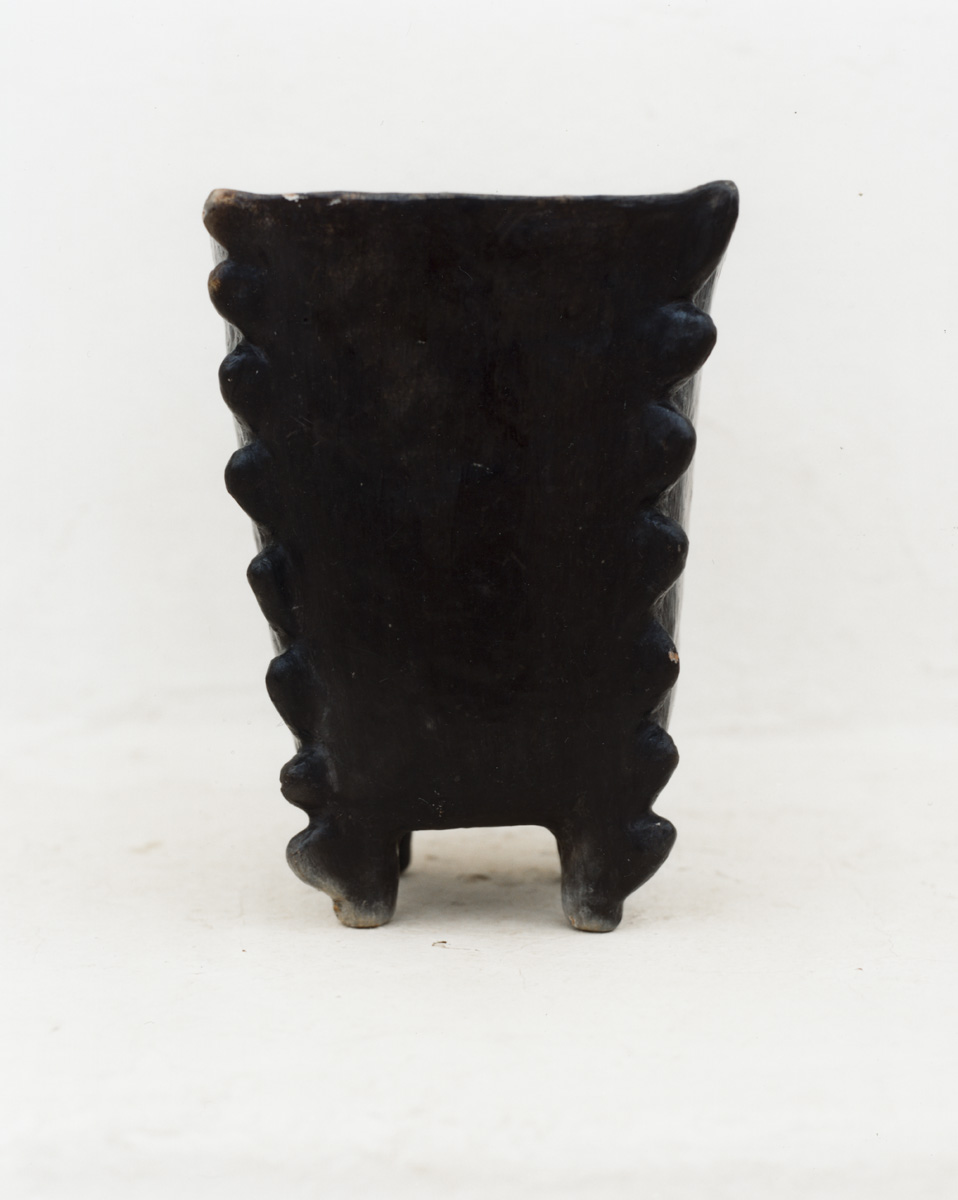
With every passing day, and every new event, Djerba feels more unworldly. It shapeshifts with every hour. Like a clay pot in Guellala or a secluded minaret, this is an island sculpted by the winds of the desert and the sea, two forces endlessly at odds, and yet bewitching in their coming together.