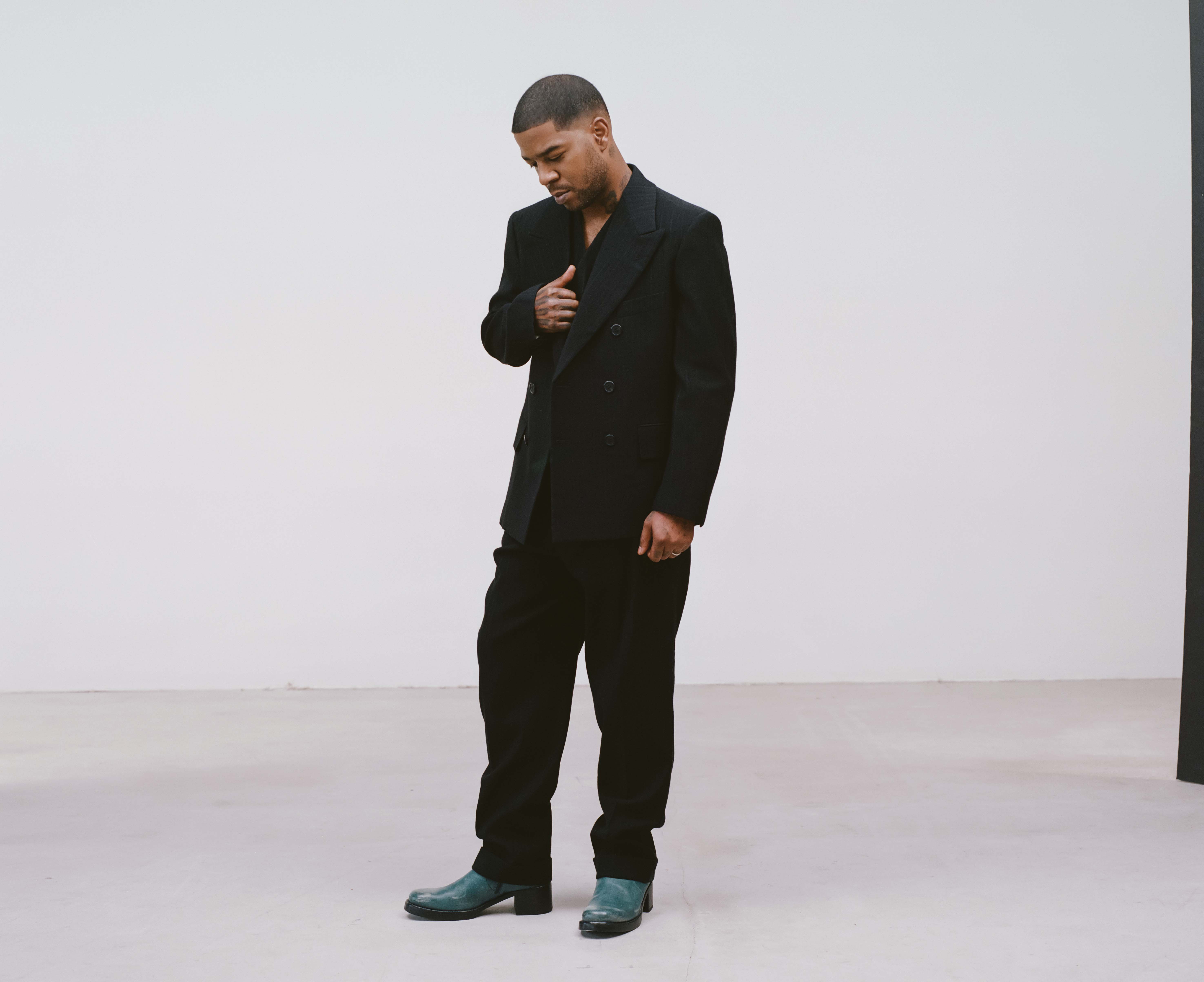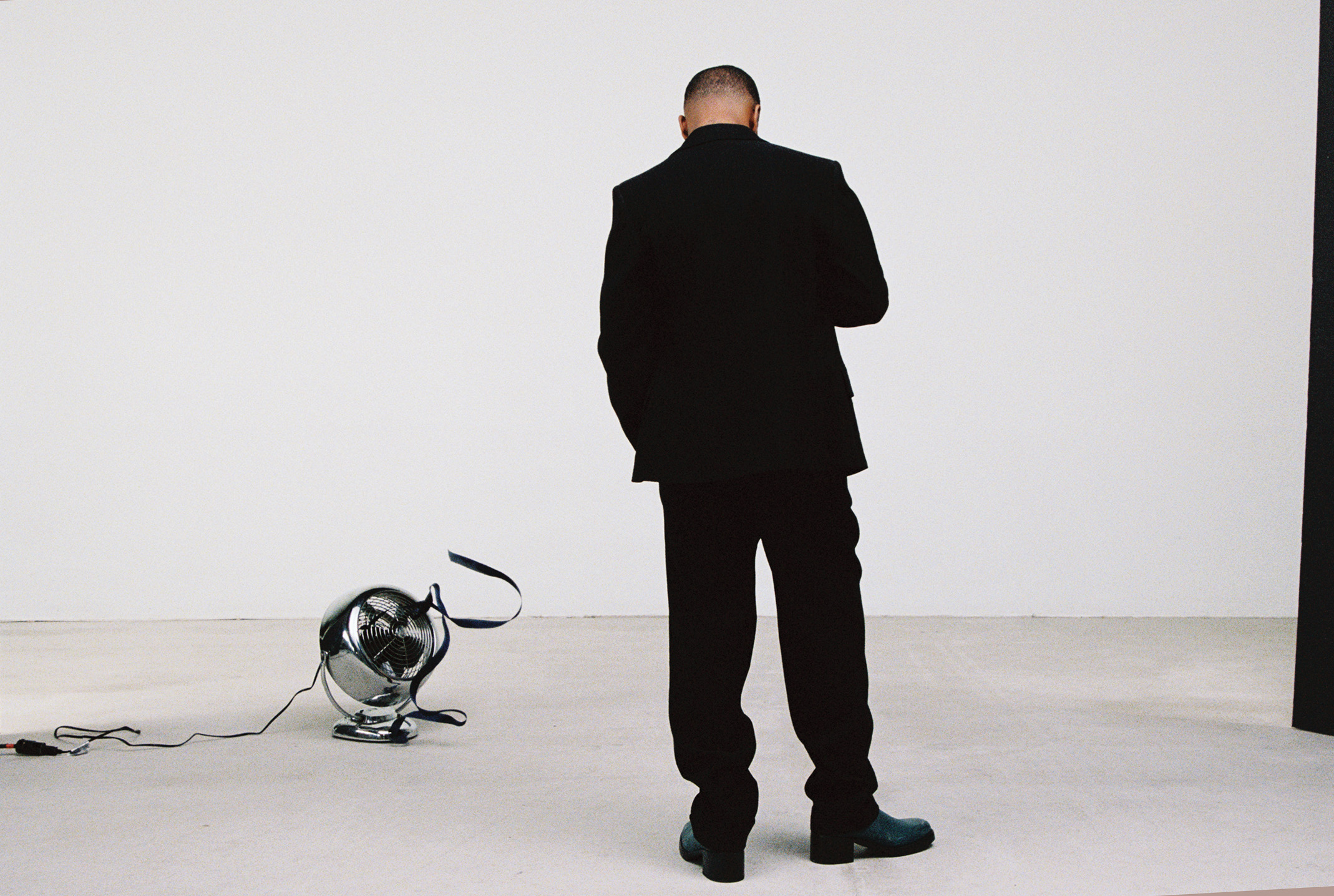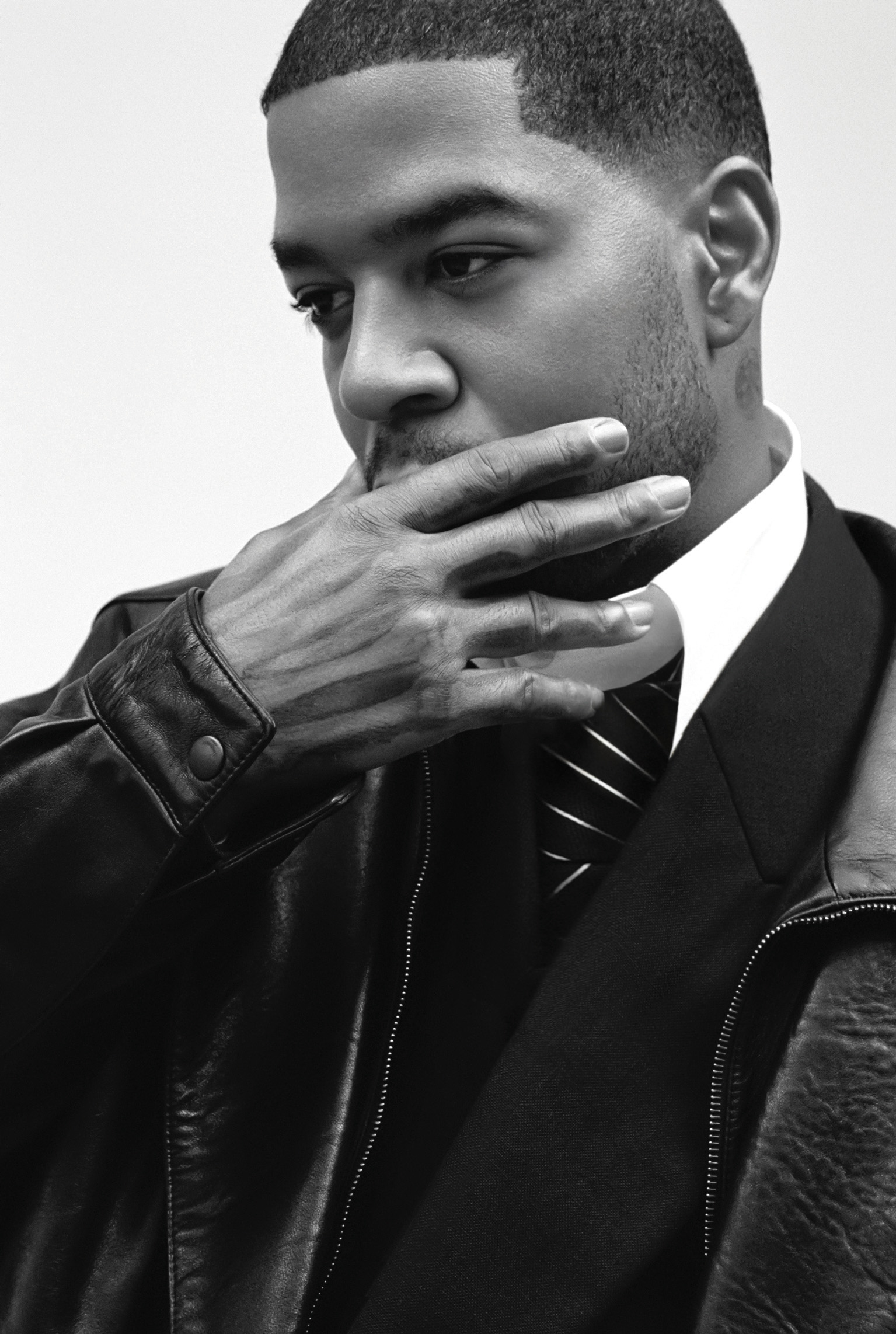
“There is no failure if you’re trying,” says Scott Mescudi—not with bravado, but with the quiet authority of a man who has weathered storms and stood in the sunlight that follows. After 13 albums, an acting career that holds up in its own right, and a recently released memoir, the artist known to the world as Kid Cudi sits comfortably in the layered truth of his own evolution. “Some things miss, some things don’t,” he adds, “but there’s never a failure because you’re actually doing [it] and that is half the battle.”
For nearly two decades, Cudi’s music has served as a sort of sonic lighthouse to a generation navigating their own darkness. Offering warmth, vulnerability and candour in a world often reluctant to bear its soul, his music has oscillated between sadness and light, grounding listeners in the unfiltered experience of human existence.
He reflects on the melancholy that has brought him notoriety, and how his past works have always been about “what one goes through when they’re dealing with certain things in life.” His current season, however, is one of joy—and Free (2025), his latest album, is a declaration of that state. “Free is an evolution of my last 12 albums,” he says, a statement not of finality, but of ongoing transformation. Always a champion of sonic experimentation, Cudi has long resisted the confines of genre. Whether weaving between hip-hop, rock, or the celestial currents of pop, he’s followed instinct over industry, muse over metric. This uniqueness, Cudi makes clear, is rooted in a kind of personal necessity and devotion to expression that exists beyond approval or applause.
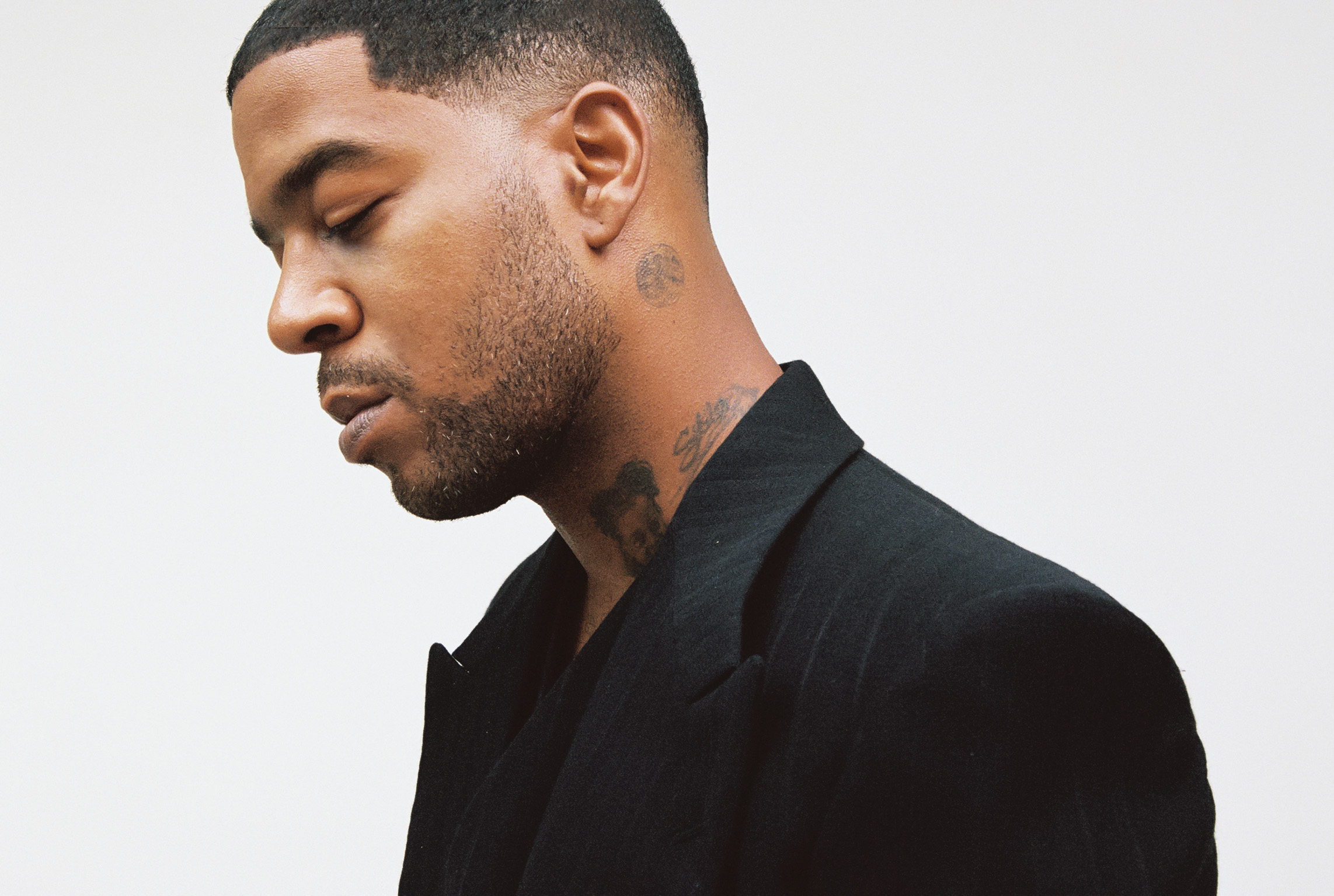
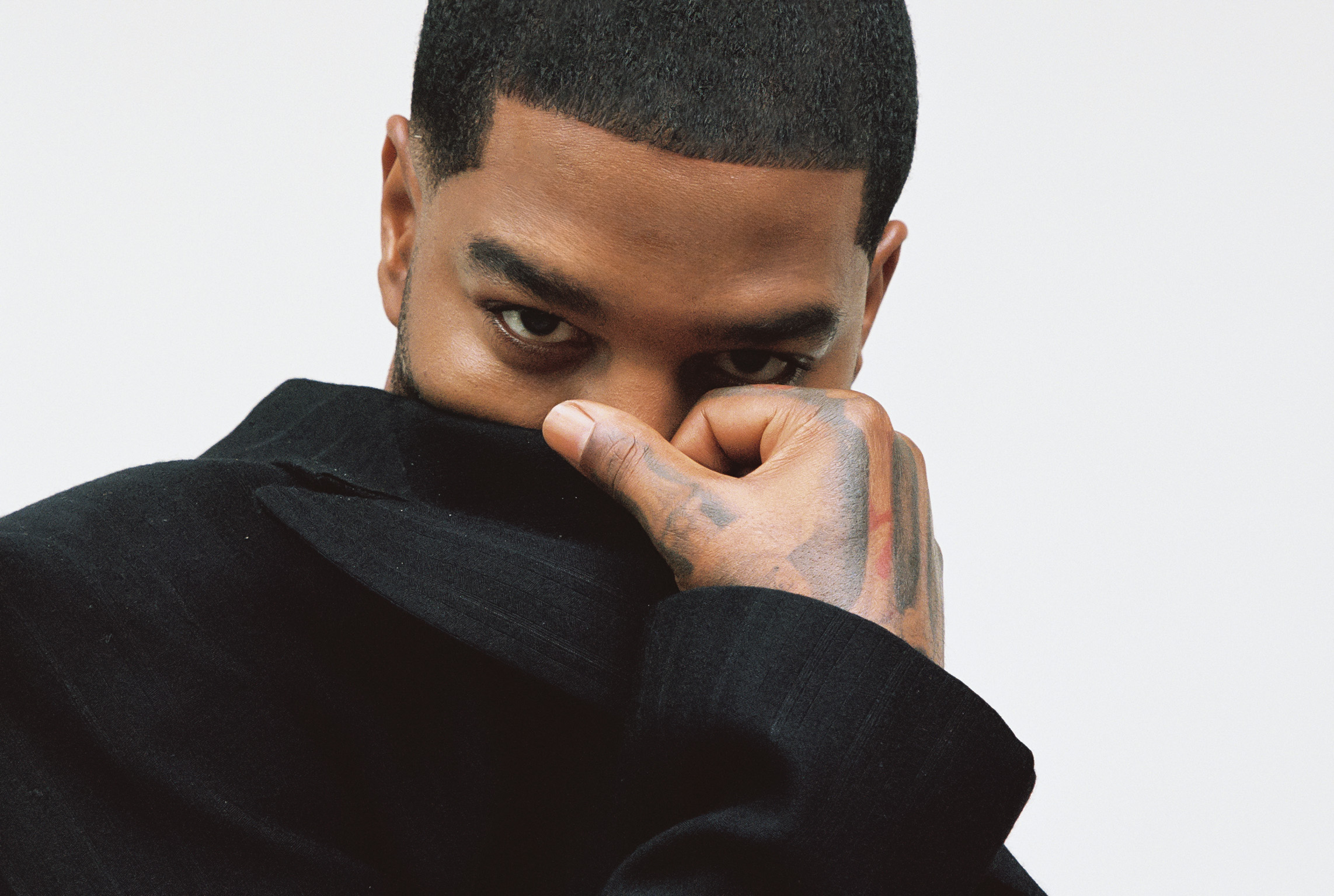

“You have to have this ultimate goal of, ‘Look, I don’t really give two fucks what people are saying,’” he says without hesitation. “This is all an expression; this is what I need to do. I like what I’m doing, and it helps me. You just do what you got to do and let the chips fall where they may.” It’s a philosophy that is both defiant and freeing, a reminder of the courage it takes to stay the course, no matter how the world responds. “You can’t do what I do without being brave,” Cudi says.
Between the naivety of the 24-year-old with a dream fresh out of Cleveland, Ohio and the 41-year-old music veteran sat on the phone reminiscing about just how he was able to conquer it all, the self-proclaimed “Man on the Moon” has always trusted his experiences to guide him, whether with or against the current. This is a journey that he describes as “rebellious,” both completely consuming and welcomingly isolating.
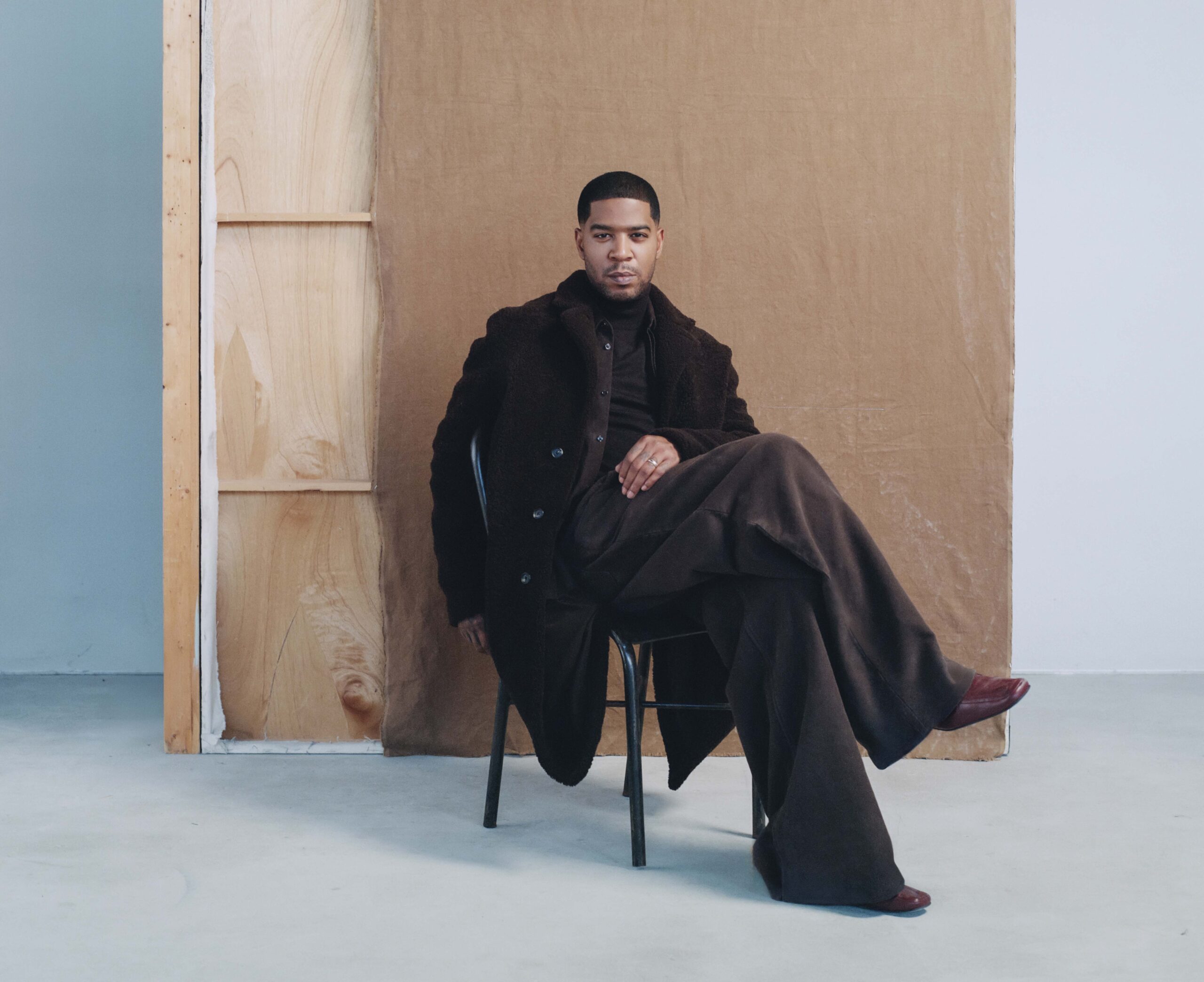
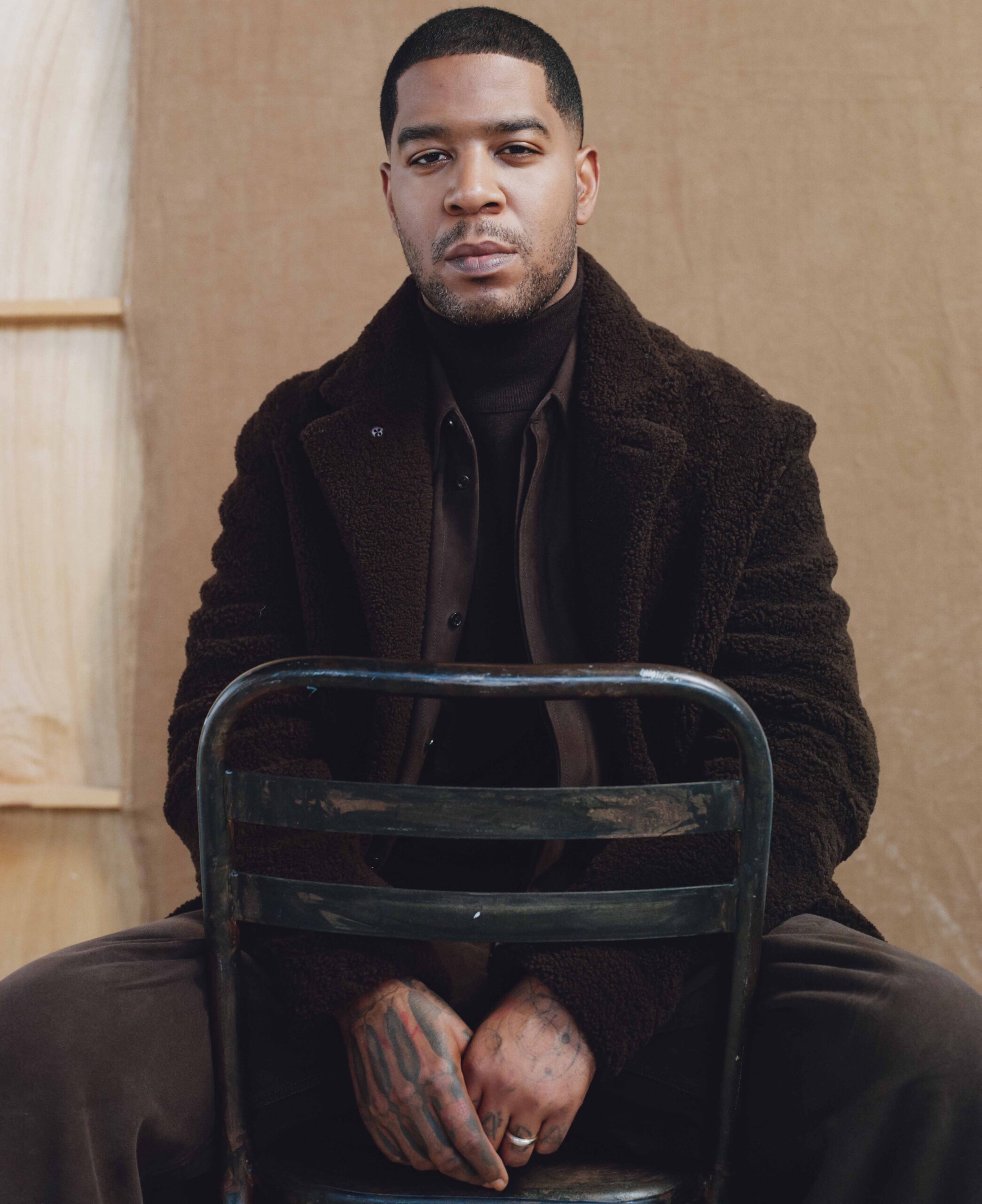
In Scott Mescudi’s world, trying is a triumph unto itself—which is why he does not hesitate to show deep-rooted appreciation for the albums that got him to this point. “All of my albums are amazing to me.” He shares, “I love all my albums. I think they’re all 10s. I don’t give a fuck what anyone says. All those albums, whether they went commercially crazy with the numbers or they didn’t, all my albums count.”
As of right now, he insists, “I don’t make melancholy songs anymore.” A poignant evolution for the artist who crafted melancholic anthems such as Soundtrack 2 My Life (2009) and GHOST! (2010) that would later influence modern emo rap artists. However, evolution is necessary, Cudi wholeheartedly believes. “I never did the same exact thing, ever,” he says. “I don’t even know how to do that. If somebody came up to me and was like, ‘Hey, can you make another Day ‘n’ Nite (2008)? I’ll give you like $20,000,000.’ I’d be like, ‘Umm I would love $20,000,000, but I can’t do it.’”
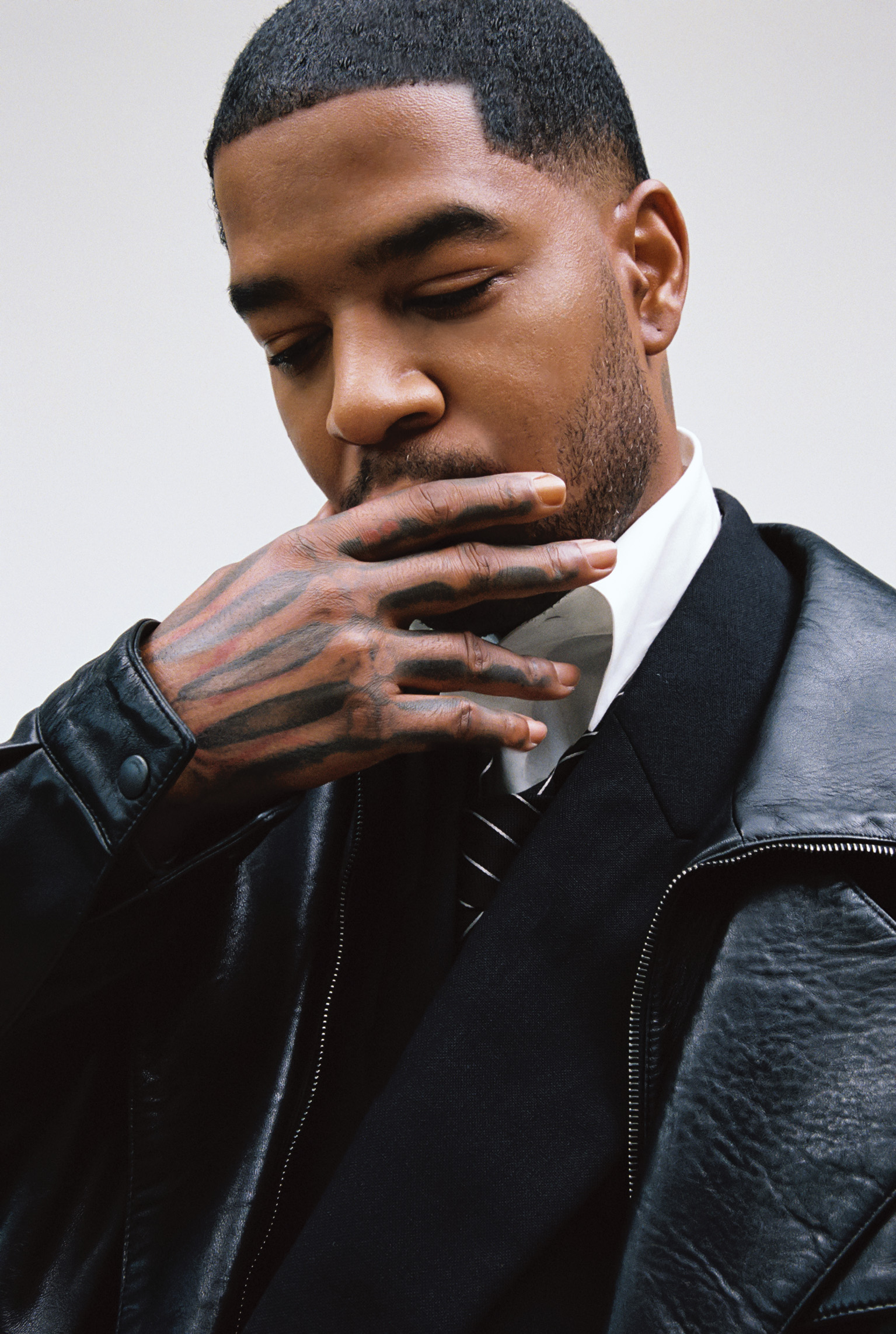
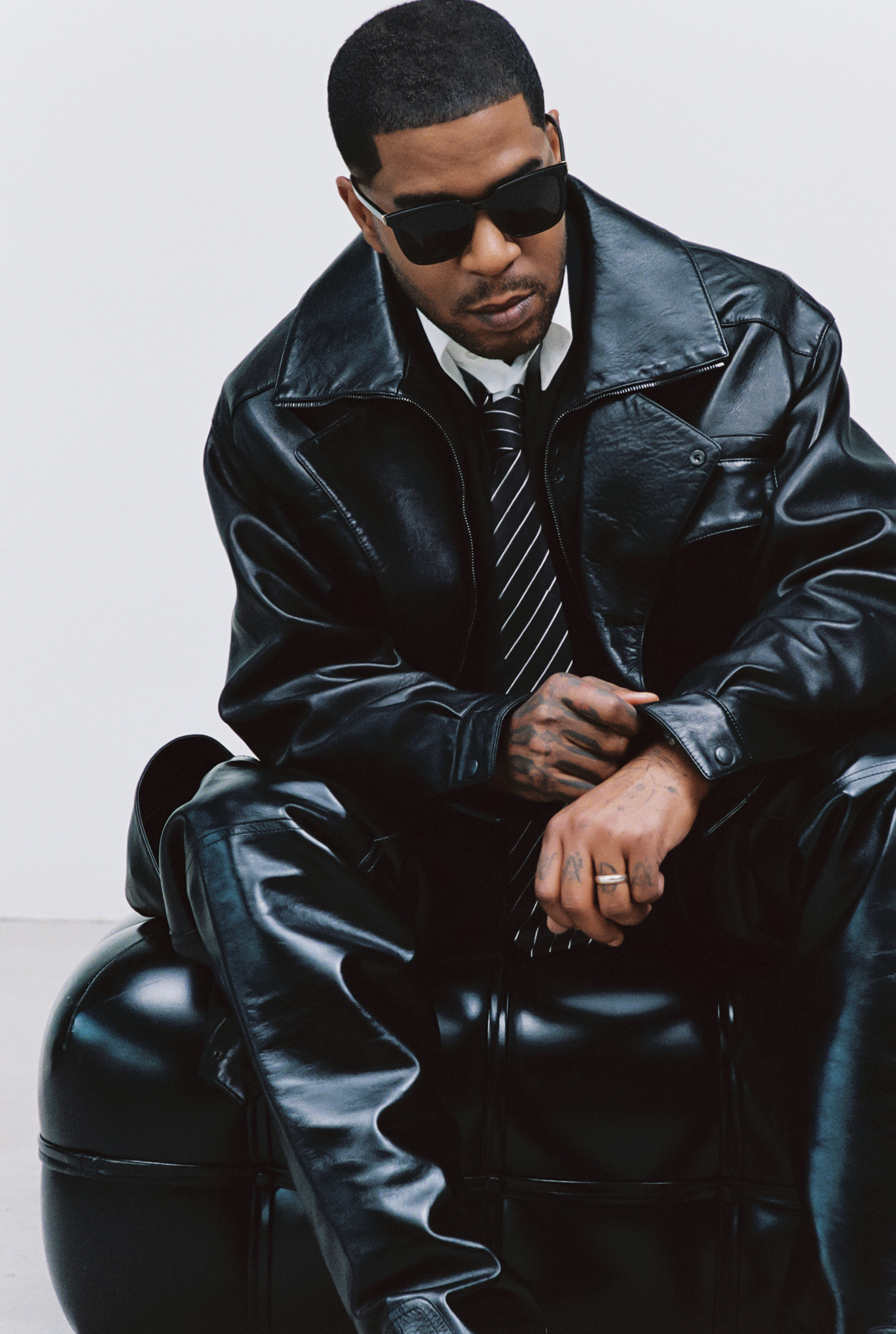
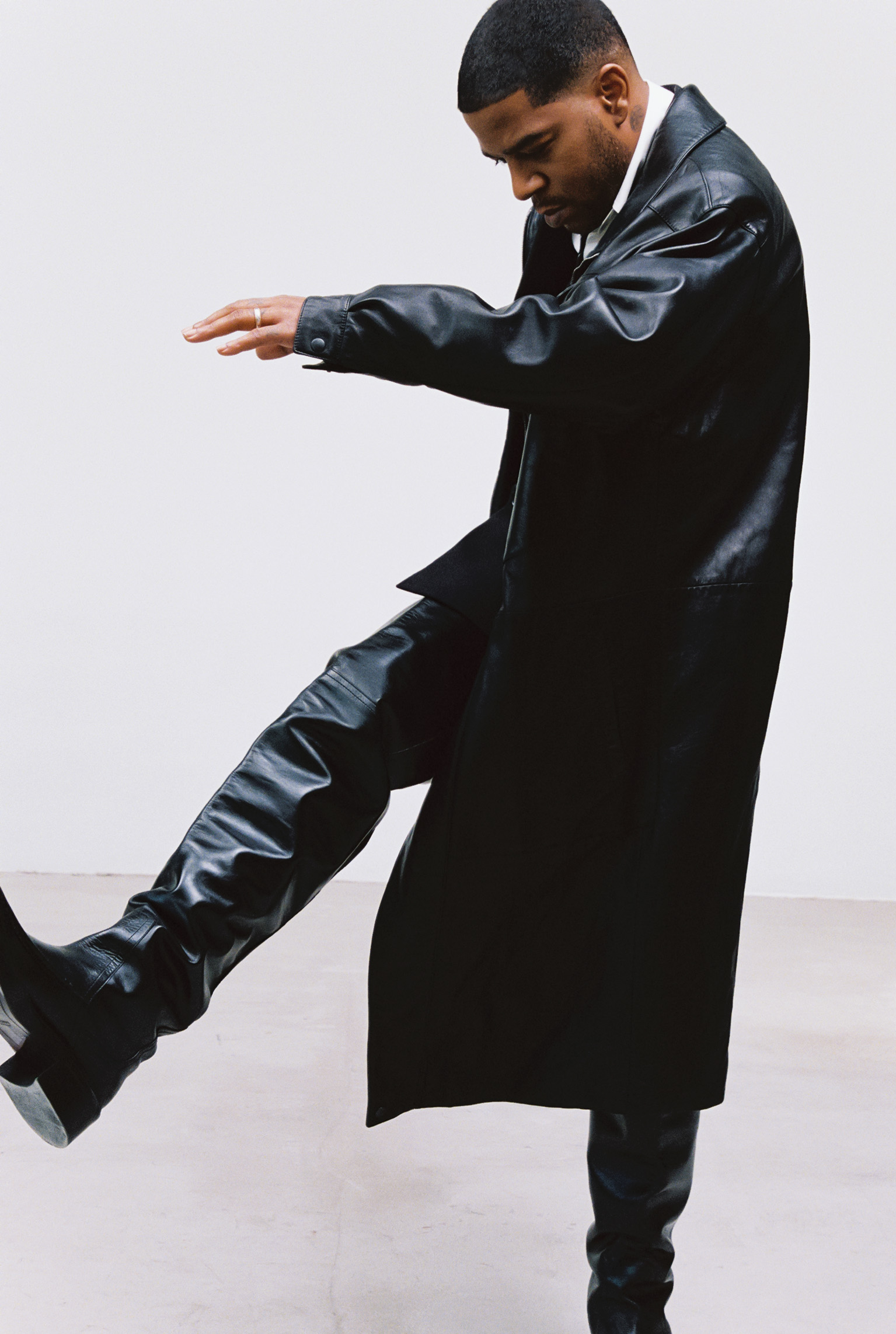
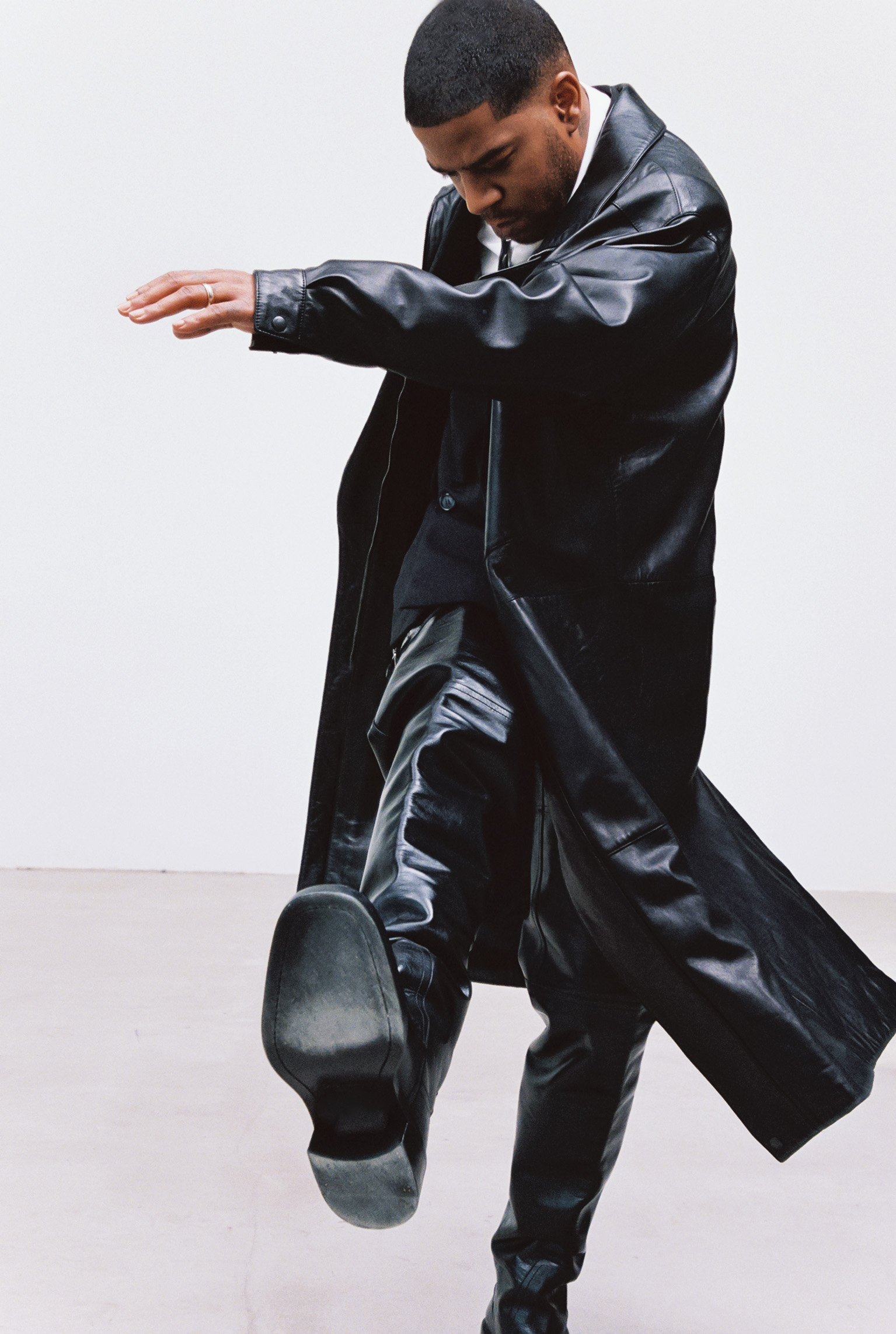
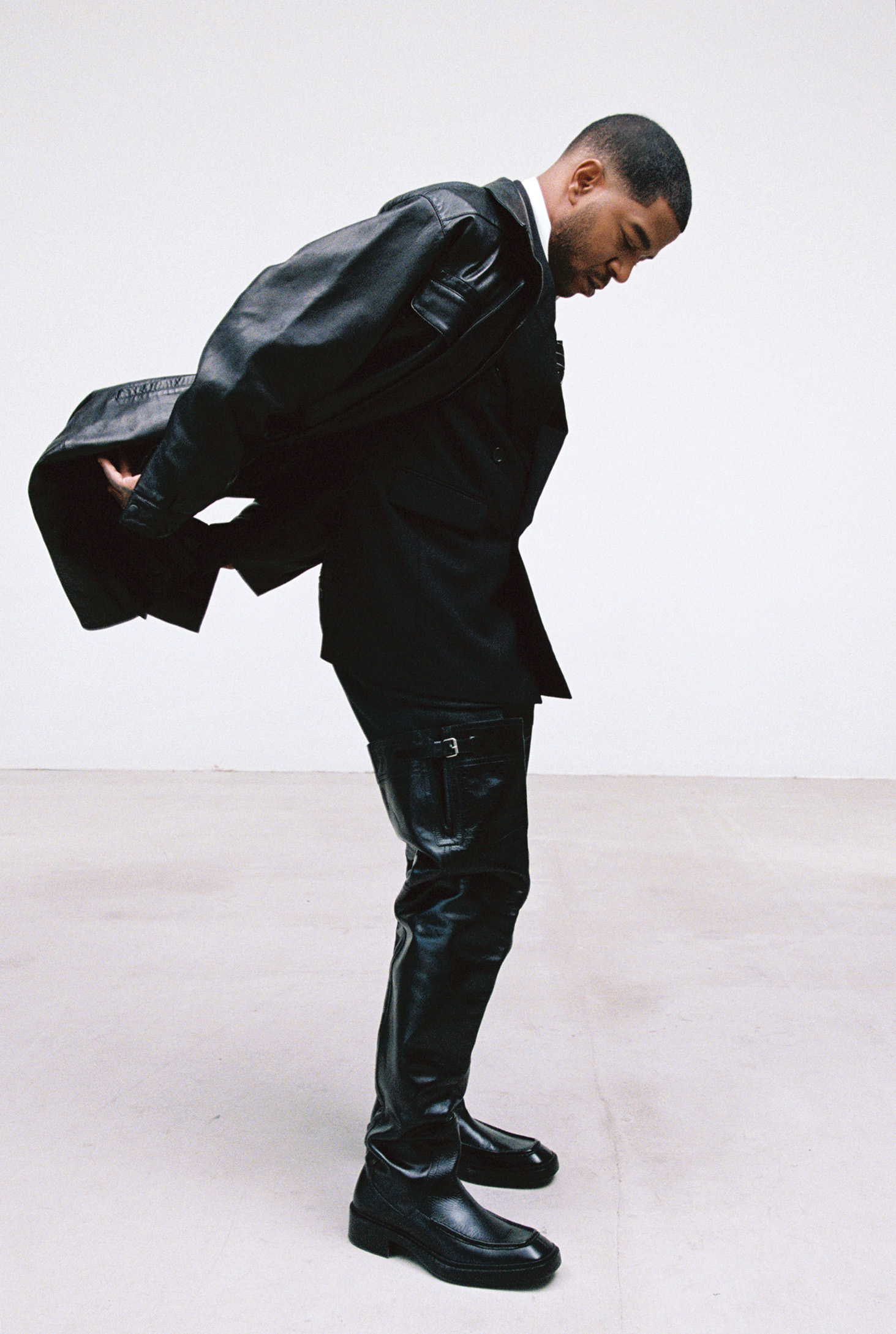
On Free (2025), listeners hear Cudi dive headfirst into pop, a genre he has only dipped his toes into in the past. “I think, with this album, sonically, it was just me trying to push myself in a space that people hadn’t heard from me before,” he admits.
“I’m in this new place where I’m feeling immense joy,” he shares. “I’m totally content with my life right now, and I’ve never been in this place before making an album. I’ve been happy, don’t get me wrong, I’ve been in a great place for years now. But I haven’t really expressed, in detail, a whole album about the joy that I feel and what it’s been like for the past two years just being in this place.”
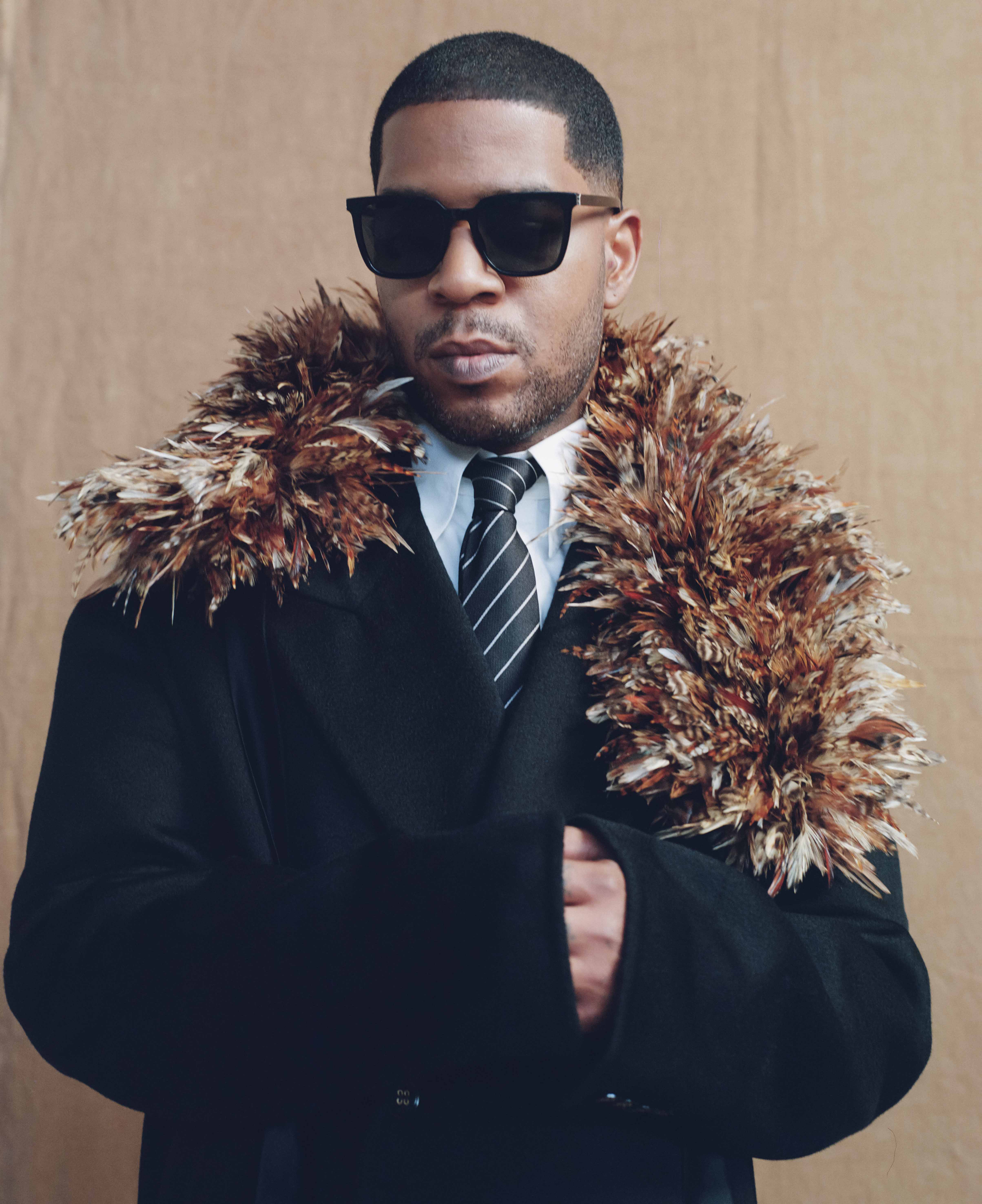
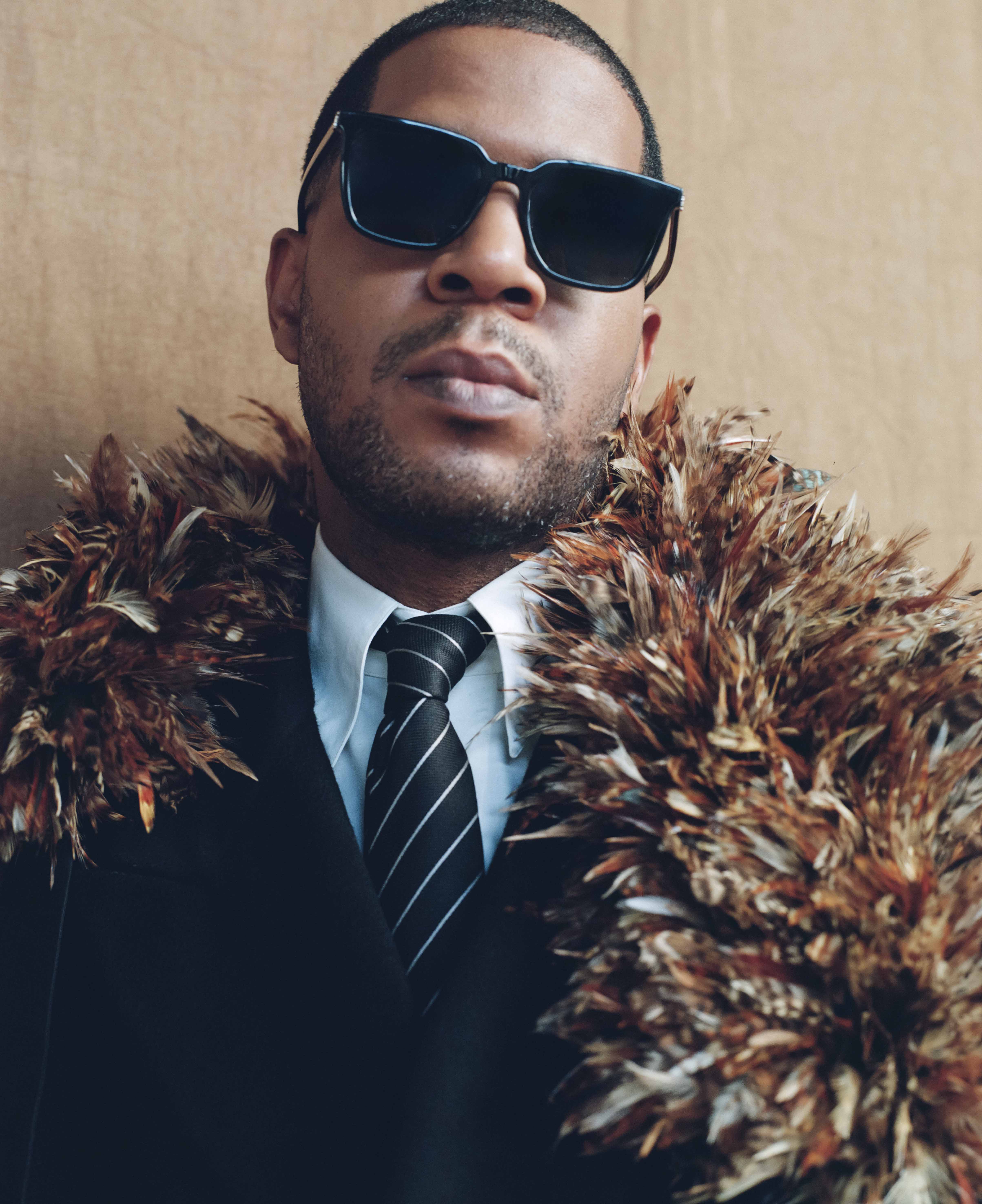
At 41-years-old, Cudi’s sense of self is broadening, not settling. Ever the polymath, he teases what’s next with the casual certainty of someone who knows that creativity knows no fixed form. “We’re going to have this conversation when I’m 51,” he laughs, “and there’ll probably be like three other things that we could put on my Wikipedia as professions that I [do].” Among them, a debut art exhibition at the Ruttkowski;68 in Paris (slated for early 2026) and an inkling for sculptural design that is still in its nascent stages.
But beyond music, film, and visual art, there is a deeper mission—a message for those coming up behind him. “I really want to prove to these young kids that there are no limits, at all. You can be anything you want to be. You can be multiple things. The days of just being one or two things are over.” It’s a mindset forged not just in talent, but in effort. “It takes a lot of work—and I was never shy about working,” he says.
On his foray into the literary world, Cudi supposes, “It was definitely one of those things where I knew that, as long as I told my story and told it in great detail, it was going to work out and it was going to inspire, the same way that the music did.” Cudi: The Memoir (2025) narrates the complexity of Mescudi’s struggles: “from [his] first memory to [his] 40th birthday.” Much like his lyrical voice, he pushes past discomfort to show how his life experiences have changed him, and as he sees it, his soul.
“I truly believe in the ‘If you build it, they will come’ phrase,” Cudi says, and for the last two decades, he has steadily been laying down elements of his artistic vision for the world to come and experience. “I knew early on that the only way I was going to have a voice in the industry was if I was unique,” Cudi shares. “With that came taking chances,” he adds, hoping that the people that were meant to find him would. This is a formula he seems to be applying to other artistic expressions and mediums.


Few make it as far as Cudi has in one industry, let alone three or four—a testament to his unbridled curiosity and passion for creating. Regardless of the medium, Cudi approaches each venture with the same sense of purpose and vulnerability that has defined his music career. “All I know is the plight of the artist,” he admits, which lends some understanding to the breadth of his creative endeavours.
Whilst he confesses that he never saw himself doing music for the rest of his life, Cudi seems very clear about the near future. “I think the ultimate next chapter for me is to just fall into the visual arts, and do this for a while and see where it takes me,” he envisions fondly. Painting has become a particularly healing outlet, one that makes him feel like a child again. “It’s a feeling I don’t get from anything else.”
His ability to reinvent himself while staying true to his emotional core has set him apart in a world that often demands consistency over evolution, particularly from its favourite musical artists. Like the title of his recent album, Cudi is boundless in his pursuit of artistry. He lets his heart lead him, and as a result, has found endless possibility.
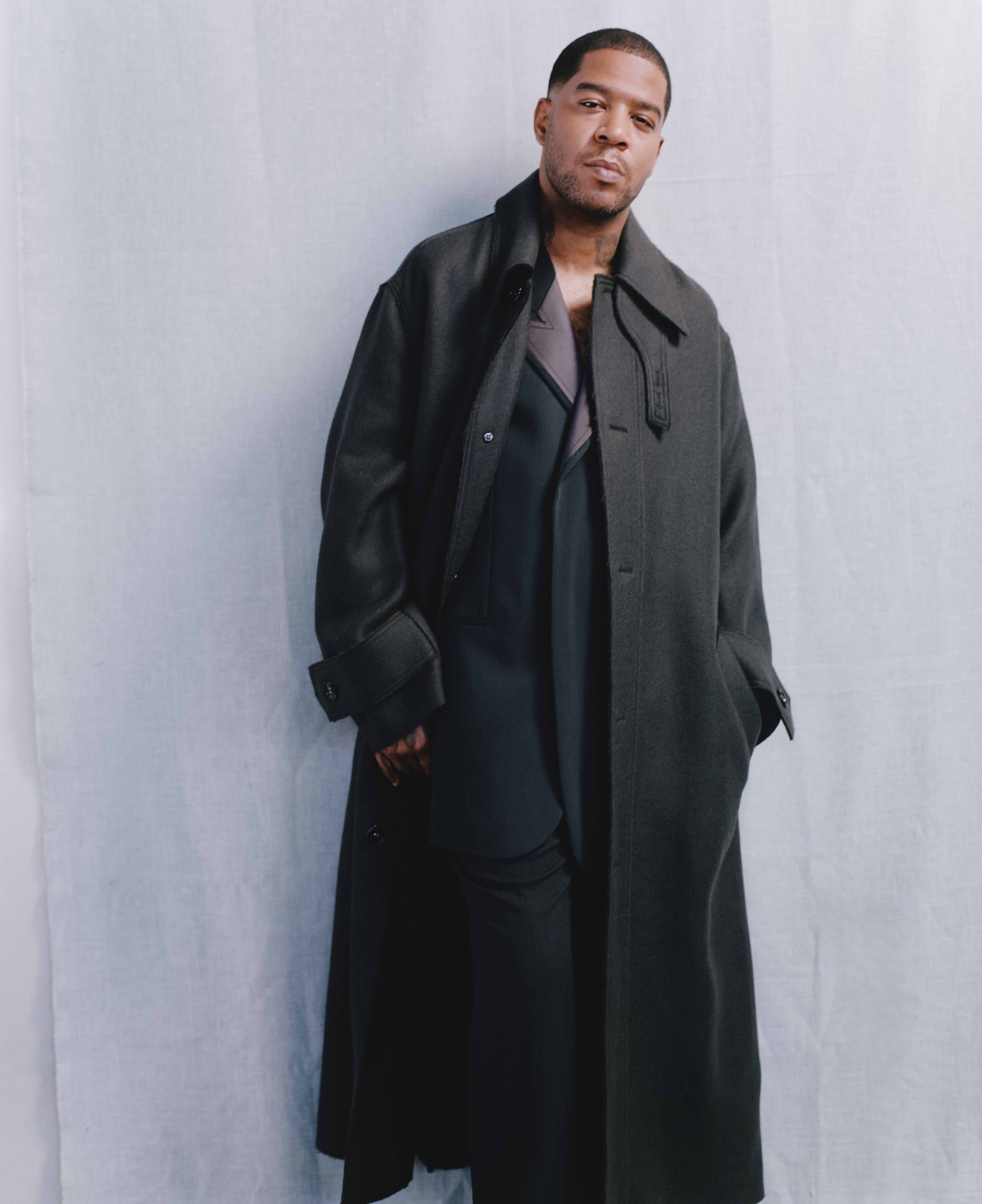
For generations of fans that grew up listening to Kid Cudi, there is a lot of hope to be found in where he stands now, and few can sum up this journey better than himself:
“This is the story of a young man who not only believed in himself
But his dreams too
This is the story of the Man on the Moon.” In My Dreams (Cudder Anthem) (2009)