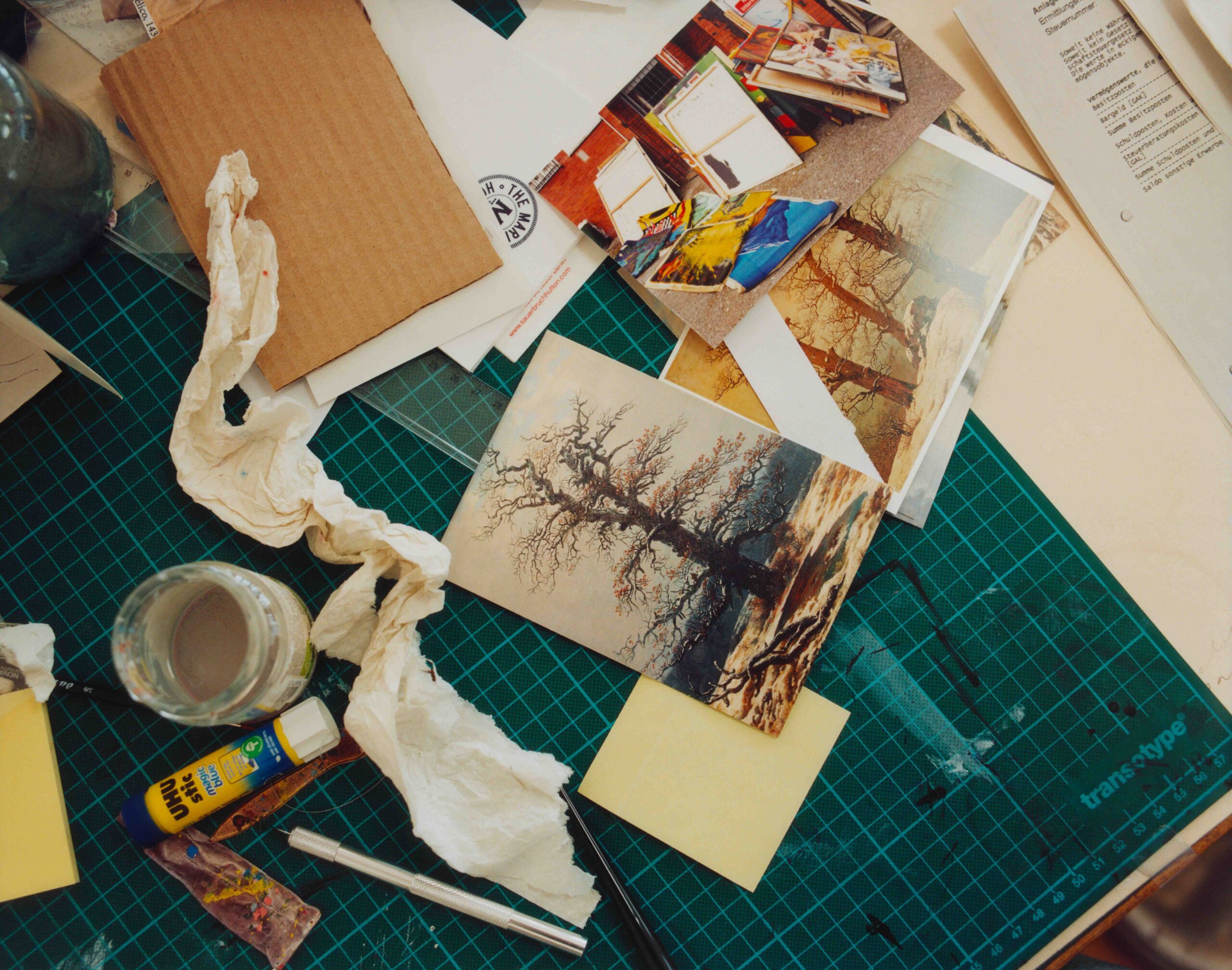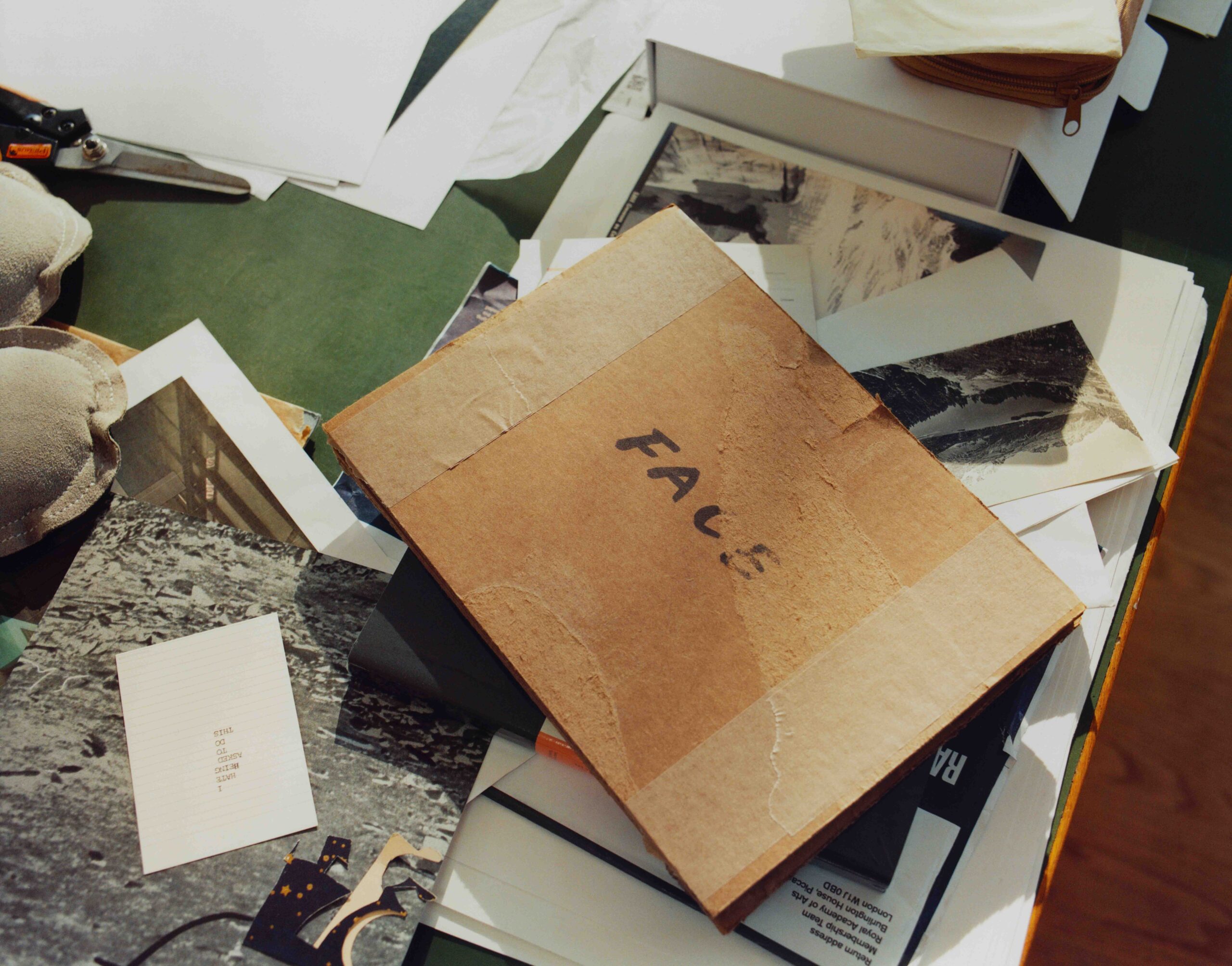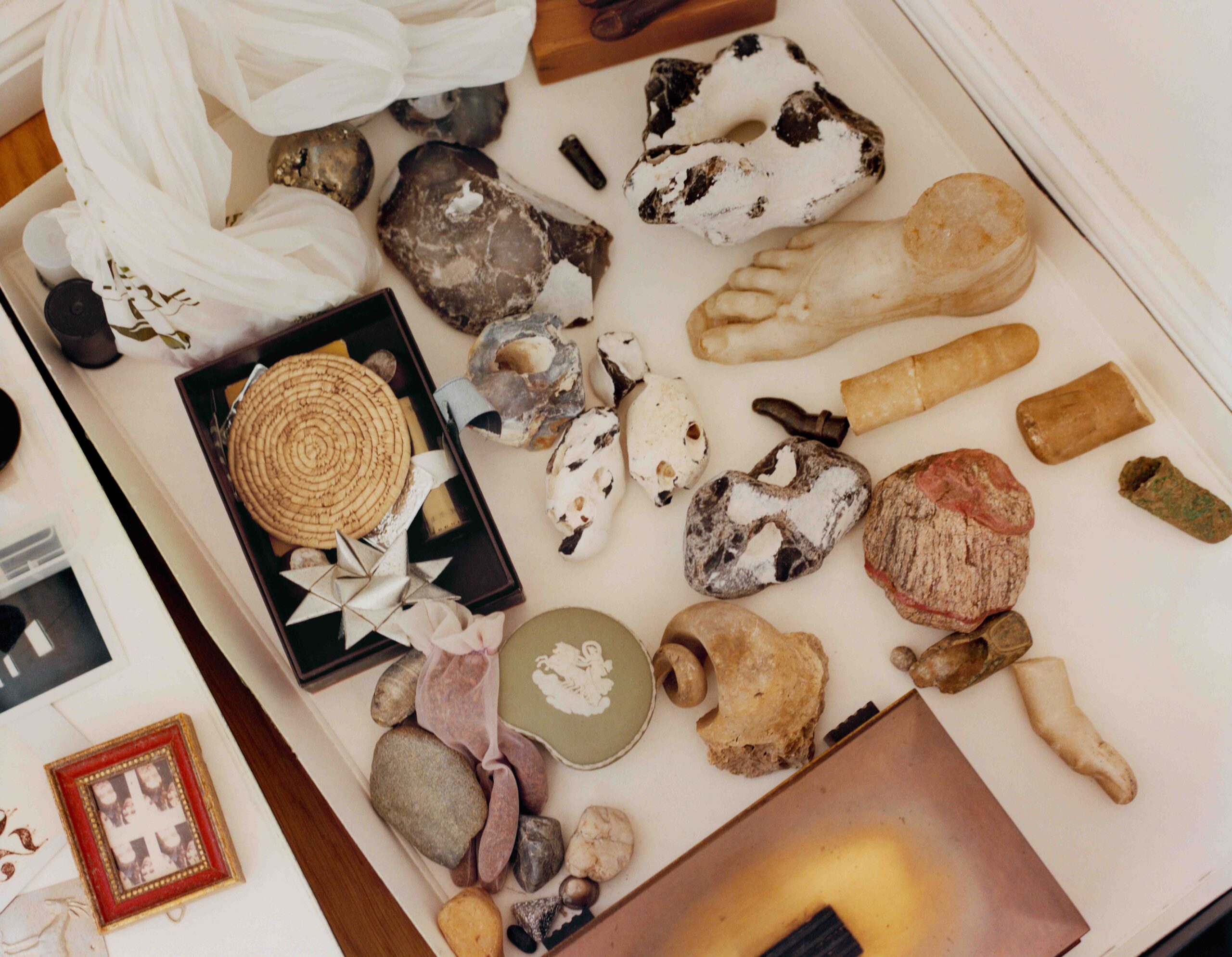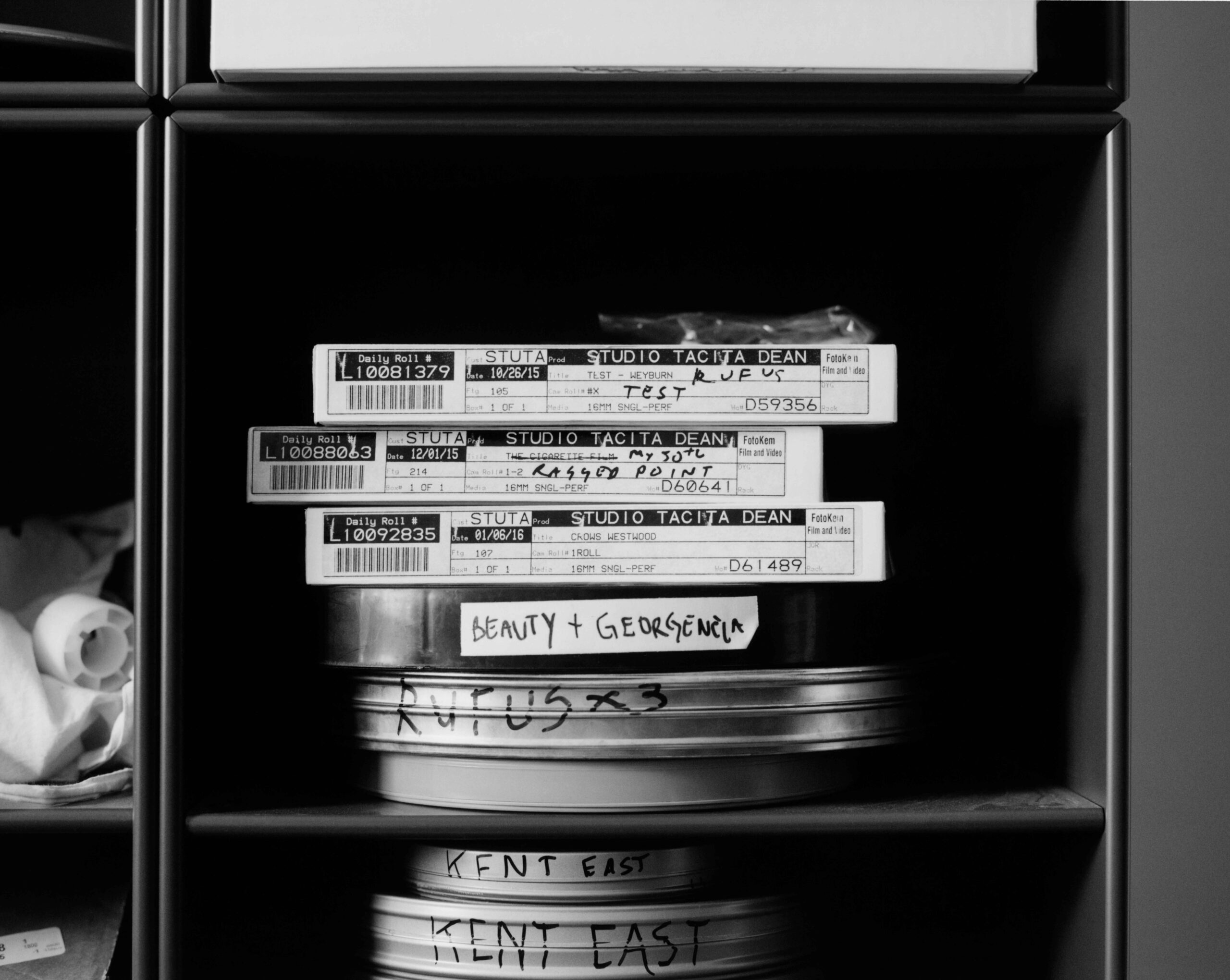
Every artist has a genesis, a starting point that defines the trajectory of their creative practice. For Tacita Dean, an artist known for her deep engagement with analogue film and drawing, the idea of beginnings is entangled with both chance and intention. Her work is a continuous dialogue between history, memory, and materiality—shaped by the unpredictable nature of analogue technology. For Dean, every creation reflects how chance intersects with the conscious decisions of the artist. It’s a journey that embraces the unknown, allowing the process of making to evolve in unexpected ways.
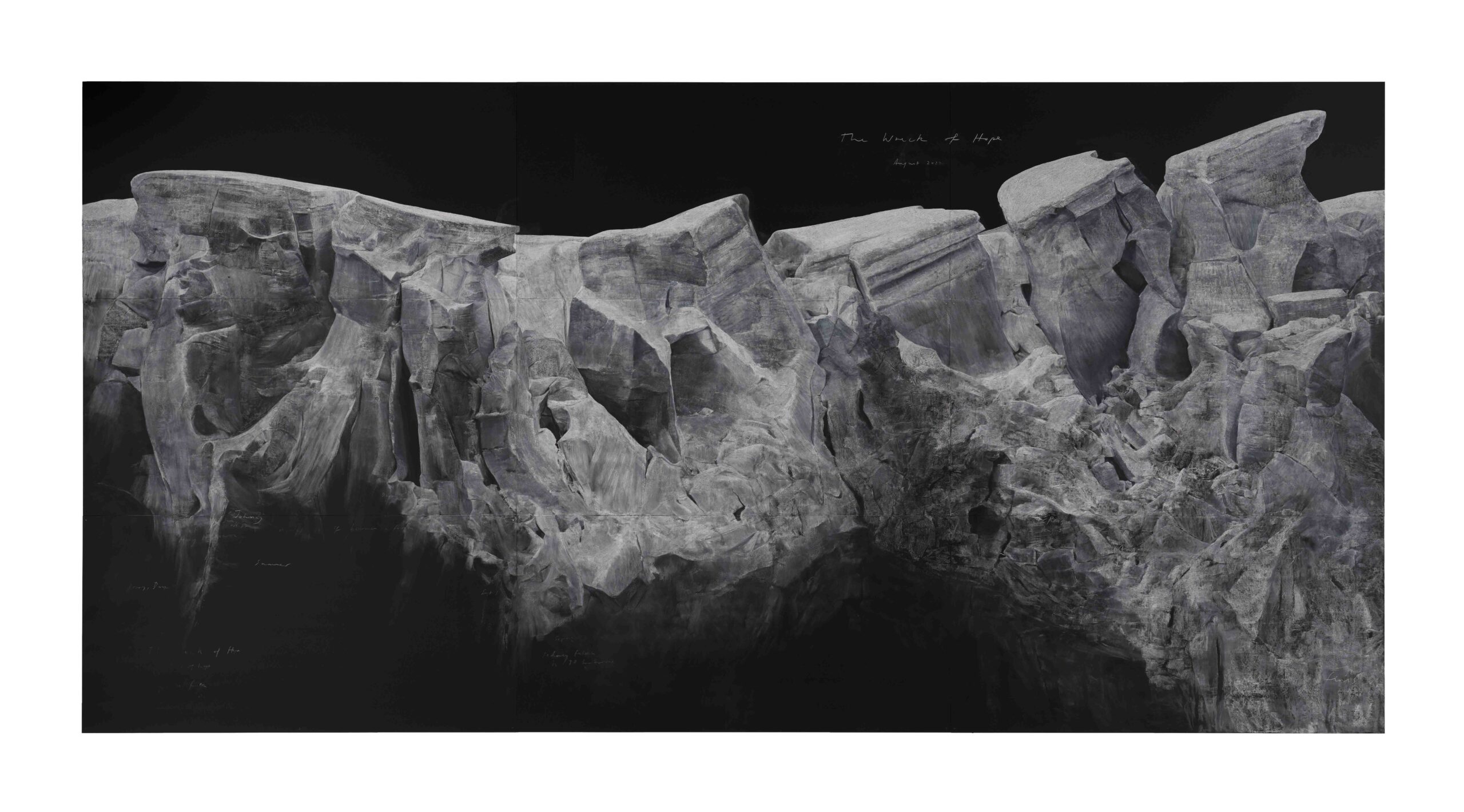
I spoke to Dean on a cold winter evening, both wrapped up in blankets and jumpers, her in Berlin and me in London. When reflecting on the origins of her work, Dean points to two possible starting places: one that feels a little more accessible to the art-shy and another that represents a more profound turning point in her creative development, visibly wrestling with the complexity of identifying a singular entry point. “[There are] two possibilities: where I’d point them because it’s easy or because it’s about the beginning?” She suggests her blackboard drawings as the obvious choice for newcomers to her practice. However, her second answer takes a different route. “I would say Girl Stowaway, maybe, because that’s when I began an unconscious, [that] then became a more conscious, relationship to how chance intervenes in the making of the work.”
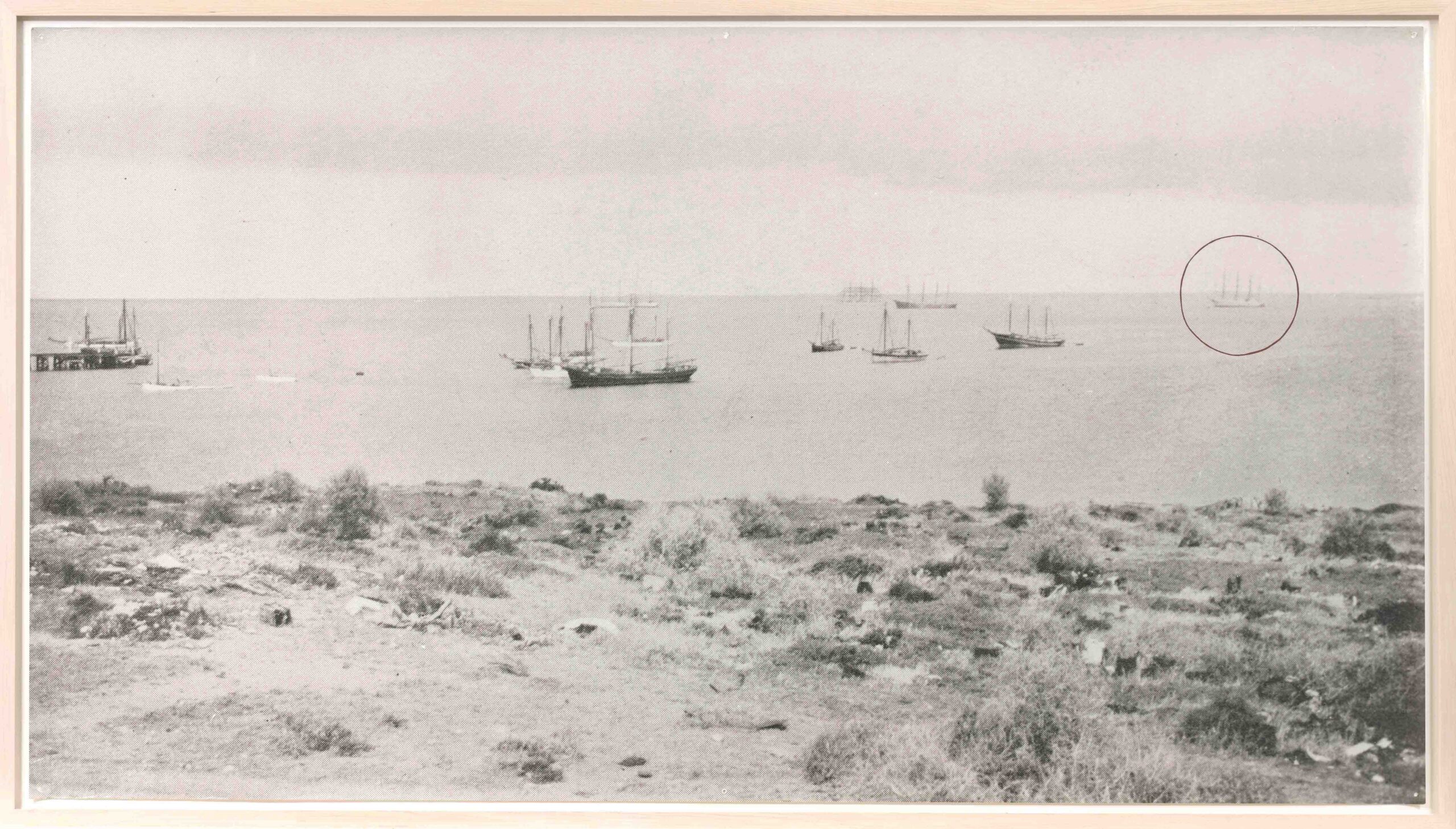
Girl Stowaway (1994) is a pivotal moment in Dean’s career. What began as a found photograph in a book led to an unfolding narrative marked by a series of unlikely events—a missing book, a fabricated newspaper article, and a gradual weaving together of fact and fiction. “It began with a photograph, a found image,” she recalls. “And then this whole event happened around this book, which might have had no impact on my life whatsoever, other than it was a curious image, but then it went missing in an x-ray machine in an airport.”
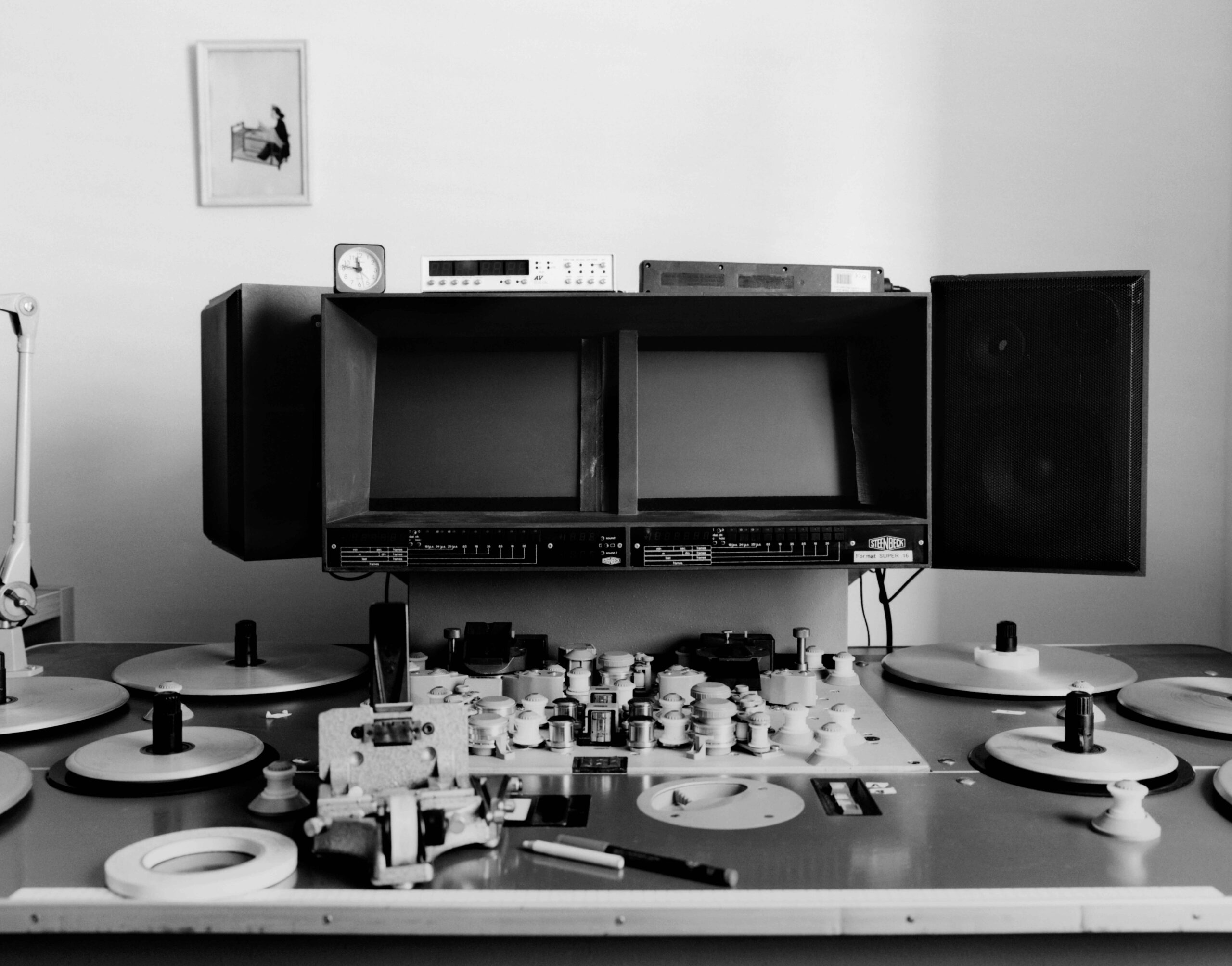
For Dean, Girl Stowaway embodied the unpredictable nature of chance. The disappearance of the book and the resulting fabrications guided her toward the idea of the ‘false document,’ a theme that remains present in much of her work. The piece represents a fundamental shift—a conscious engagement with the role of chance, which would continue to shape her approach to art. “The whole thing about chance is that things started to go really wrong. A woman was murdered and it just turned, what at that point had been quite a delightful signpost became something a bit more malign and terrifying.”
What makes Dean’s practice unique is her willingness to embrace this unpredictability. She doesn’t resist where her work takes her. She follows the threads of these unexpected paths, understanding that the medium she chooses invites such deviations.
At the heart of Dean’s practice lies a deep commitment to analogue film, a medium that has become less about the final image and more about the process. Unlike digital media, which she critiques for its sterilised nature, Dean finds in analogue film an opportunity for mystery, imperfection, and spontaneity. It is a medium that invites the unknown, that resists the taming impulse of digital perfection.
“I had a standard eight camera that belonged to my father when I was about 17,” Dean says, recalling the early moments when her connection to film began. “I shot him from an upstairs room, that’s all I can remember.” What began as a simple act of experimentation with a film camera grew into a lifelong devotion to the materiality of film. She speaks with palpable concern about the decline of analogue technologies, describing the shift to digital as a threat, not just to her art, but to truth itself.
“I’m afraid I’m of the school [of thought] that thinks digital technology is extremely dangerous,” she ponders. “We are seeing the manifestation of the danger of having no truth. I don’t know how you can put that genie back in the bottle because it’s a disaster, I think.” To Dean, analogue film is rooted in authenticity. “With negative, it is the template. That is the truth. And there’s something so powerful in that and it’s becoming… The only thing I would say about the advent of AI and the duplicity of the world we’re entering is that analogue does still give us the authentic act.”
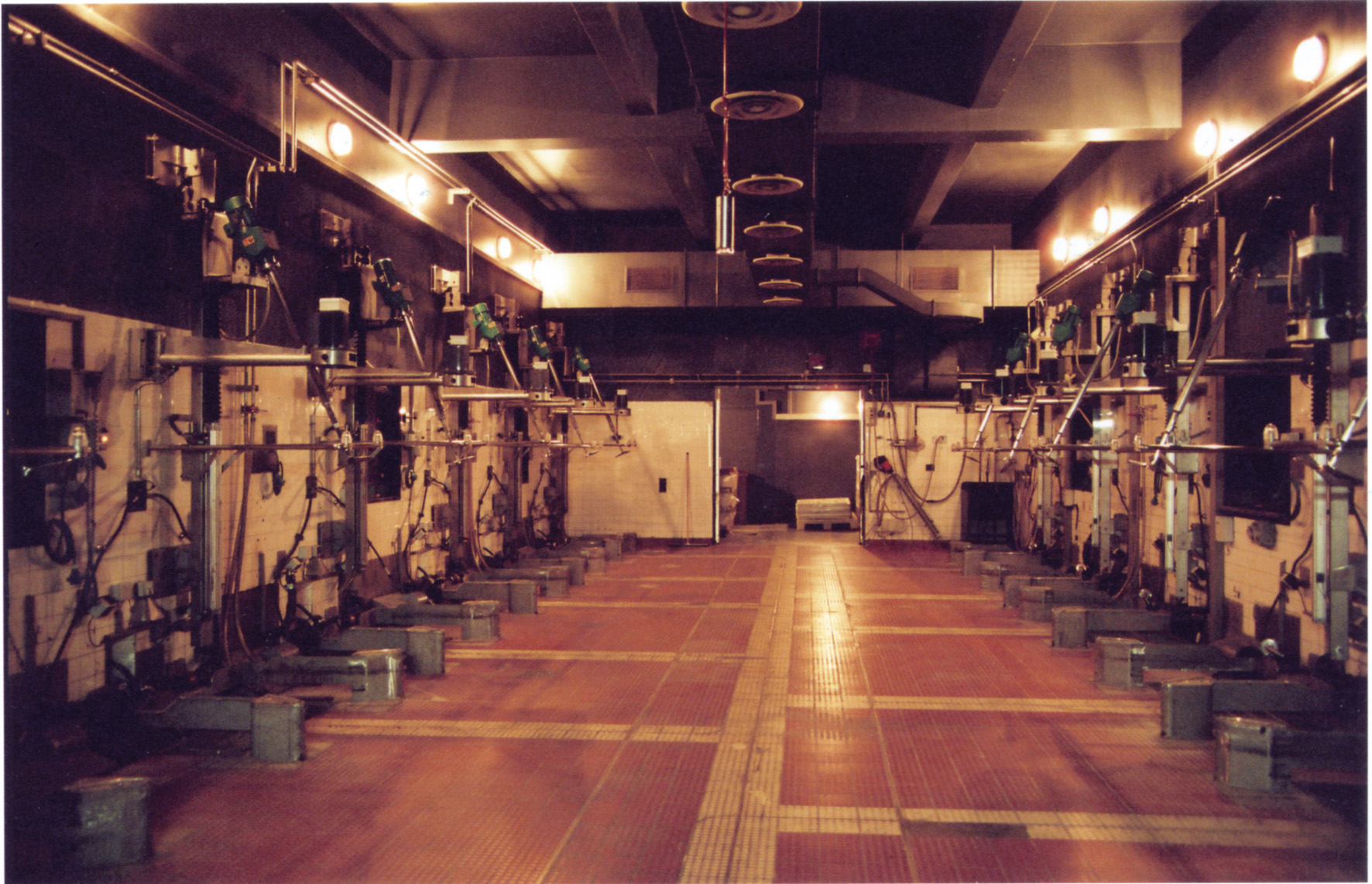
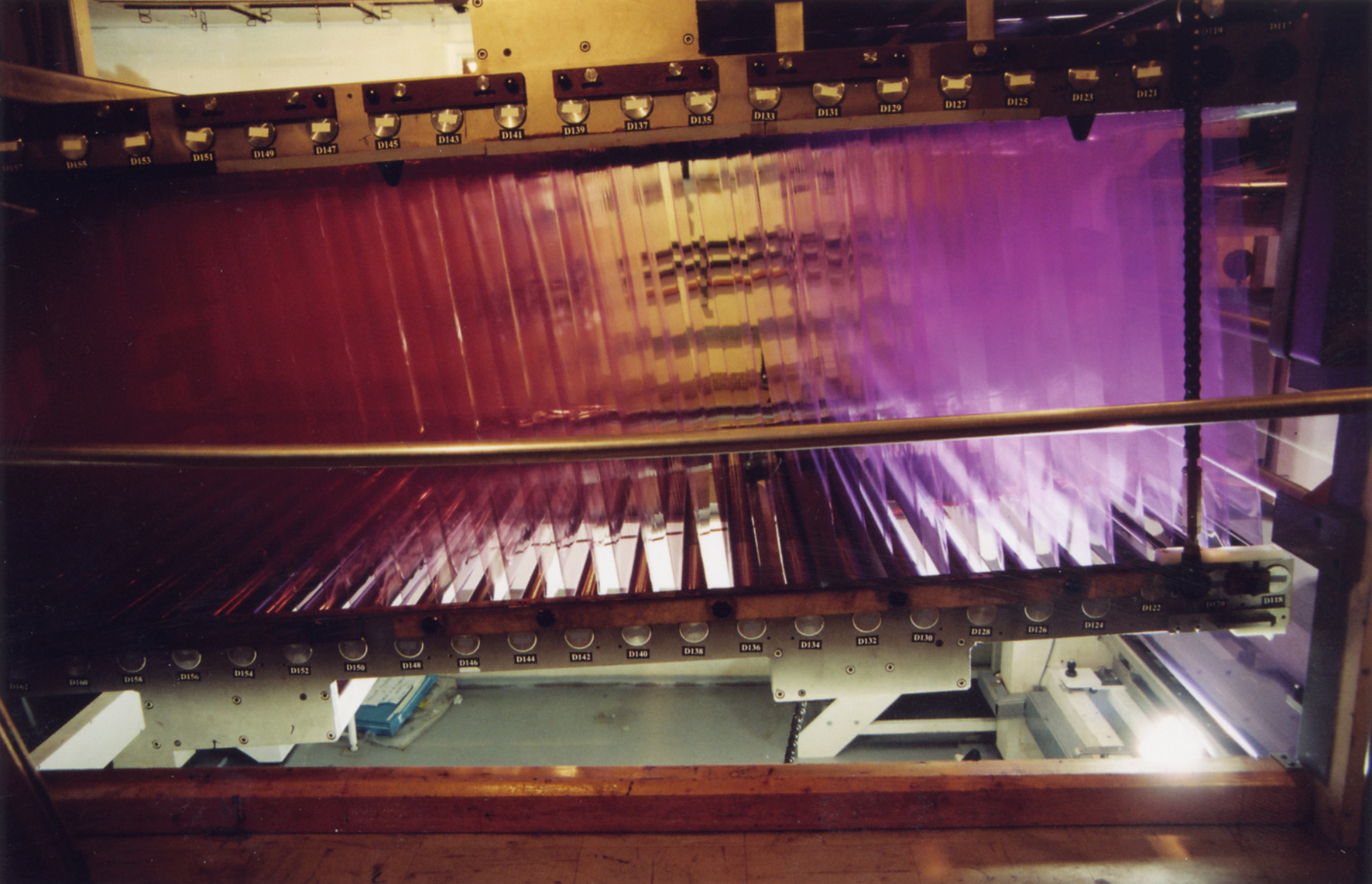
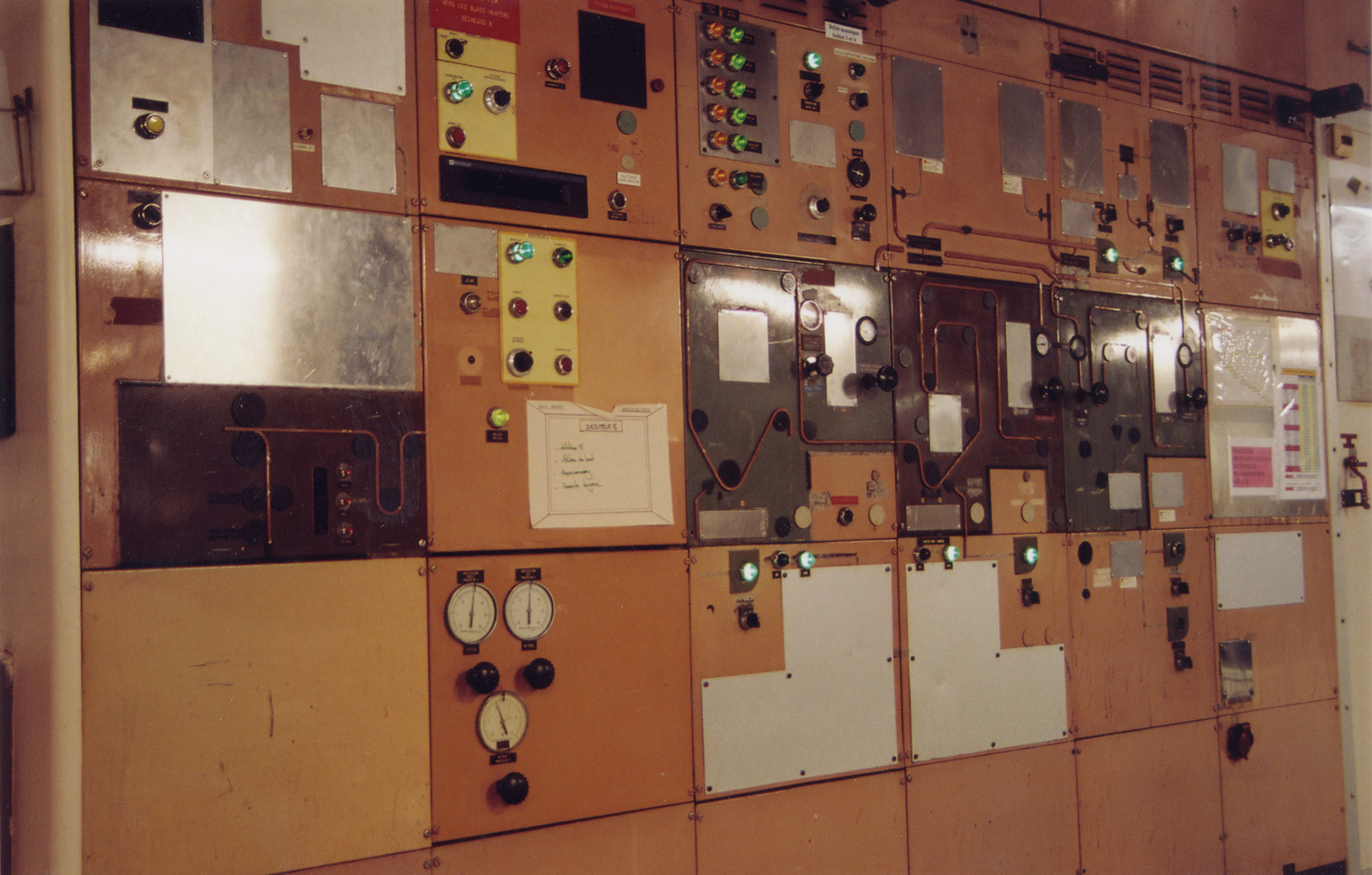
This urgency is captured by Dean in Kodak (2006), which stands as both a tribute and an elegy to the analogue film industry. Shot in the Kodak factory in France, it documents the final days of film production at the site, a time when its workers were unaware that the factory would soon be closing.
In Kodak, Dean not only witnessed the closing of an era but also grappled with the implications of such endings. “It was already beginning to go very badly,” she reflects. “First, it was a threat to 16mm, then almost immediately it was a threat to all film. And then, post-COVID, it became a threat to cinema as an institution.”
“The first real moment was the closure with immediate effect of Soho Film Lab in London. I had three films in production there,” she recalls. “As I was in the underground, going to the lab from Heathrow Airport, the lab manager told me that they’d been closed that morning… That was the end of 16mm, in a way that was the beginning of the collapse of film.” Despite the challenges facing the medium, Dean holds a deep affection for cinema. “I hope cinema will come back because it’s a glorious thing, cinema,” she sighs.
Dean’s practice is not confined to a single medium. Drawing, writing, and painting are all integral parts of her artistic identity. While editing a film might require her full attention in a certain season, she finds herself constantly toggling between disciplines. “The deeper question is deadlines,” she muses, contemplating how they shape her creative rhythm. “Without deadlines, you can’t have shows and with shows, you must have deadlines.”
For Dean, time is both a constraint and a catalyst. She knows that without deadlines, her practice would lack the structure necessary to bring her ideas into the world. Yet, this balancing act is not without its tensions. She reflects on the inevitability of creative dips after a major project is completed. “If I’m in a dip, what do I do? I look at books and museums. I look at my old writing and notebooks and things. I remember.”
In many ways, Dean’s work exists in a state of flux—constantly shifting between beginnings and endings, between chance and intention, between certainty and mystery. Girl Stowaway and Kodak serve perhaps as bookends to her practice, each representing a moment in which an artist’s relationship with uncertainty, material, and time led to a deeper understanding of self and art. For Dean, the concept of genesis is not confined to one single moment. Instead, it is an ongoing process, shaped by the unpredictable nature of chance and the enduring power of analogue.
In an era defined by the ease of digital manipulation, Dean’s commitment to the authentic act, to the analogue image, and to the beauty of spontaneous beginnings is a powerful reminder of what might be lost if we abandon these principles in the face of technological advancement. As she continues to navigate the shifting landscape of art and film, Tacita Dean’s work remains a testament to the enduring magic of the material world and the unknowable paths that art can, and must, take.