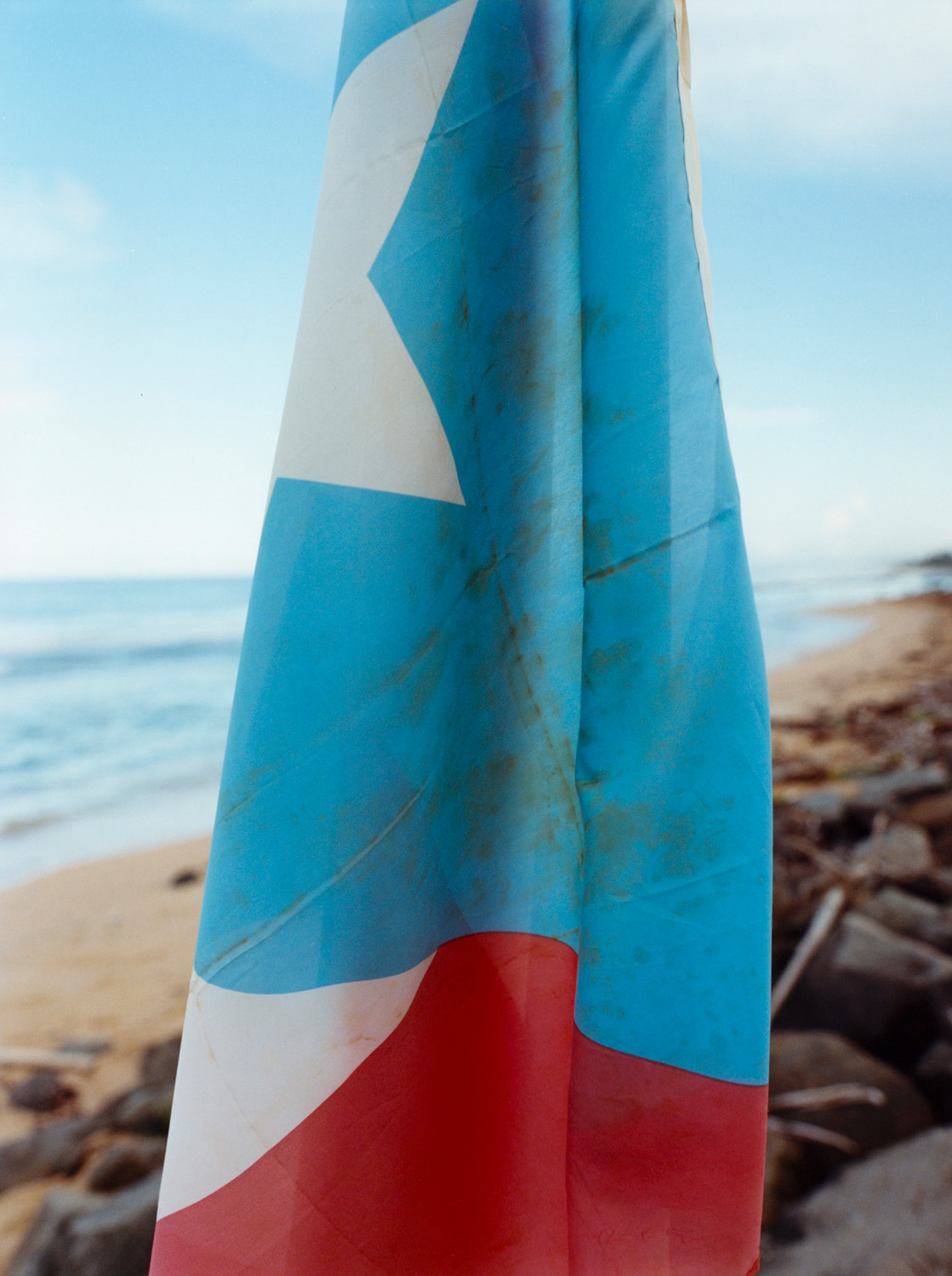
I land in Puerto Rico with time to catch the tail-end of Hurricane Erin. The Caribbean Sun does not greet me, replaced by a hurricane season I know well having grown up in Miami—another place where perreo is as much a part of the air as the humidity. The storm knocks out power across the island. I get dressed in the dark and head out.
That night at La Parroquia, a Catholic-themed dive in San Juan, reggaetón’s future and past play a B2B set: Venezuelan experimental producer Safety Trance and genre originator DJ Negro. Founded in 2022 and operating between Miami and San Juan, the Isla Del Terror party series curates lineups with a gothic underground sheen. Tonight’s set is no different, with Safety Trance’s thrashing, dark hyperpop imbuing the sparse second floor of the venue with the energy of a techno club, broken up by Arca’s Prada / Rakata (2021), a futuristic club reggaetón anthem that may well be his most known production to date. After his set, DJ Negro blasts the floor with old-school reggaetón. Kicking off with Tego Calderón, he moves through the genre’s pantheon: Hector El Father, Daddy Yankee, Ivy Queen, Wisin y Yandel.
It’s boring to theorise a party when the sweat is the research. So we sweat and thrash and grind and kiss each other. Against the furthermost wall, a damaged copy of Michelangelo’s The Creation of Adam watches over the raunchy, sacred dance between reggaetón’s apocalypse and genesis, the push and pull between a brave new chaos and the supernova explosion that created it.
The explosion that birthed reggaetón came not from space, but from 1980s Jamaica. The booming, iconic dembow beat at the heart of the genre comes from Steely and Clevie’s Fishmarket Riddim (1989), sped up and injected with electronic timbales by Jamaican producer Dennis “the Menace” Thompson in Pounder (1990).
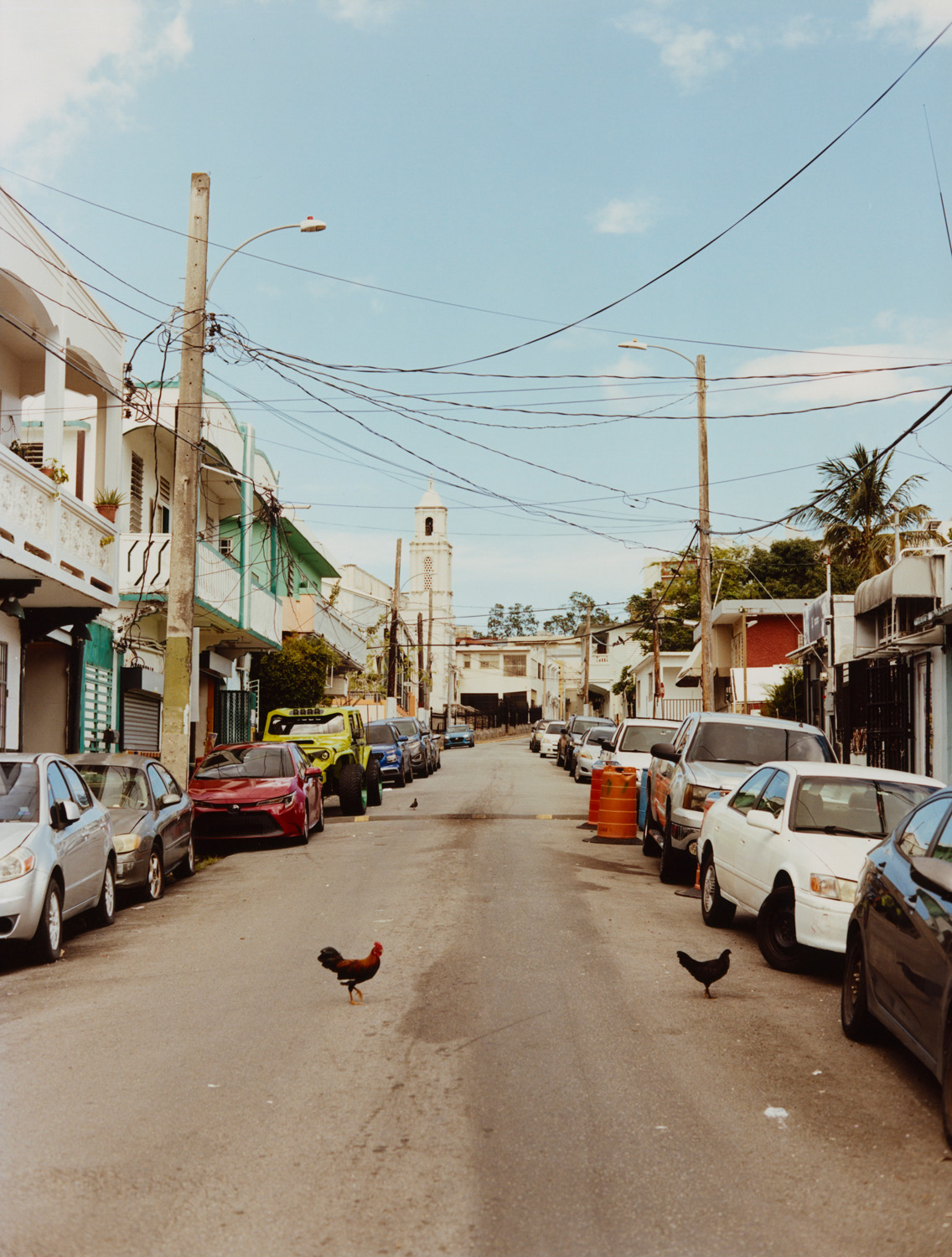
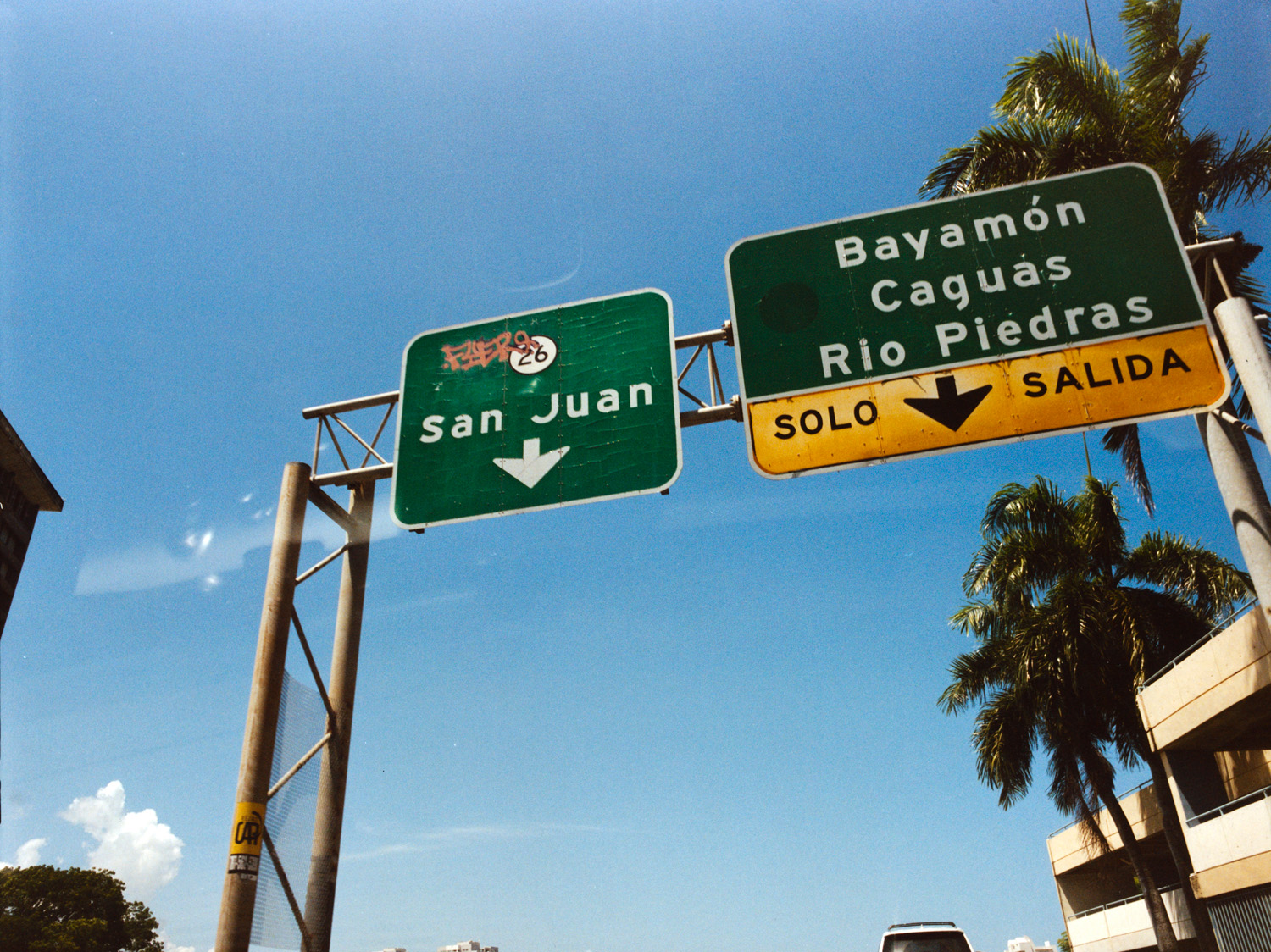
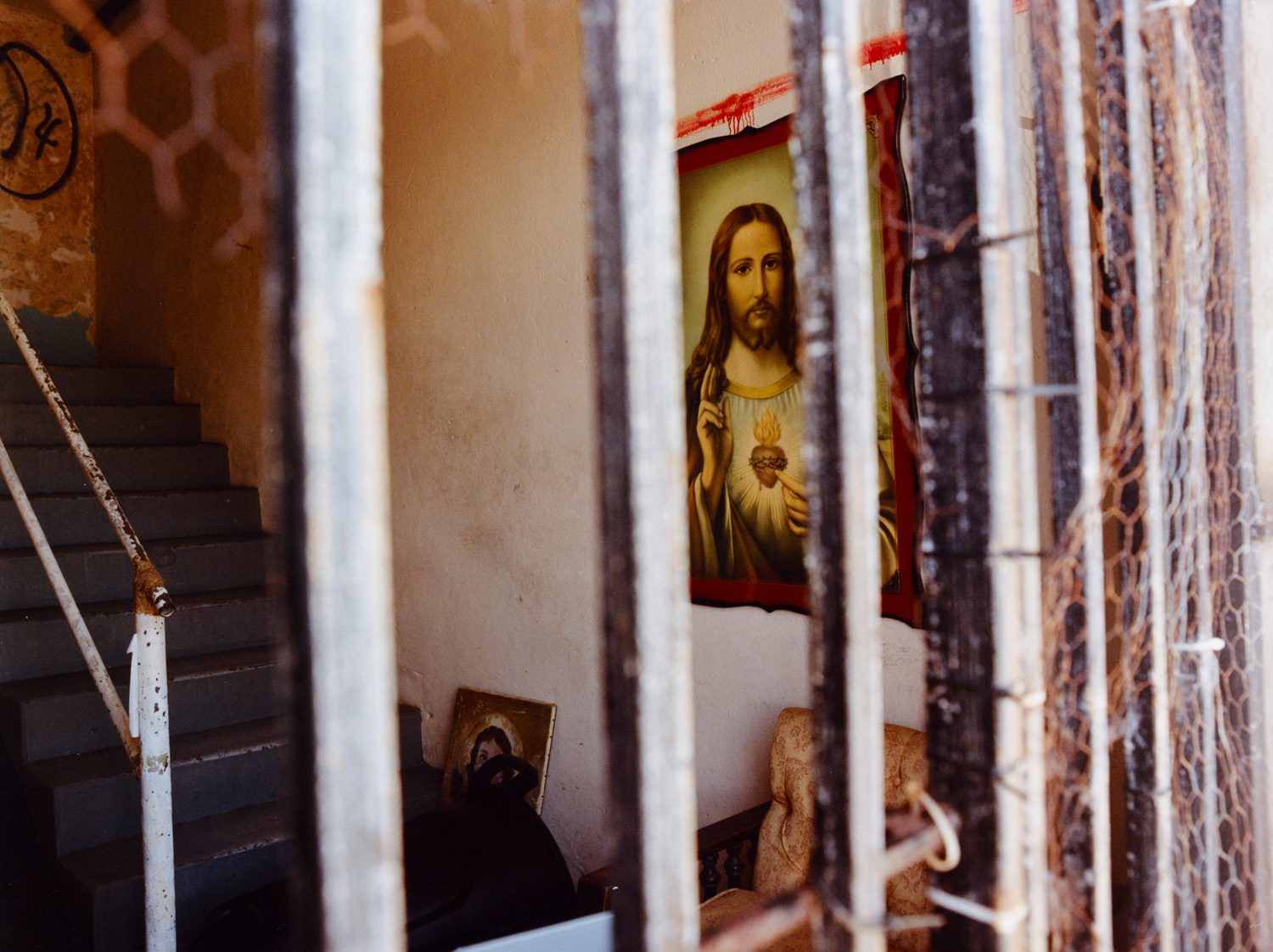
Around this time, the sound made its way out of Jamaica through the buses of Panamá’s working class neighbourhoods. Passed around via tapes heard by pioneering musicians such as El General and Rude Girl, a movement began to bubble up with reggae en español, a combination of the original Jamaican riddims and Spanish-language lyrics. The pounding beat then made its way around the Caribbean before landing in Puerto Rico, where rappers started freestyling over Pounder’s instrumental and reggae en español was sped up further. Eventually ping-ponging between the streets of San Juan and New York, it maintained its Caribbean roots while picking up an East Coast rap flow and aesthetic.
This new style was touted by young Boricuas singing about the struggles of urban life, working out their issues through sweaty grinding trains at marquesina parties and rap battles on the dancefloor of legendary club The Noise. Doubling as a production collective helmed by DJ Negro, the club was fertile ground for the seed of old-school reggaetón to germinate.
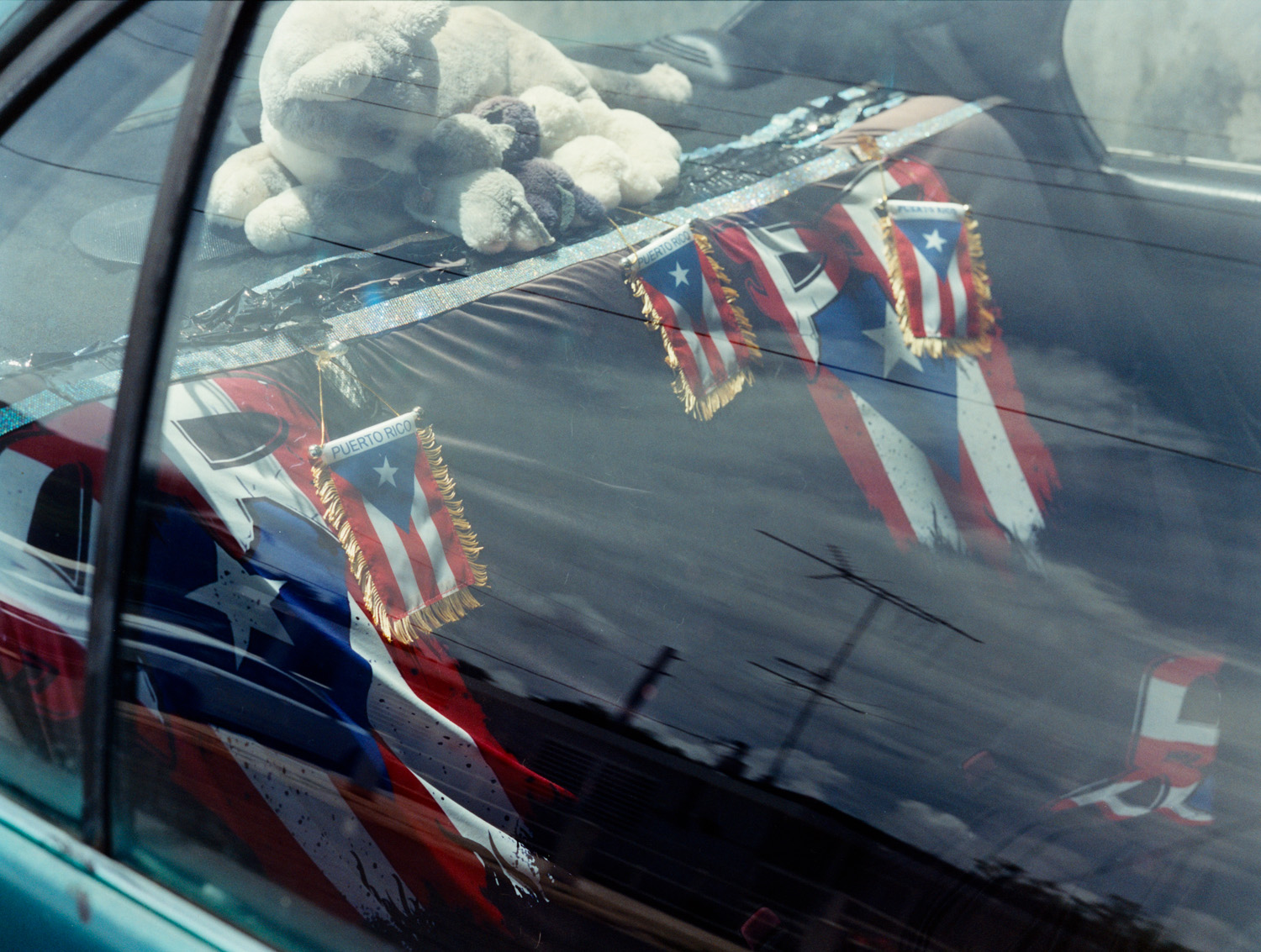
Despite police crackdowns and Puerto Rican society turning up its nose at the sexually explicit lyrics and dance style, artists such as Ivy Queen, Baby Rasta & Gringo, and Daddy Yankee persisted, pushing the underground sound into the global phenomenon we know today. Since then, reggaetón’s harsher original sound has been softened, squeezed, sampled, vilified, celebrated, and turned inside out. A marginalised (sometimes even criminalised) genre that started out talking about working class political realities has now become the first sound people think of when they read the umbrella term “Latin Music.”
Over time, the songs that have come from reggaetón have become more melodic and romantic, continuing to splinter off. In the Dominican Republic, it has evolved into the aggressive, unapologetic sound of Dominican dembow, promulgated by artists such as El Alfa, Tokischa, and Cromo X. Meanwhile, in the manicured hands of Colombian artists such as Karol G, Ovy On The Drums, and J. Balvin, it has become sparser and more radio-friendly. With the advent of a globalised music industry, it has even made its way to Spain, slinking through the underground scenes in both Europe and Latin America, and birthing subgenres such as neoperreo and even post-punk covers as it climbed its way up the charts with the rise of acts such as Daddy Yankee, whose signature song Gasolina (2004) from seminal reggaetón album Barrio Fino is now in the United States’ Library of Congress National Recording Registry [1].
“I don’t think anyone imagined that reggaetón was going to evolve the way that it has today, much less that it would end up in the mainstream,” says Safety Trance. “I think the evolution of this genre has been something positive… Even though what is most played is the more classic or safe stuff, in the background there’s a lot of really cool things happening, giving life to the genre. Where it goes from here I couldn’t tell you, but that’s the interesting part.”
The cementing of reggaetón as a global force has been a boon for the acceptance of Latin American and Caribbean cultures worldwide. Suddenly, we were en vogue (and later, even gracing Vogue covers).We went from a niche to the epicentre, crossing the Anglo-speaking divide and highlighting the fact that we have always been here, in salsa, merengue, boleros, and pop en español.
When it comes to reggaetón itself, the beat’s popularity has broken down borders, sonically and otherwise, touching every corner of the world, from the upper echelons of the billion-dollar Latin music industry to worldwide underground offshoots. It has also become a tool for young musicians who grew up on reggaetón to find new ways of expanding it. Within almost every sphere, it has become a focal point for conversations around Latine presence in different genres.

“In Miami, I would play these techno-centric or house-centric parties. When I would switch it up and play reggaetón, people would pause, but it’s already such a part of the city that they were down,” Nick León, one of Latin electronic music’s biggest producers, tells me. “With the popularity of the genre worldwide, it’s cool to mix it in, so people from other cultures can find their way into it. [The beat] is a good jump-off point for melodies and lyrics and ideas that you can recontextualise by playing faster or putting the acapella over a different beat.”
In the club and beyond, the artists at the vanguard of this experimentation today are those working outside the Top 40: young artists, queer and trans artists, goths, and reggaetóneras who work from a futuristic angle. Looking at the popularity of upstarts such as Omar Courtz and J Abdiel, in the mainstream, reggaetón can seem to be (and largely remains) a boy’s club. Though some aren’t explicitly reggaetóneras, a slew of female artists—Young Miko, Villano Antillano, Ms Nina, Tomasa Del Real, Isabella Lovestory, Arca, MJ Nebreda, Tokischa, and Yajaira La Beyaca, to name a few—are using reggaetón beats and making noise in the genre, from underground reggaetón raves to packed-out stadium tours.
“I wouldn’t know how to tell you in what direction [reggaetón] is going; it’s always picking up different colours,” says genre sensation Young Miko, who was just announced as the supporting act for Billie Eillish’s upcoming tour. “I see it as something that is going to continue to evolve. It used to be that the old reggaetón drums weren’t heard so often… Now, they’re heard more, but they’re also mixed with trap, or Afrobeats and sounds from Jamaica, which is how it all started. Then hip-hop drums get in there, and techno… We’re going to get to a point where the layers will get so stacked that nobody can really tell what will happen next, and I love that. It makes me want to keep being part of this movement, to let myself be challenged by it.”
This freshness comes from a strong lineage. A number of artists are reaching out to (or being taken under the wing of) the old school, making new music that bridges reggaetón’s generations. This can be seen in Bad Gyal’s recent collaboration with Ivy Queen, Perdió (2024), or in Young Miko herself, who has worked with both Wisin and Yandel as solo acts on Señorita (2024) and Cuando Te Toca (2023), respectively.
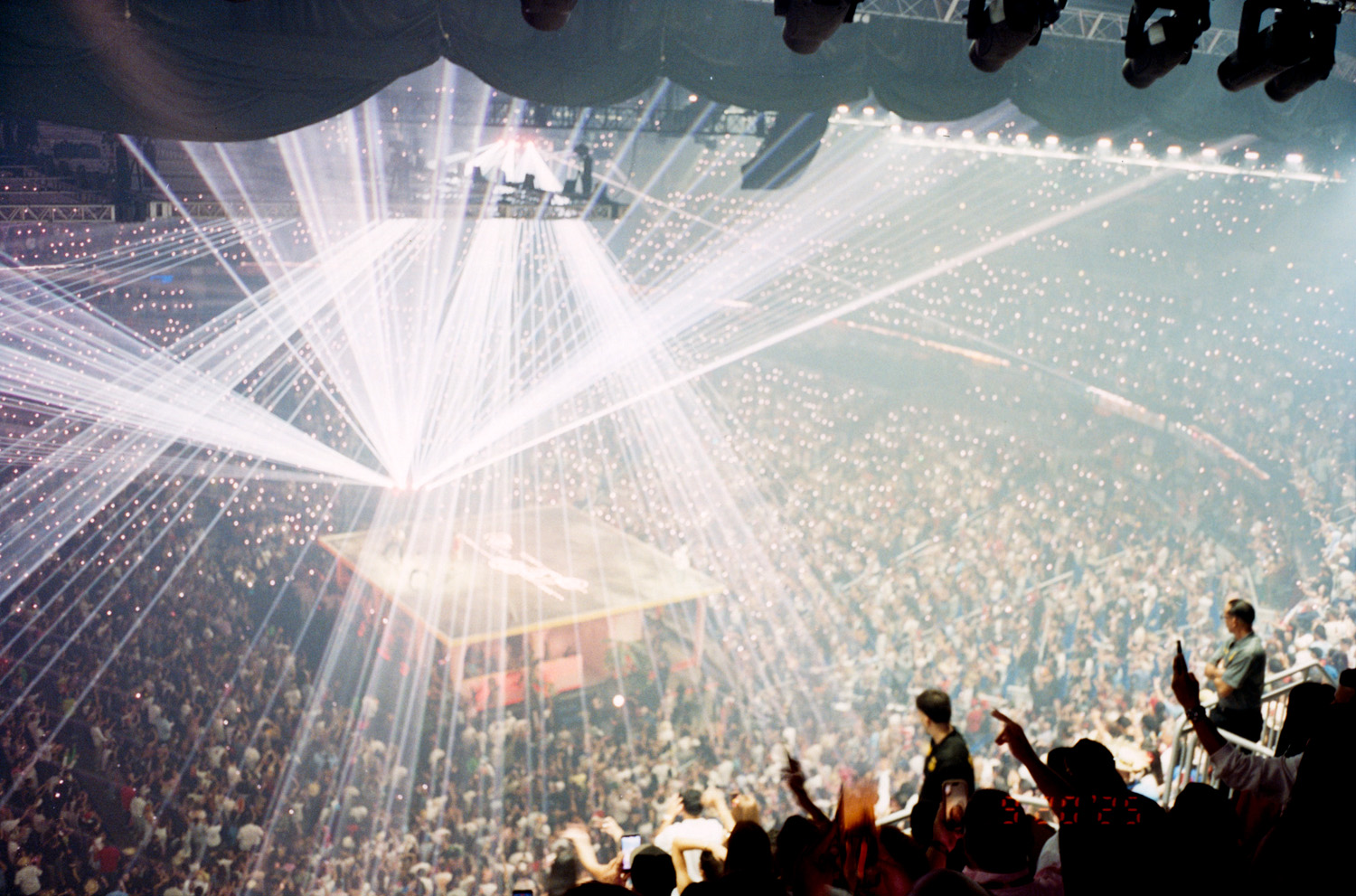
As reggaetón continues to expand and contract, the genre’s core themes are also returning to the fore. What was once largely viewed by the Anglophone mainstream and marketed by the industry as “party music” has seen a resurgence of its decolonial roots. We can see this in Bad Bunny’s Debi Tirar Más Fotos (2025) cycle—which involved a residency at Puerto Rico’s Choliseo that has given the island a more than $196 million boost [2], a trove of imagery, and sounds steeped in Boricua national pride, including a song using Hawaii’s fate as a warning to what could happen to Borinkén—and in theoretical frameworks such as the ones being built by reggaetón critics Katelina “La Gata” Eccleston and Jennifer Mota, who have pushed for urbano (a longtime umbrella term under which reggaetón has often fallen) to be replaced by El Movimiento, as an honouring of the genre’s Black and Caribbean roots. Still, other prominent acts are wary of the future.
“I think a saturation of female or queer voices doesn’t exist yet, and until that happens, I don’t think we can compare the current state to how the culture has always been. It stays being [a product of] machismo, capitalism and patriarchy,” says Villano Antillano. “It pleases me to know that my proposal is considered a part of this burgeoning counterculture, but I don’t stop too much to look toward the future. I see a desolate panorama—I’m trapped in the now, the place from which I operate and resist.”
What happens to a genre, whose modus operandi was resistance, when it goes mainstream? It’s a question for the journalists. For the broader culture, one that has embraced the tun-tu-tu-tu-tun as another beat in an infinite library of sounds, it’s a matter of pleasure. For the artists who continue to pioneer new territories within the sound, it’s a matter of who is lining their pockets, who is protected, and who is trying to dismantle the structures that do not allow for systemic change to happen. The genre’s makers haven’t lost sight of its roots, even as reggaetón continues to morph along its travels from one end of the world to the other, and back again.
“I think what I bring to the table is new and exciting precisely because it’s so rare in the face of a landscape that we know is incredibly inhospitable to people like me,” adds Antillano. “One exception to the rule doesn’t disintegrate it; this continues to be a trench for us and an amusement park for them. There’s no desire to change, just to understand, and it ends up becoming an endless cycle. When we get there, that’s when we’ll know the answer.”