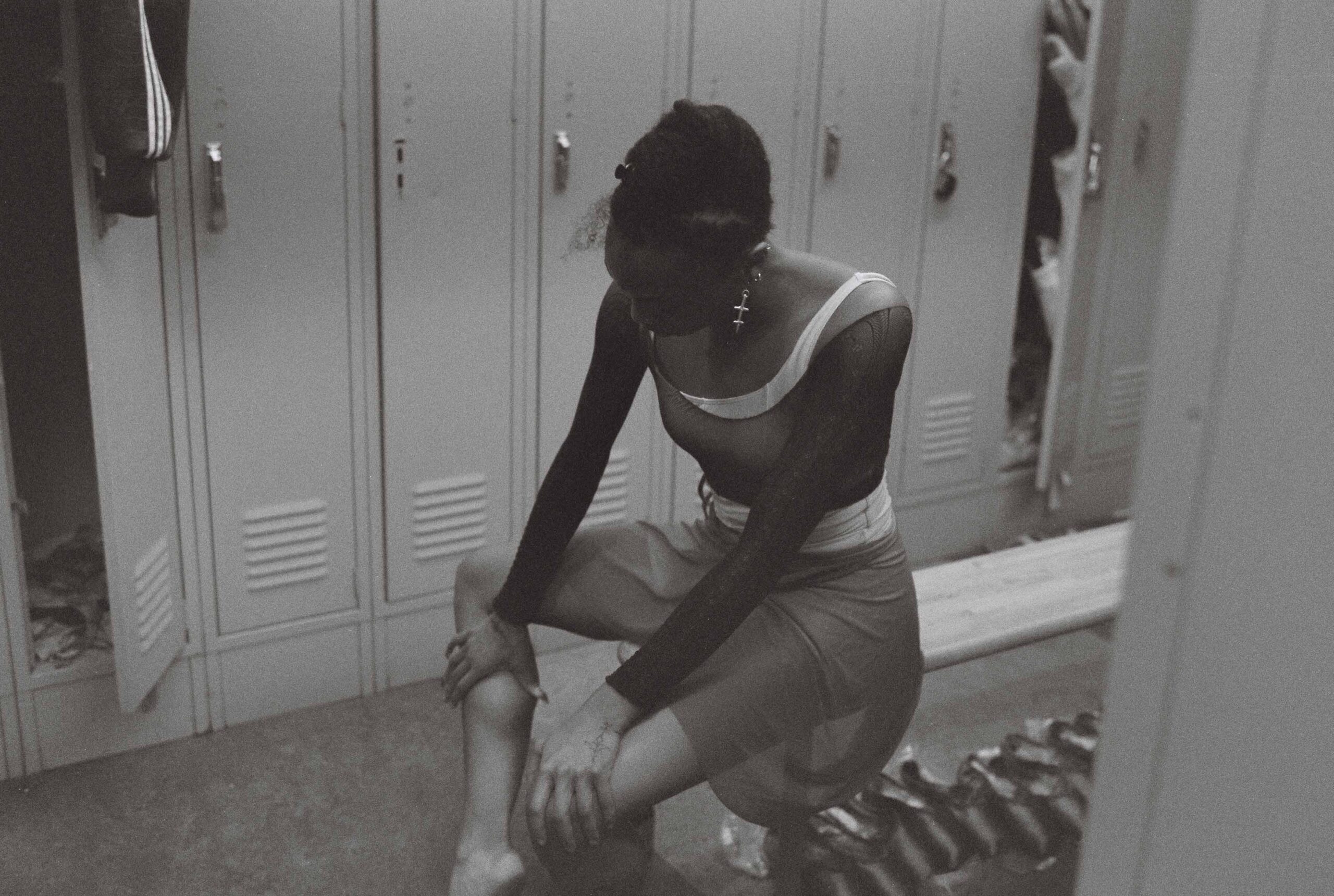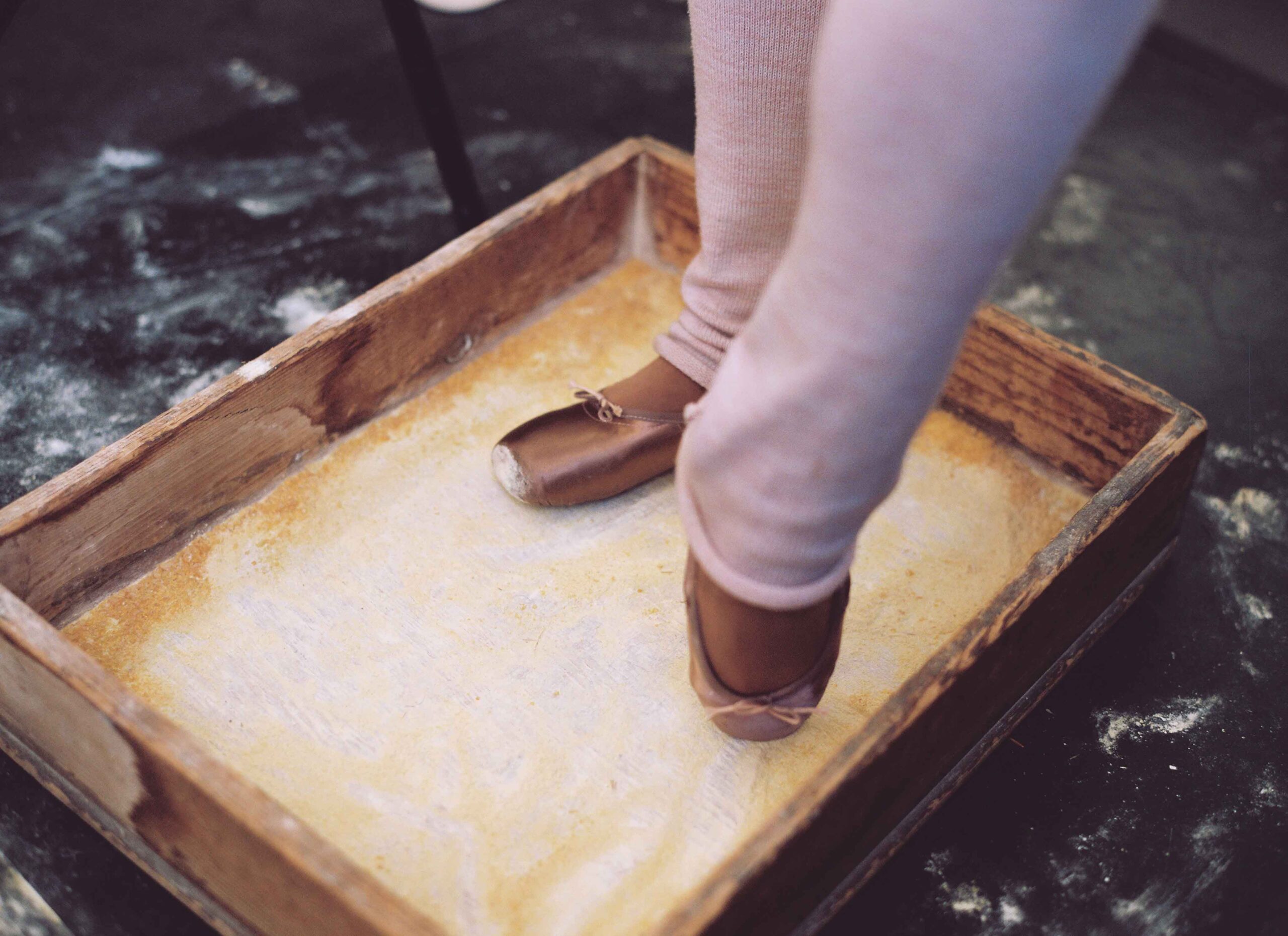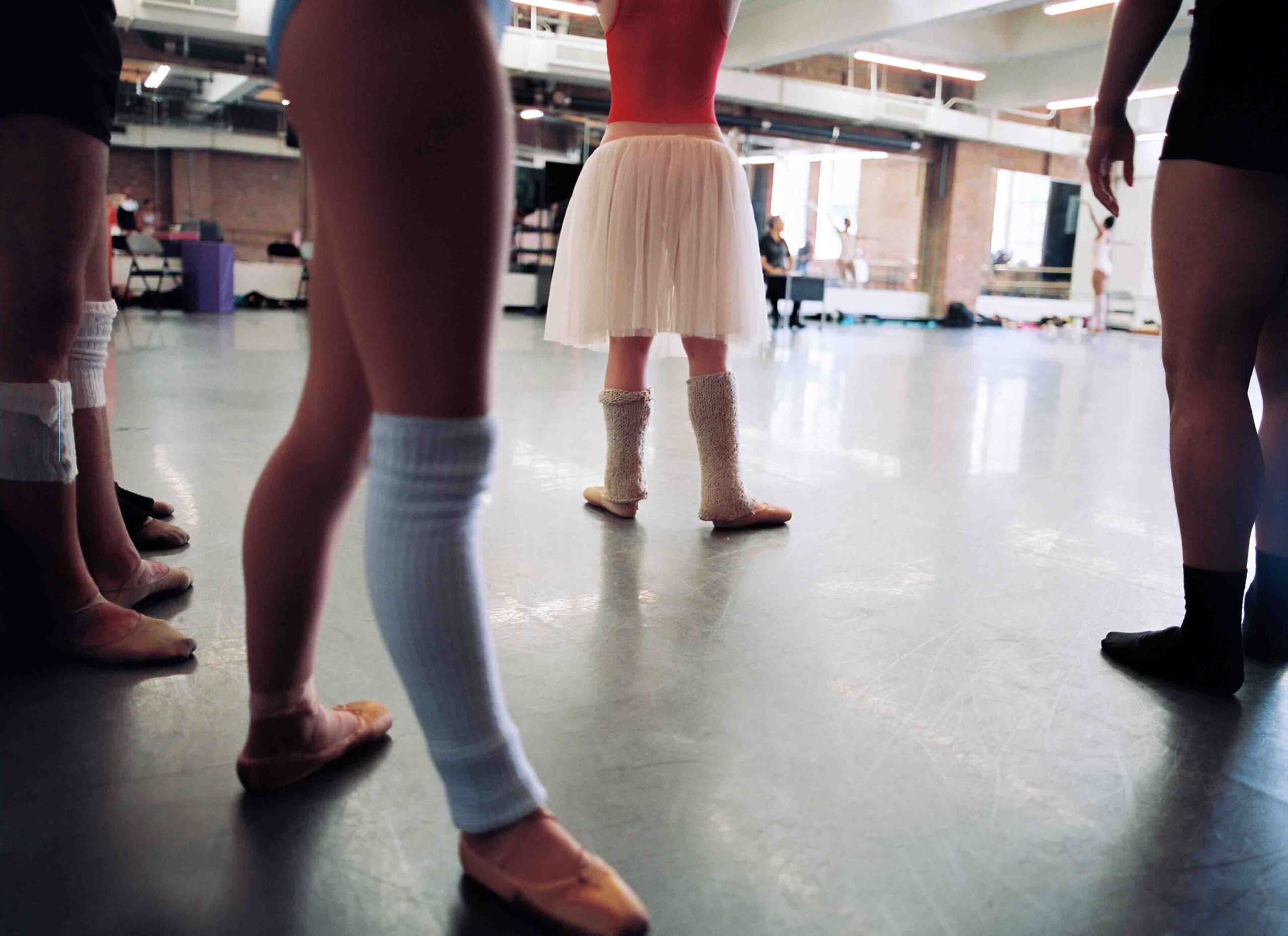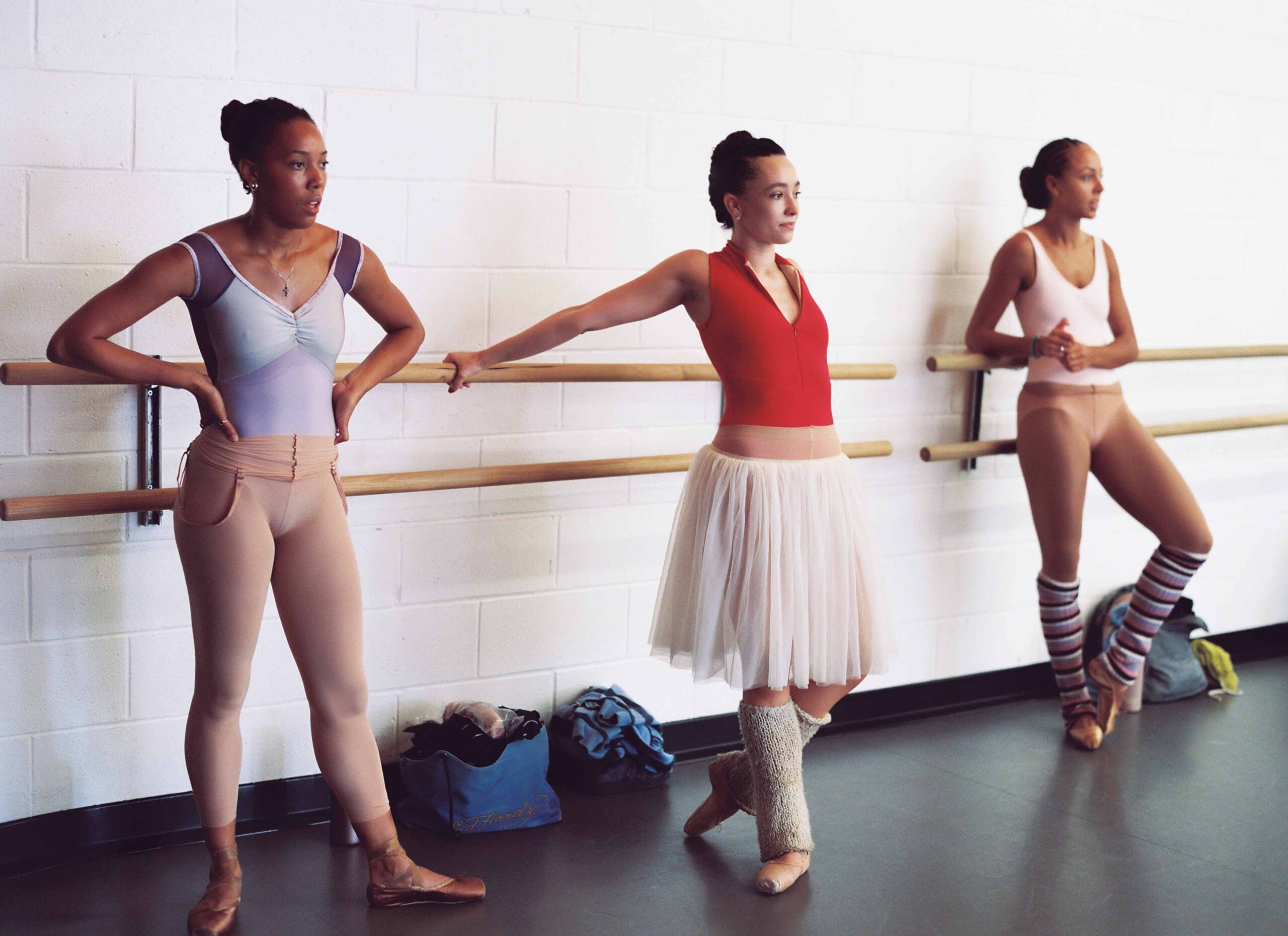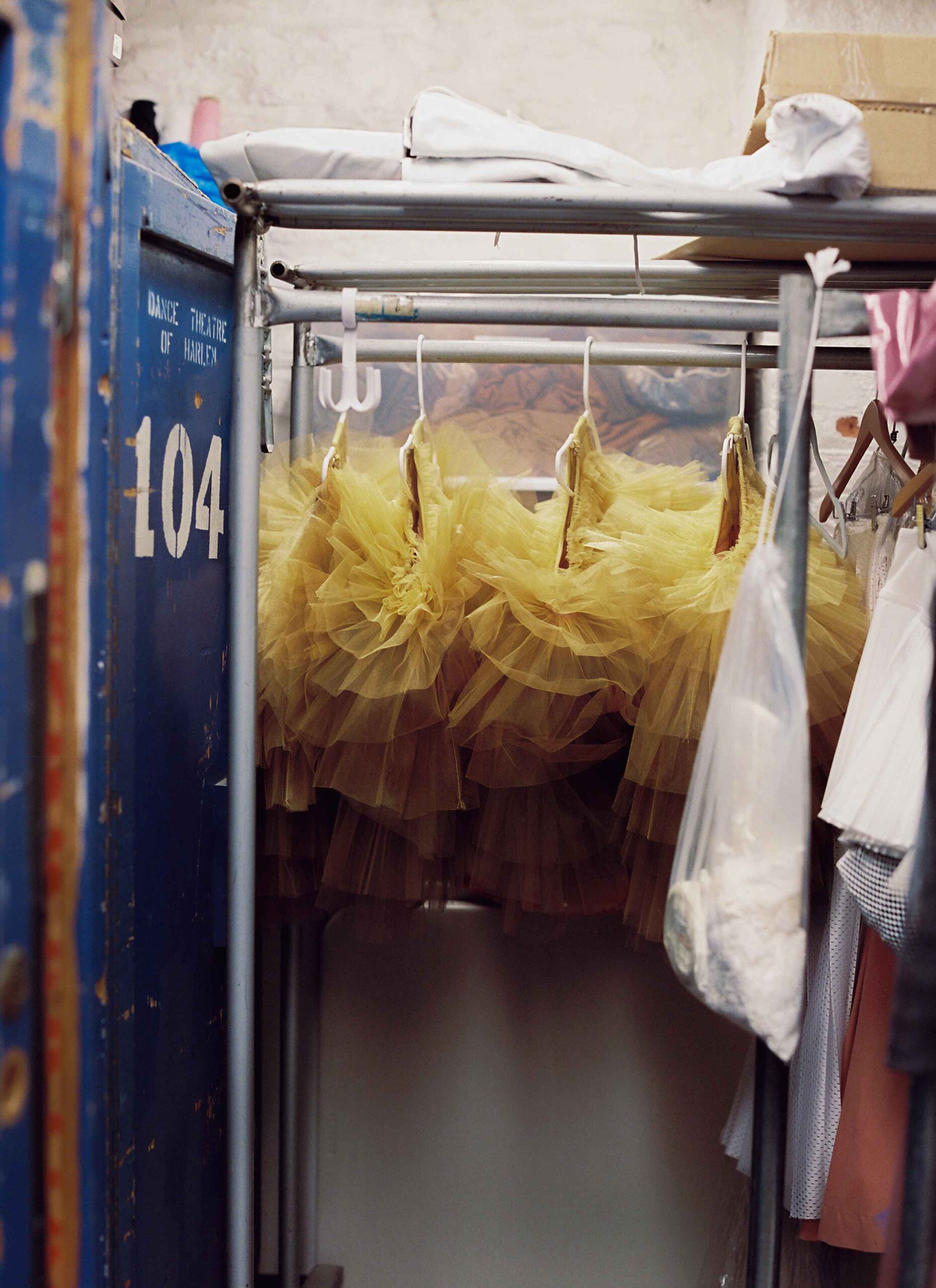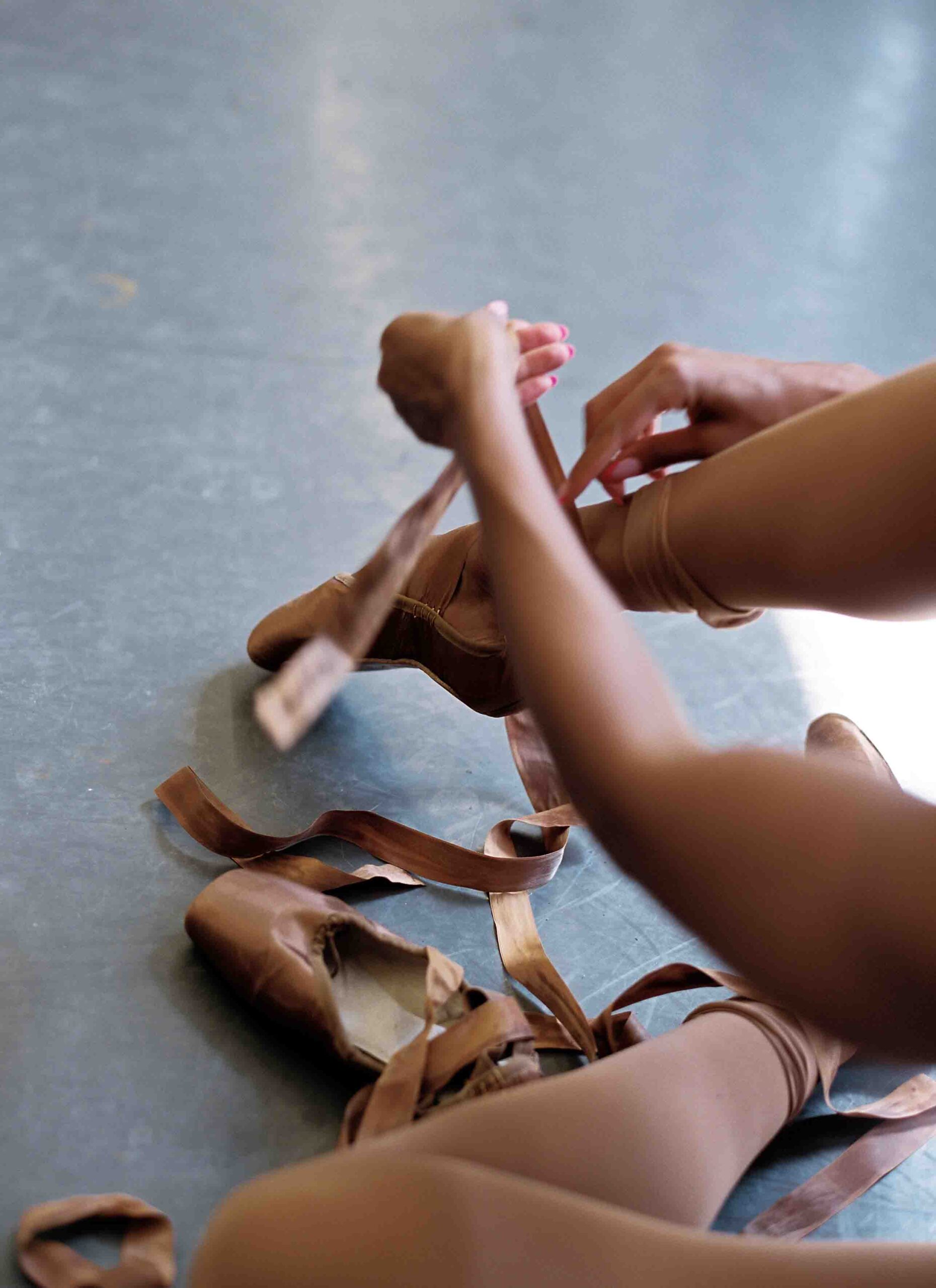
Although ballet is often regarded as an art form steeped in tradition, its history is far from a history of continuity. From Renaissance court pageantry to avant-garde and neoclassical performances, from brocaded garments to stiff crinoline or tulle skirts and pointe shoes, and from European aristocracy to a world ballet shaped by expanding geographies, cultures and traditions, the ballet is a history of interludes, intermissions, ruptures, reinventions and transitions, each of which has brought new expressions, interpretations and étoiles.
The “ballet” dance style emerged from Italian Renaissance court pageantry in the fifteenth century, adapted from court dance steps—curtsies, small hops, promenades, slides, and gentle turns—and performed in extravagant court dress—large headdresses, ornamental masks, brocaded garments, pantaloons, and formal dress shoes with small heels. When wealthy Italian aristocrat Catherine de Medici married the future King Henry II of France in the sixteenth century, she brought the dance style with her to Paris. Under her patronage, extravagant performances, known as ballet du cour, were staged in the Parisian royal courts. Under King Louis XIV, a distant descendant of the House of Medici-Bourbon dynasty, the ballet was further elevated as one of the foremost ways to display nobility in the seventeenth century.
An admirer and frequent participant in the ballet, King Louis XIV was notably cast in a number of Italian composer Jean-Baptiste Lully’s ballets, including the 12-hour Ballet de la Nuit (1653), in which he appeared as the Sun God, bringing an end to the night. While professional dancers were originally only cast in grotesque or comic roles, when the king and his fellow noblemen retired from the ballet, professional dancers were hired to perform more diverse roles within the royal courts. With dreams of expanding the influence of the French ballet throughout Europe, in 1661 the king founded the Academies Royale de Danse (now the Paris Opera Ballet), the first professional ballet company in the world. He later ordered his favourite dance partner and personal teacher, Pierre Beauchamp, to create a way of making dance understood on paper. Published in Chorégraphie (1700) as the Beauchamp-Feuillet notation, this established the five positions of the feet—première [first position], seconde [second position], troisième [third position], quatrième [fourth position], and cinquième [fifth position]—and lead to the gradual codification of the terminology of the ballet in French, from arabesque to passé, plié, pirouette, and pas de deux.
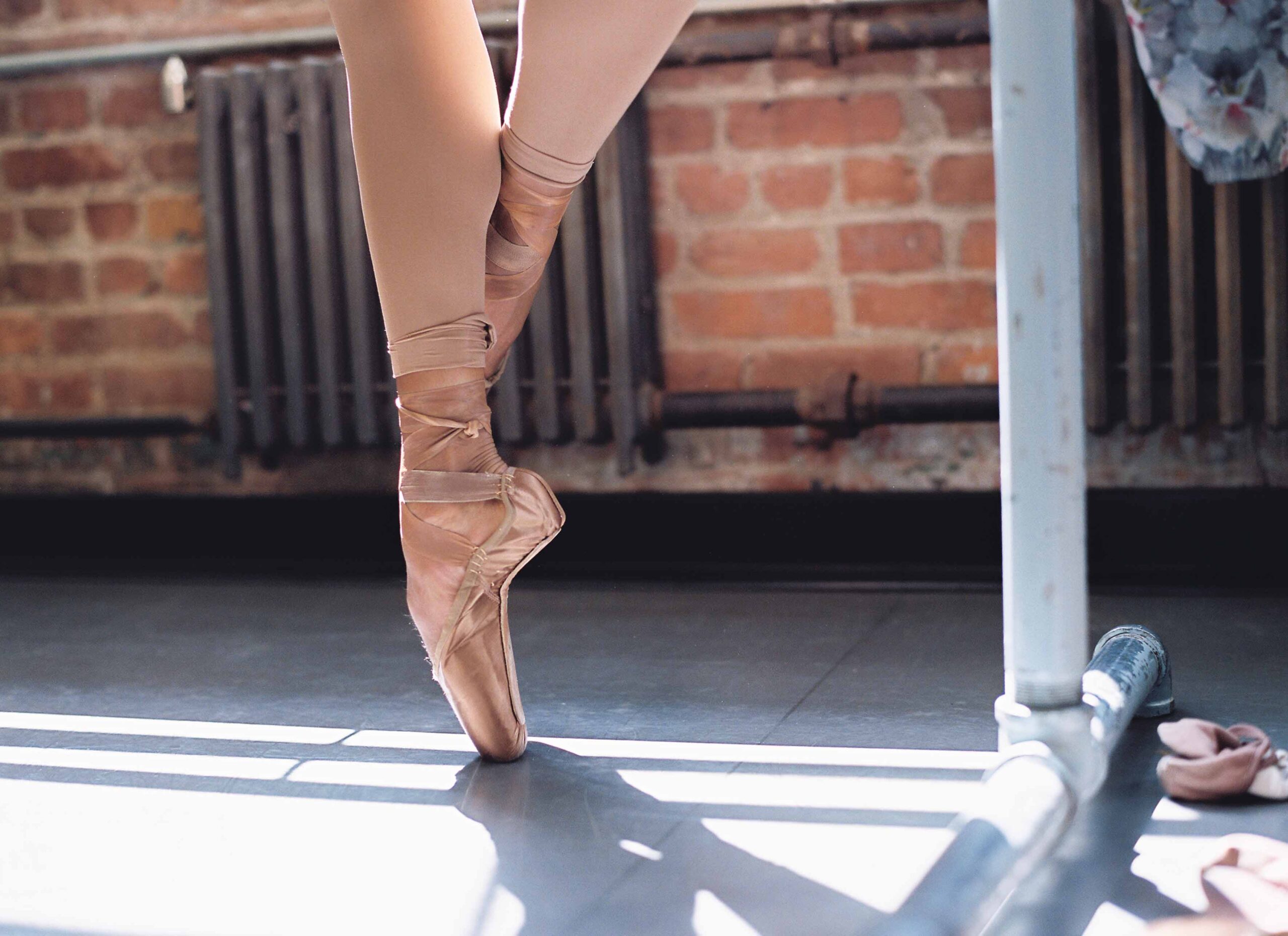
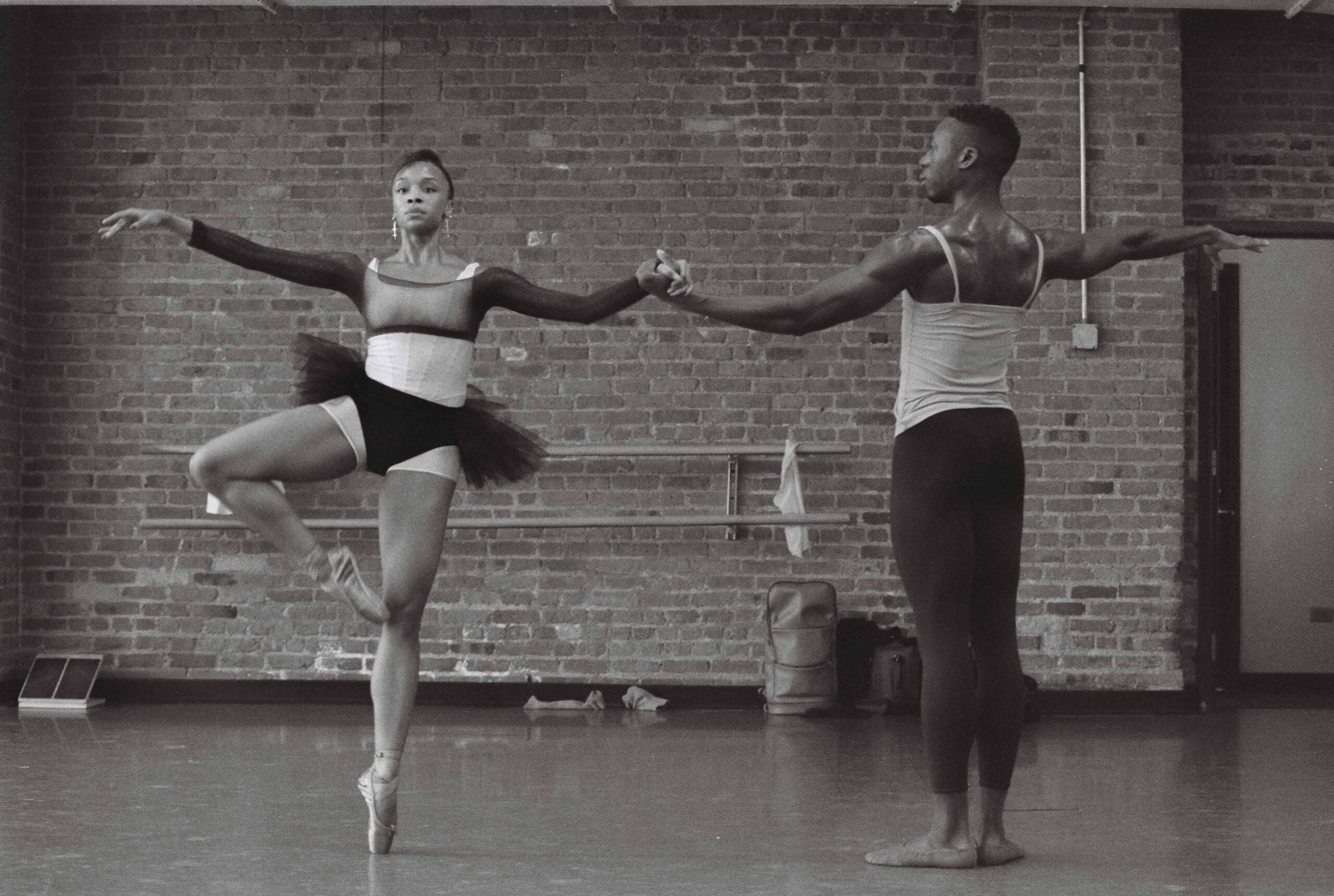
Although Paris would remain the centre of the ballet, over the centuries the dance style spread across Europe, hosted by royal courts from Western Europe—Austria, Denmark, England, Germany, Portugal and Spain—to Eastern Europe—the Czech Republic, Hungary, Poland and Russia, where the Tsar of Russia, Peter the Great, established the Imperial Ballet of the Russian Empire in Saint Petersburg in 1738. Shifting away from its aristocratic sensibilities and men as its masters, the nineteenth century saw the emergence of the Romantic ballet and a new female archetype: an ethereal, sylph-like being. In the Paris Opera Ballet’s production of La Sylphide (1832), this was exemplified by Italian ballerina Marie Taglioni, the daughter of renowned choreographer Filippo Taglioni, who was amongst the first to perform the new technique of pointe work. Solely reserved for female dancers, dancing en pointe [on toe] saw ballerinas become the most celebrated dancers in the ballet. Noticing this shift, company directors created the concept of the prima ballerina, staging rivalries between its dancers.
As the ballet began to wane in Paris, Saint Petersburg took over as its centre. Here, a darker strand of the Romantic ballet emerged, combining European folklore with ignorant portrayals of African, Asian and Middle Eastern cultures. Although colonialism brought proximity, depictions of these cultures were distorted by disinformation and non-European characters were often portrayed as villains or silly divertissements, exposing the West’s “orientalist” understanding of the world. Commissioned by the Imperial Ballet of the Russian Empire, French-Russian ballet master and choreographer Marius Petipa produced ballets such as The Pharaoh’s Daughter (1862), La Bayadère (1877), and later The Talisman (1889), which featured offensive depictions of Egypt and India that are now deemed deeply problematic by modern audiences. However, returning to stories drawn exclusively from European folklore, many of Petipa’s works such as The Sleeping Beauty (1890), The Nutcracker (1892), and the revival of Swan Lake (1895) continue to be amongst the most celebrated within standard repertoires.
Turning away from the increasingly divisive Imperial Ballet of the Russian Empire, Russian art critic, patron and ballet impresario Serge Diaghilev founded Ballet Russes in Paris in 1909, a ballet company composed of Russian dancers in exile. Together with composer Igor Stravinsky and choreographer Mikhail Fokin, Diaghilev brought Russian folklore to life in dramatic works such as The Firebird (1910) and Petrushka (1911). While Fokin emphasised drama and emotional expression, with prima ballerina Anna Pavlova becoming known for her dramatic and melancholic performance in The Dying Swan, Diaghilev devising increasingly avant-garde works such as Le Train Bleu (1924), a one-act Surrealist ballet set on the French Riviera, featuring a libretto by French playwright and poet Jean Cocteau, striped beach-themed costumes by French fashion designer Gabriel Chanel, and a monumental stage cloth—based on his earlier Deux femmes courant sur la plage (1922)—by Spanish painter and sculptor Pablo Picasso.
From Europe to the Americas, in the early twentieth century ballet companies such as Ballet Russes began to embark on lucrative tours of North and South America—including Argentina, Brazil and Chile, where ballet was particularly well received. Several of Diaghilev’s dancers and ballet masters would later settle in the United States, where they established companies of their own. Together with American art connoisseur, impresario and writer Lincoln Kirstein, former Ballet Russes dancer and ballet master George Balanchine co-founded the School of American Ballet in 1934, the American Ballet in 1935, the American Ballet Caravan (formerly Ballet Caravan) in 1936, and the New York City Ballet in 1948. While the pair aspired to start an integrated ballet company of “16 dancers, half women, half men, half White and half Black [sic],”[1] their aspirations were never fully realised due to opposition from the administration. Balanchine was, however, amongst the first to hire and train a more diverse cast of guest dancers, such as Cuban dancer Alicia Alonso, who joined the American Ballet Caravan in 1939 and later went on to become a founding member of the Ballet Theater (now American Ballet Theater) where she danced as the lead in Giselle, and Osage Indian dancer Maria Tallchief, who joined the New York City Ballet in 1948 and later went on to become its first prima ballerina, performing as the sugar plum fairy in The Nutcracker and as the white swan in Swan Lake, before going on to dance with the Paris Opera Ballet.
Often credited as the first Black American principal dancer in a major troupe, Arthur Mitchell joined the New York City Ballet some years later in 1955. “I remember I would go to an audition and they would say ‘I’m sorry but you’re Black, we can’t give you a job’ and I said, ‘I can dance, I can do it better than the other person.’ Because what does the colour of my skin have to do with it, if I can do the turns and the jumps?” [2] Mitchell recalled in his documentary Rhythmetron (1973). So captivated was Balanchine that he promoted Mitchell to principal dancer in 1956 and choreographed new works specifically for him such as Agon (1957), a “black-and-white” ballet in which Mitchell performed the pas de deux with White American dancer Diana Adams. Although this appeared to signal greater diversity within the ballet, today Balanchine’s motivations are often interpreted as exoticism, the interest in the visual contrast between skin tones, rather than a genuinely progressive political stance.

Meaningful diversity within the ballet, then, was established by the contributions of non-White dancers and choreographers themselves. While Alicia Alonso returned to Cuba and established the Ballet Nacional de Cuba in 1948, later developing acclaimed dancers such as Carlos Acosta, in the United States Black American choreographer and dancer Alvin Ailey founded the Alvin Ailey American Dance Center (now Alvin Ailey American Dance Theater) in Brooklyn in 1958 and an integrated dance school co-directed by Pearl Lang in 1969. In addition to casting almost exclusively Black dancers and choreographing ballets such as The River (1970) for the American Ballet Theater, Satyriade (1982) for the Alvin Ailey American Dance Theater, and Precipice (1983) for the Paris Opera Ballet, Ailey created opportunities for other Black choreographers and dancers, premiering Inside (1980), the first ballet by choreographer Ulysses Dove, and Divining (1983), the first ballet choreographed by prominent dancer Judith Jamison, who also performed with the Alvin Ailey American Dance Theater.
At the height of the civil rights movement, Arthur Mitchell returned from Brazil, where he had been sent on commission by the United States Government to assist in the founding of the Companhia Nacional de Balle, to teach ballet from a converted garage in Harlem in 1967. “In that first school, we were an extremely diverse group of people. We were Asian, Mexican, Black… I think the first White dancer didn’t come until 1970. But it was not about making a ‘Black’ ballet company. It was to make people aware of the fact that this beautiful art form actually belongs to and can be done by anyone,” recalls former dancer and current Artistic Director of the school, Virginia Johnson. [3] With the support of leading Black American actors and cultural figures Cicely Tyson and Brock Peters, Mitchell’s informal school was officially founded as the Dance Theatre of Harlem in 1971, an integrated ballet company and school for dancers of all backgrounds. That same year, Mitchell co-choreographed Concerto for a Jazz Band and Orchestra (1971) with Balanchine, who gave the emerging company the rights to several ballets, affording it a repertoire of recognisable modern classics. “[Taking] African, Jazz, and modern movements and [combining] them with classical techniques [to] get a totally different look, line, and style,” [4] much like Ailey, Mitchell also used his growing platform to create opportunities for other Black choreographers and dancers, such as Creole actress, choreographer and dancer Carmen De Lavallade and her husband, Trinidadian actor, choreographer and dancer Geoffrey Holder, who uplifted Black dance styles and West Indian traditions.
Throughout the twentieth century and into the twenty-first, ballet spread from Europe, the Soviet Union, and the Americas to the world. Meanwhile the Cold War saw a growing ideological divide between the communist Soviet Union and capitalist United States, leading to a number of defections from East to West. In Asia, ballet companies were modelled after those in the Soviet Union, relying heavily on classical training methods and repertoires. Companies such as the National Ballet of China (1959), Tokyo Ballet (1964) in Japan, and the Korean National Ballet (1962) and Universal Ballet (1984) in South Korea began to develop a distinctive aesthetic, while continuing to foster a high artistic standards and technical skill. In Africa, ballet companies were modelled after those in the United States, thanks in part to the state-sponsored international tours of the Alvin Ailey Dance Theater and Dance Theatre of Harlem. In 1992, for instance, the Dance Theatre of Harlem embarked on an historic six-week tour in South Africa, performing to mixed crowds in the townships during the dismantling of the Apartheid. Still thriving today, the Dance Theatre of Harlem’s formal educational outreach programme is known as Dancing Through Barriers. Companies such as Cairo Opera Ballet Company (1966) in Egypt, Caracalla Dance School (1968) in Lebanon, Joburg Ballet (2001) in South Africa, and the Society for Performing Arts in Nigeria (2005) in turn began to combine classical productions with local folklore narratives. Thus, world ballet began to reflect the dance style’s expanding geographies and traditions.
Despite this increasingly global presence, classical ballet remains closely associated with the White European middle and upper classes. This perception is reinforced by Eurocentric aesthetic ideals, expensive training, and prohibitively high ticket prices, all of which discourage diversity amongst both performers and audience members. While European governments continue long-established traditions of state patronage for the arts and cultural institutions, ballet and the performing arts are increasingly vulnerable to funding cuts and reliant on the generosity of members, donors, corporate sponsors and patrons. The Dance Theatre of Harlem, for instance, Mitchell’s American ballet school, which trains a large number of Black dancers as well as students of all backgrounds, was forced to close due to severe financial difficulties between 2004 and 2012. “This means that there was a generation of little girls who didn’t see Brown ballerinas. They didn’t have that seed planted of ‘I could be up there too!’” says Virgina Johnson. [5] Thankfully, today, the Dance Theatre of Harlem is supported, in part, by public funds from the New York City Department of Cultural Affairs in partnership with the City Council, the New York State Council on the Arts with the support of the Office of the Governor and the New York State Legislature, and the National Endowment for the Arts, as well as private funding. More globally, advocates such as Binkady Emmanuel Hié are committed to promoting greater inclusion within the ballet. After five years at the patronage organisation of the Paris National Opera, Hié co-authored and led the press campaign for the manifesto On the Racial Question at the Paris Opera, prompting broader institutional reflection on diversity and representation within one of France’s most prestigious cultural institutions. He also founded NORME, an agency that represents the Paris Opera Ballet’s Guillaume Diop and Hannah O’Neill, supporting organisations in their efforts to improve diversity of origins.
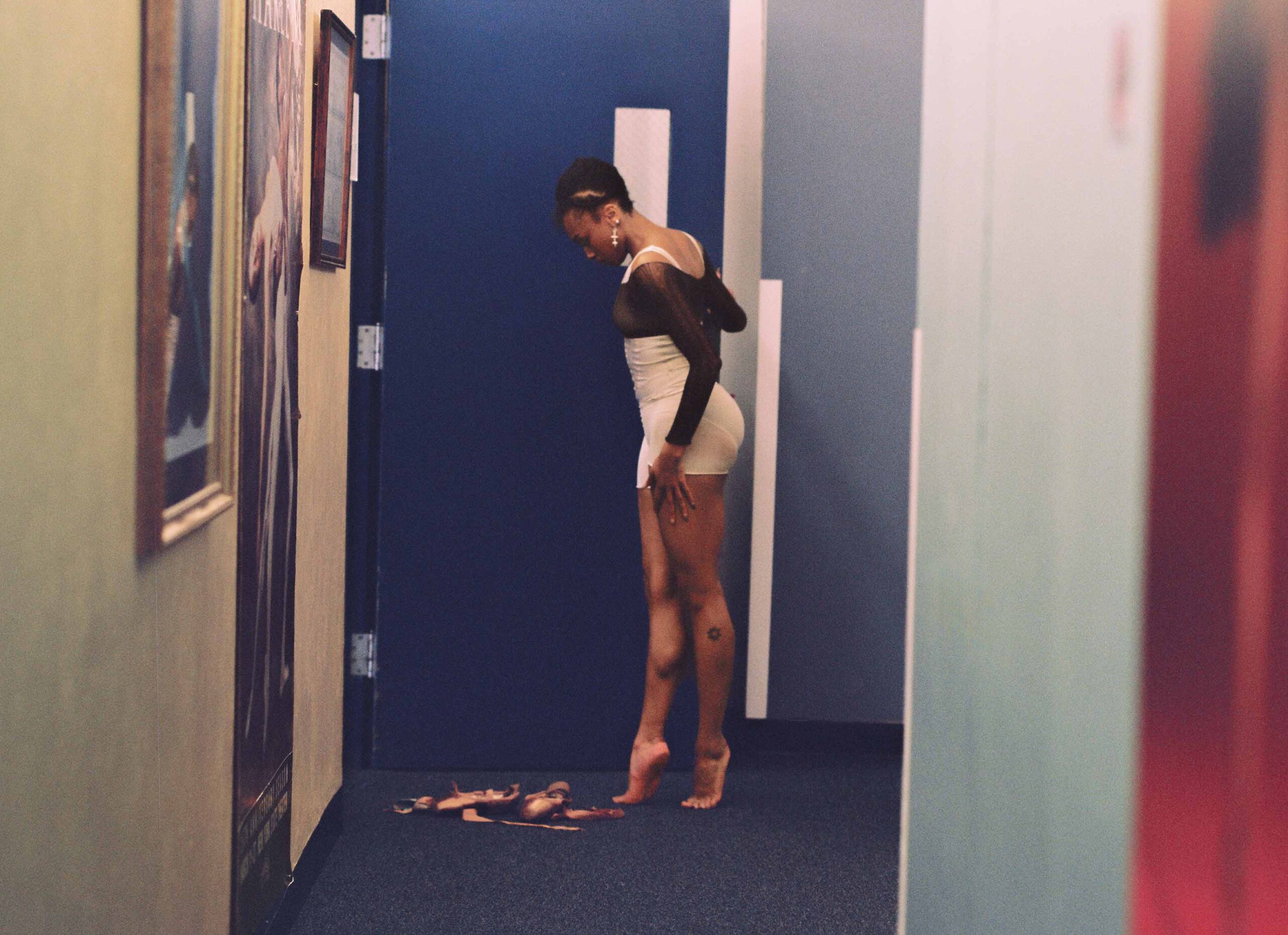
In addition to public and private funding, the ballet’s continued cultural relevance and financial sustainability is also supported by a programme of standard repertoires and ever greater spectacles. The Paris Opera, for instance, enlisted choreographer and set designer Alexander Ekman to choreograph Play (2017), transforming the stage into a giant ball pit, with visually striking scenes in which 40,000 green balls cascade like rain and bounce on the stage. Within today’s changing cultural landscape, the ballet’s most celebrated dancers also leverage online intrigue to attract new generations of audiences to the ballet. Structured by a hierarchical “star system”—étoiles [stars], premiers danseurs [principal dancers], sujets [soloists], coryphées [leaders of the ensemble], and corps de ballet [ensemble dancers]—its “stars,” from the Paris Opera Ballet’s Amandine Albisson, Germaine Louvet, Guillaume Diop, Hannah O’Neill, Marc Moreau, and Sae Eun Park to The Royal Opera Ballet’s Cesar Corrales, Francesca Hayward, Fumi Kaneko, Marcelino Sambé, Reece Clarke, and William Bracewell, amass substantial social media followings, often numbering in the tens or even hundreds of thousands.
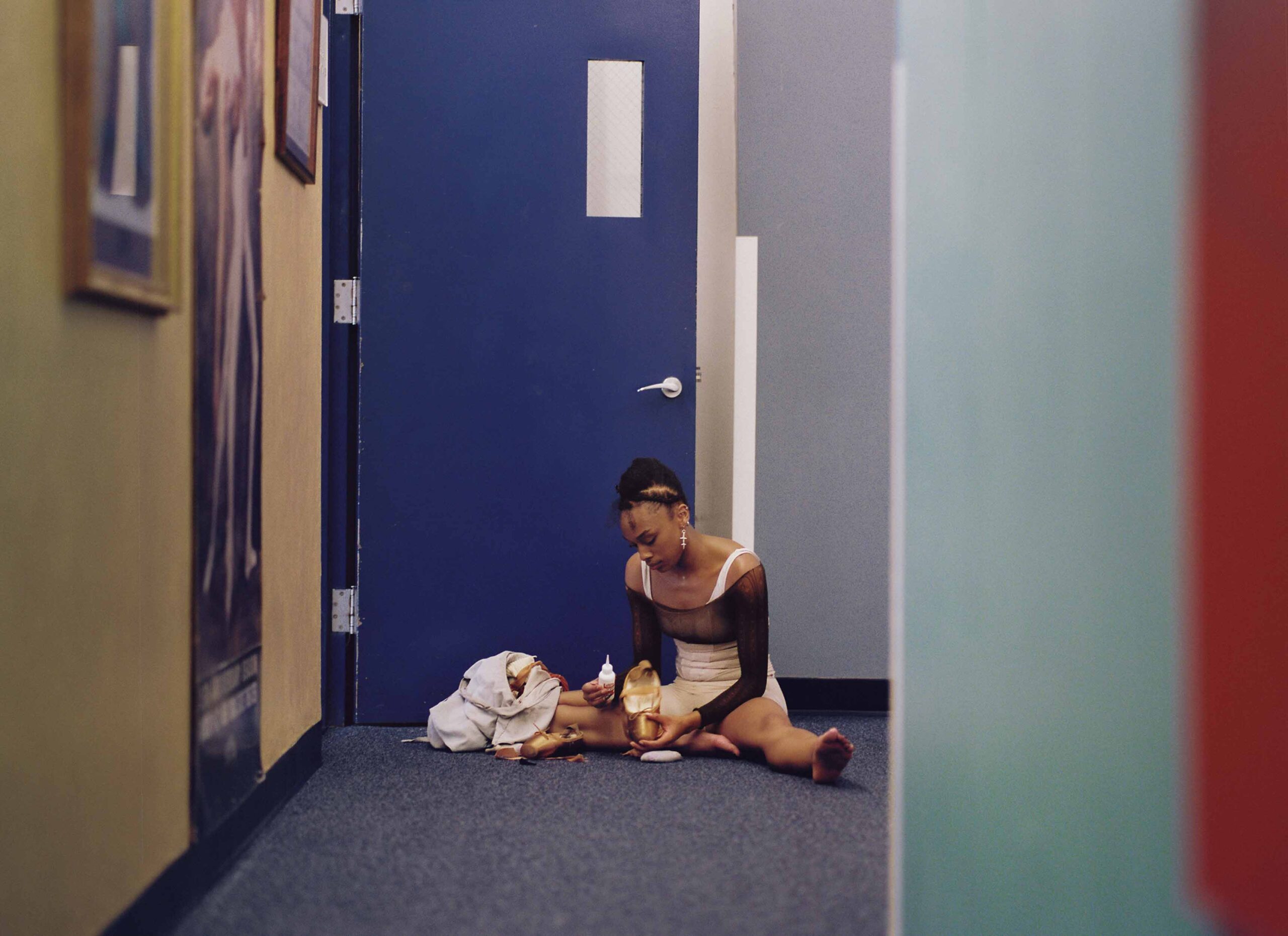
In stark contradiction to Timothée Chalamet’s dismissal of the ballet and opera as art forms “no one cares about any more,” [6] ballet’s continued presence within fine art and luxury fashion likewise attests to its enduring cultural relevance and ability to confer cultural prestige. In fine art, British Ghanaian artist Lynette Yiadom-Boakye’s A Concentration (2018), No Need of Speech (2018), and A Transformation (2022) depict Black dancers in intimate, tender fictional scenes. The commissioning of nine premier dancers from the English National Ballet to restage Le Train Bleu in front of Picasso’s stage cloth Deux femmes courant sur la plage at the V&A East Storehouse in London as part of its centenary celebrations in 2025 offers another striking example of the ballet’s ongoing dialogue with the visual arts. In fashion, Miu Miu’s Fall/Winter 2022 show was widely credited with reviving ballet-core through its styling of satin ballet flats. Chanel’s relationship with the ballet, meanwhile, is more deeply institutional, encompassing its roles as Major Patron of the Paris Opera and Founding Patron of the Paris Opera Junior Ballet, alongside its support of the institution’s renovation projects and the Paris Opera Ballet’s artistic programme. This is expressed in the creation of bespoke costumes, embellished with feather and flower métiers d’art by Parisian atelier Maison d’art Lemarié, for the annual opening gala at the Palais Garnier, as well as the house’s engagement with individual dancers, from inviting Paris Opera Ballet dancer Hannah O’Neill, a “friend of the House,” to participate in its In the Library with Chanel series in 2024 to casting classically trained ballet dancer and model Kirill Sokolovski in the campaign for Matthieu Blazy’s Cruise 2026/27 Biarritz collection.
In this way, ballet is very much alive and still becoming.