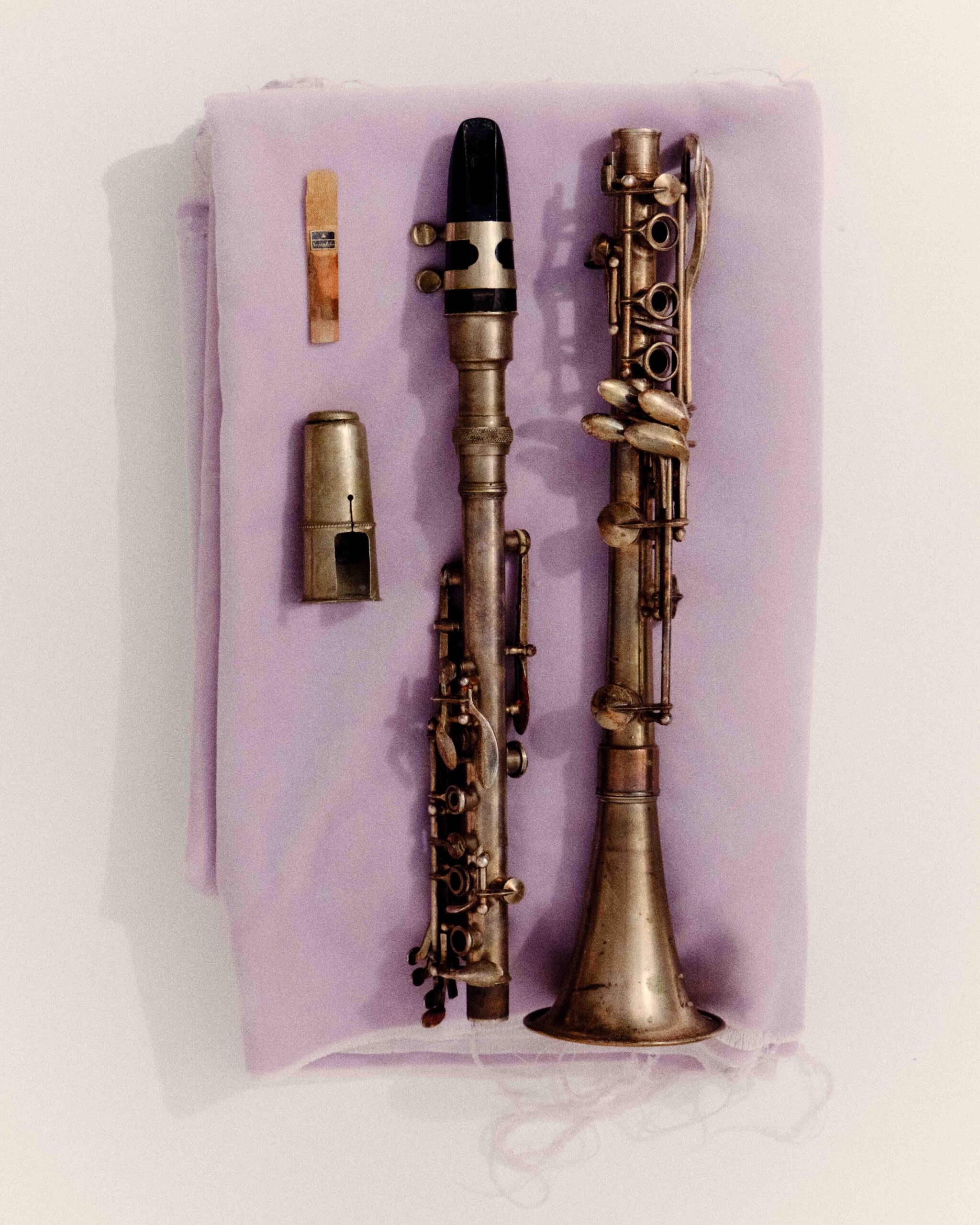
As the 20th century came to a close, the American Dialect Society named “jazz” the word of the century. A fitting tribute to a genre that had shaped and reflected American life for over 100 years, the name was believed to have originated in the 1860s from the Black American slang term jasm, meaning “vim” or “energy.” The word itself captures the vitality at the heart of the genre. Yet the roots of jazz run even deeper, laid long before it had a name. What we recognise today is a rich, ever-evolving tapestry—an intricate blend of musical innovation and social expression.
Emerging from the vibrant musical melting pot of New Orleans, jazz absorbed elements of the blues, ragtime and spirituals—voices of a newly freed Black America that sought to shape its post-Antebellum story through sound. For these individuals, jazz was more than music. It was resistance, a coded language of joy and pain. In the early to mid-1800s, Congo Square in New Orleans, for example, was well-known as a space for slaves to gather and play music. This tradition blended the musical styles of enslaved Black people from a variety of countries, synthesising their musical principles and aesthetic values. This gave rise to a distinctive sound characterised by syncopated rhythms, call-and-response patterns, and improvisation. Its musical DNA undeniably Afro-Caribbean, exported across oceans and captured in a moment of social expression, the origins of jazz were already taking flight.
Jazz had quickly become synonymous with musical freedom. Despite this, the story of the genre’s recorded history is steeped in contradiction and controversy. On 26 February 1917, The Original Dixieland Jass Band, a group of White musicians from New Orleans, released a song called Livery Stable Blues. Due in part to their own campaigning, the song was considered the first jazz recording and the band, hailed at the time as jazz’s originators, offered no credit to the Black musicians from whom they had borrowed, if not outright taken, the style, phrasing, and rhythmic vitality that defined the genre.
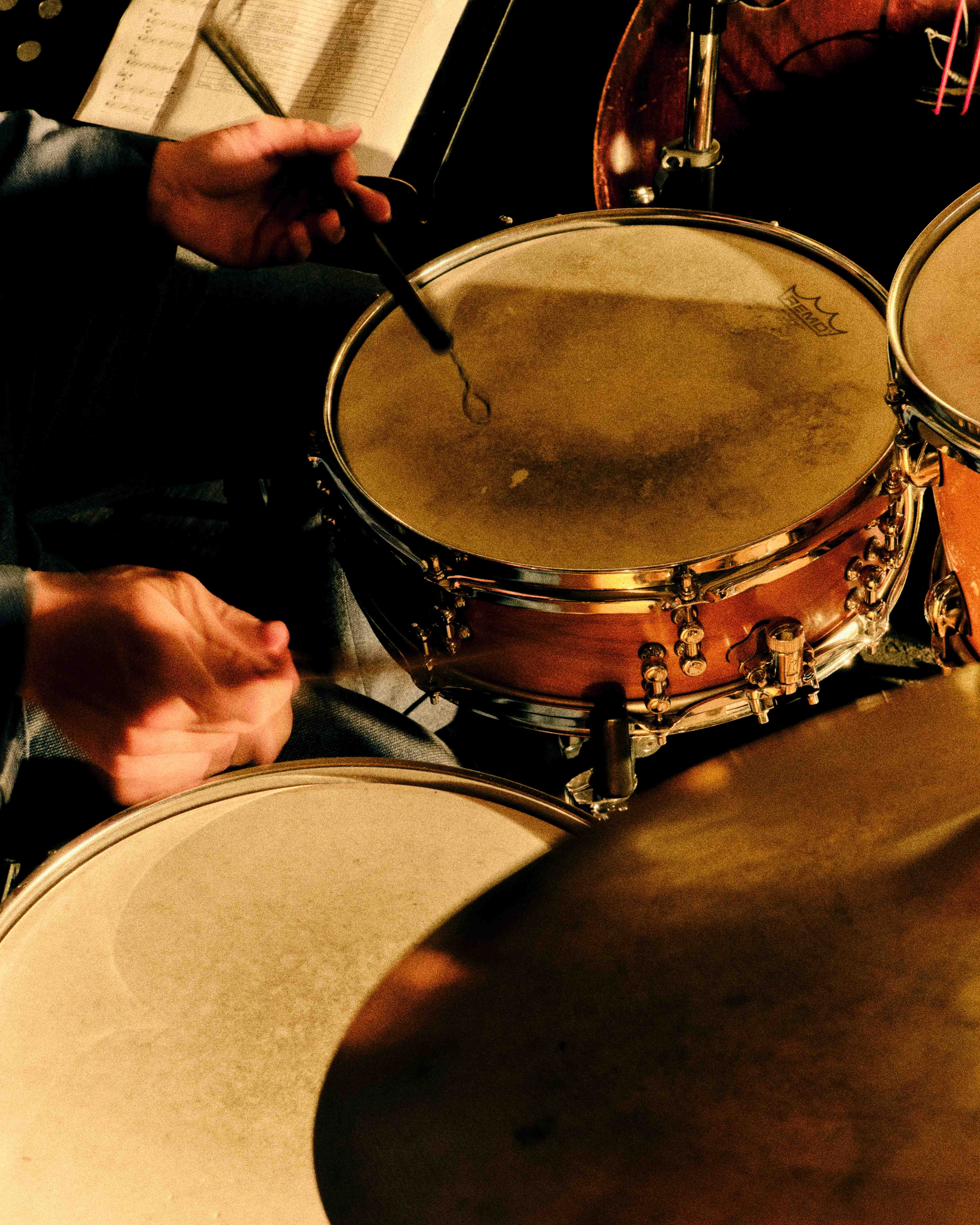
The Original Dixieland Jass Band’s claim to have “invented” jazz ignored the deeply rooted Black musical traditions that shaped it. The ensuing copyright lawsuit over the authorship of Livery Stable Blues concluded with the judge placing the work into the public domain, citing that, as the unnamed Black composers could not read or write music, the composition lacked artistic legitimacy. This ruling exposed the racial and cultural biases that dictated the historical moment and the conflicting perception of jazz that was to follow, a pattern of appropriation by non-Black artists that—from Elvis Presley to Ariana Grande—persists to this day. Jazz trombonist and composer Ron Westray captured the dynamic succinctly: “It’s not because we’re Black, it’s because the system is White.”
At the very least, by pointing to its roots, The Original Dixieland Jass Band helped prompt the question: “‘What is jazz?” Even before it was jazz, it was “jass,” a word derived from the African American Vernacular English (AAVE) words “jasm” and “jas” that evolved into what we know today because of the dialect’s perceived vulgarity. Some saw jass as the raw expression of “noble savages,” while others recognised it as a radical art form that subverted European conventions to create a new musical language imbued with an unparalleled virtuosity. Few genres of popular music are as entangled in these kinds of debates as jazz.
Fortunately, a far less contentious question of the genre is that of its greats. The emphasis on improvisation in jazz allowed individual artists to bring a new and non-traditional expression and spontaneity to performances that truly set them apart. New Orleans-born cornetist Charles “Buddy” Bolden, for example, is often credited as one of the first to play what would later become known as jazz. Musicians who were around to have heard the undisputed “King of Black New Orleans” perform, specifically between 1898 and 1906, enthusiastically described his proficiency at playing the blues and how he would stomp out the tempo of a song before transforming the spirit of a crowd in ways so powerful that even those hearing stories of his performances could still extract inspiration from.
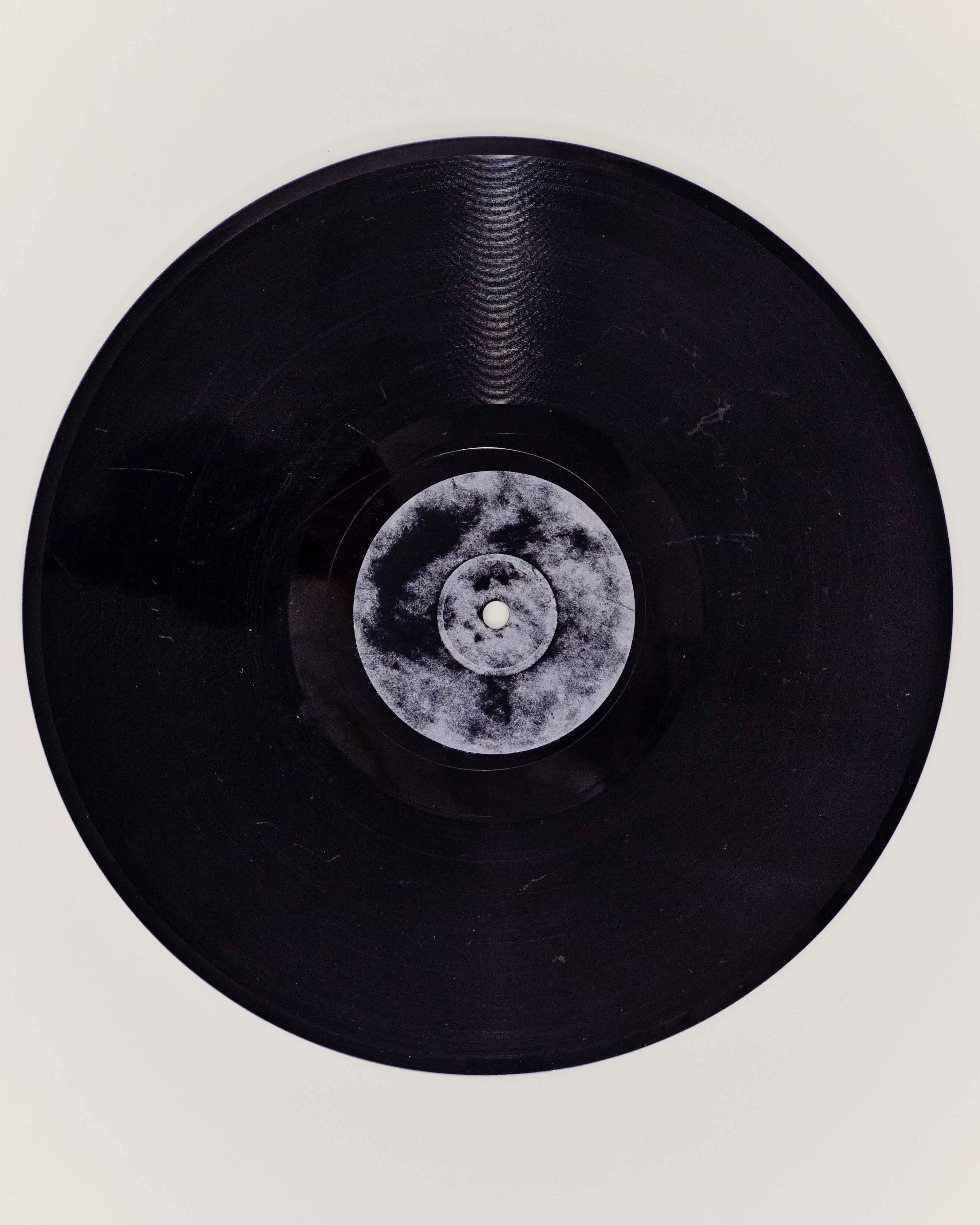
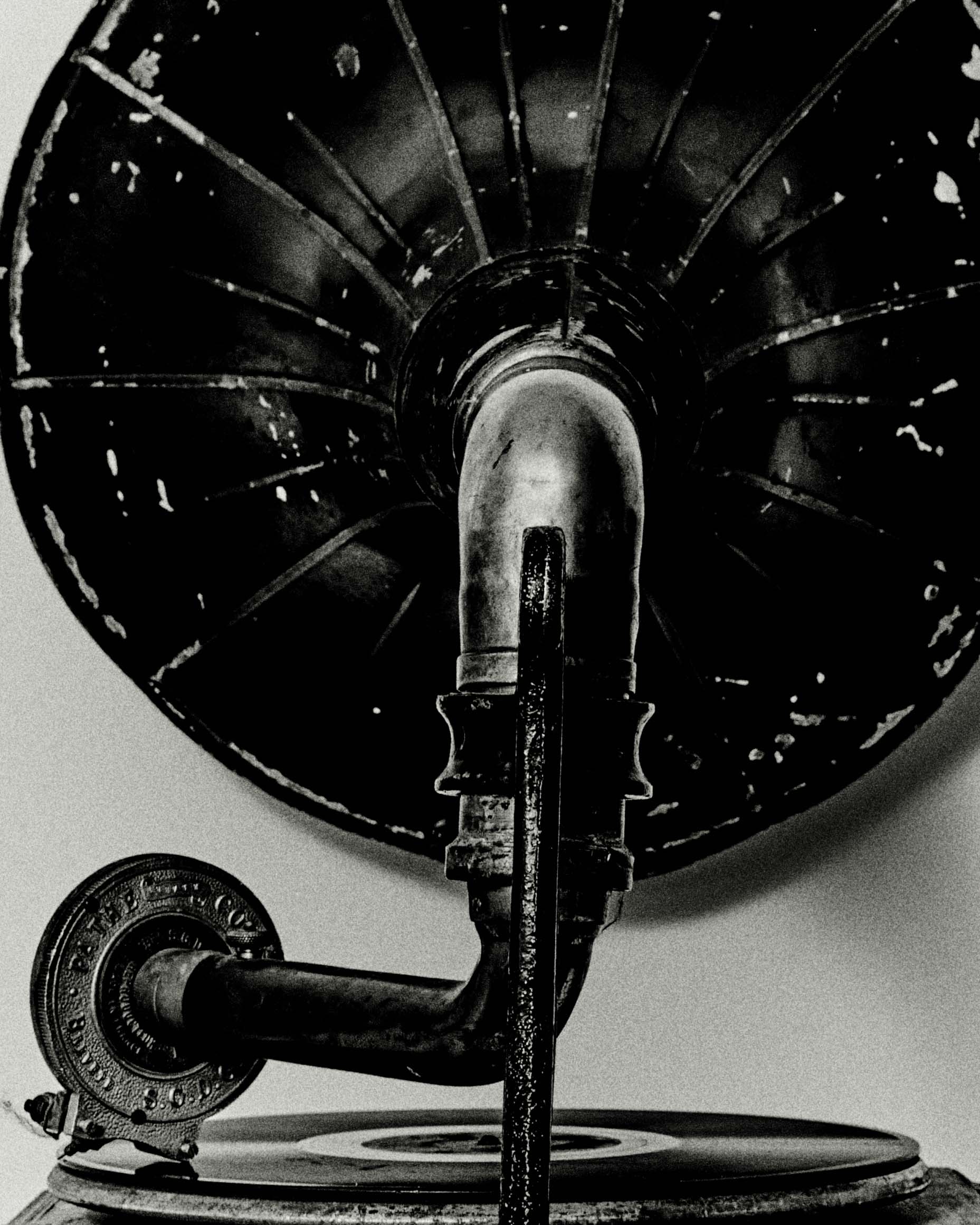
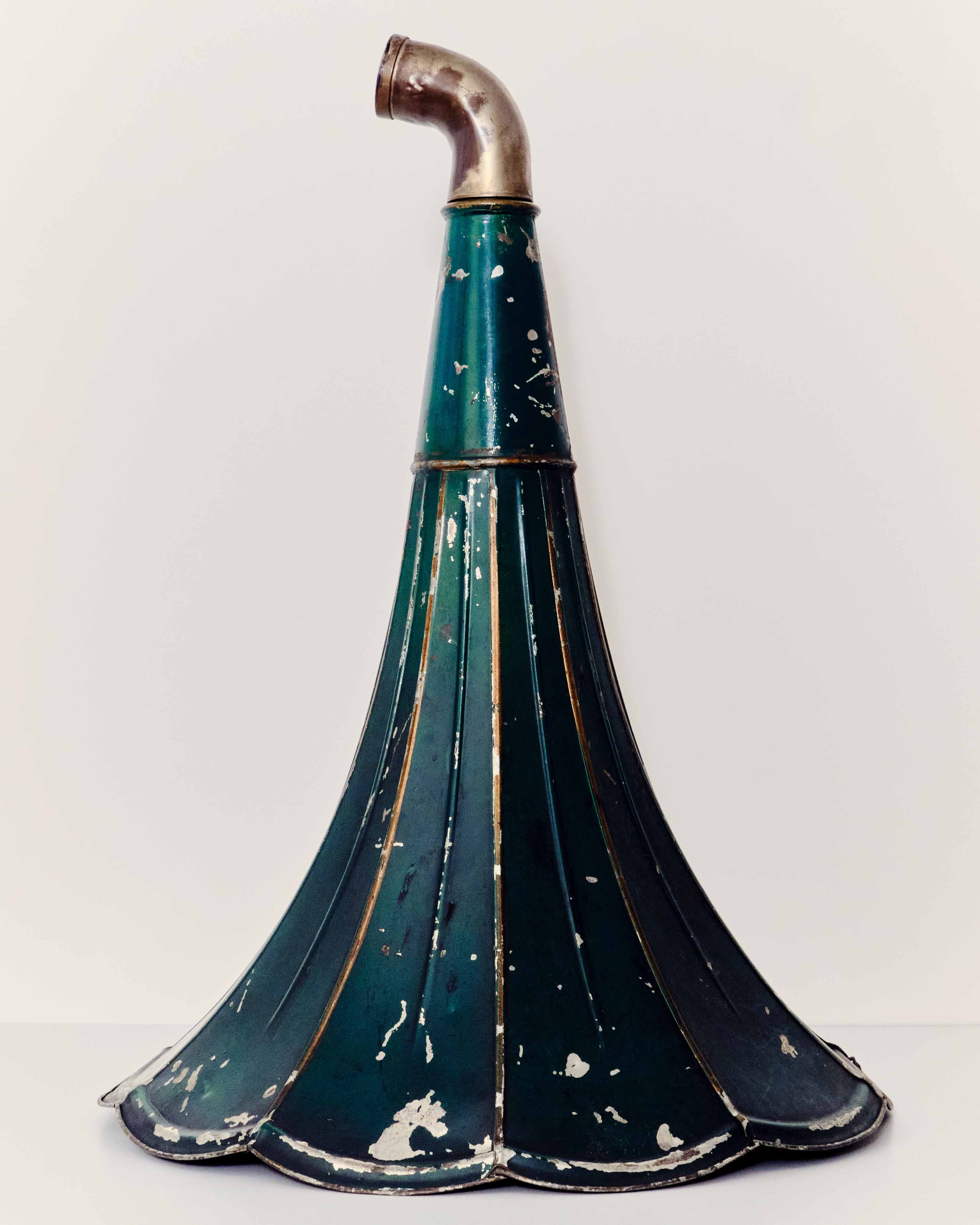
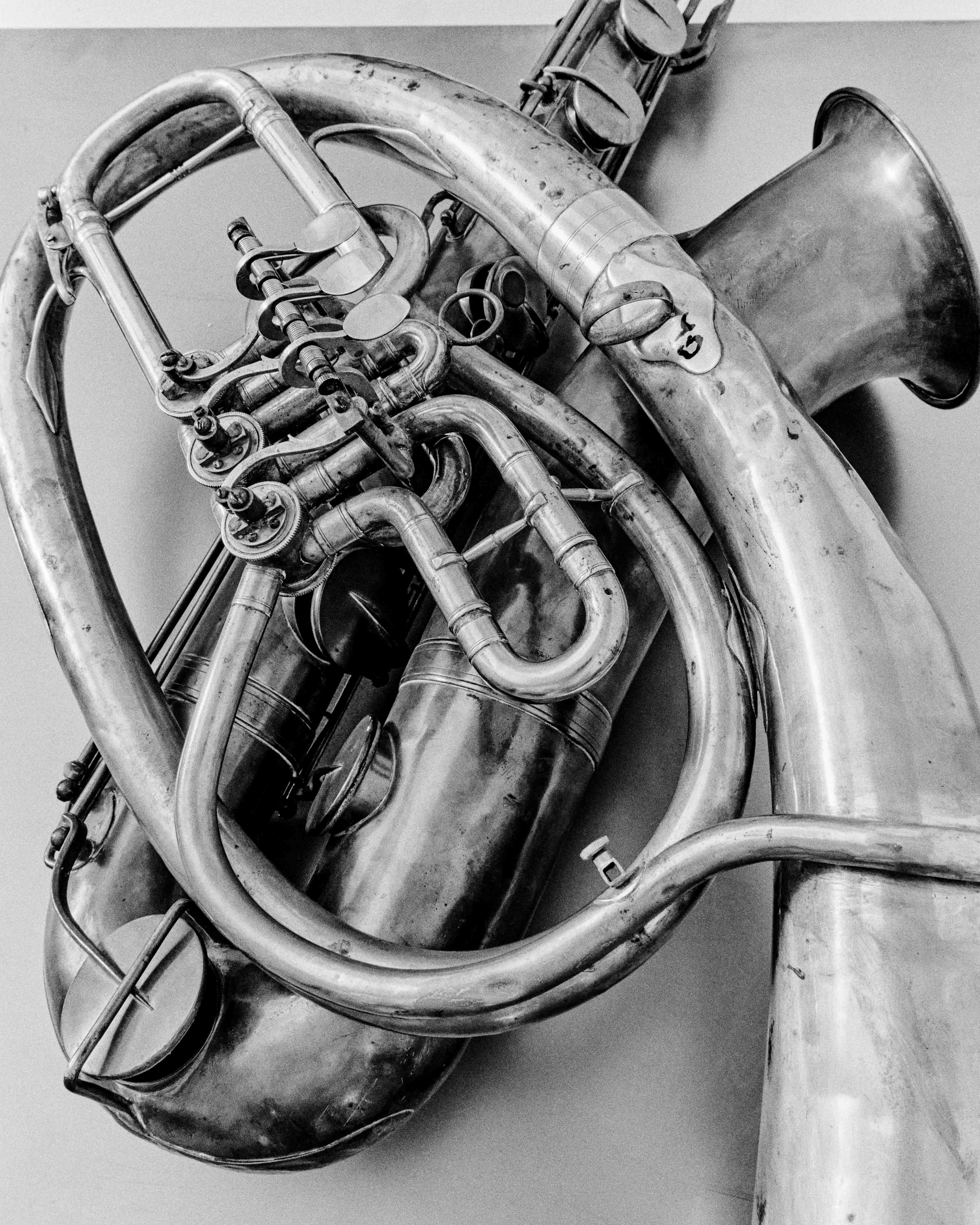
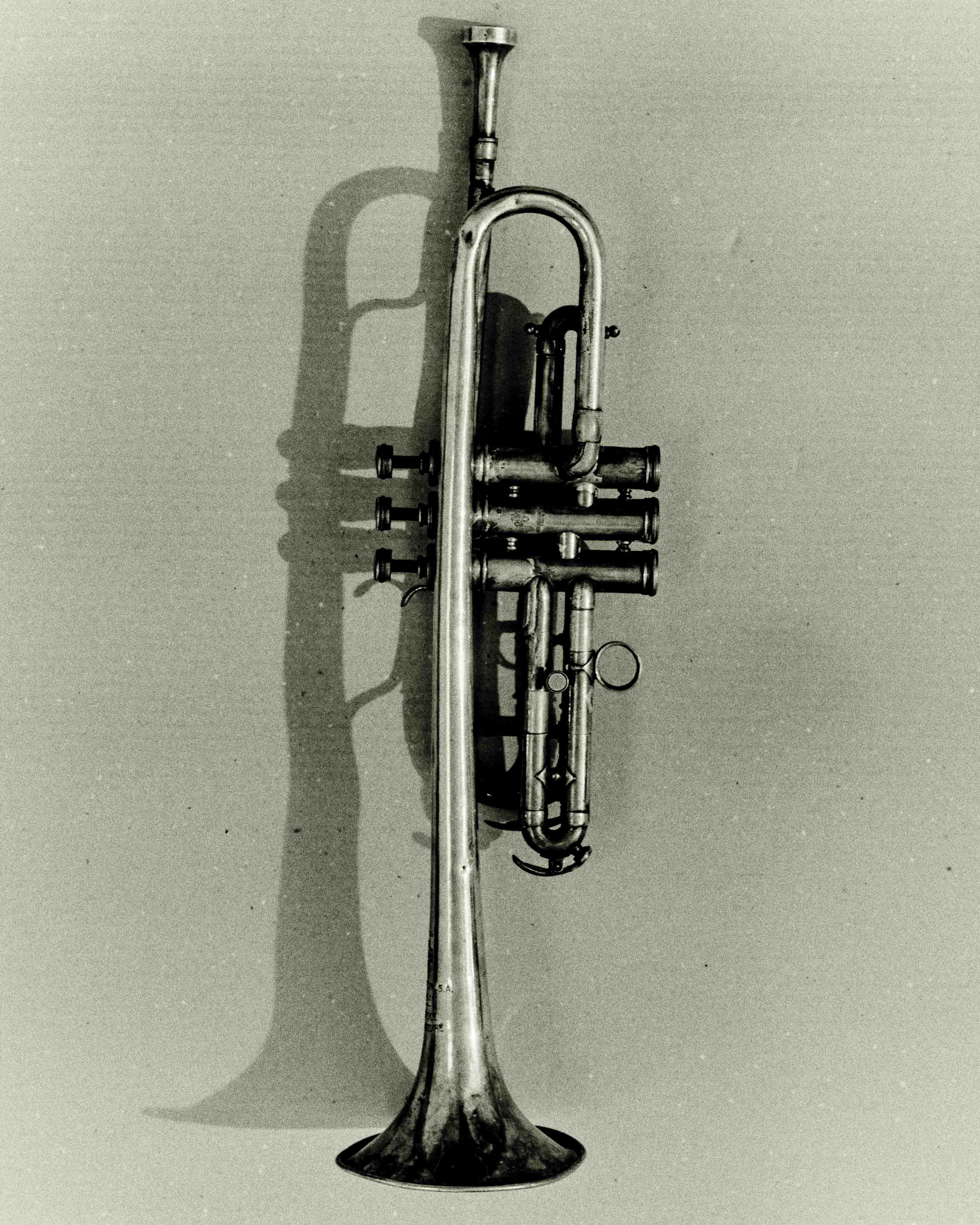
What truly sets jazz musicians apart is their highly skilled and well-studied approach to the genre. After all, to break with the rules of a musical tradition, one must first know them to begin with. This is what makes so many of the individuals that have participated in the genre—whether recorded or unrecorded—so influential to this day.
Many would point to Louis Armstrong as the first “great” jazz artist. Although it was not until the early 1920s that he would get his first big break as the second cornet in King Oliver’s Creole Jazz Band, by the end of the decade he was famous. Revered for his sophisticated and daring technique, expressive attack and timbre, he was more than just a great trumpeter. Armstrong led jazz during its heyday, pushing for its development and acceptance as a fine art.
Oftentimes in the shadow of more well-known jazz artists, female instrumentalists and vocalists also pulled their weight in the genre—from Lil Hardin, who graced the piano alongside her husband Louis Armstrong, to Ella Fitzgerald and Billie Holiday. One of the very first women to be successful in jazz was pianist and composer Mary Lou Williams, who recorded over 100 records during her 60-year-long career, boasting a list of collaborators that reads like a who’s who of jazz.
These are just a few of the many luminaries of jazz culture, each of whom pioneered the genre in their own way and propelled jazz forward during the height of its popularity in America.
The Swing Era produced yet more great soloists, with a particular focus on musical ensembles for mass entertainment. Despite its contested beginnings, by the 1930s jazz had made its way into mainstream American life. A new swing style took the country by storm and the Big Band Era of jazz would reign until at least 1945. Swing brought a new kind of respectability to jazz, packaging its once raw, improvisational energy into tightly arranged performances by big bands. Influential swing arrangers of the decade include pianist Fletcher Henderson and his brother, Horace, as well as renowned composer and bandleader Duke Ellington.
While some critics viewed this as a dilution of jazz’s spirit of spontaneity, the shift allowed the music to migrate from smoky nightclubs into elegant ballrooms. A genre once associated with the brothels of New Orleans and Prohibition-era gin mills of Chicago was now making itself comfortable in the most esteemed rooms of New York, touching the gifted ears and hands of musicians across the country along the way. Inventing new dances to complement the music they heard, at the Savoy Ballroom in Harlem a dance style known as the Lindy Hop was invented and refined.
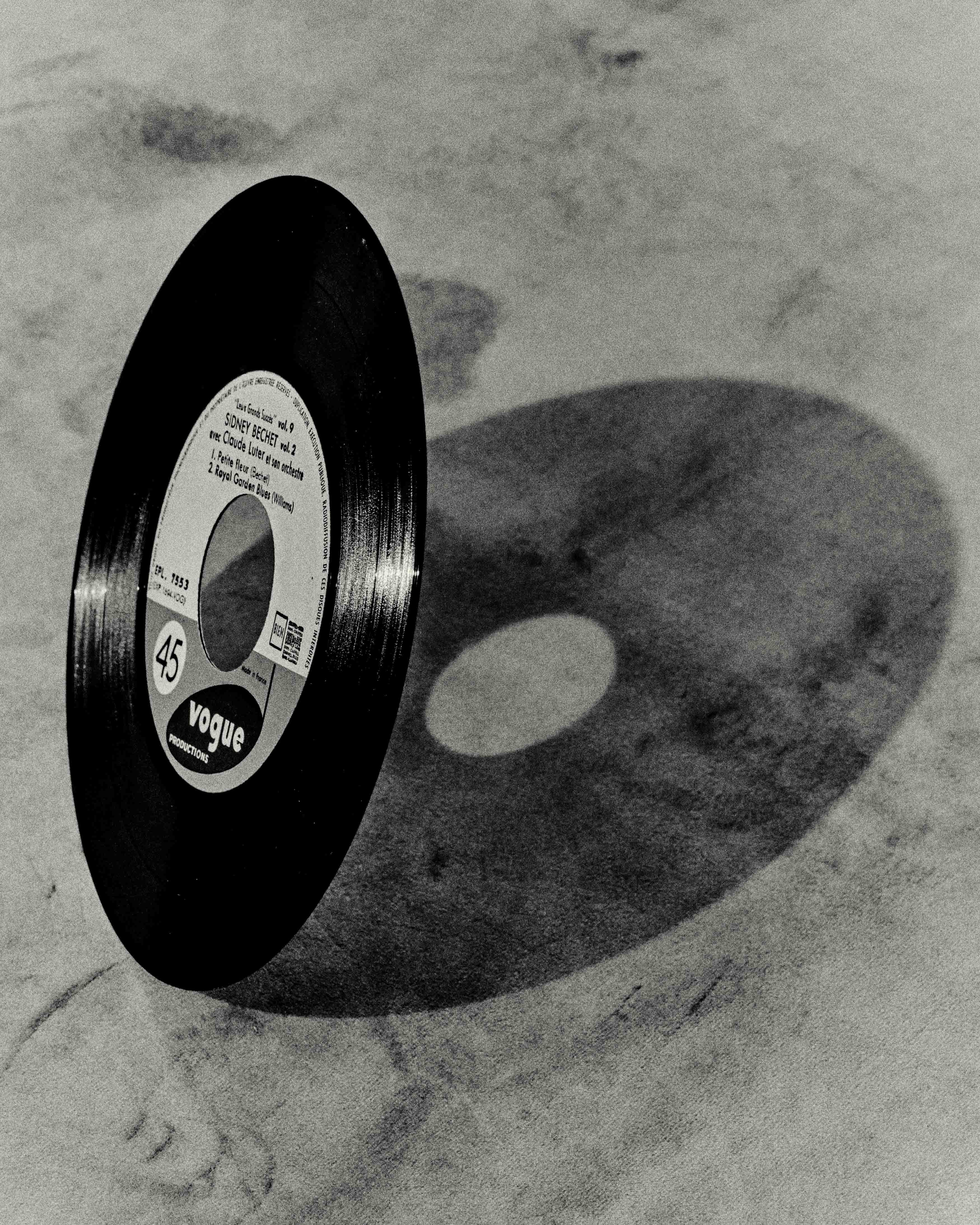
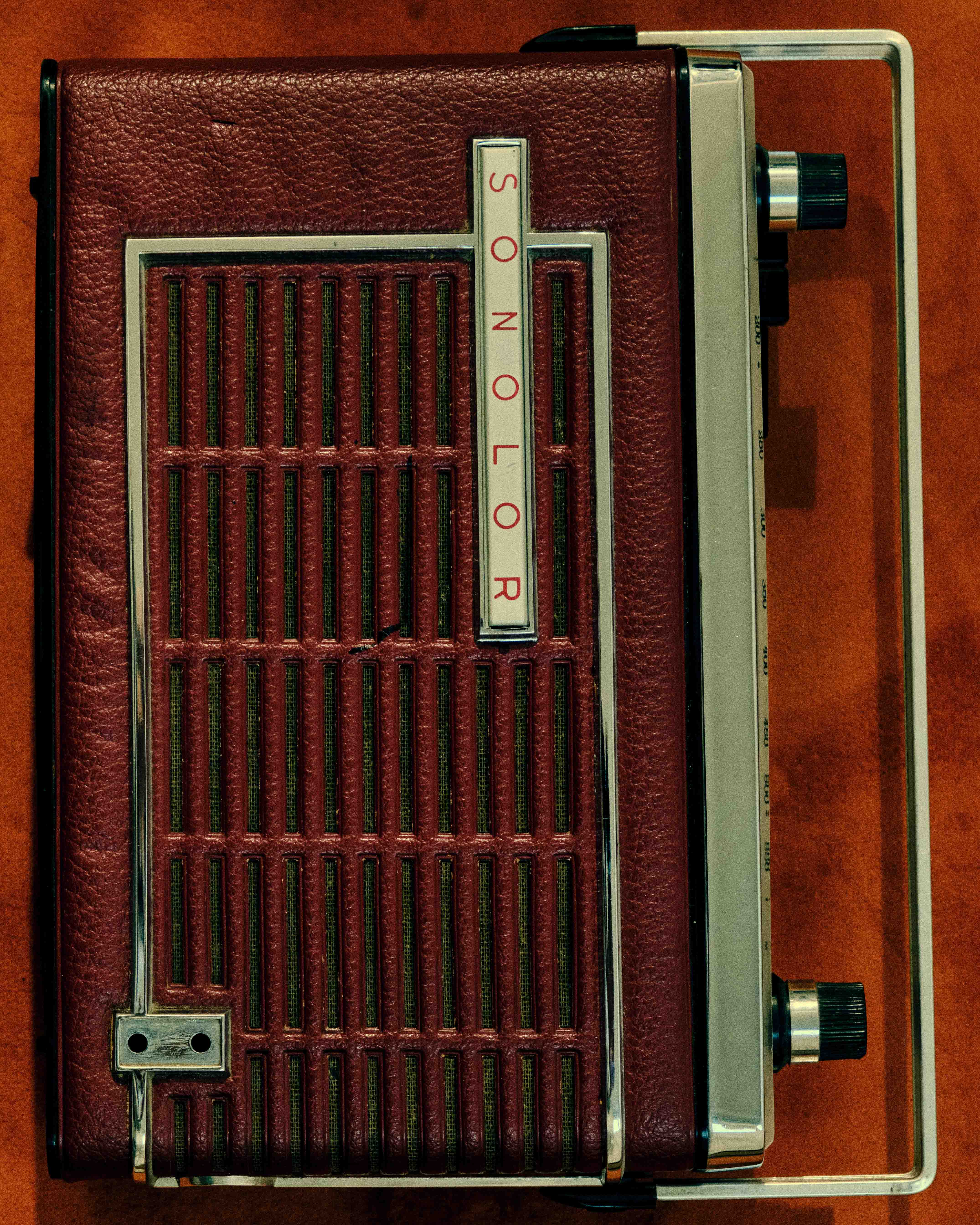
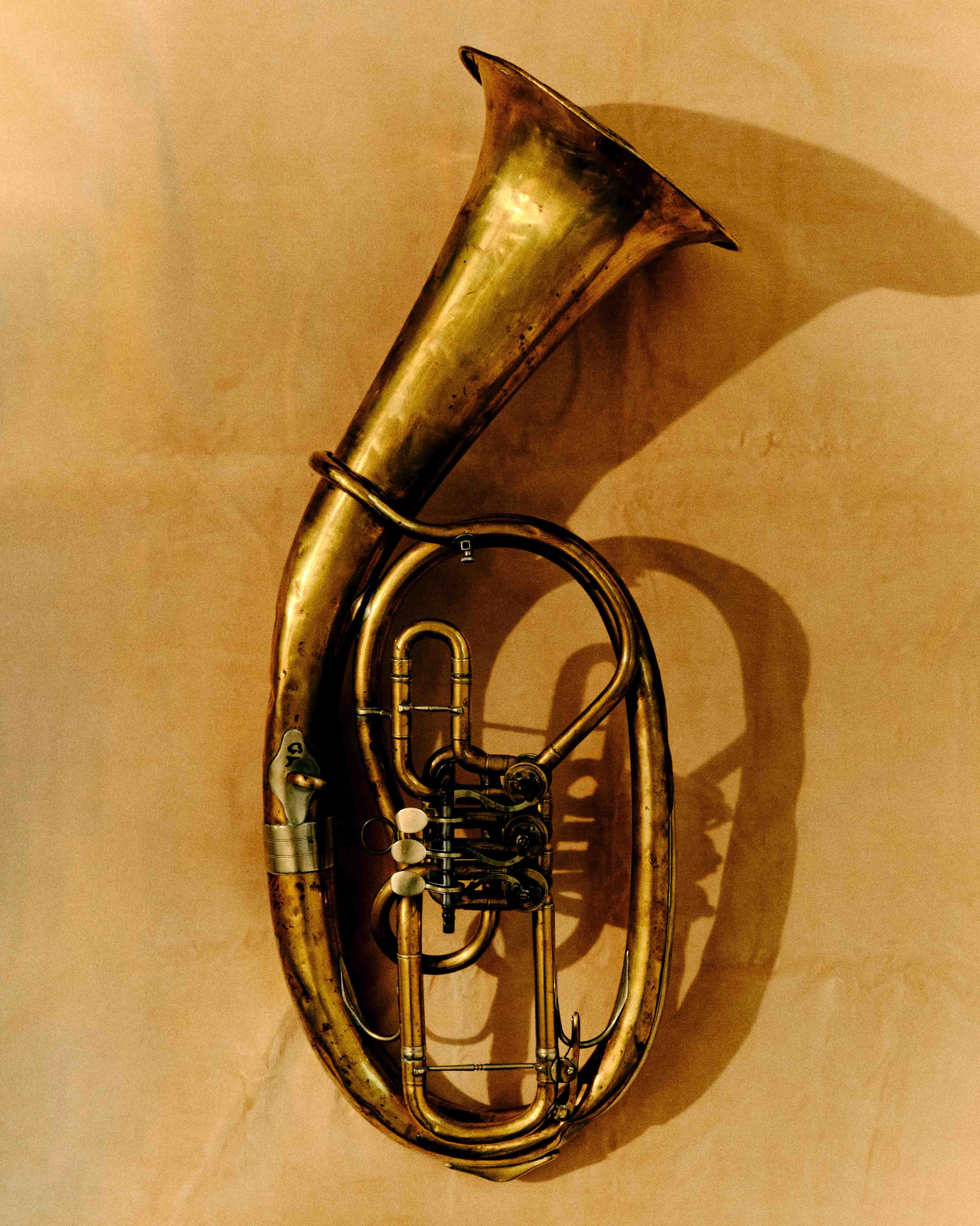
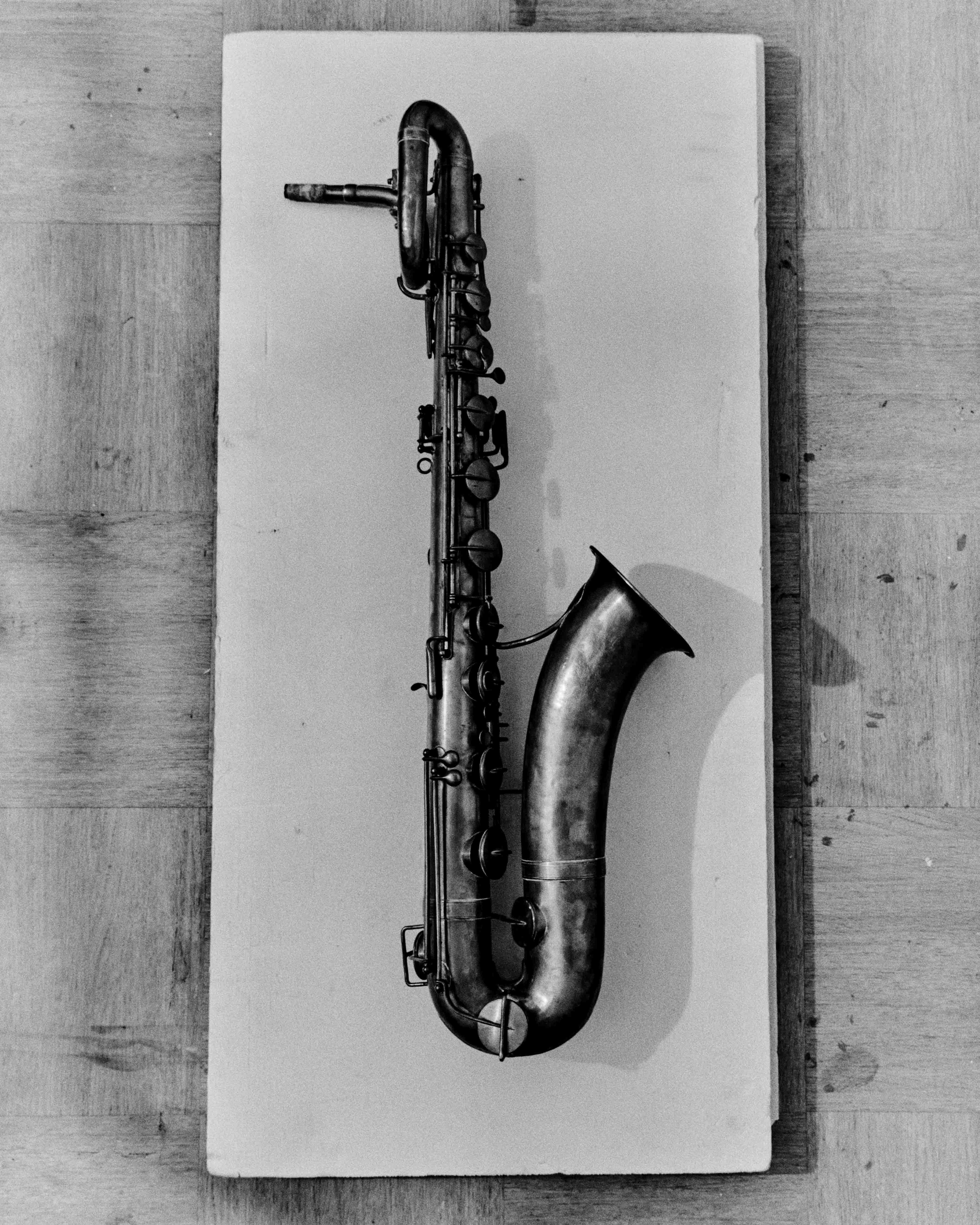
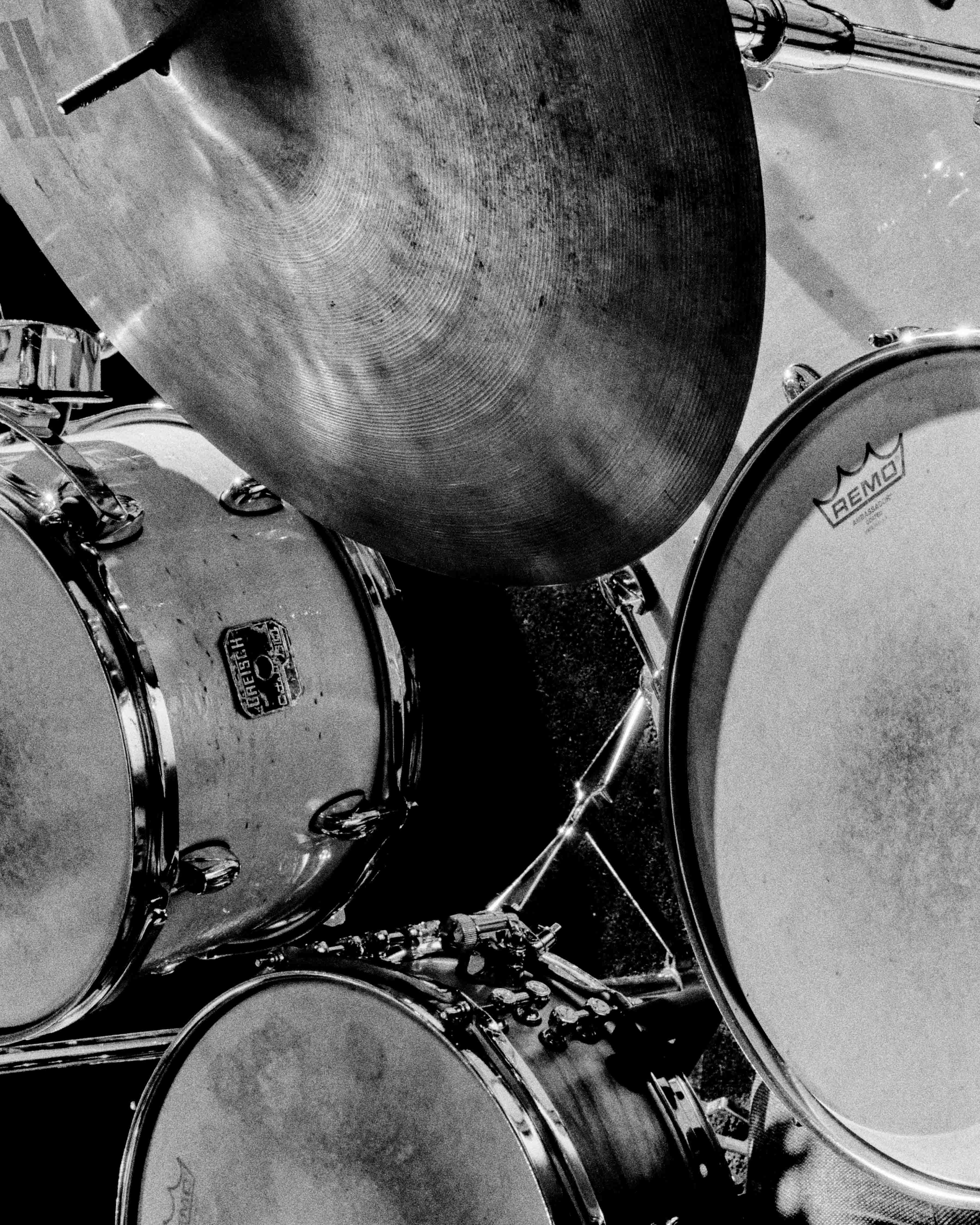
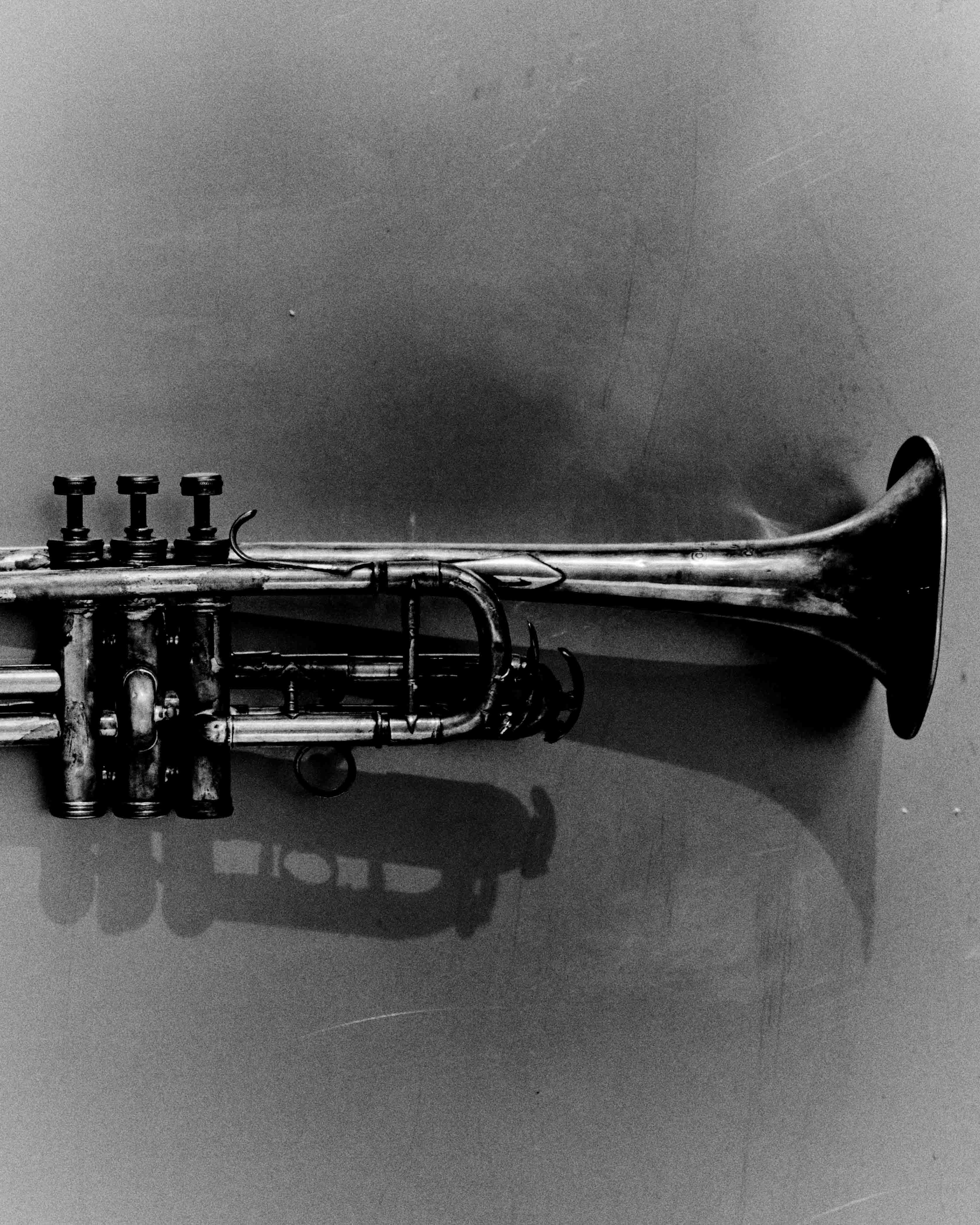
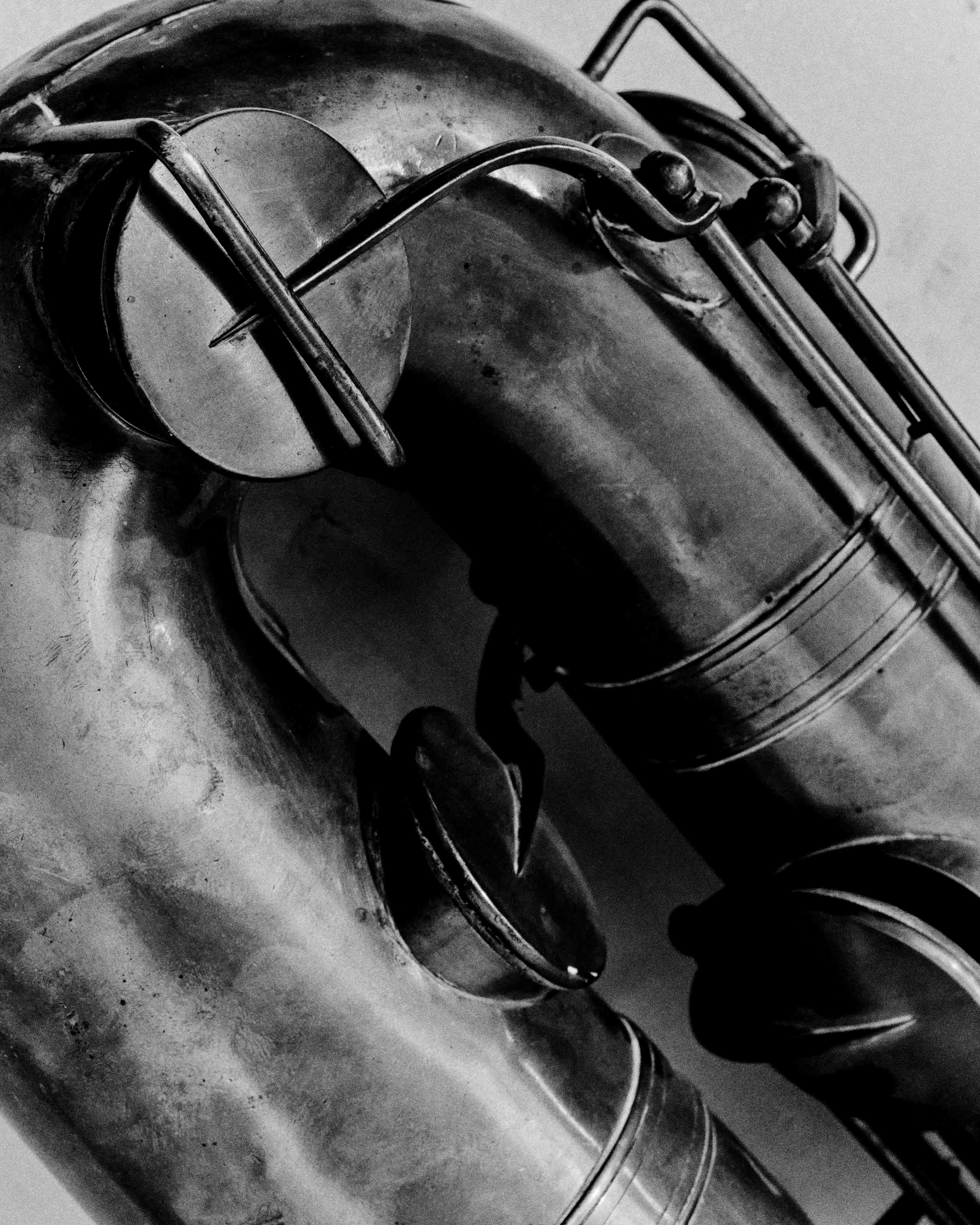
At the same time, the advent of the radio was changing the way Americans listened to music, and thus the trajectory of jazz culture. While larger jazz ensembles required more formal arrangements and less improvisation, they also opened doors to broader audiences and commercial viability. As swing reached its peak, the spotlight gradually shifted from the bands to the vocalists who fronted them. Figures such as Frank Sinatra, Nat King Cole and Sarah Vaughan, who began as swing stylists, soon became stars in their own right, signaling the end of the Big Band Era and the beginning of jazz’s next evolution.
In the years following, a group of jazz musicians would experiment with a much more complex style meant for serious listening rather than dancing. In the mid-1940s, jazz underwent one of its more radical transformations with the emergence of bebop, or “bop.” This new sound, pioneered by musicians like Charlie Parker, Dizzy Gillespie and Thelonious Monk, split the jazz world in two. Not only did this idiom divide older and younger generations of jazz musicians, but it also placed the genre at odds with its audience.
Bebop was faster, more chromatic, and far less accessible to casual listeners. Where early jazz adhered largely to diatonic harmonies and danceable rhythms, bebop was erratic, dissonant, and cerebral. Its name came from the staccato, two-tone phrases often heard in scat singing—a clue to its complicated improvisation. Many in the public realm, and even amongst jazz musicians themselves, initially rejected it. But for others, bebop marked jazz’s evolution from popular entertainment into a high art form. It was complex, expressive, and unapologetically modern. It brought with it not only a new sound, but an entire subculture, complete with distinct fashion, language, and post-war attitude.
From there, jazz continued to reinvent itself. Miles Davis emerged as a central figure in the birth of cool jazz, a smoother, more refined reaction to the raw energy of bebop. Davis was a virtuoso trumpeter, and his nearly 40-year-long career can be seen as a testament to the genre’s commitment to evolution. An ensemble musician and major collaborator, he spent the start of his career playing in big bands alongside the likes of Dizzy Gillespie—even turning down an opportunity to join Duke Ellington’s orchestra in 1948. Later in his life, he experimented with jazz fusion, adding electronic instruments to his classical jazz sound.
By the late 1950s, the genre had opened up to what is now seen as free jazz, in which structure itself was largely discarded in favour of total improvisational freedom. These later movements pushed jazz further into the realm of experimentation, influencing genres far beyond its own borders.
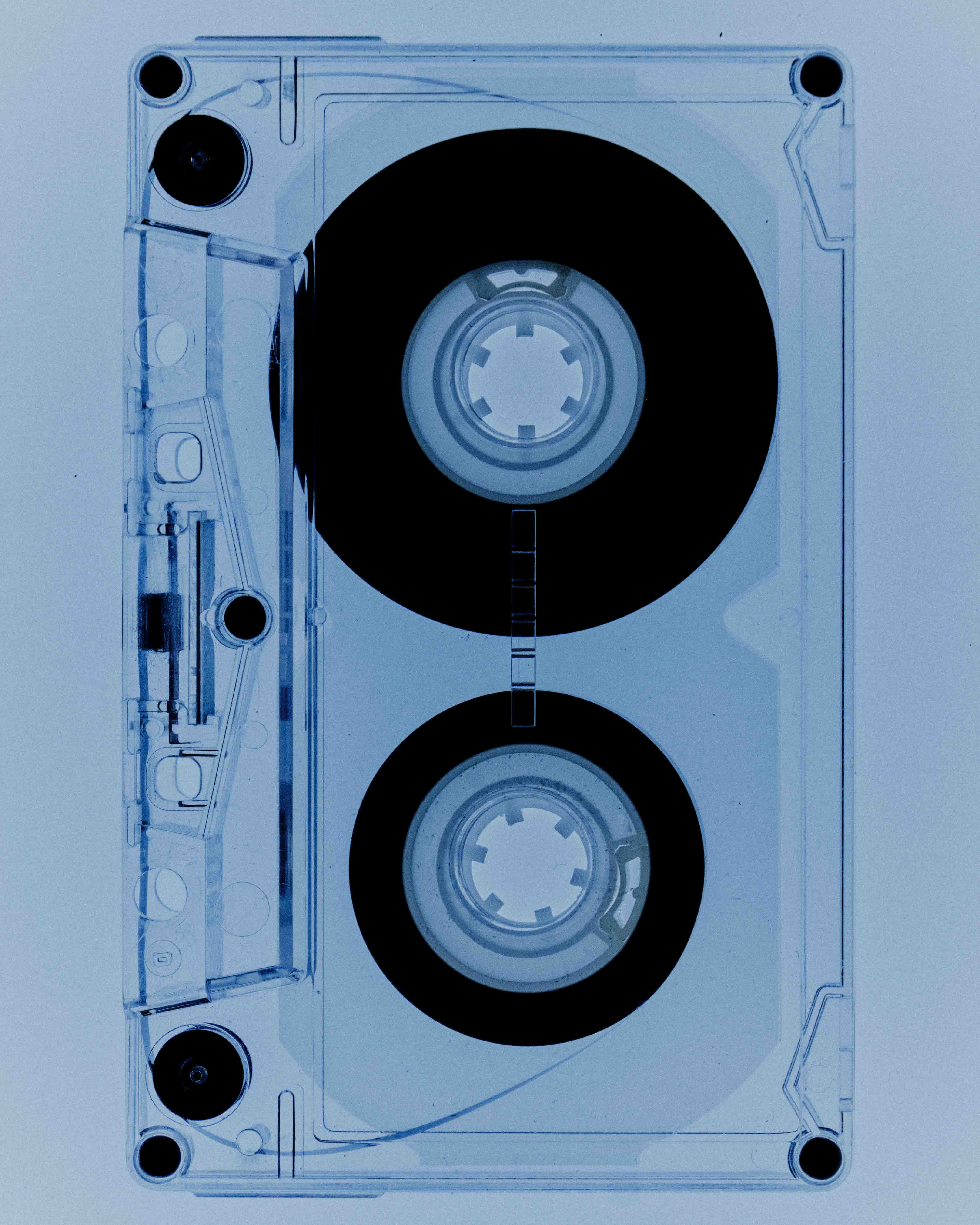
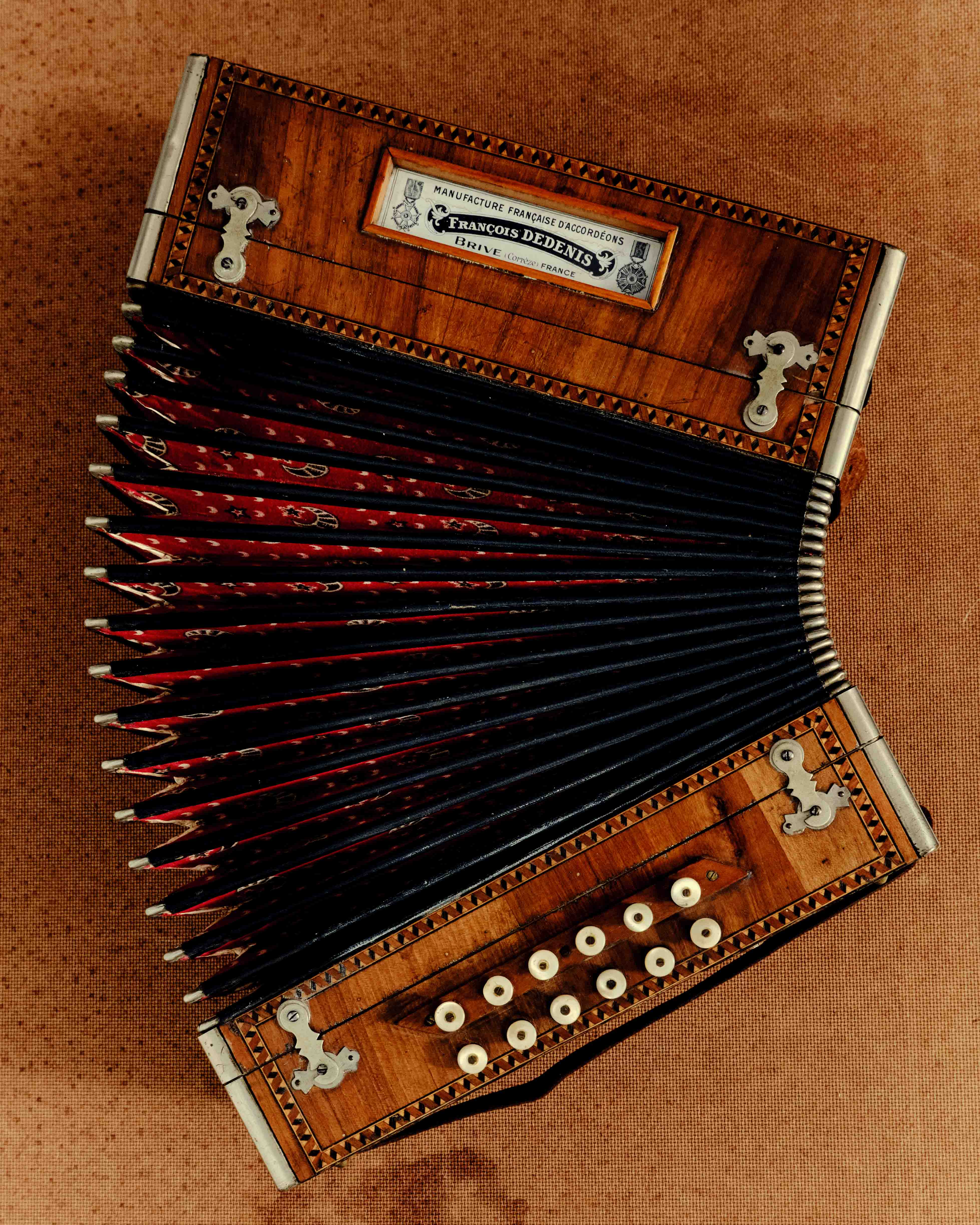
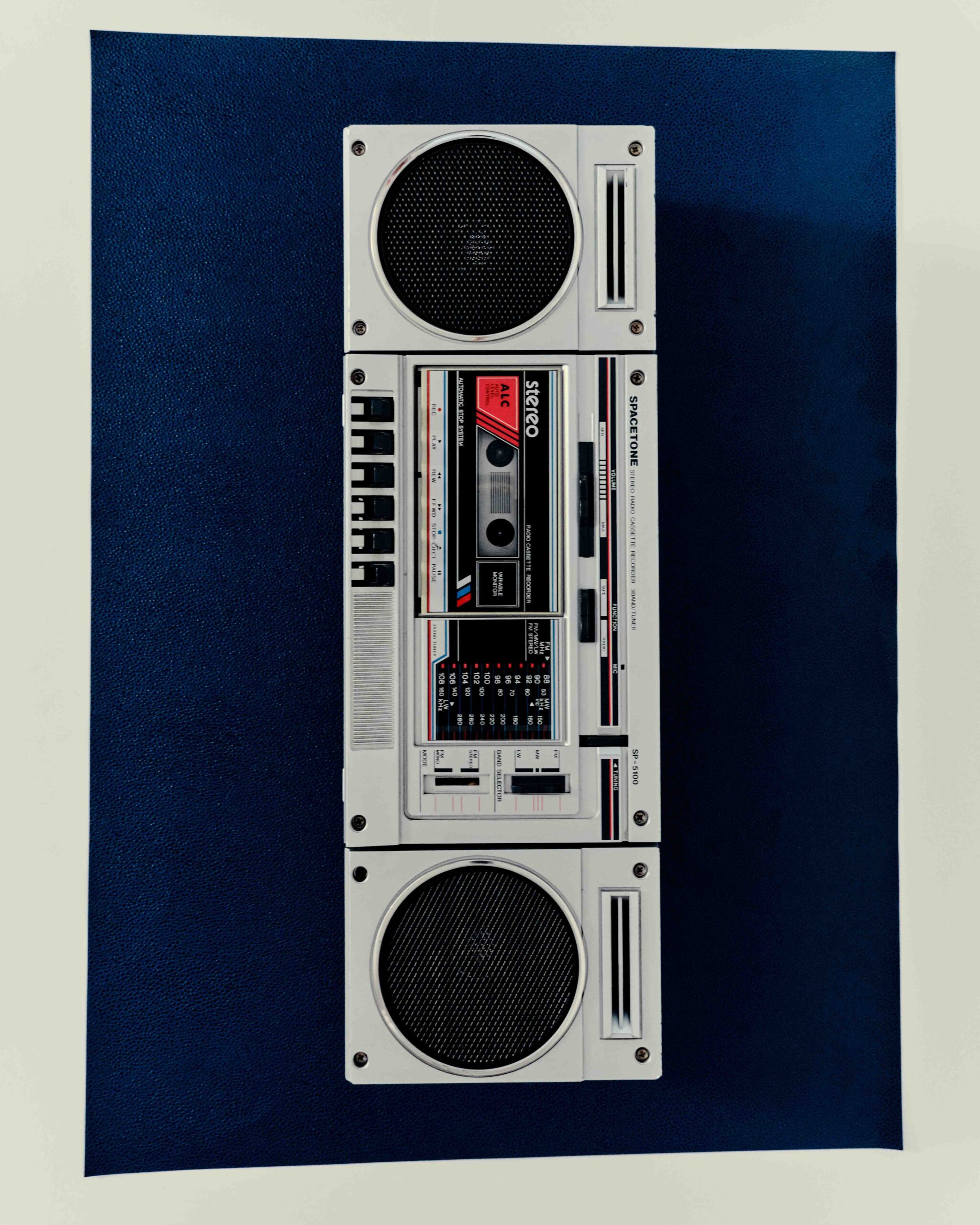
Today, jazz continues to evolve, intersecting with hip-hop, electronic music, and global rhythms, yet it remains tethered to its roots—a genre born of resistance, expression, and constant reinvention. And despite a history of perceptual differences, jazz remains instantly recognisable to most. As Armstrong said of the meaning of swing, “If you have to ask, you’ll never know.”
As both a cultural artefact and a living, breathing art form, jazz endures—not because it stays the same, but because it never has.