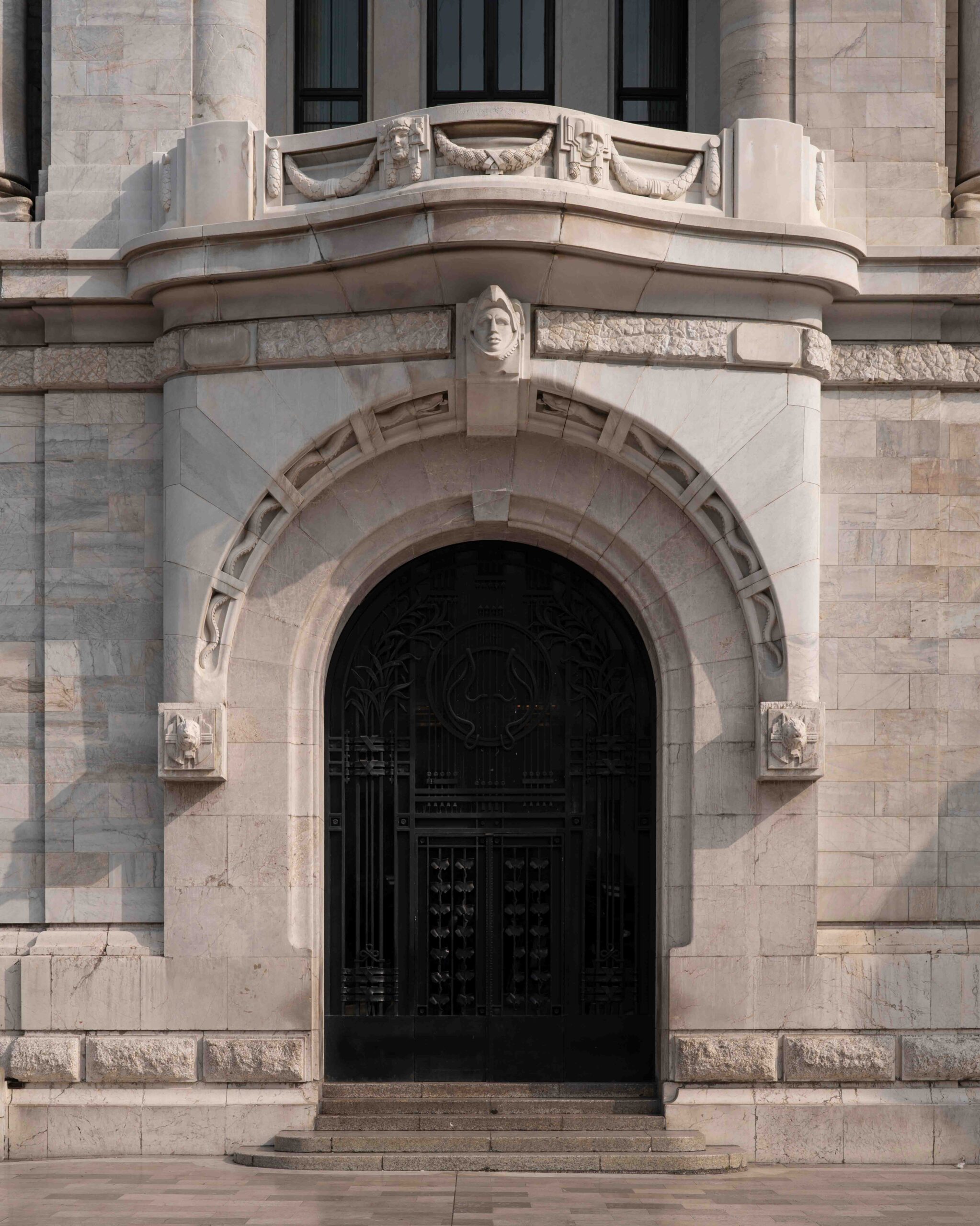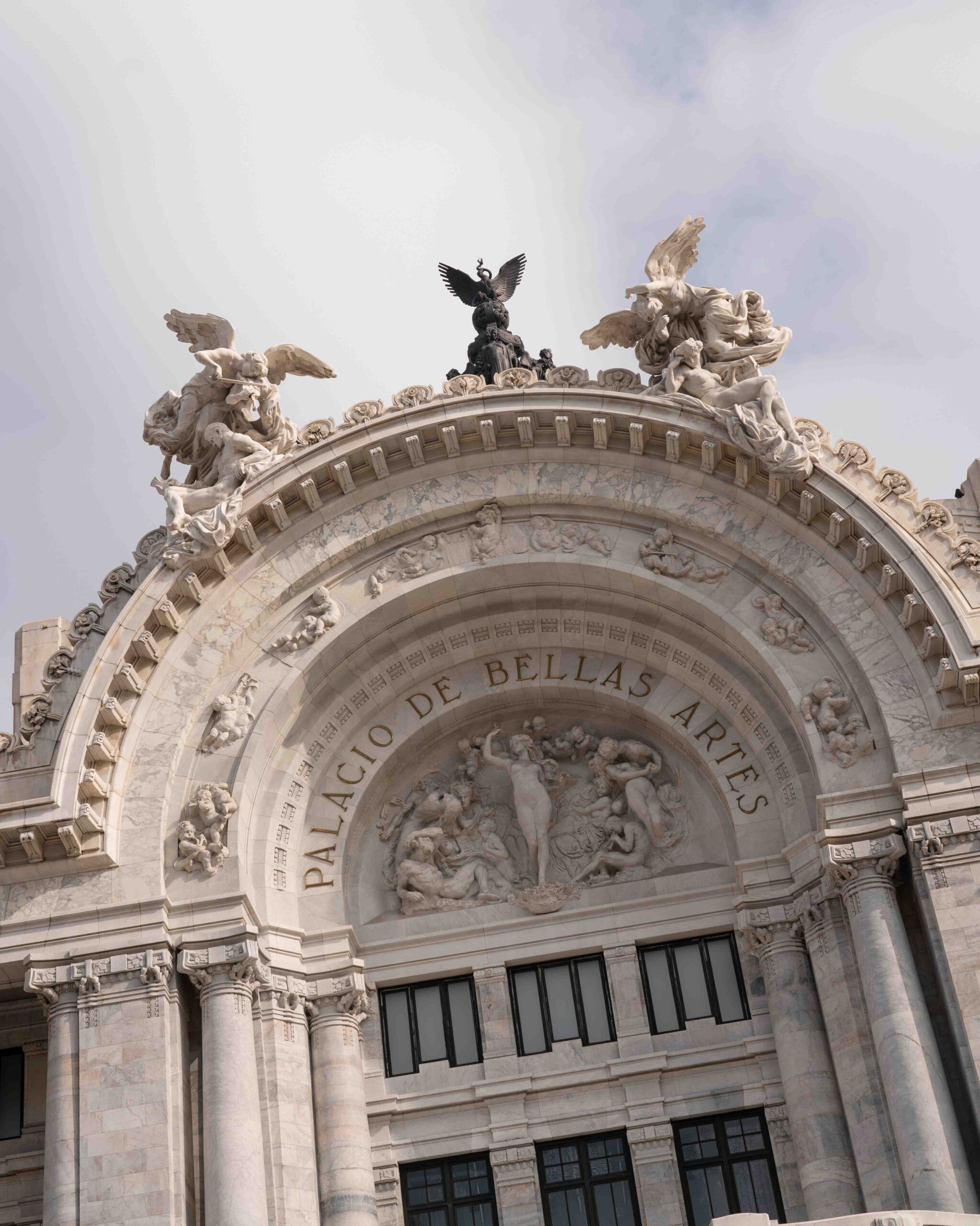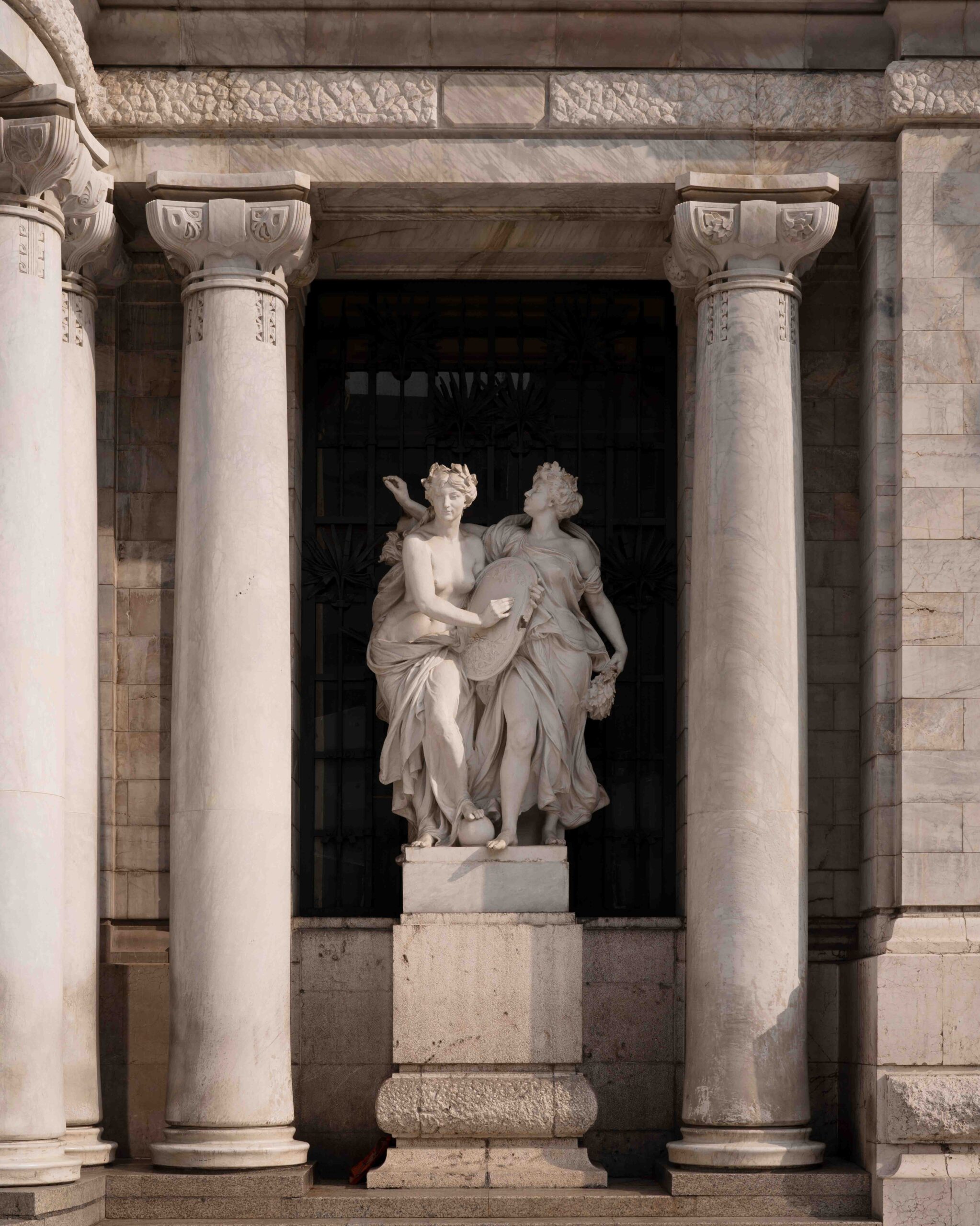
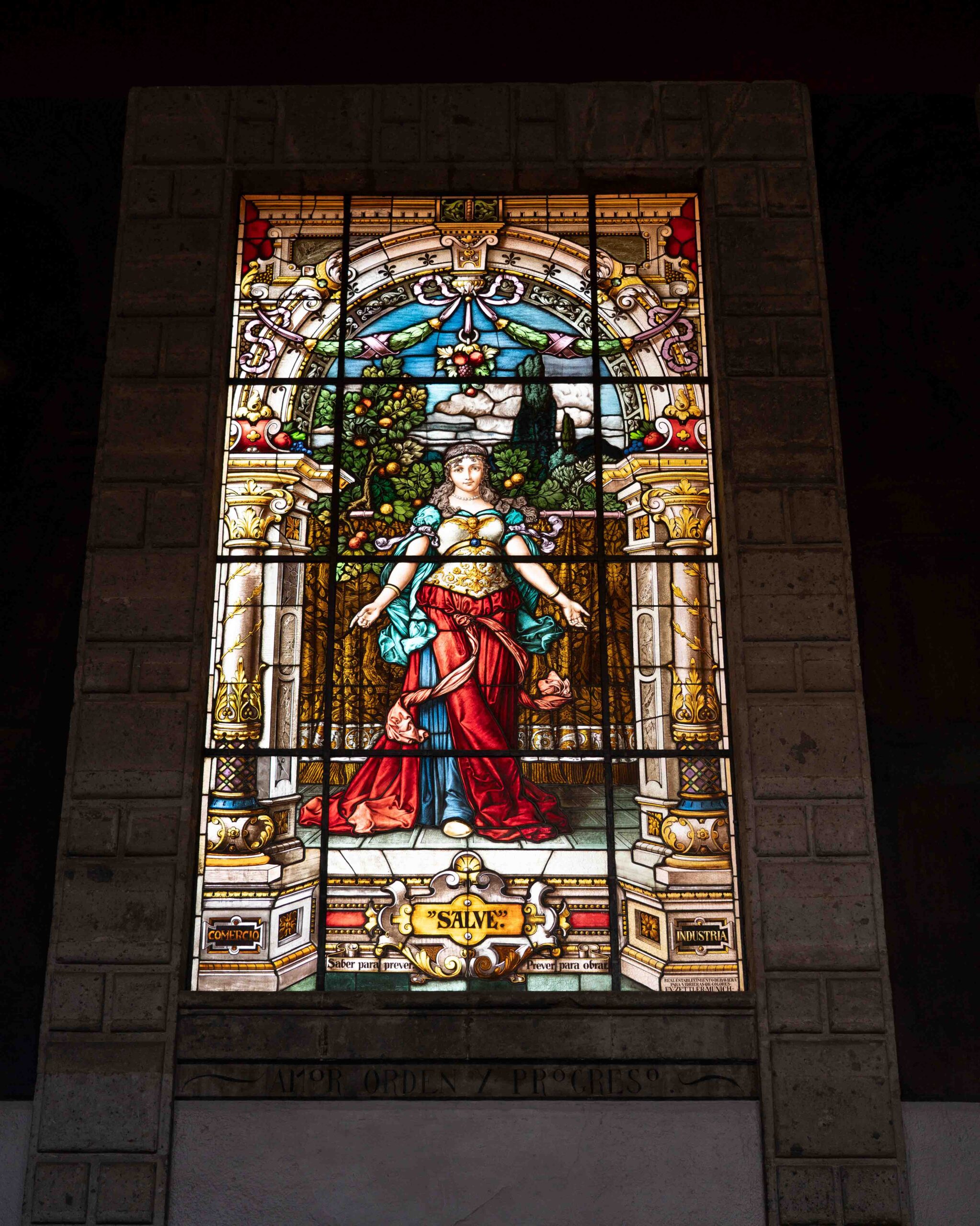
It is impossible to walk the streets of Mexico City, today, without encountering echoes of Mexican Modernism, a golden era broadly spanning the 1920s through the 1960s, inseparable from the political and social upheavals that shaped the Latin American nation. Diego Rivera’s legendary murals, Frida Kahlo’s intimate portraits, Leonora Carrington’s haunting dreamscapes, Pedro Infante’s moving films, and Luis Barragán’s breathtaking architecture, now known the world over, all belong to this deeply prolific and transformative period, far richer than most realise.
Its origins trace back to December 1, 1920, when Álvaro Obregón was sworn in as president of Mexico, bringing to a close a brutal revolutionary decade that dismantled 30 years of dictatorship, and left the country desperate for unity and direction. “Officials in the incoming Obregón administration and their allies realised the government needed to construct a shared understanding of Mexican identity and national history,” wrote Barbara Haskell, art historian and curator at The Whitney Museum of American Art.[1]
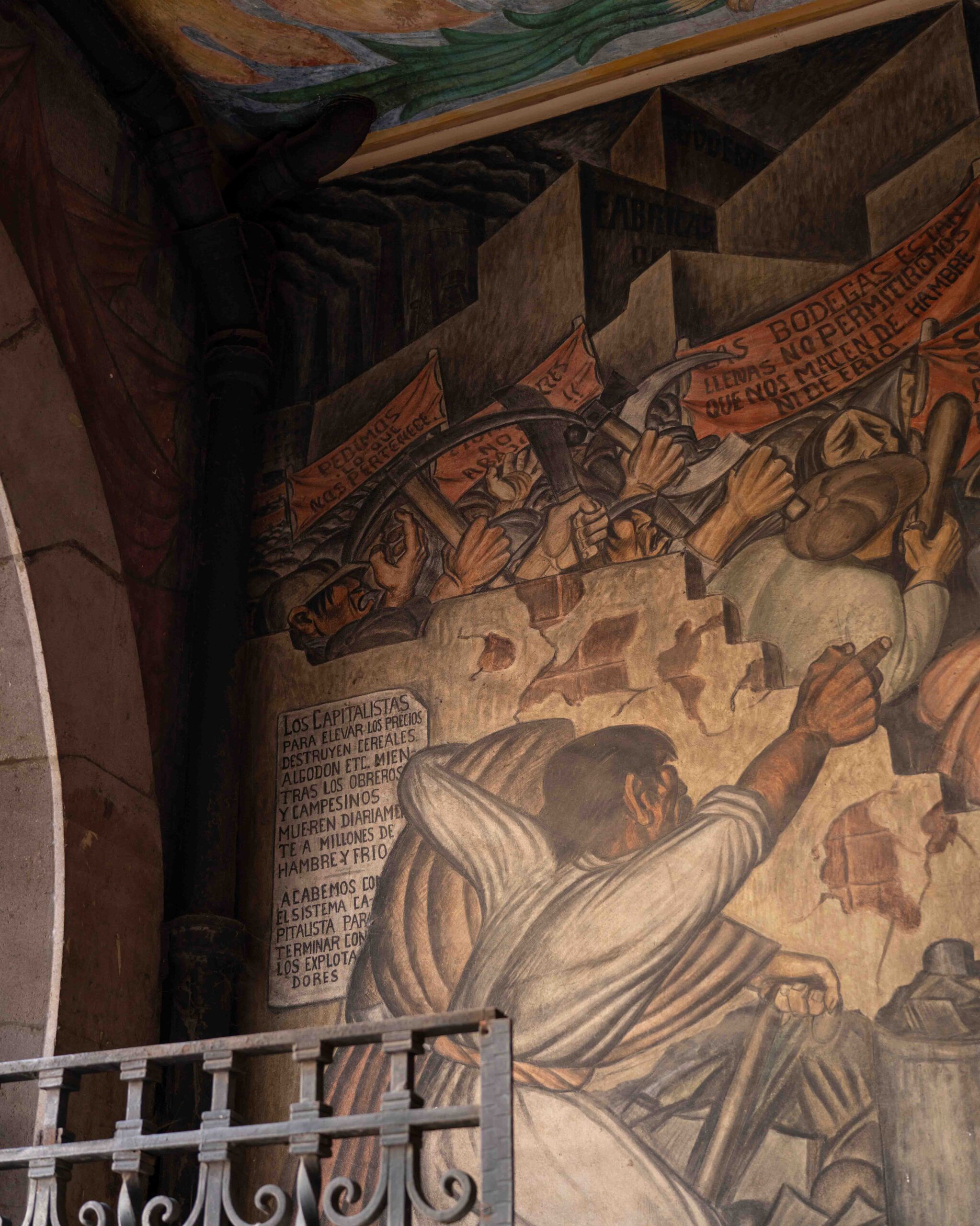
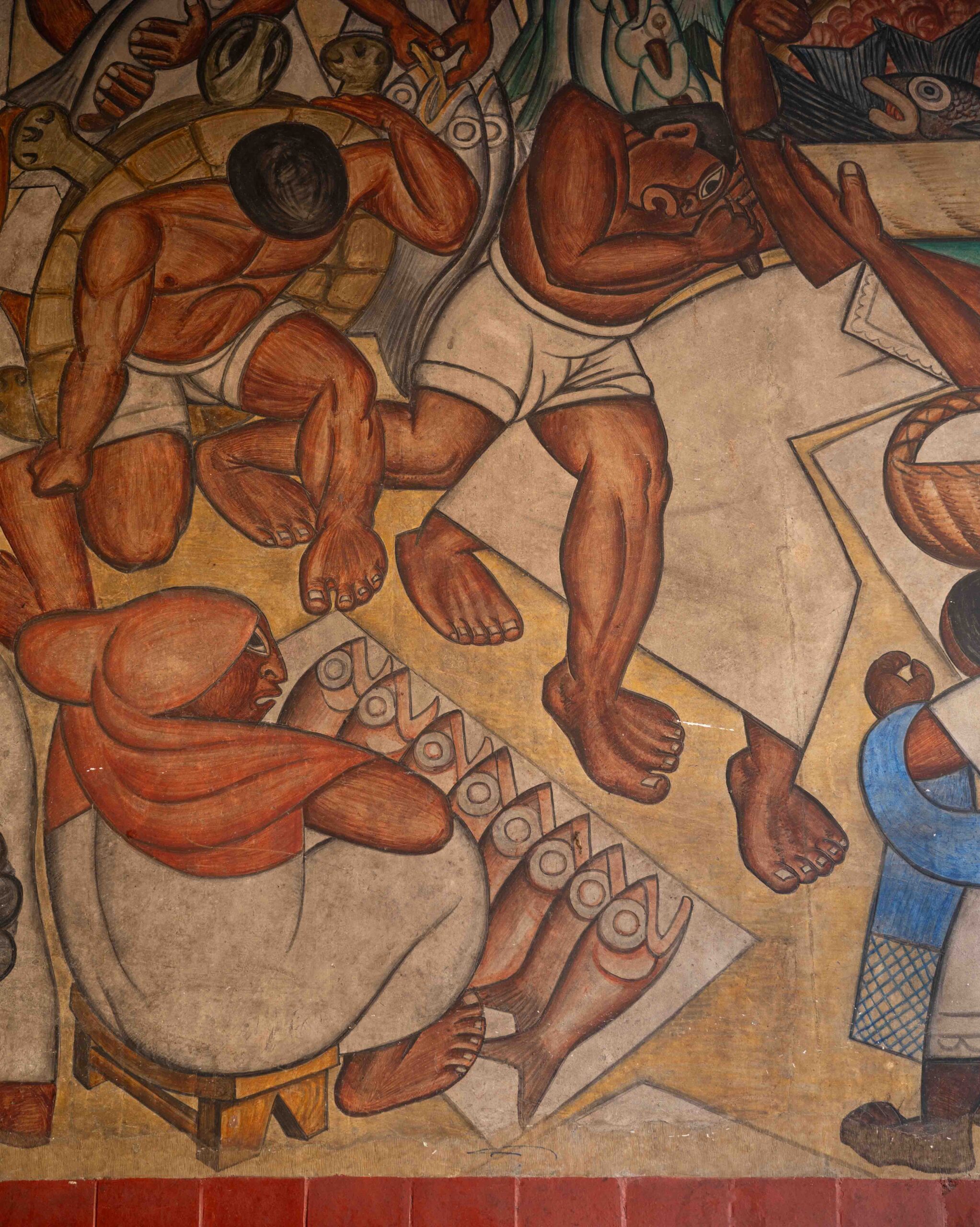
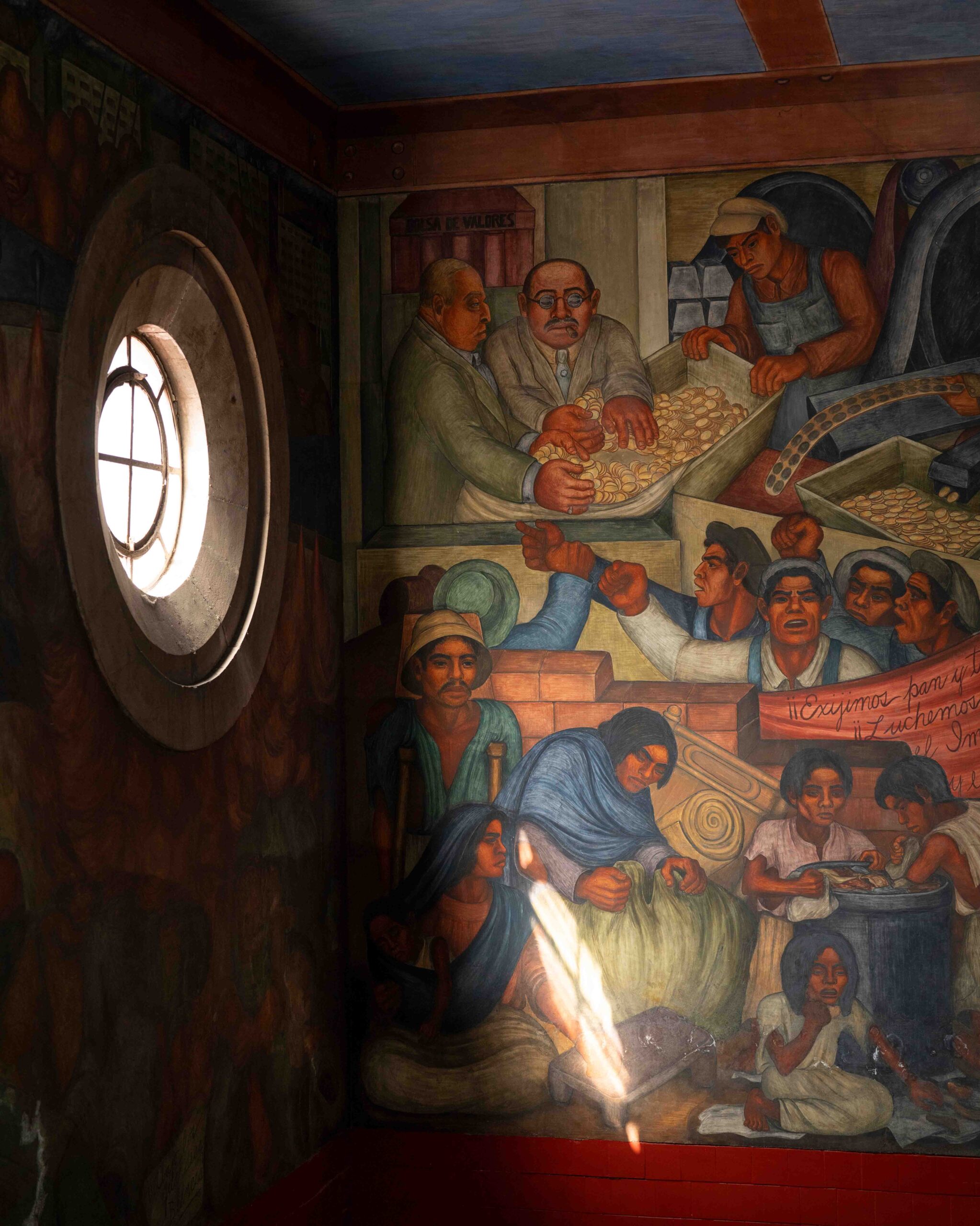
To fulfill this ambitious task, Obregón turned to artists, who brought the idea of Mexico to life on public walls for all to see. The result was Mexican Muralism, one of the most significant art movements of the twentieth century. At its centre, stood three figures who came to be known as Los Tres Grandes [The Three Greats]: Diego Rivera, José Clemente Orozco, and David Alfaro Siqueiros. In 1922, the group organised into the Sindicato de Obreros Técnicos, Pintores y Escultores [ Union of Technical Workers, Painters, and Sculptors] and published a manifesto, authored by Siqueiros. “We repudiate so-called easel painting and every kind of art favoured by ultra-intellectual circles, because it is aristocratic, and we praise monumental art in all its forms, because it is public property,” the artist wrote.[2]
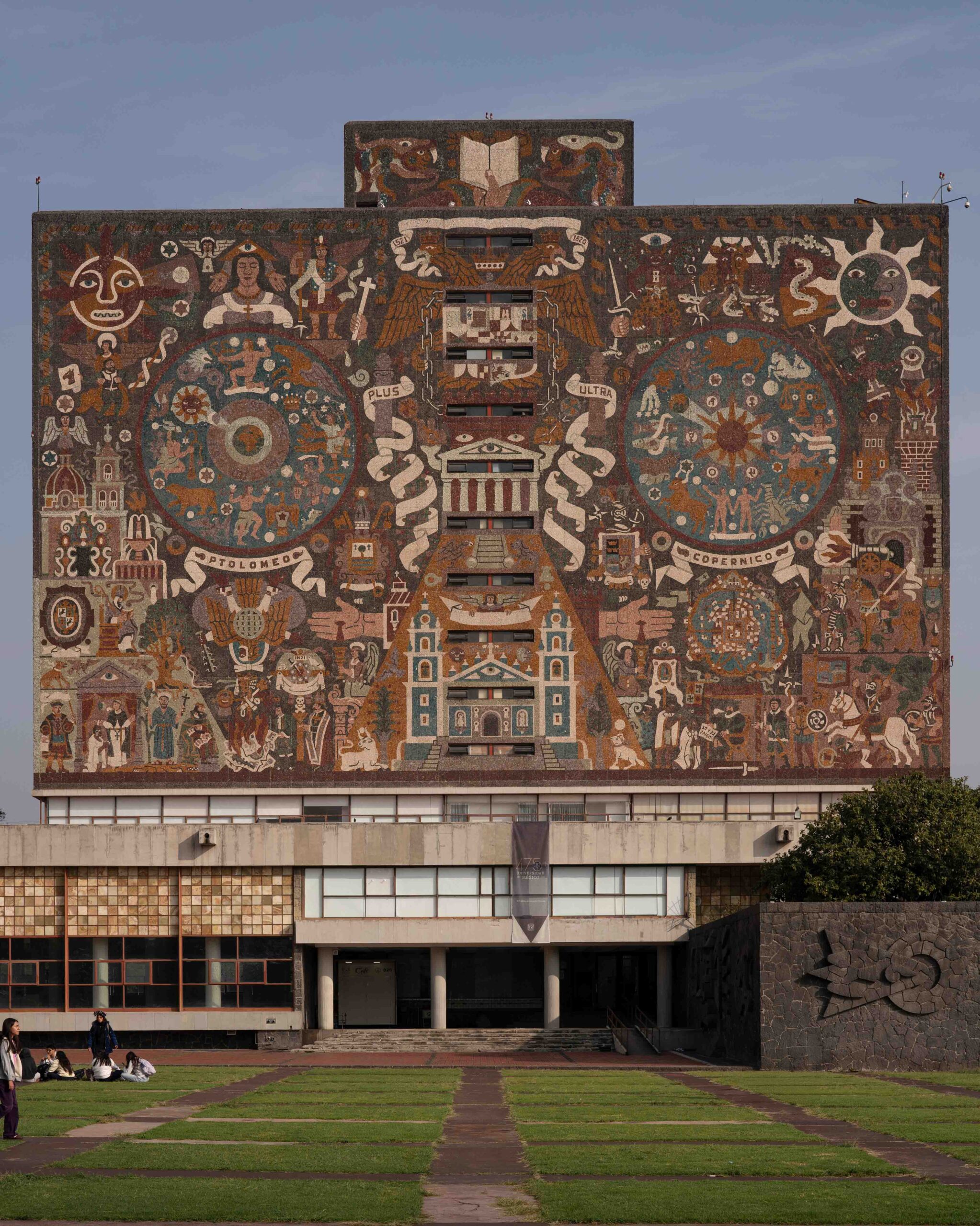
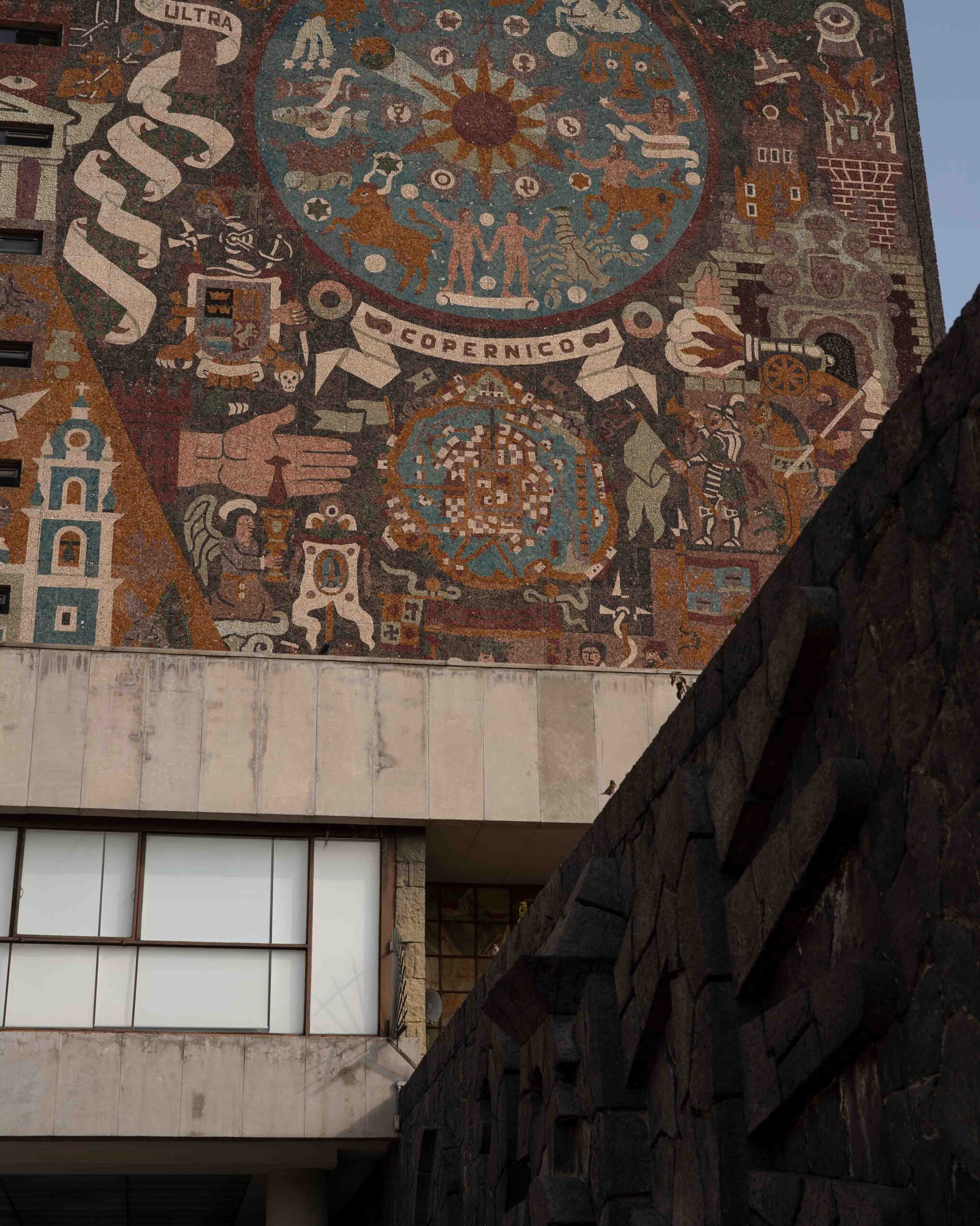
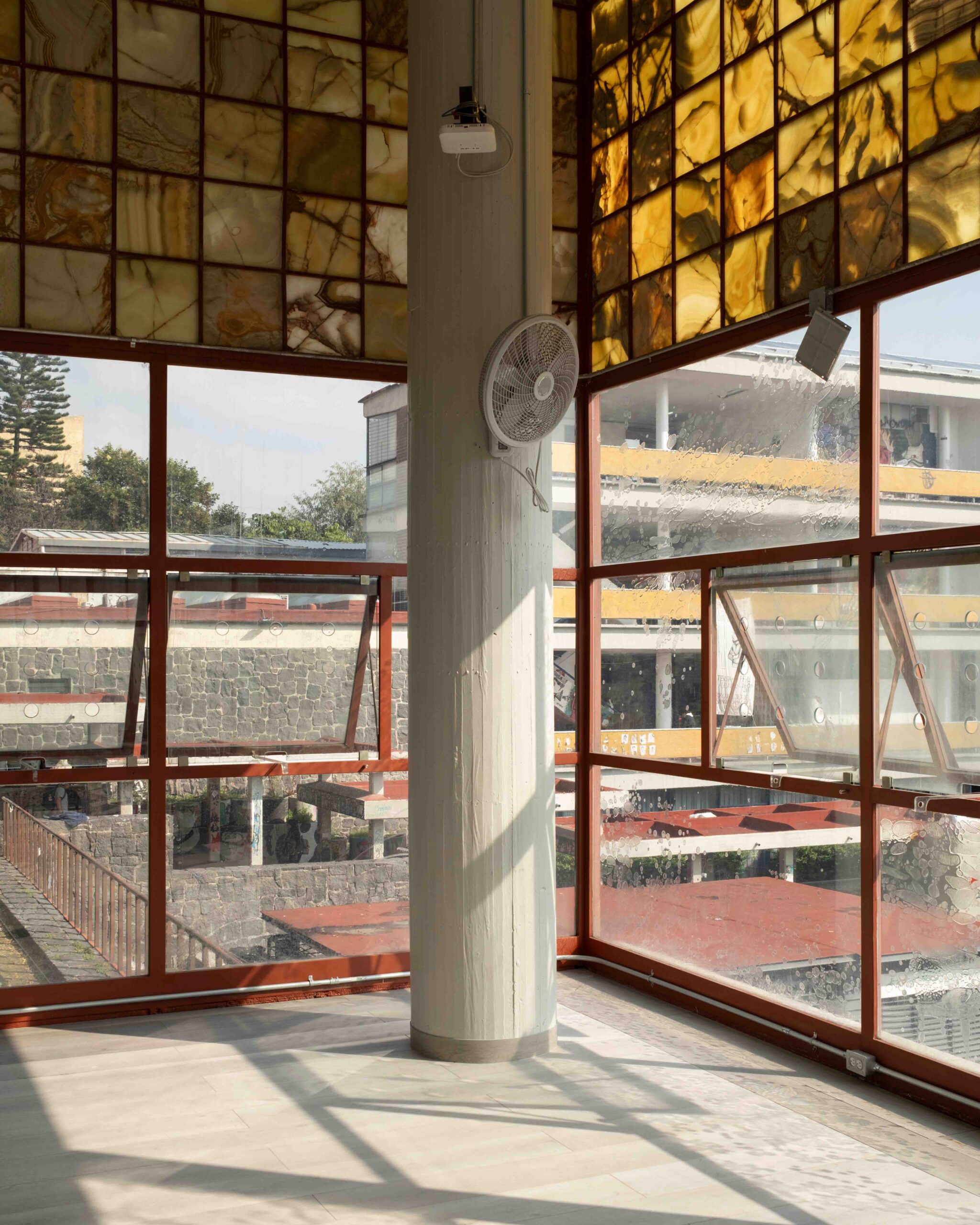
Drawing on the monumental scale of Renaissance wall painting and employing fresco, mosaic, relief, and encaustic techniques, the muralists created ideologically-driven works that honoured the nation’s Indigenous heritage, challenged political oppression, and bore witness to human suffering. Open to the public as a museum today, the Antiguo Colegio de San Ildefonso in Mexico City is considered the birthplace of the movement, housing works completed during that founding decade by Los Tres Grandes and other leading figures such as Fermín Revueltas and Fernando Leal. Alongside many other seminal works of this period, still towering over the city is Juan O’Gorman’s Historic Representation of Culture (1956), a monumental mosaic covering the exterior of the Central Library at Ciudad Universitaria (UNAM), which remains one of the largest murals in the world to this day.
At the outbreak of World War II, while the muralists continued to reshape public space, Mexico became a sanctuary for the Surrealist movement. Fleeing the devastation of the Spanish Civil War and the war in Europe, a wave of avant-garde artists arrived in Mexico City, drawn by the city’s political openness and visual richness. During a 1938 visit, André Breton, the founder of Surrealism, famously called Mexico “the surrealist country par excellence.” [3]
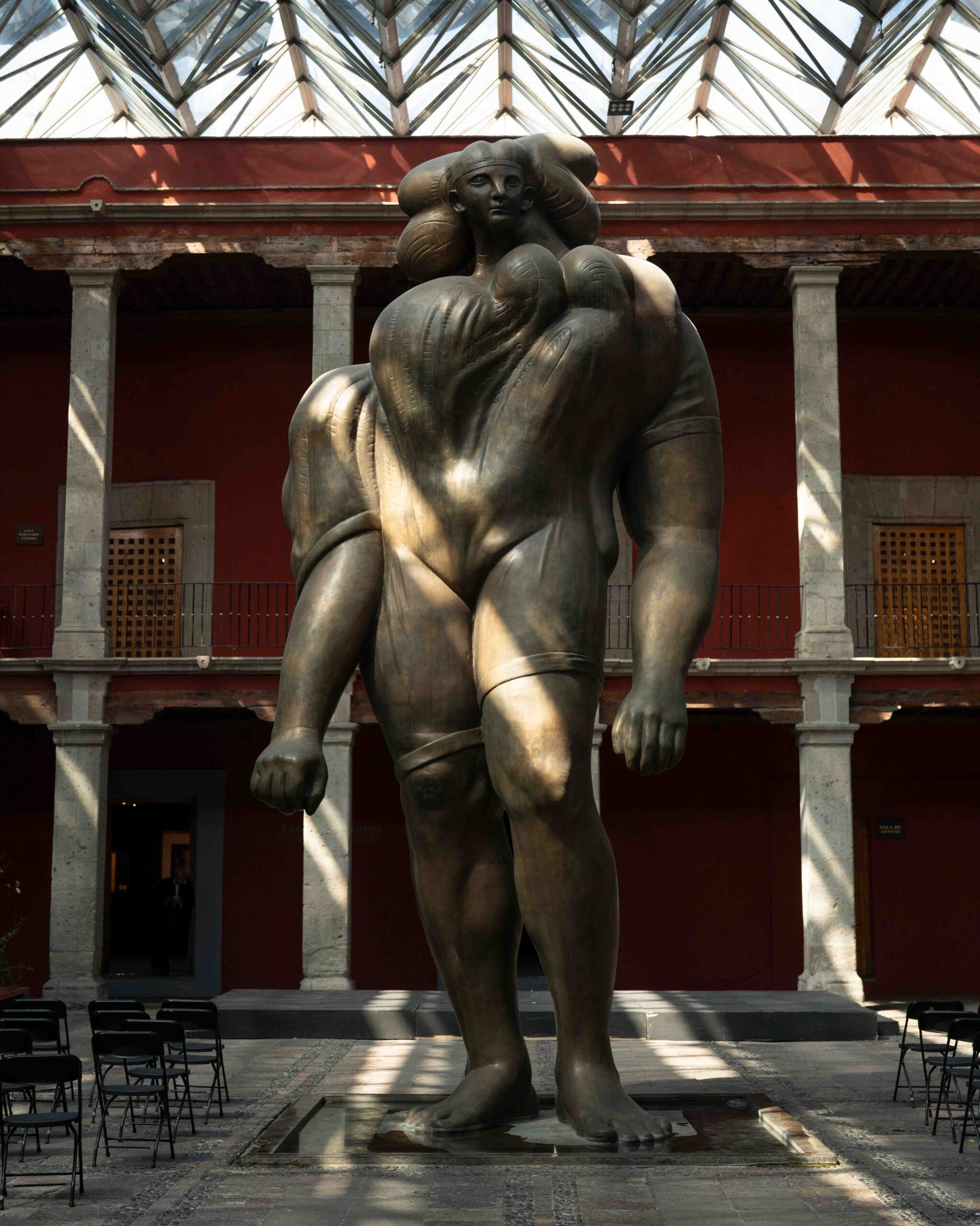
Among the most celebrated Mexican Surrealists was British-born painter Leonora Carrington, who arrived in 1942 and never left. Her home and studio in the Roma Norte neighbourhood, where she lived and worked for more than 50 years, was a Surrealist hub for European émigrés that still stands intact in Mexico City, serving as an academic research and documentation centre for the Metropolitan Autonomous University (UAM). Remedios Varo, a Spanish-born artist and Carrington’s close friend, who also settled in the city during the 1940s, has become another prominent figure of Mexican Surrealism. The largest public collection of her mystical dreamscapes is permanently housed at the Museo de Arte Moderno in Bosque de Chapultepec. A kindred spirit to both was Kati Horna, a Hungarian-born photographer, who arrived in Mexico in 1939 and whose Surrealist works often depicted the lives of those closest to her. The three women spent so much time together that they came to be known as Las Tres Brujas [The Three Witches] [4], a bond made visible in Horna’s 1962 untitled portrait of Varo, who appears wearing a mask made by Carrington.
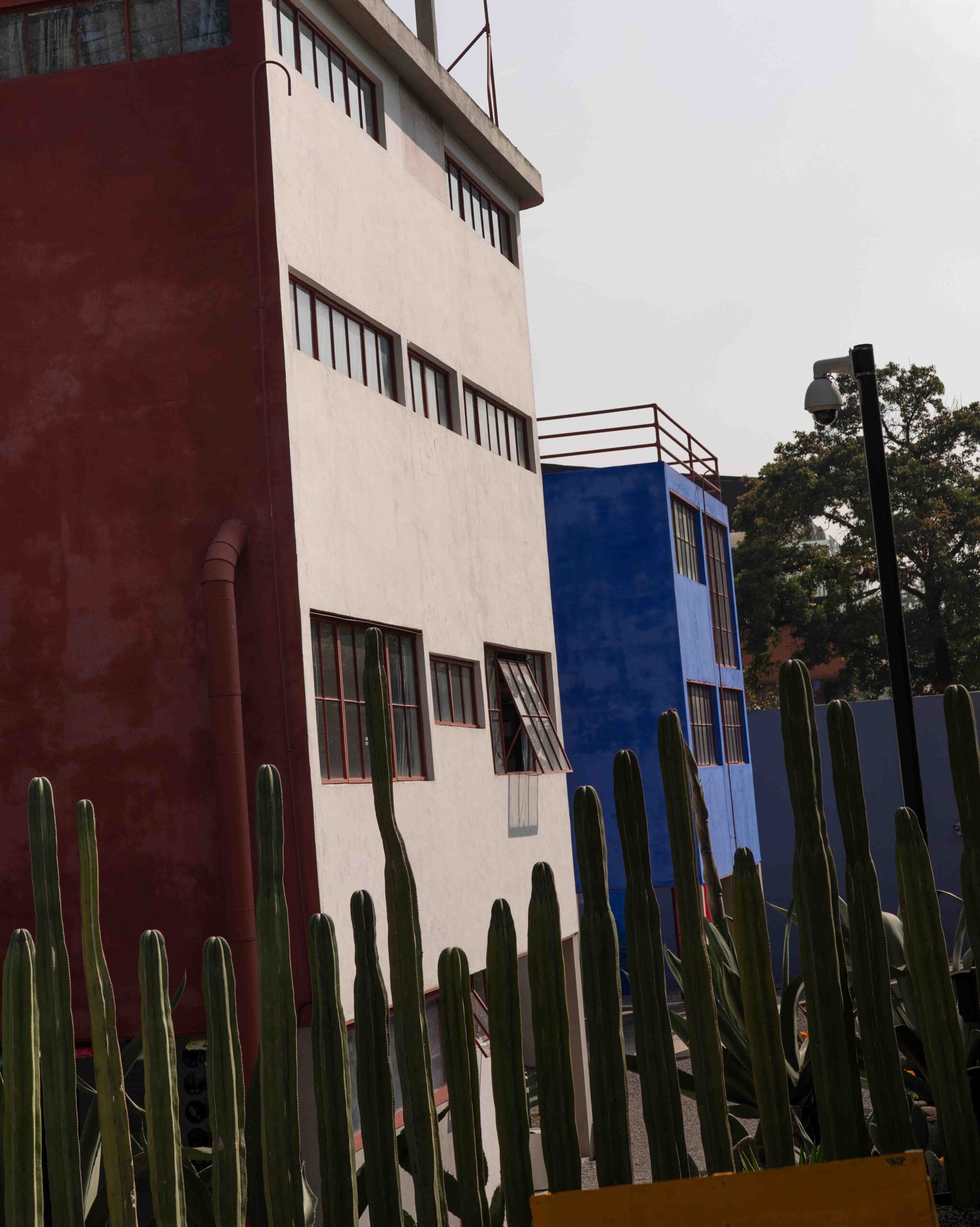
As Surrealism flourished in Mexico, so did the art of Frida Kahlo. Notoriously married to Diego Rivera, she began painting in the mid-1920s and received early recognition from Surrealist André Breton, with both The Two Fridas (1939) and The Wounded Table (1940) included in his landmark 1940 International Exhibition of Surrealism in Mexico City. Still, Kahlo greatly resisted the label. “They thought I was a Surrealist, but I wasn’t. I never painted dreams. I painted my own reality,” she wrote in a letter to her American lover Nickolas Muray [5]. Kahlo’s work was shaped by a life of chronic pain, a turbulent relationship with Rivera, and a profound identification with Mexican Indigenous culture. Her reputation flourished long after her death, propelled by a wave of feminist scholarship and critical attention that took hold in the 1980s. Nowadays, her presence in Mexico City remains vivid. The Casa Azul in Coyoacán, where she was born and died, has welcomed visitors since 1958. And at the Museo Casa Estudio Diego Rivera y Frida Kahlo in San Ángel, built in 1931 by muralist and architect Juan O’Gorman, visitors can step inside the space where both artists once briefly lived and worked.
Kahlo’s only solo exhibition in Mexico during her lifetime took place in 1953 at the Galería de Arte Moderno, organised by her close friend Lola Álvarez Bravo, widely credited as Mexico’s first female photographer. Her husband, Manuel Álvarez Bravo, was another artist loosely associated with Surrealism who never truly embraced the label. His visual language, rooted in the textures of ordinary Mexican life, shot through with an oneiric undercurrent and led him to become one of the most celebrated Latin American photographers of the twentieth century. Mentored by the revolutionary American photographer Tina Modotti, he maintained close ties with the muralists and captured now-iconic portraits of both Rivera and Kahlo. Alvarez Bravo also left his mark on the Golden Age of Mexican Cinema, shooting still photography for Luis Buñuel’s film Nazarín (1959) and collaborating with writer and political activist José Revueltas on the experimental film Coatlicue (1949). His archive is now housed at the Casa-Archivo Manuel Álvarez Bravo in Colonia Roma.
The Golden Age of Mexican Cinema roughly ran from the 1930s to the late 1950s, producing a remarkable body of critically acclaimed work that brought international prestige to Latin American film. Among its earliest landmarks was ¡Vámonos con Pancho Villa! (1936), directed by Fernando de Fuentes, a wartime drama set against the Mexican Revolution, distinguished by its unflinching realism and moral complexity. The era reached global recognition when Emilio Fernández’s María Candelaria (1943), starring Dolores del Río, became the first Latin American film to win the Grand Prix at the Cannes Film Festival. Looming above the cultural landscape of the period was Pedro Infante, an actor and singer whose magnetic charisma made him the defining idol of the age, with films such as Nosotros los Pobres (1948).
In architecture and design, Mexican Modernism produced something equally distinct, and one of its greatest exponents was the engineer and self-taught architect Luis Barragán. In the late 1920s, he aligned himself with an architectural movement called the Escuela Tapatía, which championed the preservation and active expression of local building traditions. Barragán was known for infusing his creations with a mystical and emotional quality. “Any work of architecture which does not express serenity is a mistake,” he once said [6]. Among his most celebrated works are Casa Luis Barragán (1948), his home and personal studio in Mexico City, and Casa Pedregal (1951), the largest private residence he ever designed and the founding home of what would become the legendary neighbourhood of El Pedregal de San Ángel, both of which are open to the public today.
Neighbouring Casa Pedregal is the home and studio of Pedro Ramírez Vázquez, built in 1958, whose work would leave an indelible mark on Mexico City’s built landscape. Among his most celebrated achievements are the Museo Nacional de Antropología (1964), a masterpiece of civic architecture, and the Basílica de Nuestra Señora de Guadalupe (1976), one of the most frequented Catholic pilgrimage sites in the world.
Concurrently, the Cuban-Mexican designer Clara Porset was conducting a revolution in interior design. The only woman known to have collaborated with the leading architects of Mexican Modernism, Porset believed in the social function of design with the same conviction that the muralists had brought to public art. In 1952, with support from Mexico City’s Instituto Nacional de Bellas Artes, she organised El arte en la vida diaria, Mexico’s first formal design exhibition in a museum context, placing everyday objects alongside fine art and permanently shifting the bounds of the conversation around design.
This spirit of collaboration across disciplines found vivid expression in Ciudad Satélite, an ambitious urban planning project in the northern suburbs of Mexico City designed in 1954 by architect Mario Pani. Its most iconic feature, the Torres de Satélite (1958), five triangular concrete towers of varying heights and colours rising from the centre of a traffic roundabout, were conceived by Barragán together with German-Mexican painter and sculptor Mathias Goeritz. Pani constructed the master plan for Ciudad Satélite alongside artist José Luis Cuevas, whose involvement in the project exemplified the restless creative vision that placed him at the forefront of the renowned post-war movement, the generation of la Ruptura. [7]
In 1956, Cuevas published “La Cortina de Nopal” [The Cactus Curtain], a manifesto that challenged what he saw as muralism’s provincialist stranglehold on Mexican artistic life. “I want art in my country to build highways that carry us toward the rest of the world, not narrow country roads connecting only villages,” he declared. [8] Through drawings, sculptures and paintings, Cuevas rendered the most harrowing dimensions of the human condition with unflinching clarity, earning a reputation as el maestro de lo tenebroso [the master of the dark] and cementing his place as one of the great rebels of his generation.
Still, Cuevas was not the first to push back against muralism’s influence. Rufino Tamayo is widely regarded as la Ruptura’s main precursor. Coming of age alongside the muralists, Tamayo rejected their didactic, pro-revolution ethos in favour of personal expression, melding the visual language of Mexican folk art with international avant-garde currents such as Cubism and Surrealism. In 1964, he returned permanently to Mexico City, after years in the United States and Europe, and the newly opened Museo de Art Moderno, designed by Pedro Ramírez Vázquez, celebrated him with a sprawling solo exhibition.
Intent on paving a new path, many artists of la Ruptura embraced abstraction. Among them was Lilia Carrillo, a leading voice of the generation, whose tactile canvases came to life through accumulated layers of paint, textile and paper, and an intuitive use of tools that pushed and distributed forms and colour across surfaces. Carrillo was married to Manuel Felguérez, yet another defining figure of the movement, who pushed the boundaries of abstraction and kinetic art in Mexico through sculpture that interrogated the nature of space. By the 1970s, he became one of the first Latin American artists to incorporate computers into his creative process.
Mexican literature of the mid-twentieth century wrestled with many of the same questions as la Ruptura: what does Mexican identity look like when it stops being a nationalist project and starts becoming a personal one? Octavio Paz had already begun to ask this question in his seminal text El laberinto de la soledad (1950), published as this cultural shift was taking root. That same decade brought Carlos Fuentes’s La región más transparente (1958), the novel that established his reputation and explored what it meant to be Mexican in a rapidly changing nation. Over the following decades, Fuentes went on to become one of the leading figures of the Latin American Boom, a literary movement that brought global attention to the region’s writers.
No single event marked the end of Mexican Modernism. At its core, it was an era of extraordinary aesthetic ambition, one in which painters and photographers, filmmakers and architects, writers and designers held a deep and restless passion for art itself, igniting movements shaped by their personal and political convictions. Despite their varied approaches, they were united by a common and urgent question: how can art help build the identity of a nation? Well over half a century after its zenith, the answers it provided remain as relevant as ever.